What a Bend Rubber Lagged Pulley Does
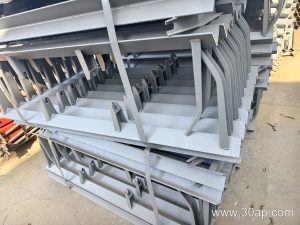
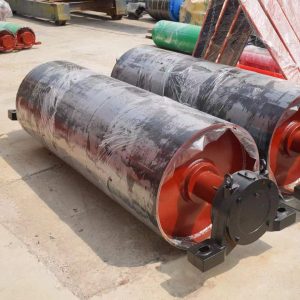
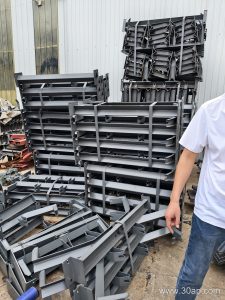
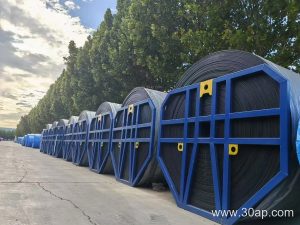
A bend rubber lagged pulley is a conveyor pulley that changes the direction of the conveyor belt without driving it. It sits at a bend point in the belt path, guiding the belt around a curve while a rubber lagging on the shell improves grip and protects both the belt and the pulley surface. In a conveyor system, this type of pulley works alongside the conveyor belt, idler roller, conveyor pulley and conveyor bracket to keep the belt tracking smoothly through the route.
Because it is not a drive pulley, the bend rubber lagged pulley does not transmit the main driving torque. Its job is to redirect the belt and maintain proper wrap and tension at that section. This distinction matters when specifying or replacing parts, since a drive pulley, tail pulley and bend pulley are not interchangeable names for the same component.
How the Pulley Is Built
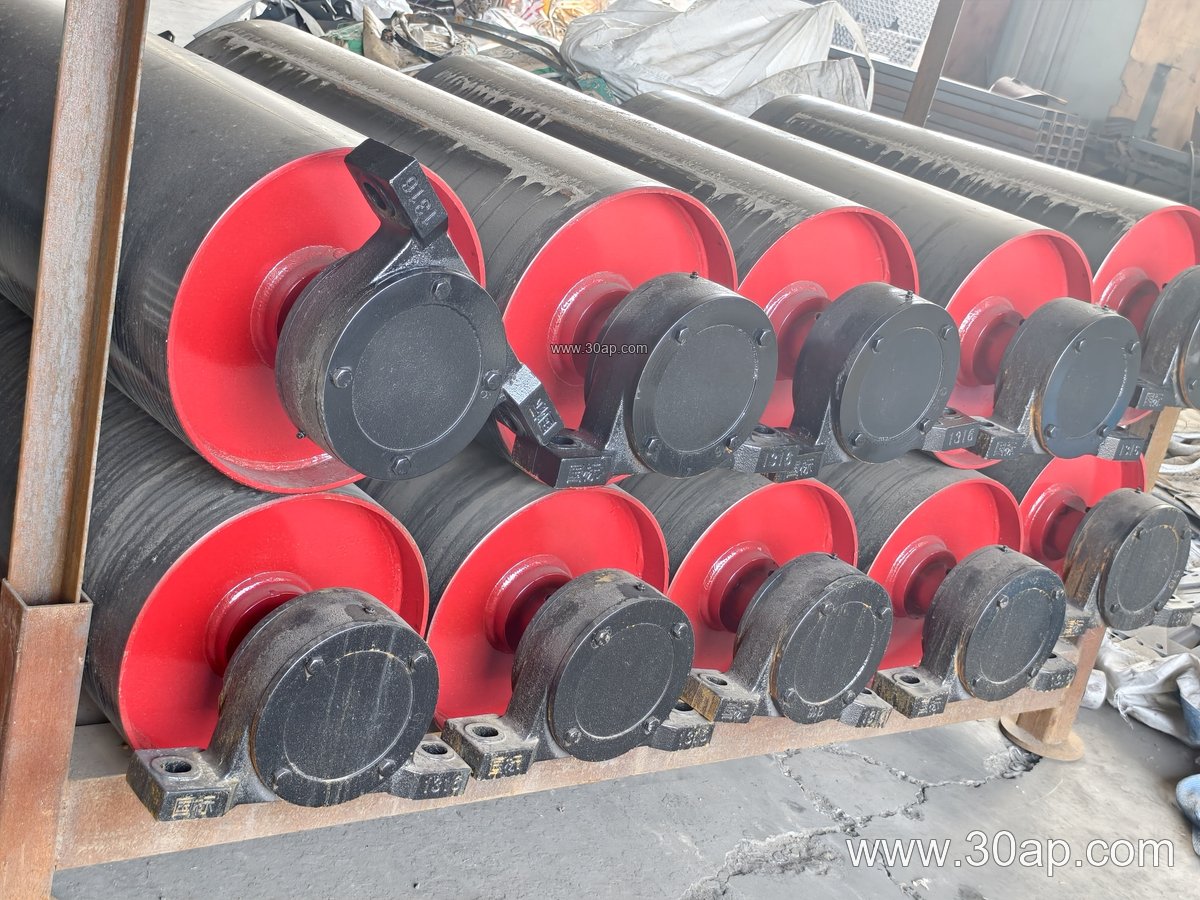
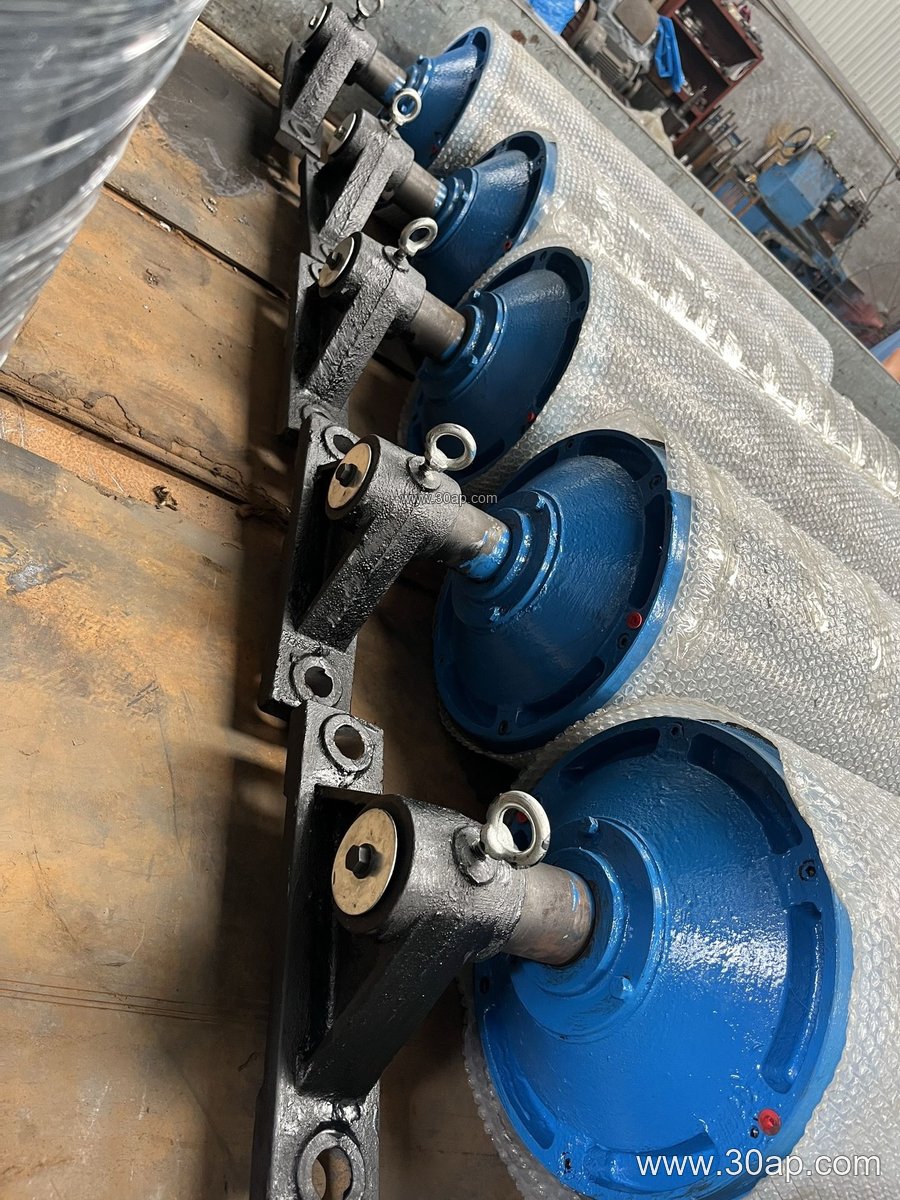
The basic structure includes a cylindrical shell, end discs, a shaft and bearing housings. The rubber lagging is applied to the shell surface, usually by hot vulcanizing or cold bonding. The lagging may be plain, diamond patterned or herringbone patterned depending on the belt tracking needs. A bend pulley often uses a plain or diamond rubber lagging to improve friction and reduce belt slip at the bend.
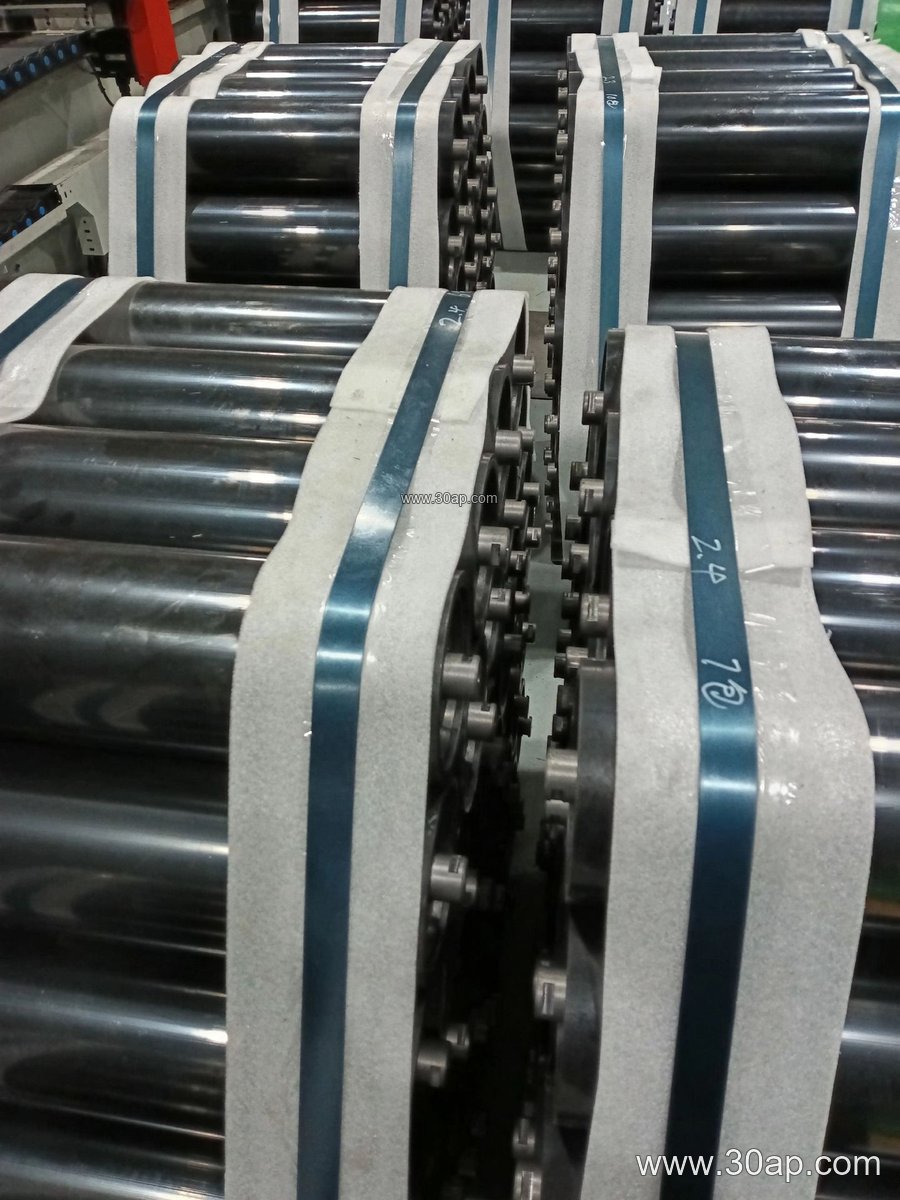
- Shell and end discs welded and machined for balance
- Shaft sized by torque and load, not by belt width alone
- Rubber lagging in common thicknesses such as 8, 10, 12, 15 or 20 mm
- Bearing housings and mounting arrangement matched to the conveyor bracket
The rubber surface helps absorb shock, reduce noise and protect the belt cover from abrasion. In dusty or wet conditions, a lagged bend pulley can offer better traction than a plain steel shell, though the exact surface form should be selected for the site conditions.
Where It Fits in the Conveyor Layout
A bend pulley is commonly used where the belt must turn around an obstacle, change elevation or return toward the tail. In a quarry or sand and gravel line, it may guide the belt through a compact transfer point. In a cement plant or power station coal handling system, it helps route the belt around structural supports. The pulley is also found in crushing and screening circuits, port bulk handling and tunnel muck removal lines.
It is often compared with a snub pulley, which increases belt wrap on a drive pulley, and with a take-up pulley, which maintains tension. Each has a different role, so a bend pulley should not be treated as a substitute for a drive or tail pulley.
Common Size References for Buyers
Bend pulleys are usually specified by belt width, pulley diameter and face width. The following values are common reference data, not fixed universal combinations. Diameter and shaft size should be confirmed by the conveyor design engineer based on load and torque.
| Belt width | Typical pulley face width | Example diameter |
|---|---|---|
| B400 | about 500 mm | Ø200 to Ø315 |
| B500 | about 600 mm | Ø250 to Ø400 |
| B650 | about 750 mm | Ø315 to Ø500 |
| B800 | about 950 mm | Ø400 to Ø630 |
| B1000 | about 1150 mm | Ø500 to Ø800 |
| B1200 | about 1400 mm | Ø630 to Ø1000 |
| B1400 | about 1600 mm | Ø800 to Ø1250 |
| B1600 | about 1800 mm | Ø1000 to Ø1400 |
Shaft diameters are commonly selected from ranges such as Ø50, Ø60, Ø70, Ø80, Ø90, Ø100, Ø120, Ø140, Ø160, Ø180 and Ø200 mm. A larger belt width does not automatically mean a fixed shaft size; the actual shaft is determined by the calculated torque and bearing load.
Selection and Maintenance Notes
When choosing a bend rubber lagged pulley, confirm the belt width, the required diameter, the lagging thickness and the surface pattern. Check that the pulley face width suits the belt and that the bearing and bracket arrangement matches the existing conveyor frame. The lagging should be inspected for wear, cuts or separation, since a damaged rubber surface can affect belt tracking and accelerate belt cover wear.
Keep the pulley aligned with the conveyor frame and maintain proper belt tension. In dusty operations such as coal preparation or limestone handling, clean the pulley area regularly to prevent material buildup that can cause belt misalignment. Replacement should match the original design parameters or be reviewed by an engineer before installation.