What a 500mm Conveyor Belt Is
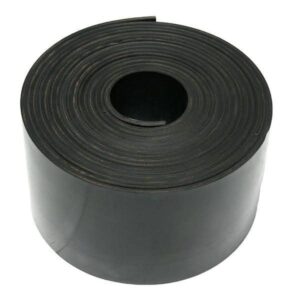
A 500mm conveyor belt is a narrow-width belt designed for material handling systems where space is limited or throughput requirements are moderate. In the industry, this size is often referred to as a B500 conveyor belt, with the 500mm indicating the belt’s overall width. This dimension makes it a common choice for auxiliary conveyors, mobile crushing plants, and operations in mining, coal preparation, cement plants, power stations, and sand and gravel yards where a compact belt path is needed.
While this article focuses on the 500mm width, it is important to note that conveyor belts come in many other widths, such as B650 or B800, which may be used on the main haulage lines. The 500mm belt serves as a versatile solution for lighter-duty or space-constrained sections of a conveyor network.
Construction and Key Components
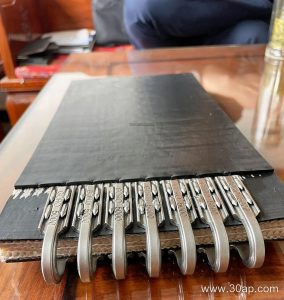
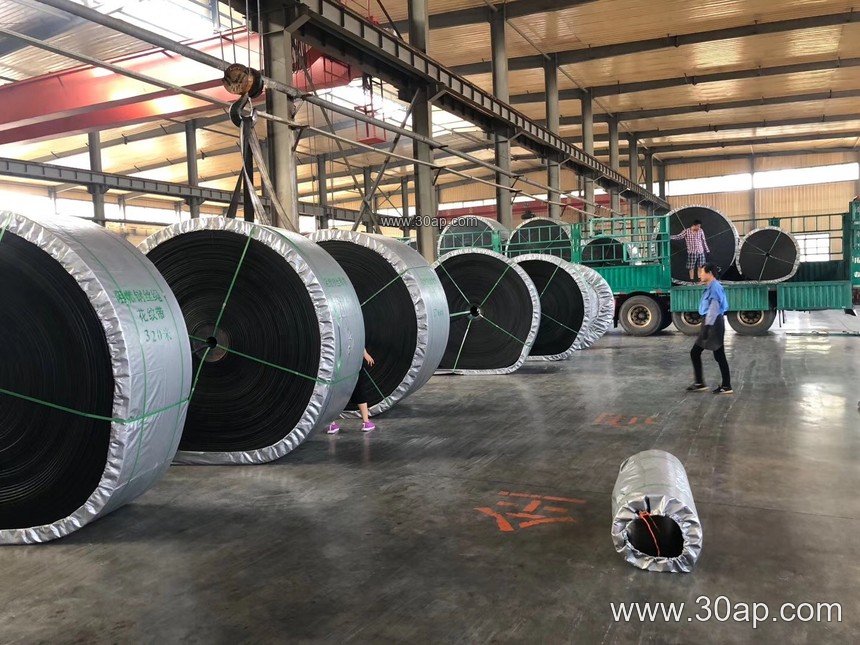
A typical 500mm conveyor belt consists of a carcass and rubber covers. The carcass provides strength and is usually made of EP (polyester-cotton) or NN (nylon-nylon) fabric layers, with common strengths ranging from EP200 to EP630 for this width. The number of fabric plies can vary, often between 2 and 4 layers, depending on the load and tension requirements. The cover rubber protects the carcass from abrasion, impact, and environmental factors. Common cover thicknesses for this belt width include 3+1.5 mm, 4+2 mm, and 5+2 mm, where the first number indicates the top cover and the second the bottom cover.
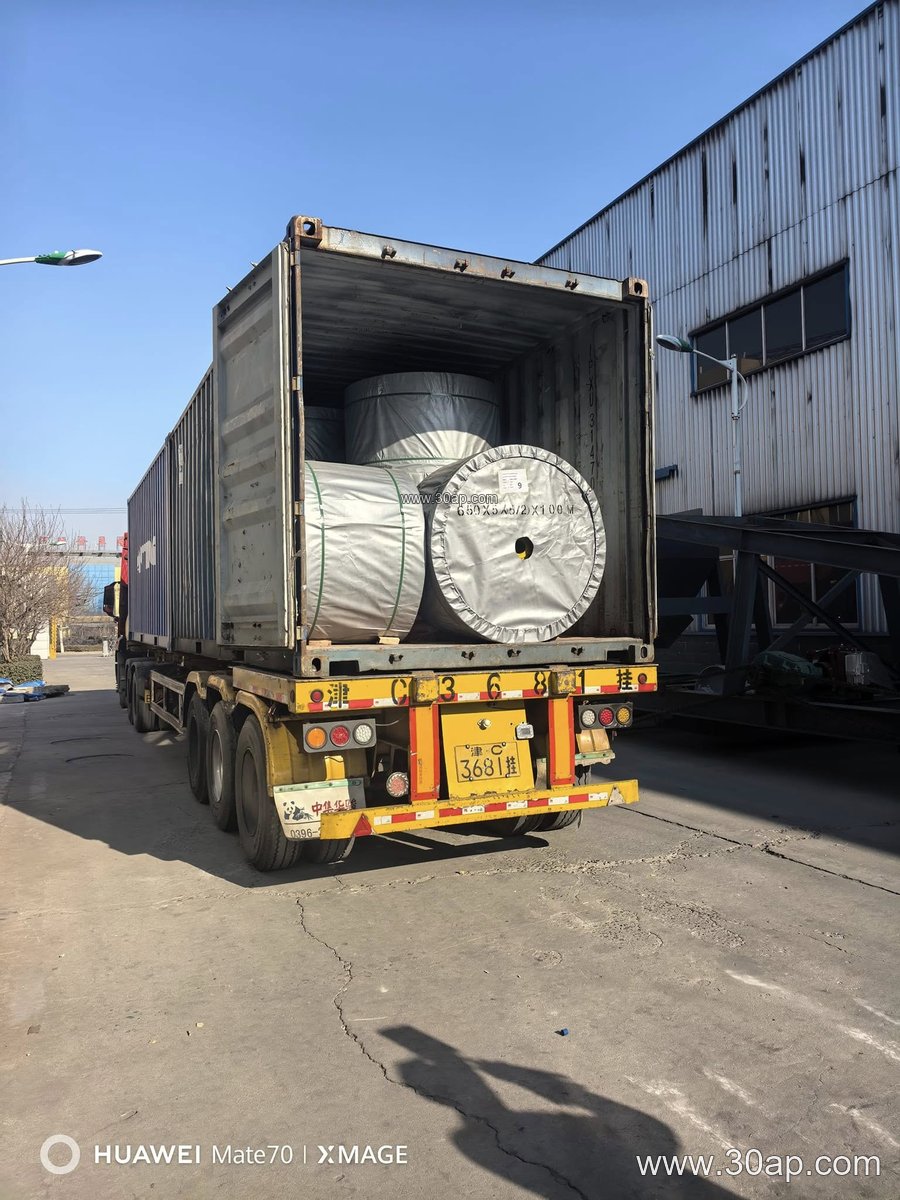
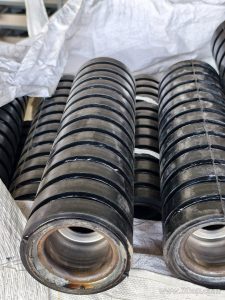
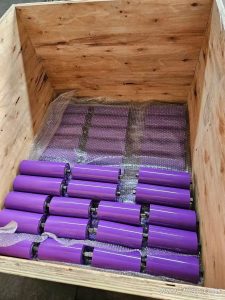
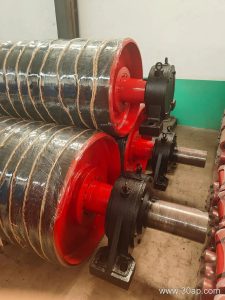
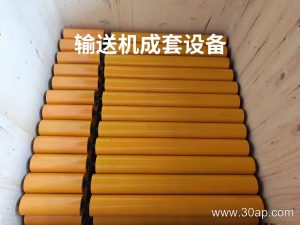
The belt works in conjunction with other conveyor components such as idler rollers, conveyor pulleys, and conveyor brackets. The drive pulley, tail pulley, and bend pulley each have specific roles and are not interchangeable. Proper alignment and matching of these components with the belt width are essential for smooth operation.
Common Applications
Due to its compact size, the 500mm conveyor belt is frequently found in:
- Mining and coal operations for short transfer points or sampling systems
- Cement plants for additive or clinker transport in confined spaces
- Power stations for coal feeding to small boilers or ash handling
- Sand and gravel yards for stockpiling or link conveyors
- Mobile and portable conveyors where width is restricted
In these settings, the belt may need to handle abrasive materials, so wear-resistant grades are often selected. For coal or dusty environments, anti-static or fire-resistant (PVG) belts may be specified, though the 500mm width itself does not dictate the cover type.
Specifications and Selection Considerations
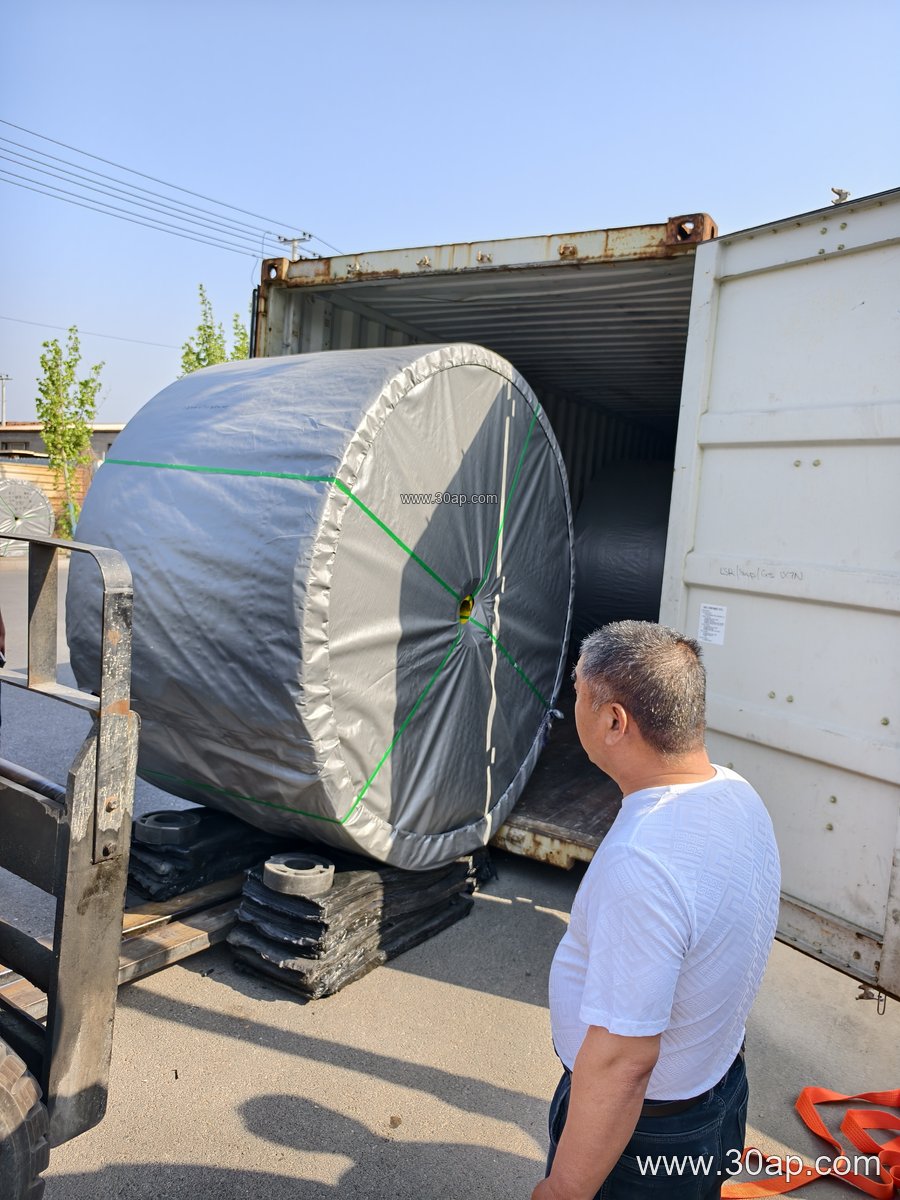
When choosing a 500mm conveyor belt, buyers should consider the following parameters. Note that these are typical reference values and actual specifications should be confirmed with the supplier.
| Parameter | Common Options |
|---|---|
| Belt width | 500 mm (B500) |
| Fabric type | EP or NN |
| Strength grades | EP200, EP315, EP400, EP500, EP630 |
| Number of plies | 2 to 4 (typical) |
| Cover thickness | 3+1.5 mm, 4+2 mm, 5+2 mm |
| Special properties | Wear-resistant, heat-resistant, oil-resistant, flame-retardant, anti-static, cold-resistant, acid/alkali-resistant |
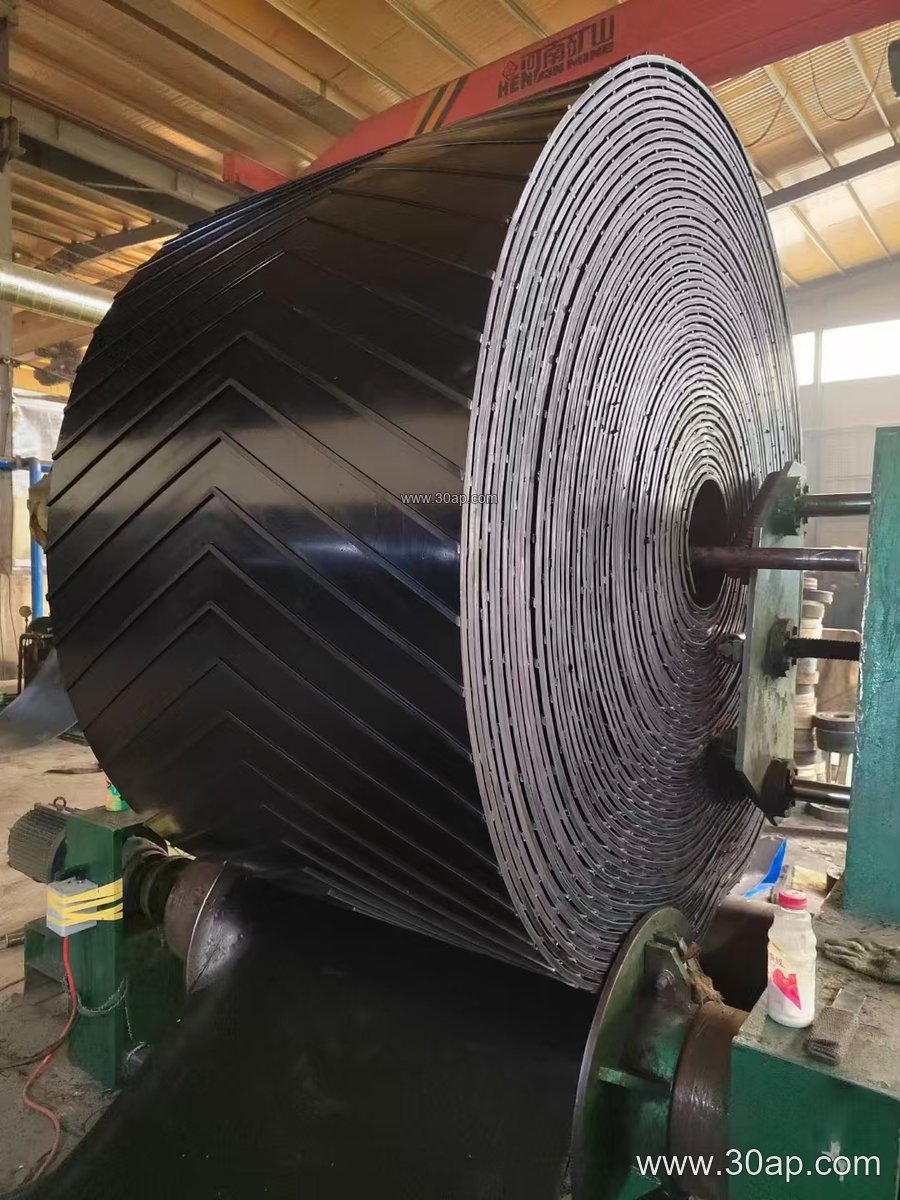
| Surface patterns | Plain, patterned (chevron), cleated, corrugated sidewall |
Selection should be based on the material being conveyed, the load, the conveyor length, and the environmental conditions. The belt width must be matched with the pulley and idler dimensions, but there is no fixed rule that a 500mm belt only fits a specific pulley diameter; the design of the entire system determines the appropriate components.
Maintenance and Operational Tips
To ensure a long service life, regular inspection of the 500mm conveyor belt is recommended. Check for signs of wear, edge damage, and cover cracking. Keep the belt properly tensioned and aligned to prevent mistracking. Idler rollers should rotate freely, and pulleys should be free of material buildup. In dusty or wet conditions, cleaning the belt and components helps maintain traction and prevents premature failure.
When replacing a belt, verify that the new 500mm belt matches the original specifications in terms of strength, cover thickness, and any special properties required by the application. Consulting with a conveyor specialist can help avoid mismatches that could affect performance.