What a High-Strength Idler Does on the Line
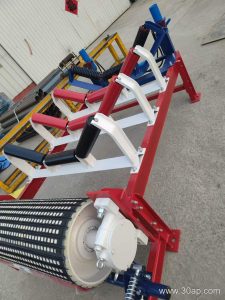
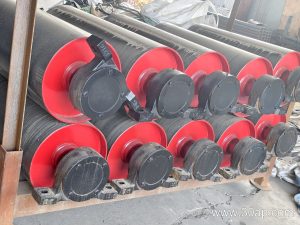
A high-strength idler is the load-bearing roller that supports the conveyor belt along its carrying and return runs. In a quarry, a limestone mine, or a cement plant, the belt may run fully loaded for long shifts, so the idler has to hold its shape, keep turning freely, and resist wear without constant attention. A heavy-duty idler roller built for this role is not simply a thicker tube; the bearing housing, seal arrangement, shaft, and end disc all work together to carry the belt load and keep the rollers spinning.
These rollers are often specified where impact, dust, moisture, or high belt tension would shorten the life of a lighter unit. They are still idlers, not conveyor pulleys. The drive pulley, tail pulley, and bend pulley each have their own design and duty, and none of them can be swapped for an idler.
Construction Details That Matter
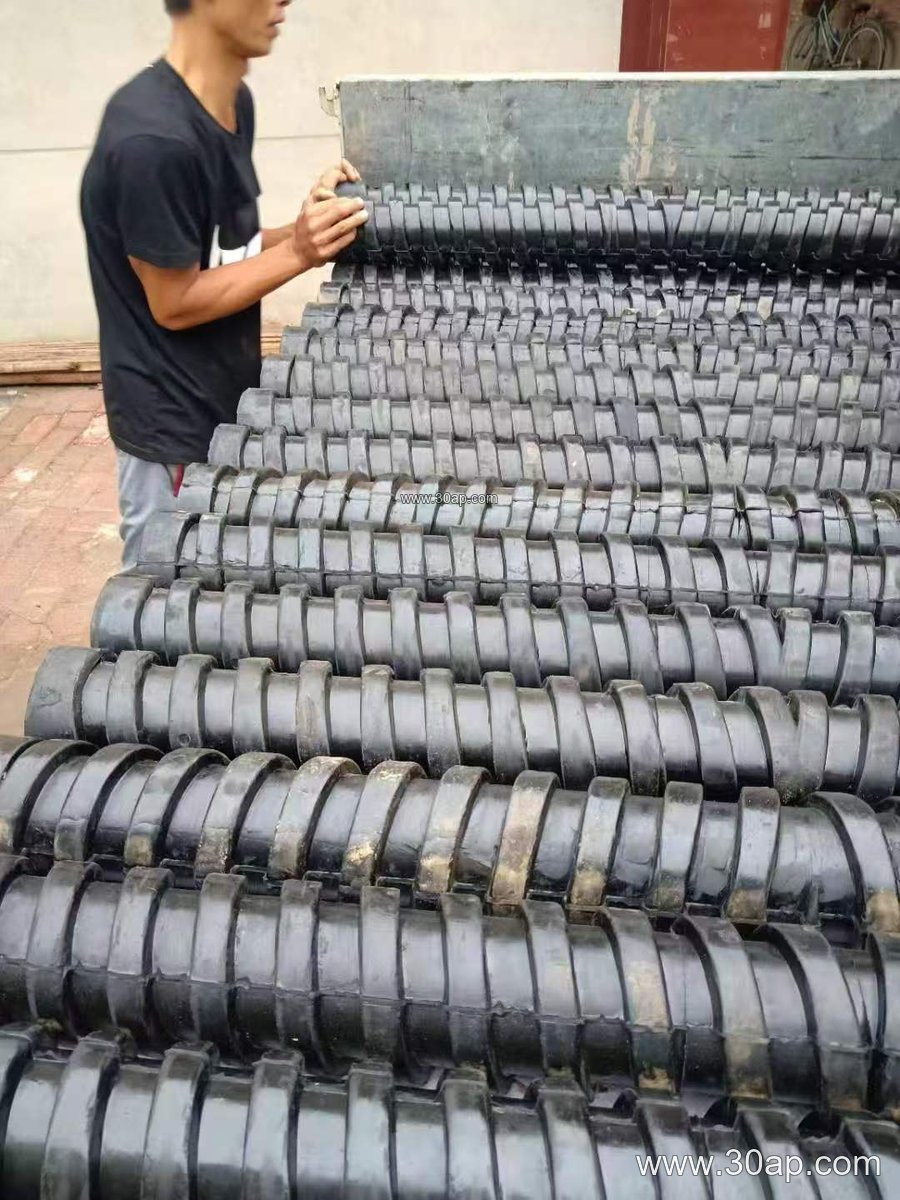
The typical high-strength idler uses a seamless or welded steel tube for the roller shell, with machined bearing housings pressed into each end. The shaft is usually solid or heavy-walled, and the bearings are selected for the load and speed of the conveyor rather than for a single tube size. Common bearing numbers include 6204, 6205, 6305, 6306, 6308, and 6310, but the same bore can serve more than one roller diameter, and the final choice should follow the conveyor design.
Sealing is where many heavy-duty designs differ. Labyrinth seals, contact seals, and multi-stage arrangements are used to keep out fine dust and water. In a coal preparation plant or a power station coal yard, that protection often decides how long the roller lasts. Roller surfaces may be plain steel, nylon, ceramic, or rubber rings, depending on whether the aim is wear resistance, material buildup control, or impact absorption.
Common Sizes and Arrangements
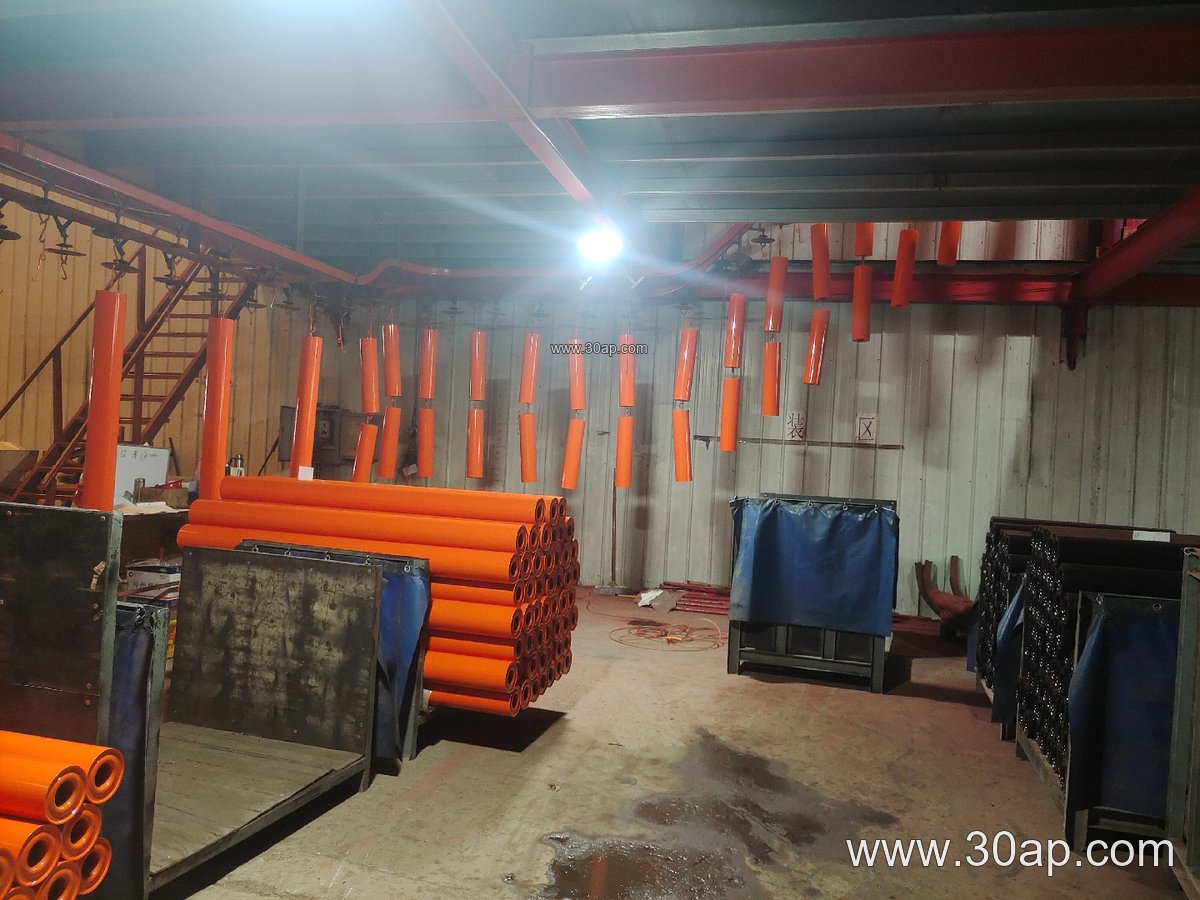
No single size fits every conveyor. The table below shows reference values that appear in typical specifications; actual roller length depends on belt width, trough angle, and the idler set configuration.
| Parameter | Common reference values |
|---|---|
| Roller diameter | Ø63, Ø76, Ø89, Ø102, Ø108, Ø127, Ø133, Ø159, Ø178, Ø194, Ø219 mm |
| Belt width | B400, B500, B650, B800, B1000, B1200, B1400, B1600, B1800, B2000, B2200, B2400 |
| Trough angle | 20°, 30°, 35°, 45° |
| Idler set form | single roll, two-roll, three-roll troughing |
| Roller surface | steel tube, nylon, ceramic, rubber rings |
| Bearing examples | 6204, 6205, 6305, 6306, 6308, 6310 |
For a three-roll troughing set, common roller lengths are roughly 200 mm for B500, 250 mm for B650, 315 mm for B800, 380 mm for B1000, 465 mm for B1200, 530 mm for B1400, 600 mm for B1600, 670 mm for B1800, and 750 mm for B2000. These are examples, not fixed pairings; side rollers and center rollers can differ, and the trough angle changes the geometry.
Where These Rollers Fit
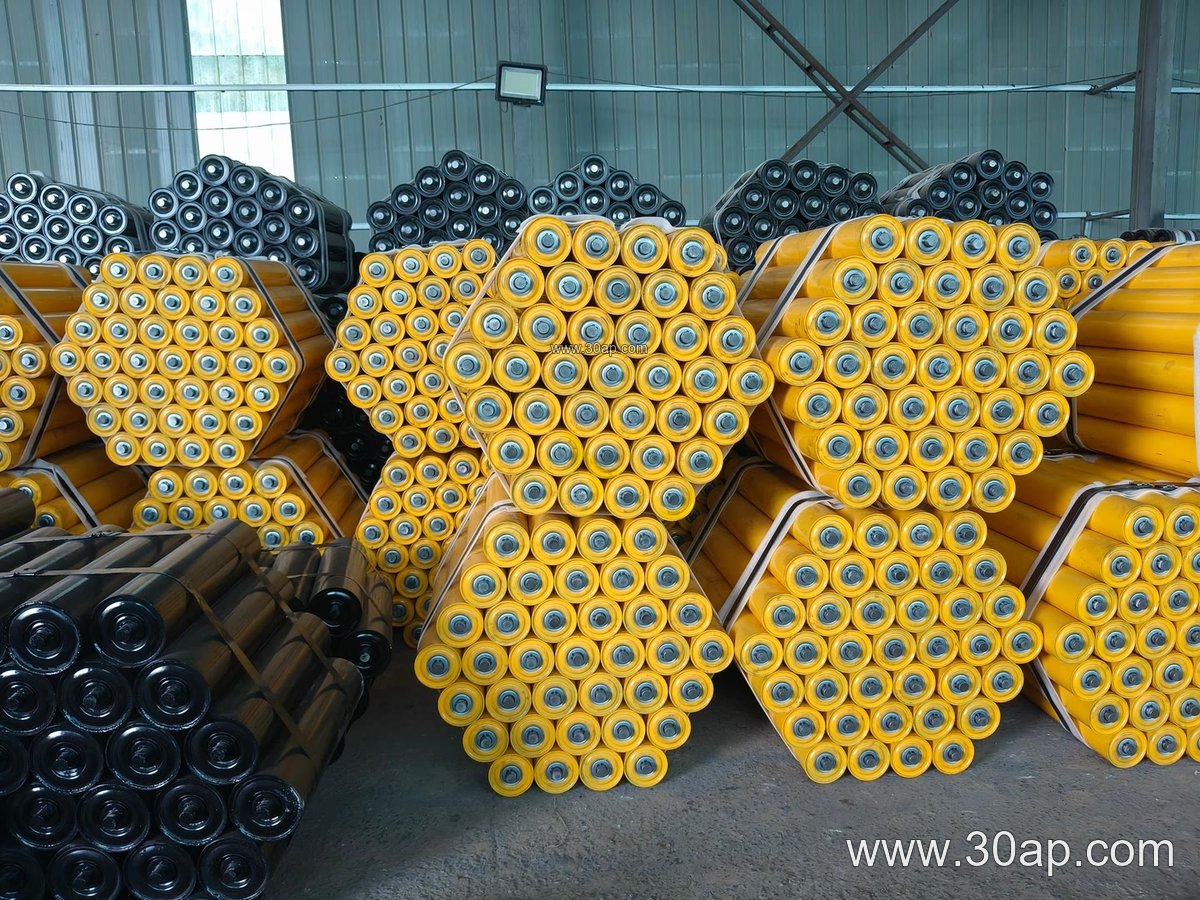
High-strength idlers are used on the carrying side of a conveyor belt in crushing and screening plants, sinter plants, and aggregate yards, where lump size and dust are part of daily operation. On the return side, a plain or V-shaped return idler may be preferred, while impact zones near a transfer point often call for a cushion idler with rubber rings. A self-aligning idler may be added where belt tracking is a concern. Each of these is a different subtype with its own job, and the high-strength carrying idler remains the main support element.
The conveyor bracket and frame should match the idler set form, because a three-roll troughing idler cannot simply be dropped into a frame designed for a single roll. The conveyor pulley at the head end and the tail pulley at the feed end also need separate specification.
Buyer Checklist
- Confirm belt width and trough angle before selecting roller length.
- Check the load, belt speed, and ambient conditions to guide bearing and seal choice.
- Decide whether steel, nylon, ceramic, or rubber-ring rollers suit the material.
- Verify shaft and bracket dimensions against the existing conveyor frame.
- Ask for the manufacturer’s actual dimensional drawing rather than relying on a general size table.
A well-chosen high-strength idler helps keep a conveyor belt running smoothly in a mine, cement works, or power plant coal handling system, but the right combination of shell, bearing, seal, and frame is what makes it last.