What Conveyor Bracket Fabrication Covers
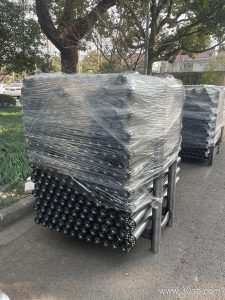
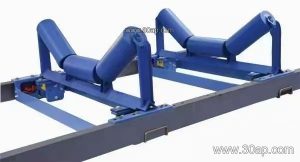
Conveyor bracket fabrication is the process of cutting, forming, drilling and welding the steel structures that hold idler rollers in place along a conveyor line. In a quarry, a coal washing plant or a cement kiln feed line, the belt carries the load, but it is the brackets underneath that keep every roller at the right height and angle. A well-made bracket assembly keeps the conveyor belt tracking evenly and lets the idler roller spin freely under load.
Fabricators usually work from a conveyor layout drawing that defines belt width, trough angle, roller diameter and mounting hole spacing. The bracket is not a single universal part: it is a family of components, and each one has a defined position on the conveyor frame.
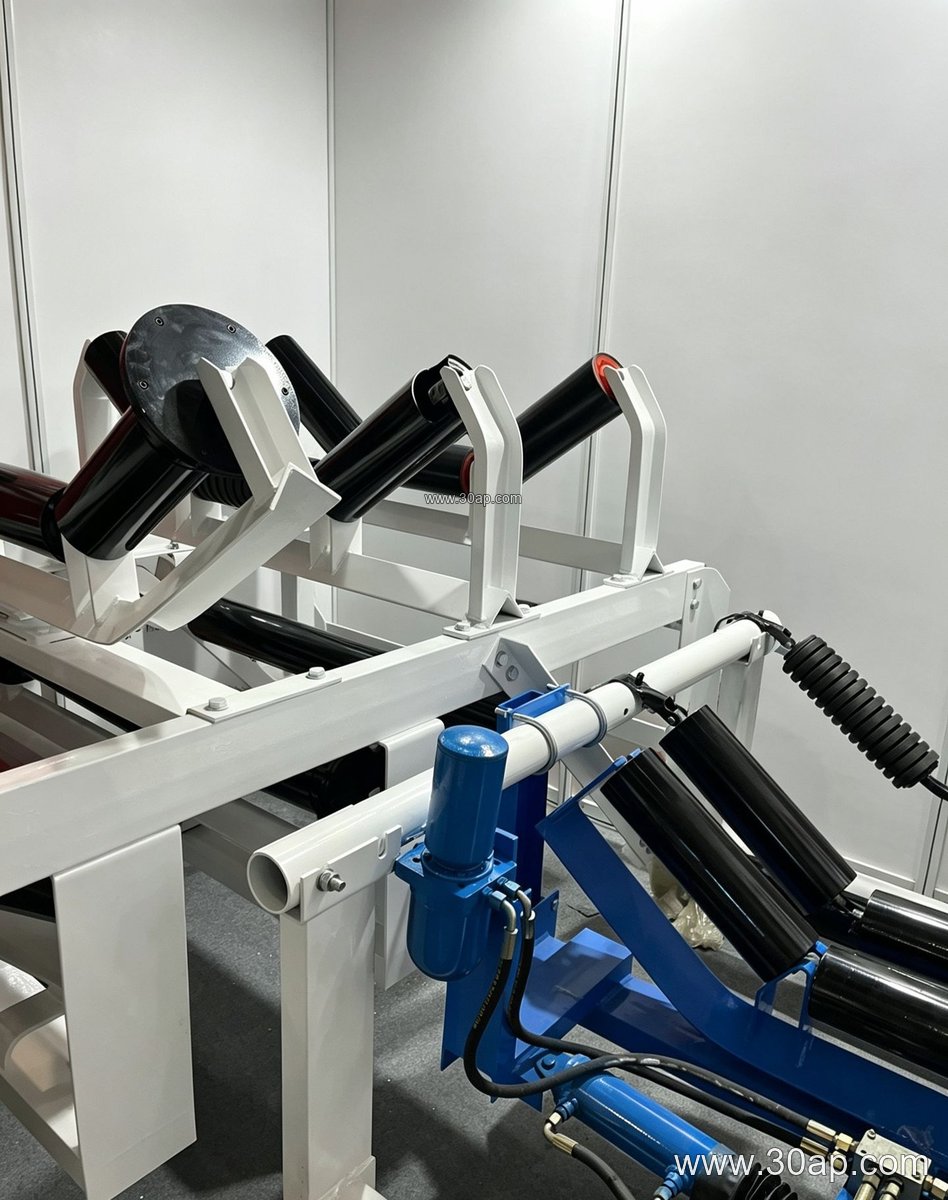
Common Bracket Types and Where They Sit
Upper trough brackets carry the loaded side of the belt and set the trough angle. Return brackets support the empty strand, often in a flat or V configuration. Transition brackets sit between the tail pulley and the first full trough set, gradually shaping the belt. Impact or buffer brackets are placed under loading points to absorb falling material. Self-aligning brackets allow slight rotation so the belt can correct its own drift. Adjustable brackets let maintenance staff change the trough angle without replacing the frame.
- Trough brackets — carry side, fixed or adjustable angle
- Return and V-return brackets — support the empty belt
- Transition brackets — ease the belt from flat to troughed
- Impact brackets — reinforced under chutes and hoppers
- Self-aligning brackets — assist belt tracking
Drive pulleys, tail pulleys and bend pulleys are separate components with their own fabrication needs; they are not interchangeable with brackets, and a bracket drawing should never be used as a pulley drawing.
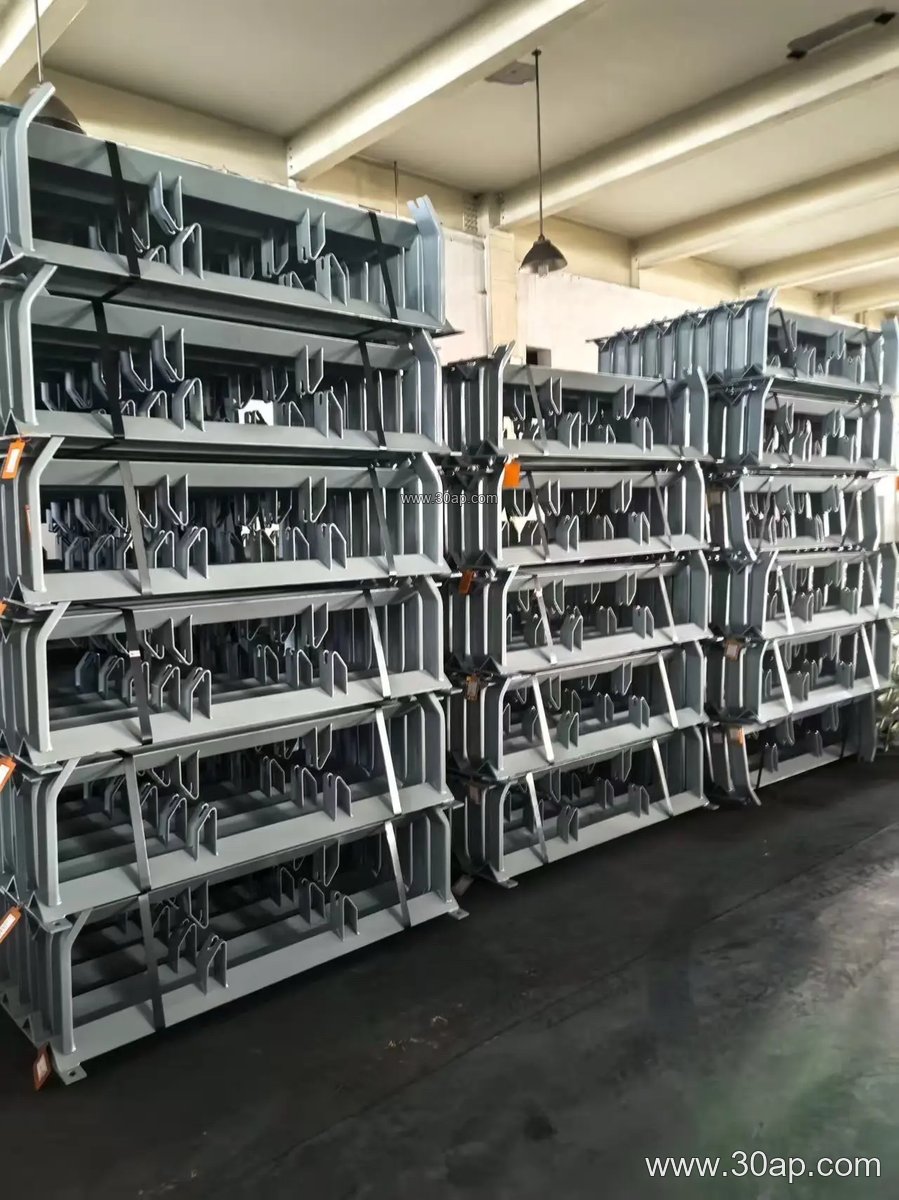
Materials and Fabrication Steps
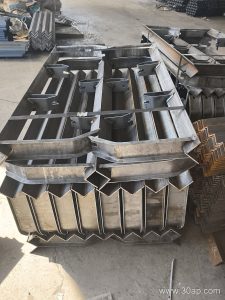
Most brackets are built from angle steel, channel steel or folded steel plate. The choice depends on load, span and the number of rollers carried. A typical fabrication sequence looks like this:
- Cutting stock to length from the layout drawing
- Punching or drilling mounting holes for the idler roller shaft
- Bending or pressing the trough profile where required
- Jig-based welding to keep hole centres and angles consistent
- Deburring, cleaning and surface treatment such as priming or galvanizing
Welding fixtures matter. If the bracket legs are welded without a jig, hole spacing can drift, and the roller will sit skewed, which shortens roller life and causes belt misalignment.
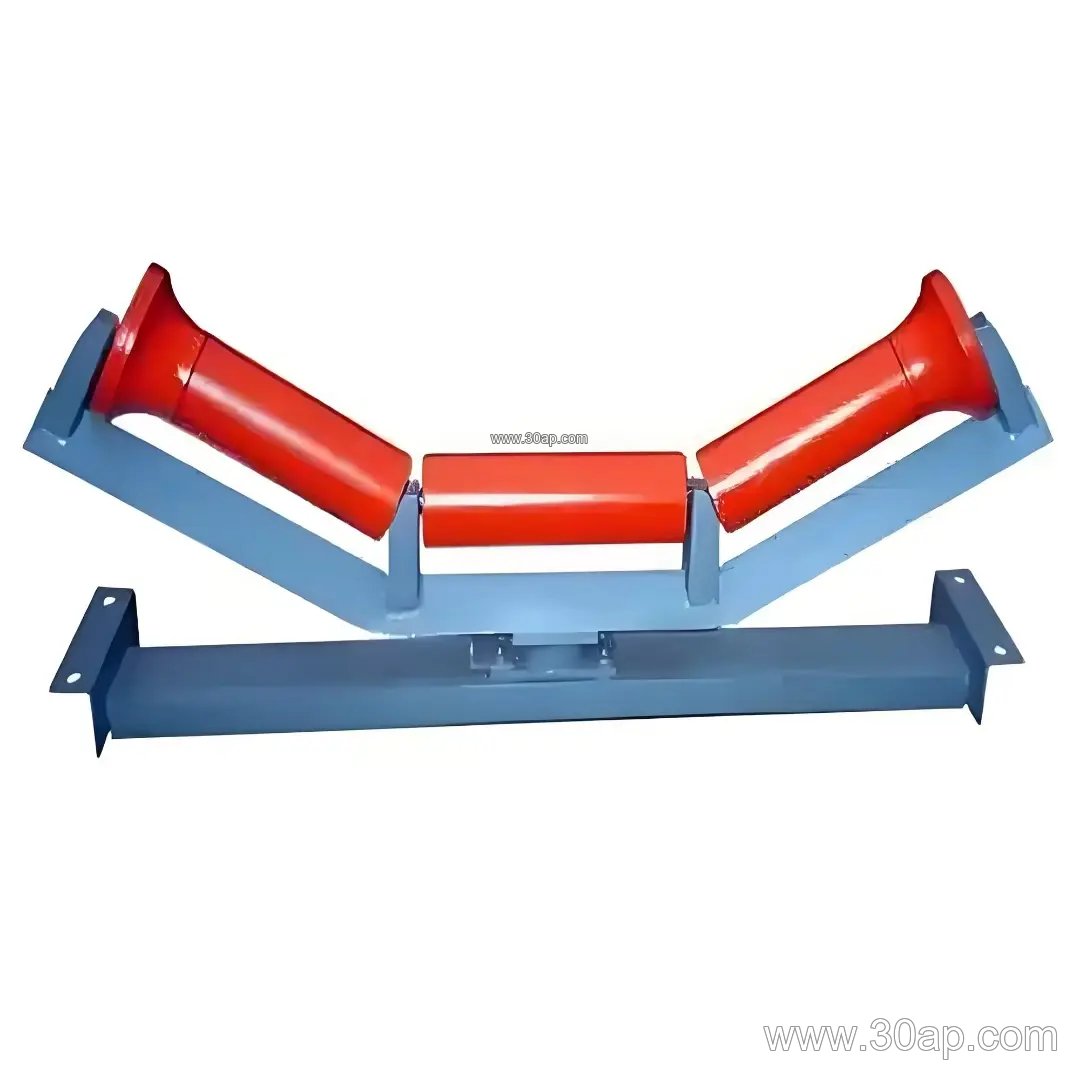
Typical Reference Dimensions
The table below shows common reference combinations. These are design references, not fixed rules — a given belt width can be paired with more than one trough angle or roller diameter depending on the duty.
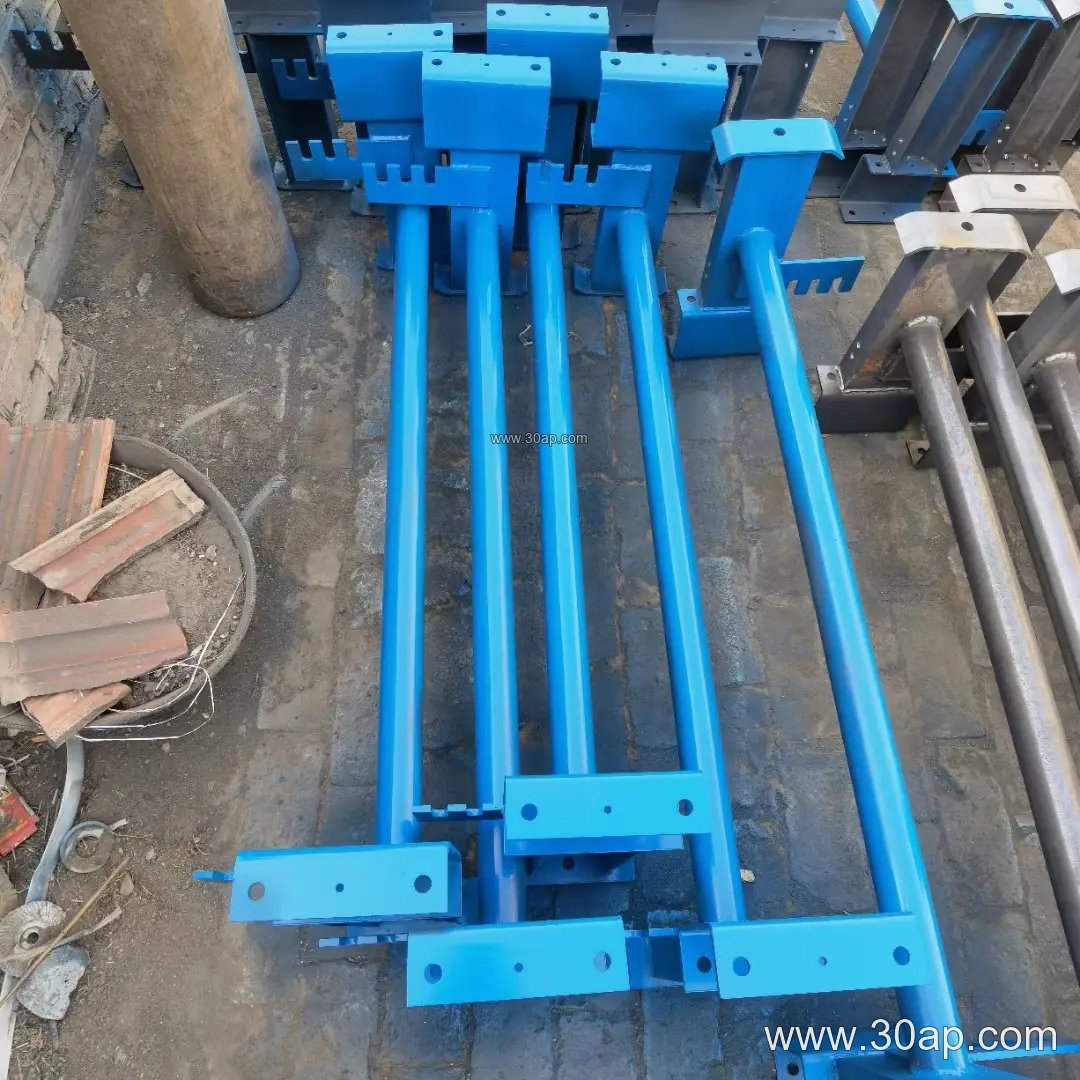
| Belt width | Trough angle | Roller diameter | Typical use |
|---|---|---|---|
| B500 | 20° / 30° | Ø89 | Small aggregate lines |
| B650 | 30° / 35° | Ø89 / Ø108 | Sand and gravel conveyors |
| B800 | 30° / 35° / 45° | Ø108 / Ø133 | Crushing and screening plants |
| B1000 | 35° / 45° | Ø108 / Ø133 / Ø159 | Coal handling, cement plants |
| B1200 | 35° / 45° | Ø133 / Ø159 | Power plant coal feed |
| B1400 | 35° / 45° | Ø159 / Ø194 | Iron ore and heavy duty lines |
| B1600–B2200 | 35° / 45° | Ø159 / Ø194 | Port terminals, large stockyards |
Installation hole spacing and crossbeam length change with belt width and trough angle, so they are always confirmed per drawing rather than taken as a standard figure. Forward-leaning brackets are commonly set at about 1.5° to 2° to help belt centring.
What Buyers Should Confirm Before Ordering
A clear enquiry avoids most fabrication errors. Provide the belt width, the required trough angle, the roller diameter and the mounting hole pattern. State whether the bracket is fixed or adjustable, and whether it is for the carry side, return side or a transition zone. Mention the environment: a tunnel muck line and a grain silo conveyor place very different demands on coating and corrosion protection.
Ask for the fabrication drawing before production starts and check that the bracket matches the conveyor pulley and frame dimensions on site. Small mismatches in hole pitch are easier to correct on paper than after galvanizing.
Keeping Fabricated Brackets in Service
Inspect welds and bolt connections during scheduled shutdowns, especially at impact points and transition zones. Replace bent brackets promptly — a distorted bracket will misalign the idler roller and wear the conveyor belt edge. Keeping spare brackets for the most heavily loaded positions reduces downtime in continuous operations such as power plant coal handling or limestone crushing.