What an Aggregate Conveyor Pulley Does
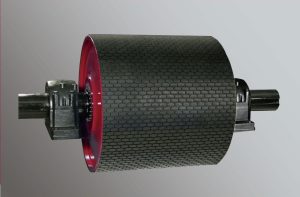
An aggregate conveyor pulley is the rotating drum that drives, tensions, or redirects the conveyor belt in a quarry, sand and gravel line, or crushing and screening circuit. Unlike an idler roller that simply supports the belt, the pulley transmits power or controls belt path and tension. The same assembly is often called a conveyor drum or belt pulley, but drive, tail, and bend pulleys are distinct roles and are not interchangeable.
How It Is Built
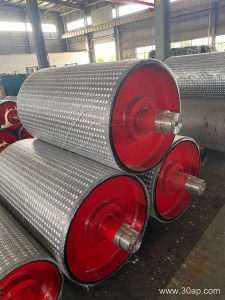
A typical unit starts with a steel shell, welded to end discs and a shaft. The shaft is sized by torque and radial load, not by belt width alone, so common shaft diameters such as Ø80, Ø100, Ø120, or Ø160 mm may appear across similar belt sizes depending on the drive design. Lagging is applied to the shell to improve grip or protect the surface. Bearings sit in housings that mount to the conveyor bracket or frame.
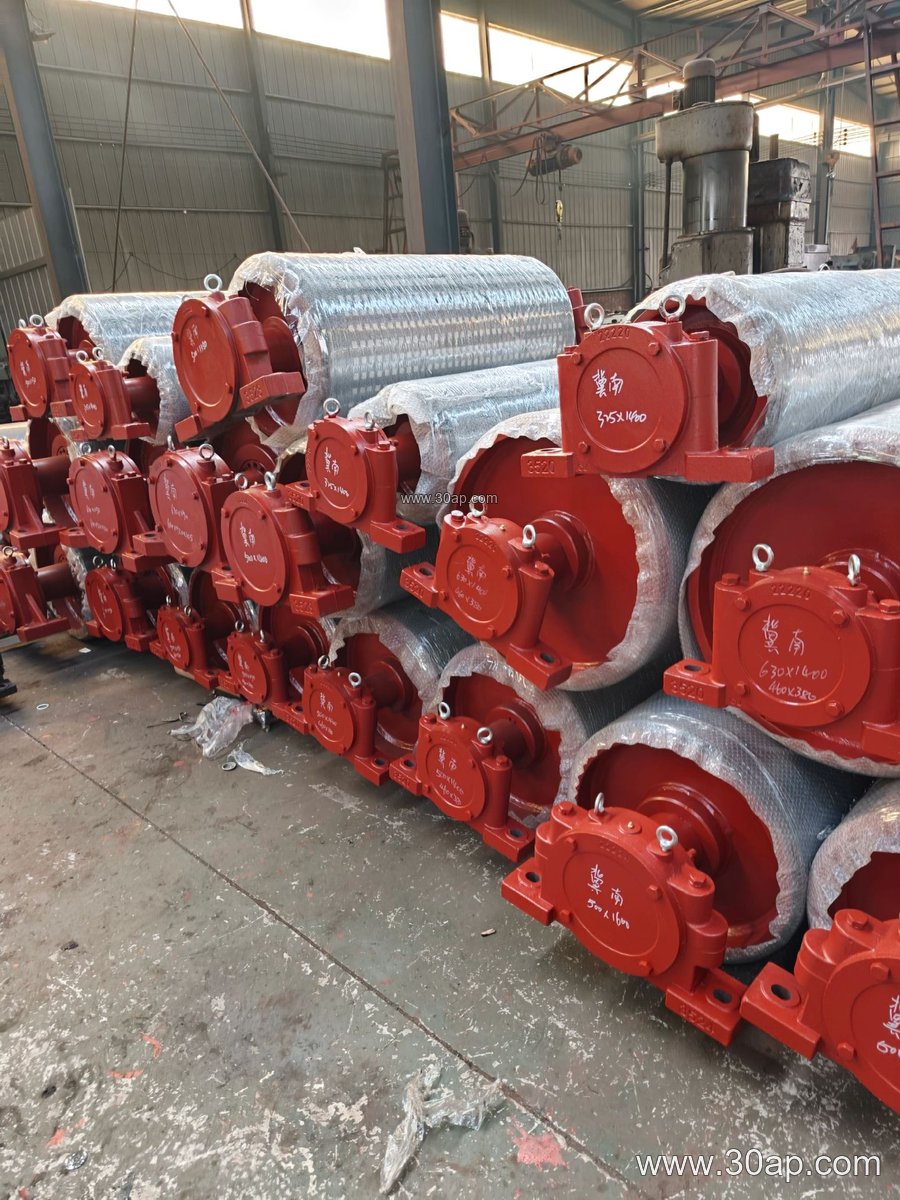
Common Surface Forms
- Plain finish for tail or bend positions where traction is not the main concern
- Cast rubber or cold-bonded rubber for general drive grip
- Hot-vulcanized rubber for heavier duty
- Diamond or herringbone grooving for wet or dusty conditions
- Ceramic lagging for high-traction drive pulleys
Lagging thickness is often 8, 10, 12, 15, or 20 mm, selected by the duty and the belt cover rather than by a single rule.
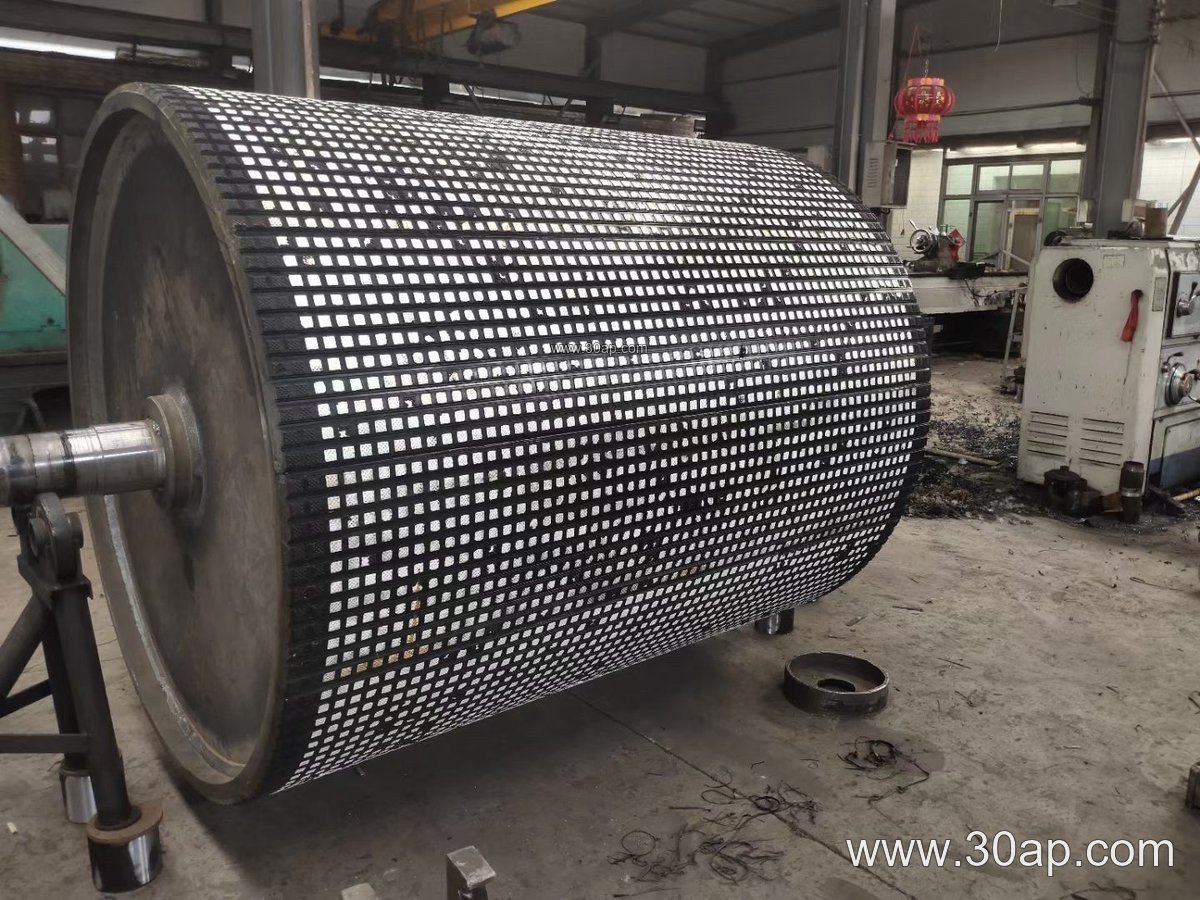
Typical Sizes and Combinations
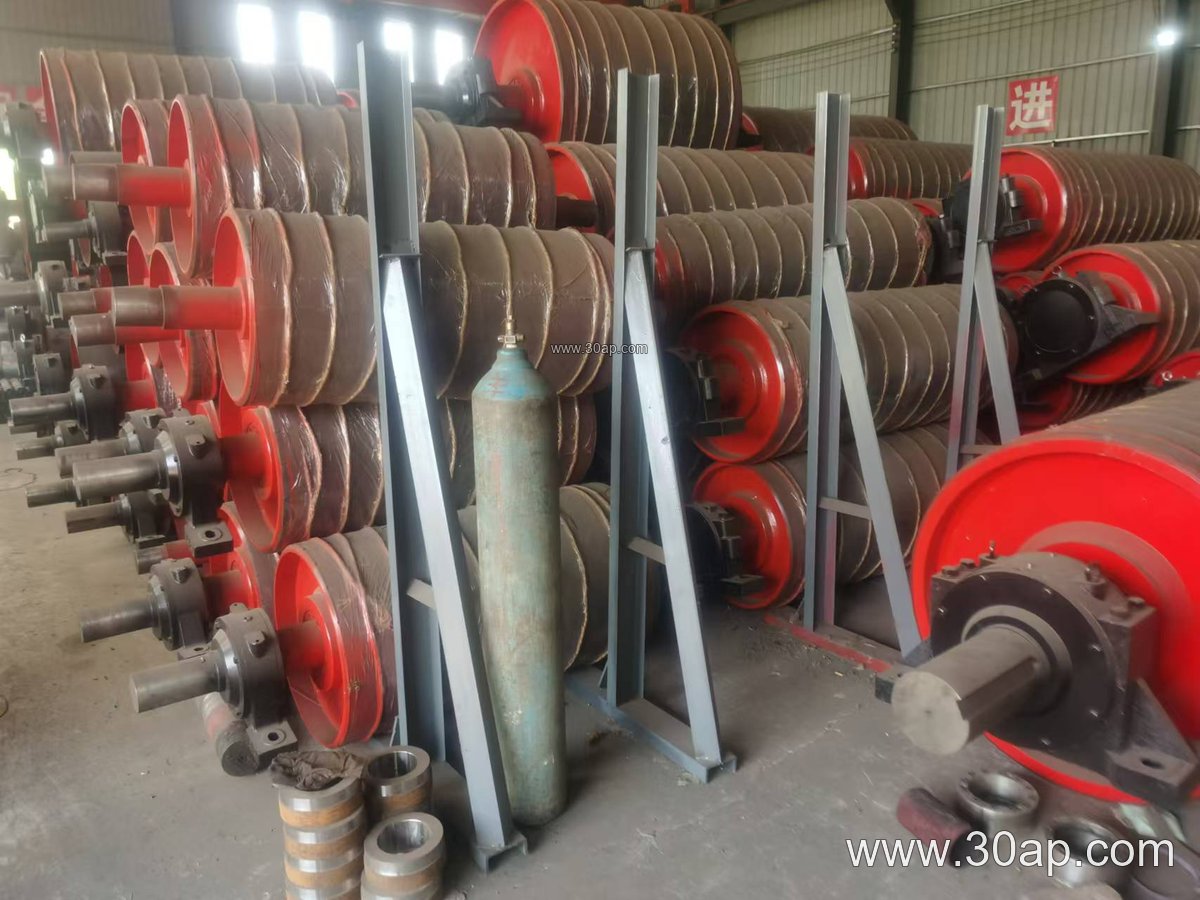
Pulley diameters commonly range from Ø200 to Ø1800 mm, and shell widths usually exceed the belt width so the belt is fully supported. Reference combinations such as B800 × Ø500 or B1200 × Ø1000 are seen in aggregate plants, but many other matches are possible. The table below shows common belt and shell width pairings for planning, not fixed supply limits.
| Belt width | Typical shell width | Example diameter range |
|---|---|---|
| B500 | about 600 mm | Ø250 to Ø400 |
| B650 | about 750 mm | Ø315 to Ø500 |
| B800 | about 950 mm | Ø400 to Ø630 |
| B1000 | about 1150 mm | Ø500 to Ø800 |
| B1200 | about 1400 mm | Ø630 to Ø1000 |
| B1400 | about 1600 mm | Ø800 to Ø1250 |
These are reference values; final selection depends on belt tension, wrap angle, and drive torque.
Where It Fits in the Plant
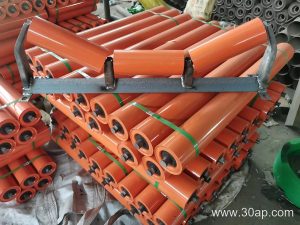
In a limestone quarry or sand and gravel operation, a head or drive pulley pulls the loaded belt at the discharge end. A tail pulley at the feed end controls belt tracking, while a bend or take-up pulley manages tension around a curve or tensioning device. In a coal washing plant or cement clinker line, dusty and abrasive conditions often call for lagged drive pulleys and sealed bearing housings. The pulley works together with the conveyor belt, idler rollers, and conveyor brackets, so alignment across the whole frame matters.
What Buyers Should Check
- Confirm the pulley role: drive, tail, bend, take-up, or snub, since each has different traction and load demands
- Match shell width to belt width and check the lagging type for wet or dusty material
- Verify shaft diameter against calculated torque and bearing load, not against belt width alone
- Check bearing housing and bracket dimensions for fit with the existing conveyor frame
- Review balance and runout expectations for higher-speed drives
In crushing and screening circuits, a well-matched aggregate conveyor pulley keeps belt tracking stable and reduces spillage. Buyers should treat published sizes as starting points and confirm final dimensions with the conveyor designer.