What a Coal Mine Conveyor Idler Does
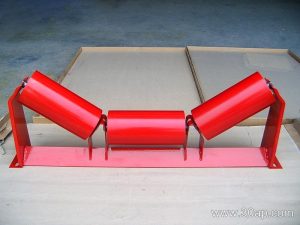
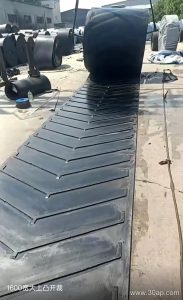
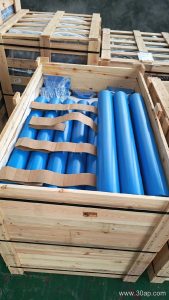
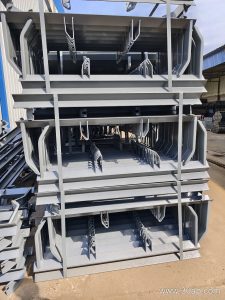
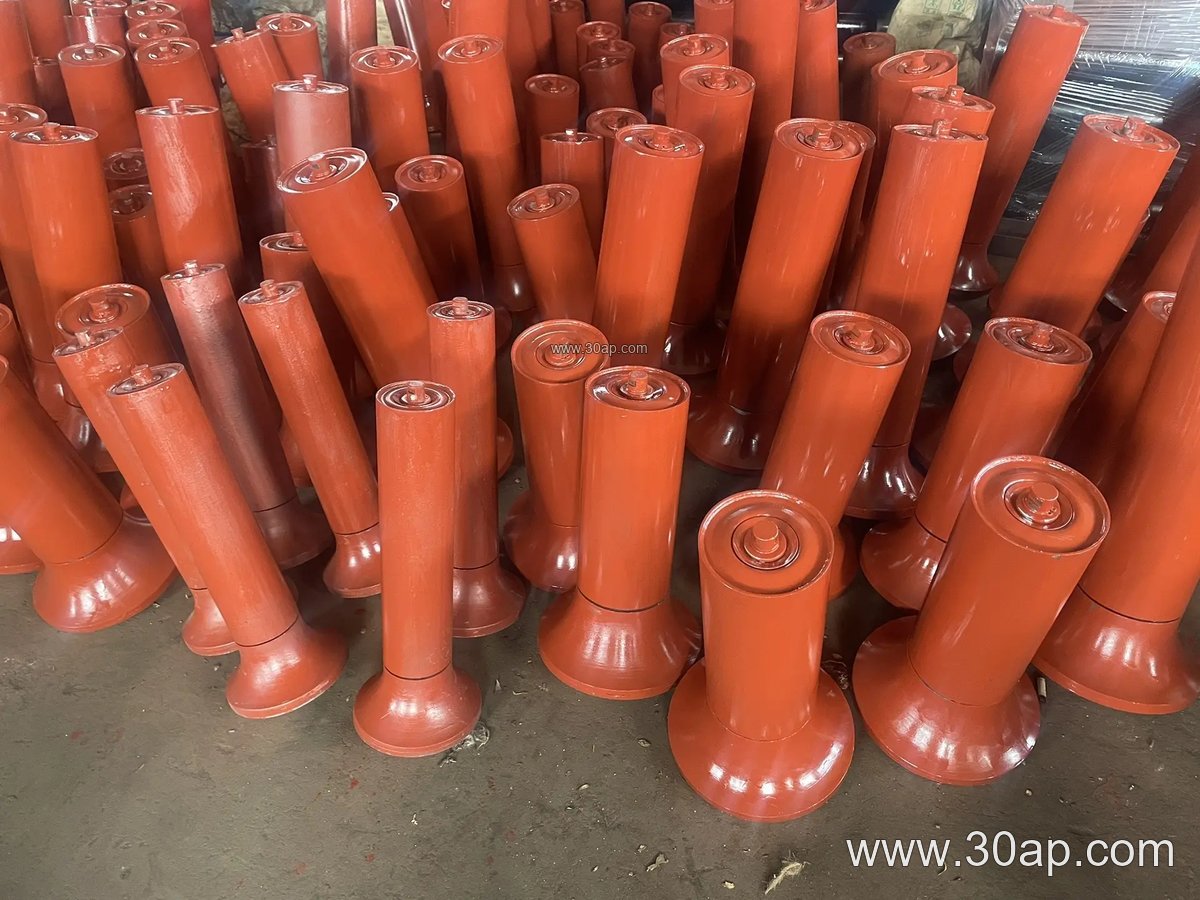
A coal mine conveyor idler is the rotating support that carries the conveyor belt and its load along the length of a belt conveyor. In a coal handling system, these idlers are mounted on a conveyor bracket at regular intervals, forming the trough that keeps coal centered on the belt. The idler roller itself is a simple assembly—a steel tube, bearing housings, and a shaft—but its reliability directly affects how well the entire conveyor performs. When an idler seizes or wears unevenly, the conveyor belt can mistrack, spill coal, or suffer accelerated wear.
Construction and Common Surface Forms
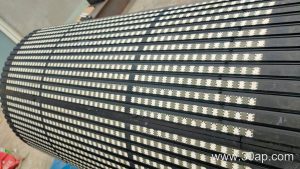
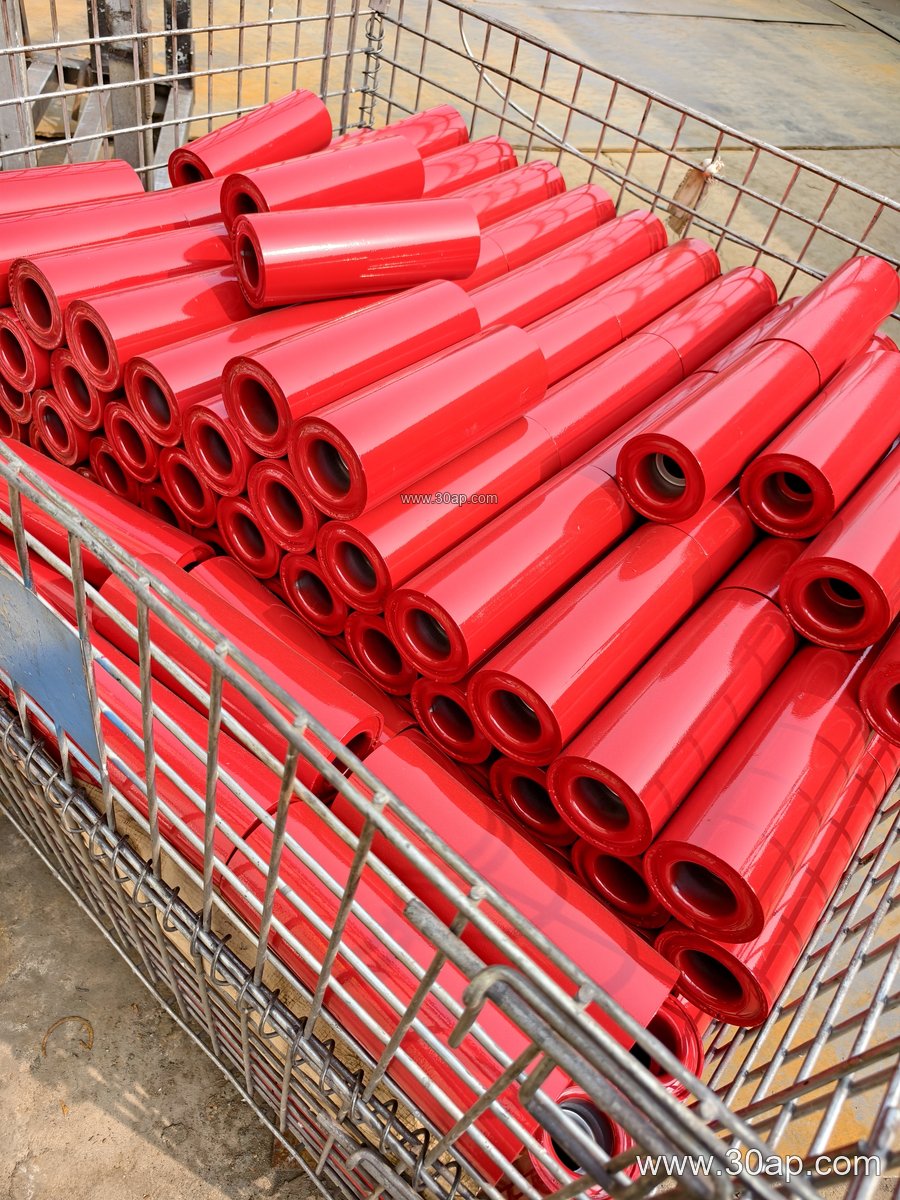
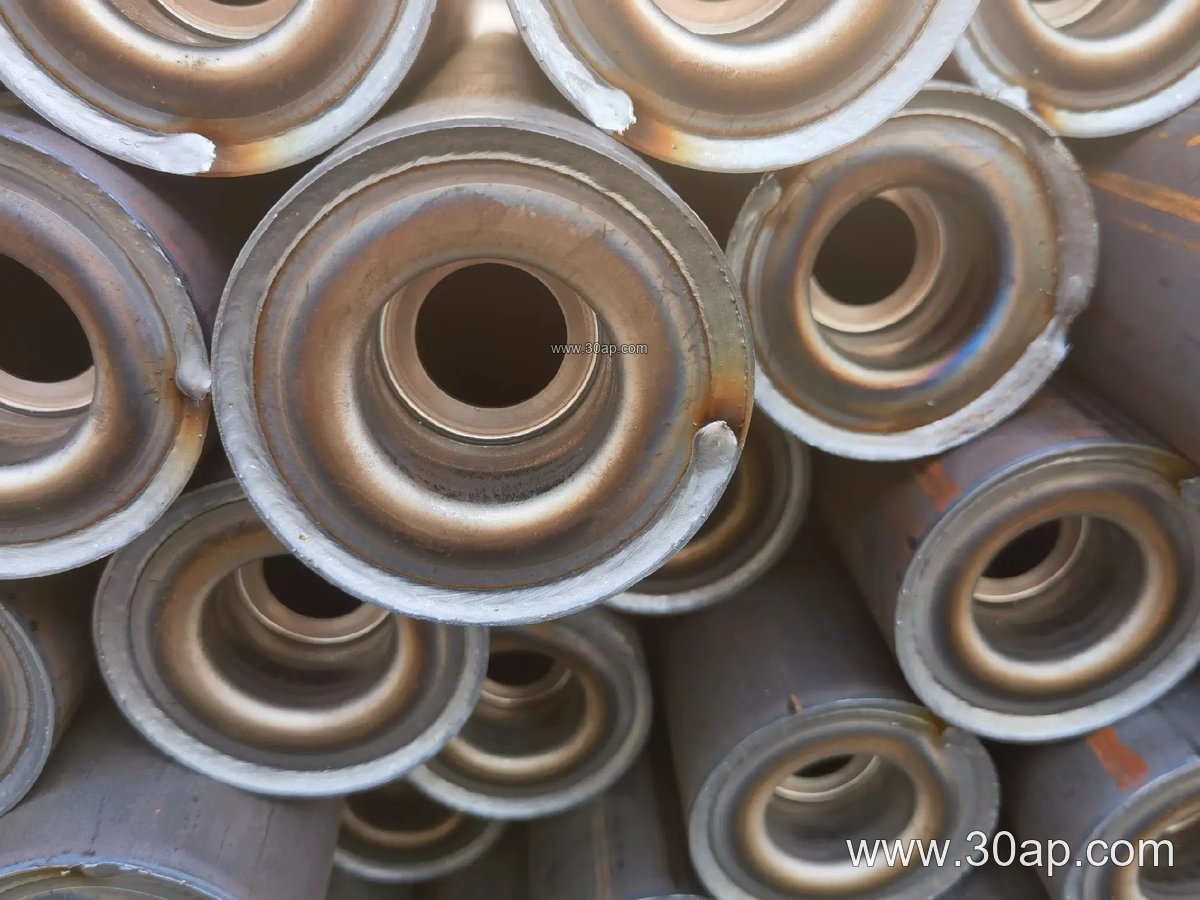
Most coal mine conveyor idlers use a steel tube body with pressed or machined end caps that hold the bearings. The bearing size is matched to the load and speed, not to the belt width alone. Common bearing numbers include 6204, 6205, 6305, 6306, 6308, and 6310, and the same roller diameter may be offered with different bearing options depending on the duty. The roller surface can be plain steel, nylon, ceramic, or fitted with rubber rings. Rubber ring idlers are often chosen at transfer points where impact is heavy, while plain steel idlers are typical for the main carrying run.
Where It Fits in a Coal Handling Line
In a coal mine or coal preparation plant, idlers appear in several positions. Carrying idlers support the loaded belt, usually in a three-roll trough set. Impact idlers or rubber ring buffer idlers sit under the loading point to absorb the drop of coal. Return idlers support the empty belt on its way back. Transition idlers help the belt change from flat to troughed shape without stressing the edges. Self-aligning idlers, including friction and tapered types, are used where the belt tends to wander. Each position has its own demands, so a coal mine conveyor idler is rarely a one-size-fits-all item.
Common Dimensions and Arrangements
The table below shows typical reference values for coal mine conveyor idlers. These are common examples, not fixed combinations. Roller length varies with belt width, trough angle, and the idler set configuration, and the side rollers or center roller may differ in length within the same set.
| Parameter | Common Reference Values |
|---|---|
| Roller diameter | Ø63, Ø76, Ø89, Ø102, Ø108, Ø127, Ø133, Ø159, Ø178, Ø194, Ø219 mm |
| Belt width | B400, B500, B650, B800, B1000, B1200, B1400, B1600, B1800, B2000, B2200, B2400 |
| Trough angle | 20°, 30°, 35°, 45° |
| Idler set | Single roll, two-roll, three-roll trough |
| Roller length (three-roll trough example) | B500 about 200 mm; B650 about 250 mm; B800 about 315 mm; B1000 about 380 mm; B1200 about 465 mm; B1400 about 530 mm; B1600 about 600 mm; B1800 about 670 mm; B2000 about 750 mm |
For example, a B1000 conveyor with a 35° trough might use a three-roll set with 380 mm rollers, but the final length and diameter are determined by the conveyor design and the load calculation. A larger roller diameter does not automatically mean a wider belt, and a given belt width does not lock the user into one pulley or idler size.
Buyer Checklist for Coal Mine Conveyor Idlers
- Confirm the belt width, trough angle, and idler set arrangement before ordering.
- Match the roller diameter and bearing to the actual load and belt speed, not to a catalog guess.
- Choose the surface form for the location: plain steel for general carrying, rubber rings for impact zones, and ceramic or nylon where buildup or wear is a concern.
- Check that the conveyor bracket and mounting dimensions fit the existing frame.
- Ask for the shaft diameter and bearing number as separate data; do not infer them from belt width alone.
Maintenance Notes
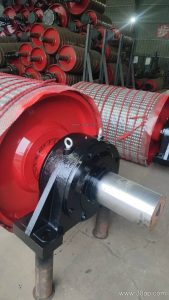
Coal dust and fines are the main enemies of a coal mine conveyor idler. Seized bearings usually announce themselves through noise or heat, and a dragging roller can wear a flat spot into the conveyor belt. Periodic inspection of the carrying and return idlers, together with checking that the belt runs centered, helps prevent unplanned stops. When replacing idlers, keep the same roller diameter and set arrangement unless the conveyor design is being changed. A conveyor pulley at the drive or tail end is a different component and is not interchangeable with an idler roller; the same applies to bend pulleys.