What Is a Discharge-End Pulley?
The discharge-end pulley is the conveyor pulley located at the head of the conveyor, where the belt unloads its material. It is often called the head pulley or unloading pulley, and it serves as both the drive point and the discharge point in many systems. In a typical arrangement, the conveyor belt wraps around this pulley, and the rotation moves the belt forward while the material is thrown off into a chute, stockpile, or transfer point. Because it handles the final transfer of the load, the discharge-end pulley must be robust enough to withstand continuous operation in demanding environments such as coal mines, cement plants, and aggregate quarries.
Construction and Key Components
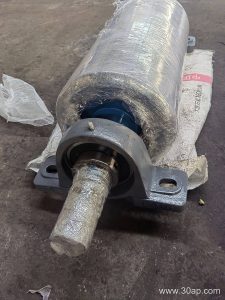
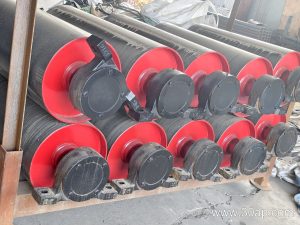
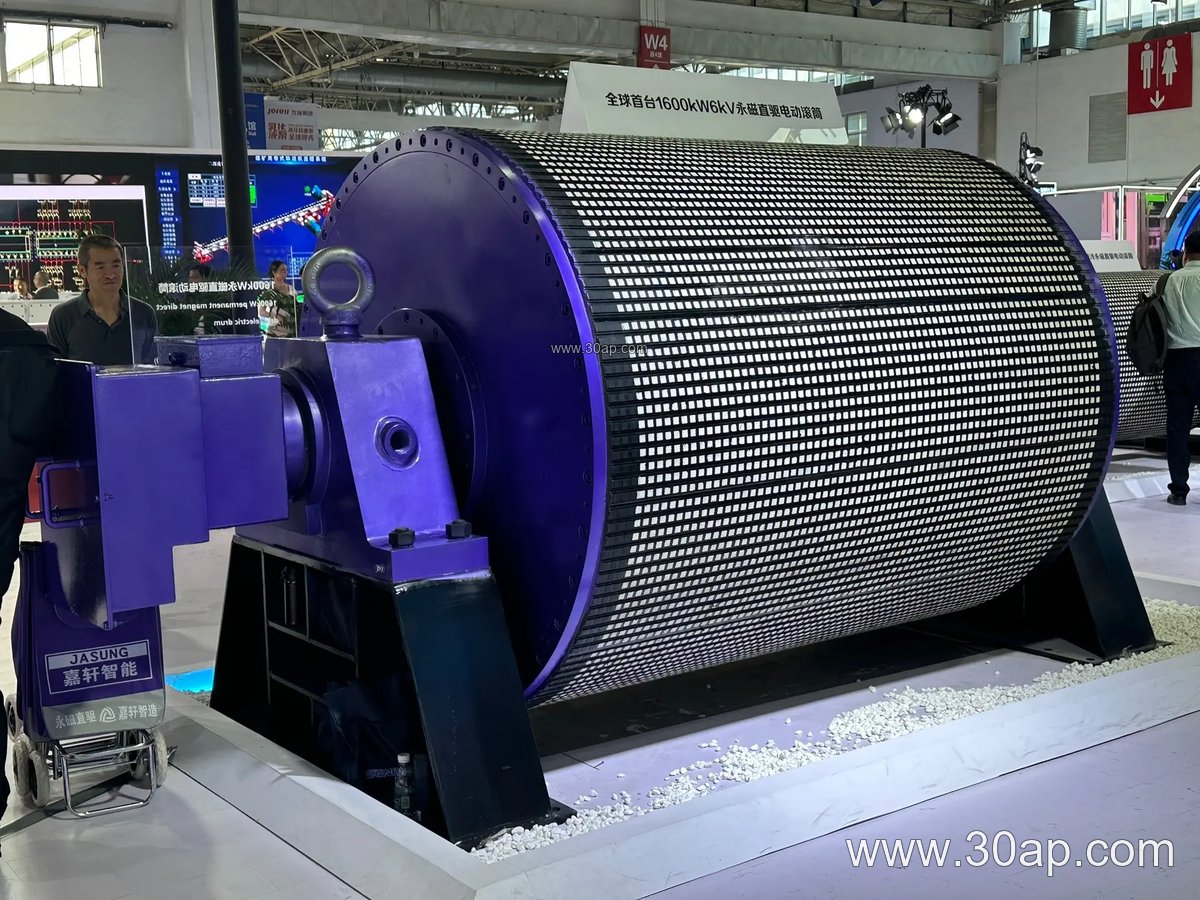
A discharge-end pulley is built around a heavy-duty cylindrical shell, typically made from rolled steel or welded steel plate. The shell is mounted on a shaft that transmits torque from the drive unit. The shaft is supported by bearings housed in bearing blocks, which are often mounted on conveyor brackets that allow adjustment and alignment. The pulley surface may be plain or covered with a lagging material to improve grip and protect the belt. Common lagging types include rubber lagging applied by cold bonding or hot vulcanization, diamond-pattern lagging for better traction in wet conditions, and ceramic lagging for high-wear applications.
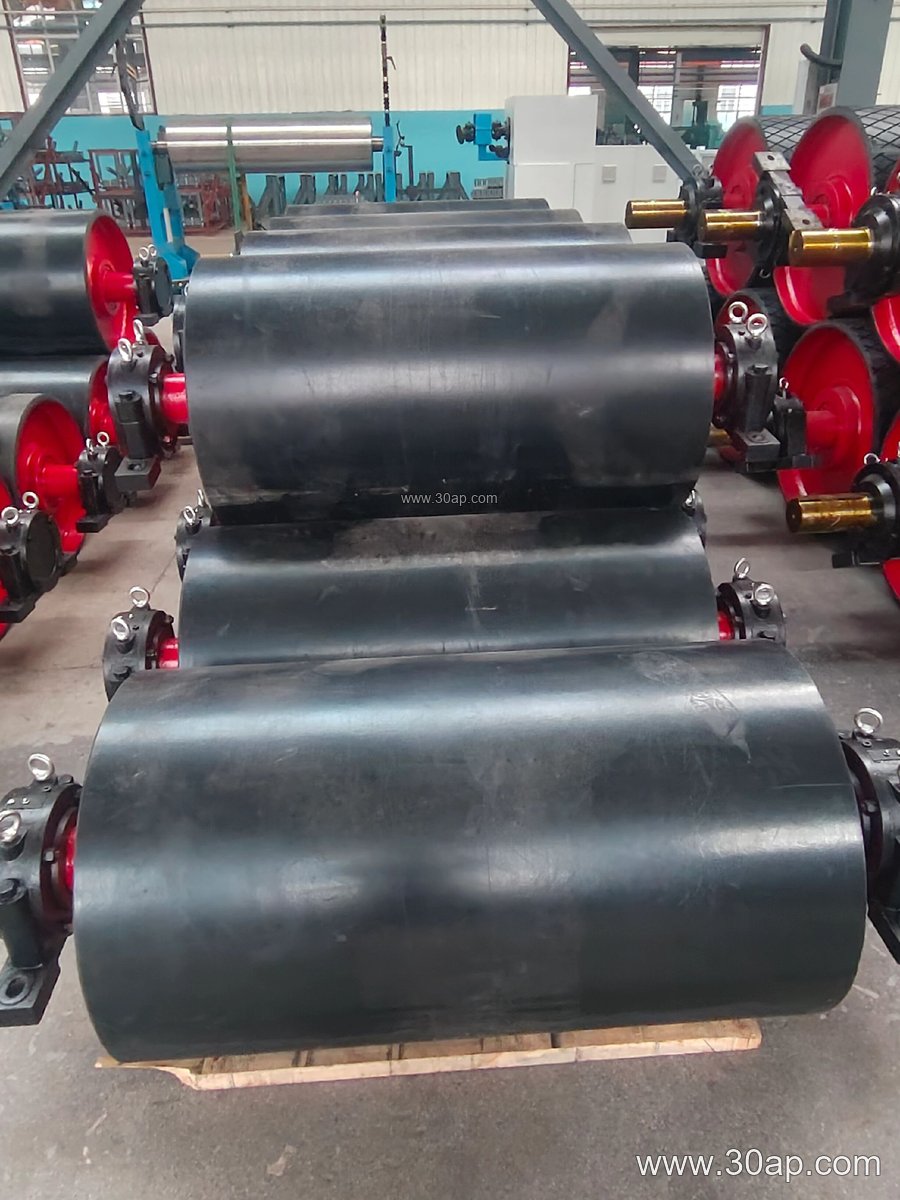
The diameter of the pulley is selected based on the belt thickness, the required torque, and the belt speed. Common diameters for discharge-end pulleys range from Ø200 mm to Ø1800 mm or more, depending on the conveyor capacity. The face width of the pulley is usually slightly wider than the belt to ensure full support; for example, a B800 belt might use a pulley face width of around 950 mm. The shaft diameter is determined by the torque and load, with typical sizes including Ø50 mm to Ø200 mm.
Where It Is Used
Discharge-end pulleys are found in a wide range of bulk material handling systems. In a coal mine, they transfer coal from the main conveyor to a stockpile or a transfer tower. In a cement plant, they handle clinker and raw materials at the discharge point. In a quarry or sand and gravel plant, they are used at the head of the main conveyor to load trucks or feed screening equipment. The pulley also appears in port bulk terminals, power plant coal handling systems, and fertilizer plants. Regardless of the industry, the discharge-end pulley ensures reliable belt tracking and efficient material release.
Selection Considerations for Buyers
When specifying a discharge-end pulley, several parameters need attention. First, the belt width and pulley diameter must be matched to the conveyor’s tension and speed requirements. A common configuration might be B1200 × Ø1000, but the diameter should be confirmed through engineering calculations rather than assumed from belt width alone. Second, the lagging type and thickness should suit the environment: rubber lagging with 10–15 mm thickness is common for general use, while ceramic lagging may be chosen for abrasive materials. Third, the shaft diameter must be sized for the transmitted torque and the bearing loads; a Ø120 mm shaft may be appropriate for a medium-duty application, but larger diameters are needed for high-torque drives.
It is also important to consider the pulley’s balance and surface finish. An unbalanced pulley can cause vibration and premature bearing failure. The surface should be machined to ensure uniform contact with the belt, and lagging should be applied without gaps or bubbles. Additionally, the pulley should be protected against corrosion with suitable coatings if used in humid or corrosive atmospheres.
Maintenance and Troubleshooting
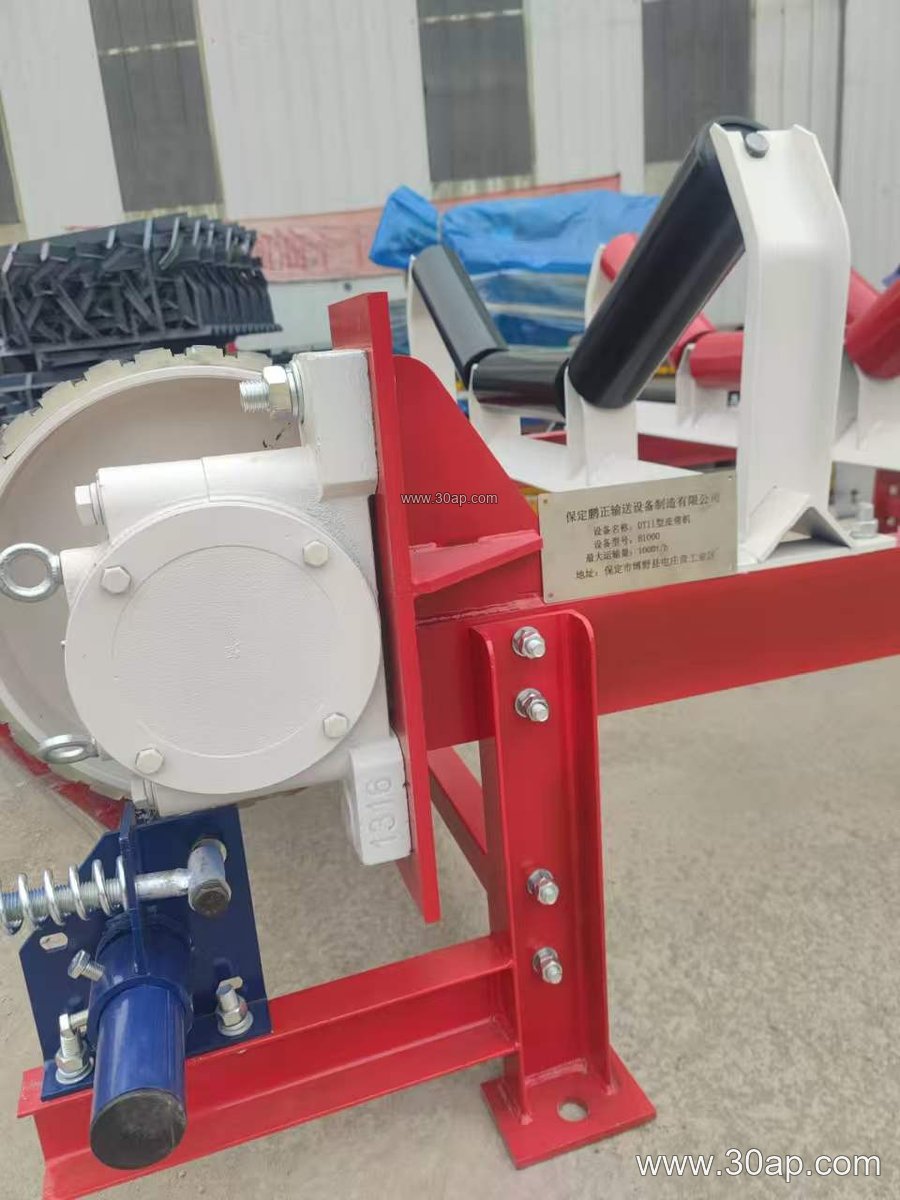
Regular inspection of the discharge-end pulley helps prevent unplanned downtime. Check the lagging for wear, cuts, or separation from the shell. Worn lagging reduces traction and can cause belt slip. Inspect the bearings for excessive noise, temperature rise, or grease leakage. Misalignment between the pulley and the belt can lead to edge wear and tracking problems; use the conveyor brackets to adjust the pulley position as needed. Keep the pulley clean, especially in dusty environments like coal handling or cement plants, because material buildup can affect balance and belt tracking.
When replacing a discharge-end pulley, verify that the new unit matches the original specifications for diameter, face width, shaft diameter, and lagging type. Consult the conveyor design documents and consider the actual operating conditions. With proper selection and maintenance, the discharge-end pulley contributes to the smooth and efficient operation of the entire conveyor system.