What a Q355 Conveyor Bracket Does on a Belt Conveyor
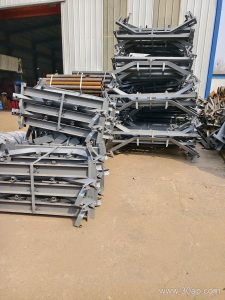
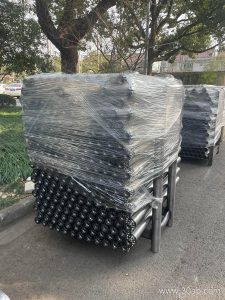
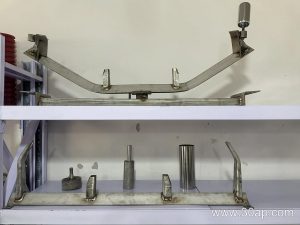
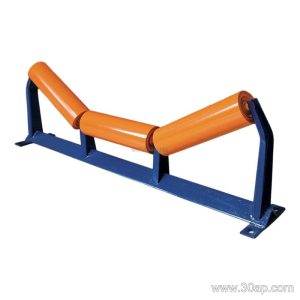
A Q355 Conveyor Bracket is the steel support that carries the idler roller sets and keeps the conveyor belt in a stable trough along the length of a conveyor. The bracket does not move the belt itself, but it fixes the geometry that the belt and rollers work inside, so it directly affects tracking, belt life, and the load the frame must carry. In a crushing and screening line, a cement plant, or a power station coal handling system, these conveyor brackets are the repeated structures you see every few metres along the stringer.
Q355 is a low-alloy structural steel with a nominal yield strength around 355 MPa, which is why fabricators choose it for brackets that must resist bending and vibration without excessive weight. The same product is often called a Q355 belt conveyor idler bracket or a Q355 roller support bracket, and the name refers to the steel grade rather than a single fixed shape.
How the Bracket Is Built
Most brackets are formed from angle steel, channel steel, or folded steel plate, then drilled or punched for mounting and welded where a gusset is needed. The common construction points are:
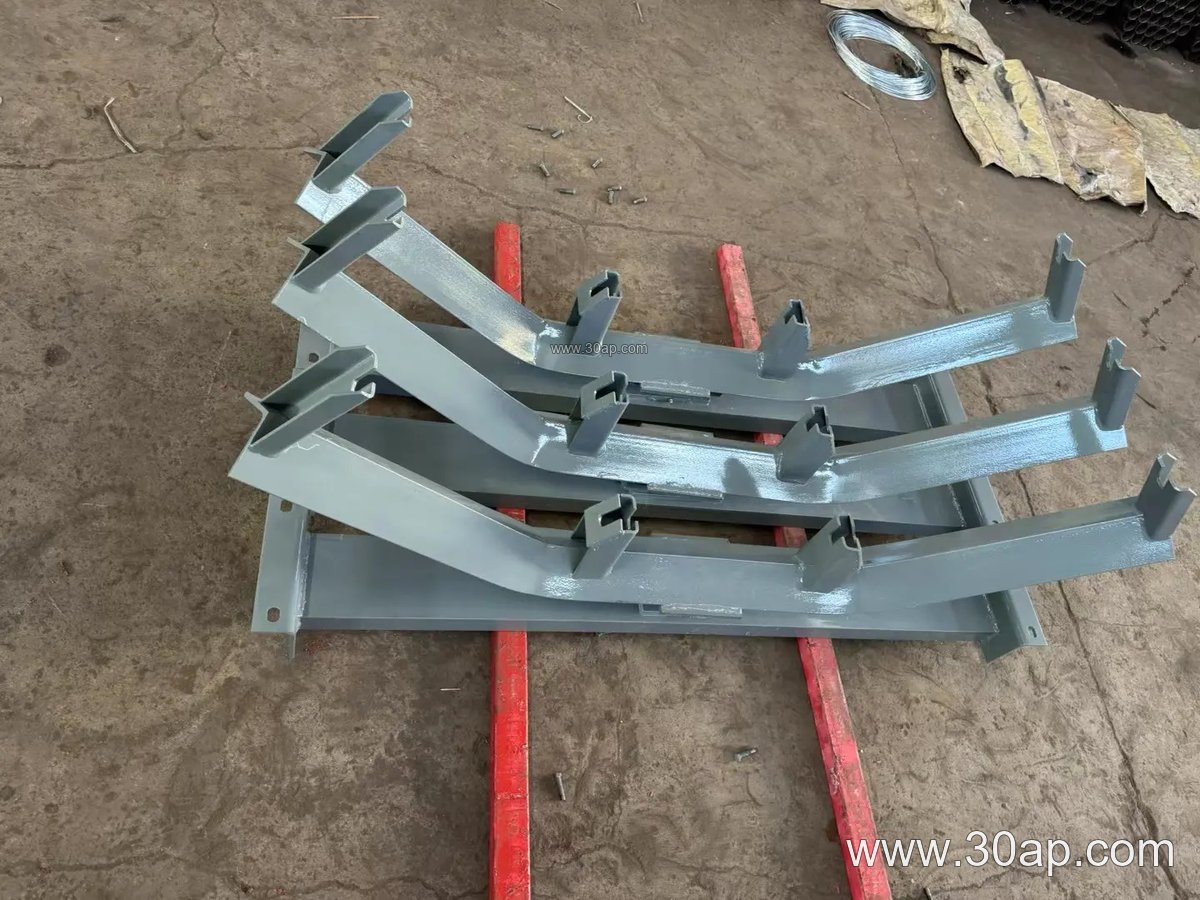
- Mounting holes sized to the idler roller shaft and the frame hole pattern
- A trough angle formed by the bracket faces that hold the side rollers
- Crossbeam length matched to the belt width and the trough angle
- Welds and reinforcement placed where the bracket meets the stringer
Hole spacing and crossbeam length are not universal. They change with belt width, trough angle, and roller diameter, so a bracket drawing should always be confirmed against the actual conveyor frame rather than assumed from one dimension.
Types of Q355 Conveyor Bracket
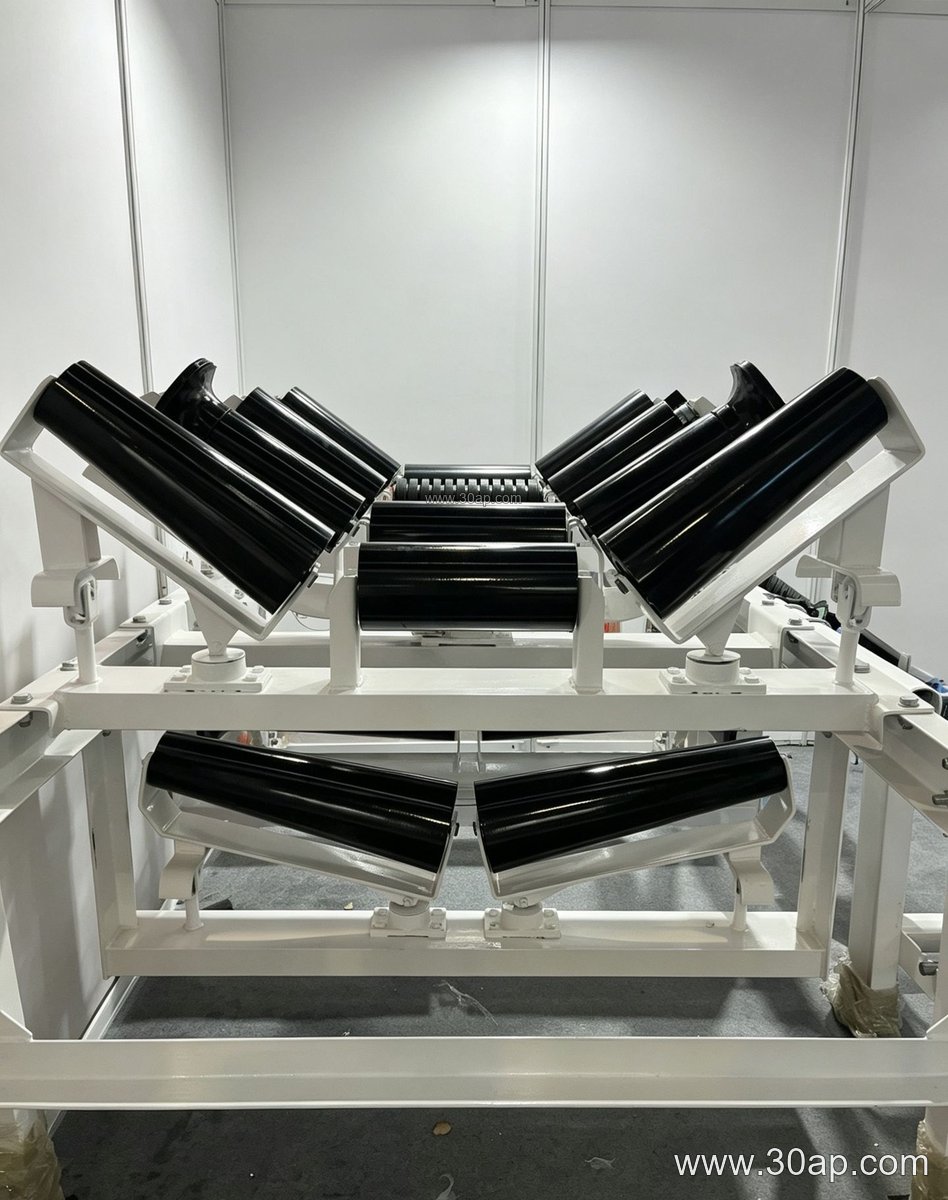
The bracket family covers several positions along the conveyor, and each position has a different job:
| Type | Position | Main function |
|---|---|---|
| Trough bracket / upper trough bracket | Carrying side | Holds three rollers in a trough and supports the loaded belt |
| Transition bracket | Near head or tail | Gradually changes the belt from flat to troughed |
| Return bracket / lower flat bracket | Return side | Supports the empty belt run |
| V-return bracket | Return side | Holds two rollers in a V to help centre the belt |
| Impact bracket | Loading point | Carries impact rollers under the feed zone |
| Self-aligning bracket | Anywhere tracking is difficult | Allows small rotation to correct belt drift |
| Hanging bracket | Light or suspended frames | Fixes roller sets without a rigid cross member |
| Adjustable bracket | Where the trough angle must change | Sets the trough angle to 20, 30, 35, or 45 degrees |
These are not interchangeable. A return bracket cannot replace a trough bracket, and a self-aligning bracket is chosen only where belt tracking needs correction. For comparison, a fixed trough bracket is simpler and cheaper, while an adjustable bracket lets a plant fine-tune the trough angle without changing the whole frame.
Trough Angle, Belt Width, and Roller Diameter
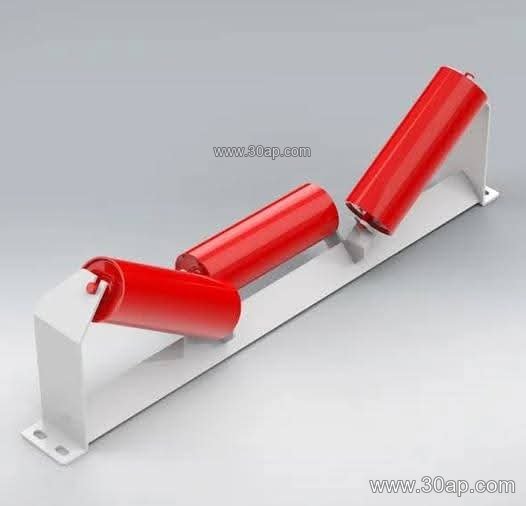
The trough angle is set by the bracket and is usually 20, 30, 35, or 45 degrees. A wider belt often uses a deeper trough for capacity, but there is no one-to-one rule between belt width and trough angle. Roller diameter also depends on load and speed, not on belt width alone.
| Reference combination | Belt width | Trough angle | Roller diameter |
|---|---|---|---|
| Small line | B650 | 30 degrees | Ø89 |
| Medium line | B800 | 35 degrees | Ø108 |
| Heavy line | B1200 | 45 degrees | Ø133 |
| Large line | B1600 | 35 degrees | Ø159 |
These are typical references, not fixed matches. Belt widths from B500 to B2200 appear in plants, and roller diameters from Ø89 to Ø194 are common. Forward-leaning brackets usually tilt about 1.5 to 2 degrees to help the belt track.
Where These Brackets Are Used
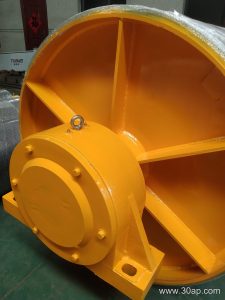
You will find Q355 conveyor brackets in limestone quarries feeding a crusher, in washing plants where wet coal loads the return run, and in cement plants moving clinker and raw meal. They also appear in power station coal yards, port loading systems, and aggregate stockpile conveyors. In each case the bracket works together with the conveyor belt, the idler roller, and the conveyor pulley, so it must match the frame and the roller set it carries.
What a Buyer Should Confirm
- Belt width, trough angle, and roller diameter, checked against the existing frame
- Mounting hole pattern and crossbeam length, taken from a drawing or site measurement
- Steel grade and plate or section thickness, since Q355 is a grade rather than a shape
- Fixed or adjustable design, and whether self-aligning or impact positions are needed
- Surface treatment suitable for the site, such as painting or galvanizing in wet or coastal areas
Ordering by belt width alone is risky. A clear drawing of the conveyor bracket, with hole centres and angle, avoids the common problem of a bracket that fits the rollers but not the stringer.