What a Conveyor Bracket Does
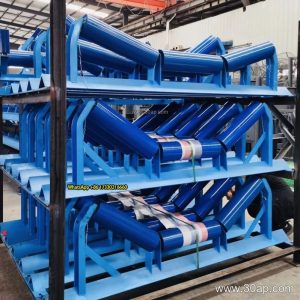
A conveyor bracket is the structural support that holds idler rollers in the correct position under and along the conveyor belt. It bridges the gap between the conveyor frame and the rotating components, keeping the belt profile stable from the load zone to the discharge. In a quarry, coal washing plant, or cement kiln feed line, the bracket is often the first part inspected after a belt tracking issue, because a loose or worn bracket will let the roller sit crooked and pull the belt off center.
Construction and Materials
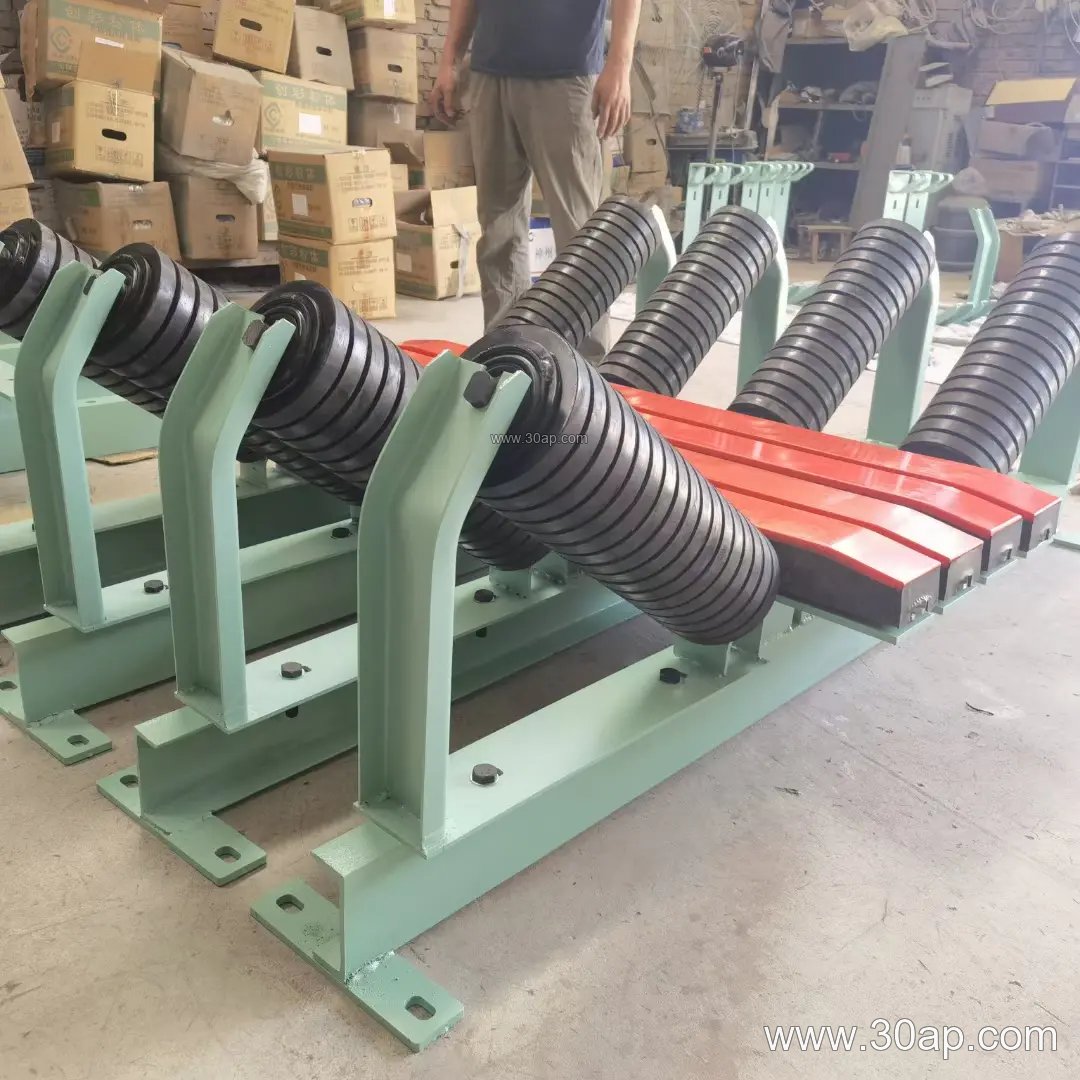
Most brackets are fabricated from angle steel, channel steel, or folded steel plate. The material choice follows the duty: a light sand and gravel line may use folded plate for easy cleaning, while a primary crusher discharge point typically calls for channel steel to resist impact and vibration. The bracket is drilled or slotted to accept the roller shaft, and the mounting hole spacing and crossbeam length are determined by the belt width and trough angle rather than being fixed numbers.
- Angle steel: common for light to medium troughing brackets
- Channel steel: used where stiffness and impact resistance matter
- Folded plate: preferred in dusty or wet areas for easier material shedding
Common Types in a Belt Line
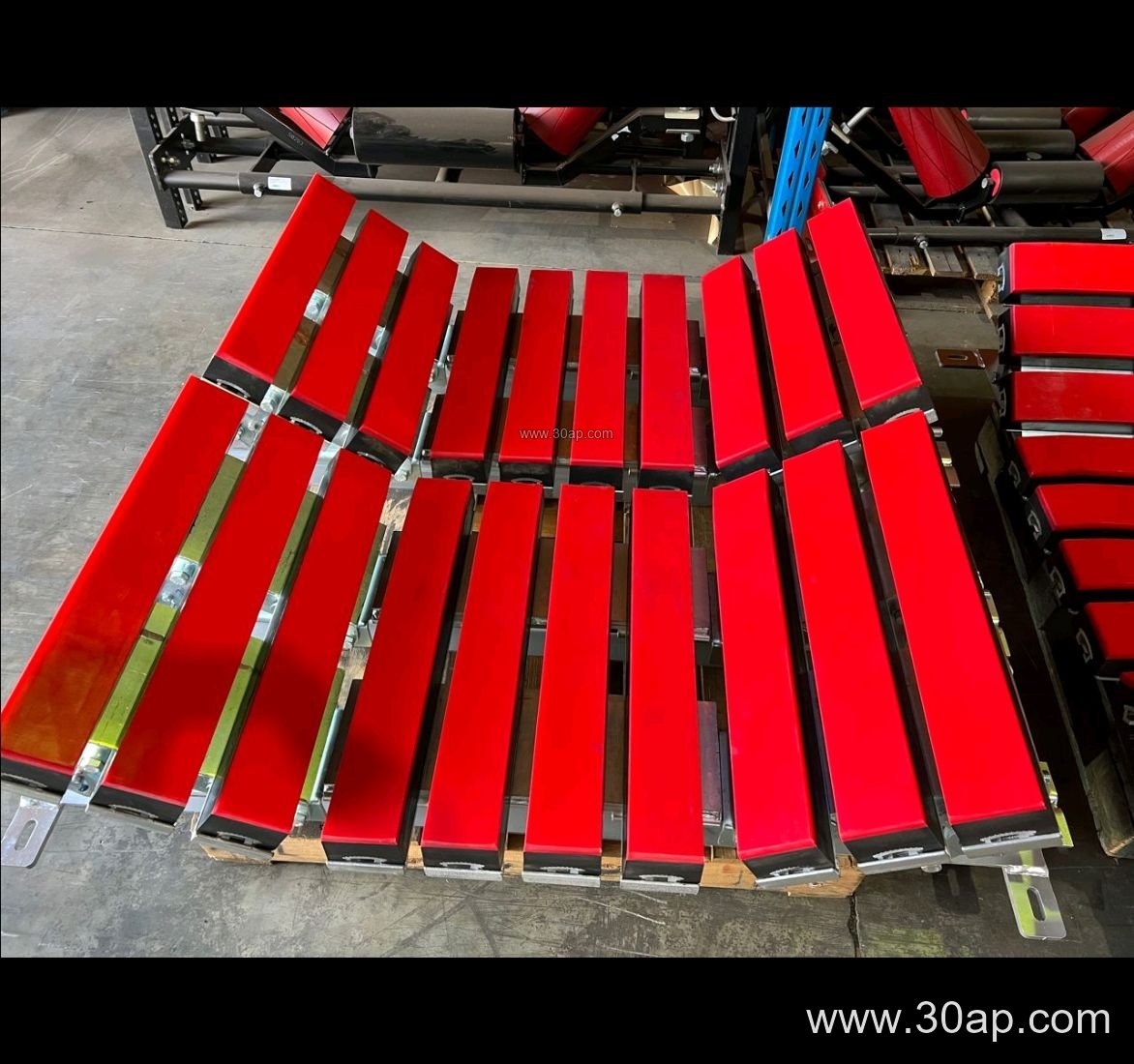
Brackets are not interchangeable across positions. A troughing bracket carries the loaded side of the belt and sets the trough angle; a return bracket supports the empty side; a transition bracket eases the belt from flat to troughed near the pulleys; and a self-aligning bracket works with training rollers to correct minor misalignment. Impact brackets are placed under loading points and are built heavier to absorb falling material. Adjustable brackets allow the trough angle to be changed on site, while fixed brackets lock in one angle.
Matching Bracket, Belt Width, and Roller Diameter
The bracket must match the belt width and roller diameter used on that conveyor. A B800 belt with a 35 degree trough and Ø108 rollers is a common combination in aggregate plants, but the same belt width can also run a different trough angle or roller size depending on the belt speed and material. The table below shows typical reference combinations, not mandatory pairings.
| Belt Width | Trough Angle | Roller Diameter | Typical Bracket Use |
|---|---|---|---|
| B500 | 20–30° | Ø89 | Light sand and gravel lines |
| B650 | 30° | Ø89–Ø108 | Small crushing and screening circuits |
| B800 | 35° | Ø108 | Aggregate and cement plant conveyors |
| B1000 | 35–45° | Ø133 | Coal handling and power plant feed |
| B1200 | 45° | Ø133–Ø159 | Heavy duty quarry and port conveyors |
| B1400–B1600 | 35–45° | Ø159–Ø194 | Iron ore and large tonnage plants |
Forward-leaning brackets, often set at about 1.5 to 2 degrees, are used to help the belt track and to reduce material spillage at the load point. Spiral roller brackets are sometimes selected where sticky material builds up on the roller surface.
Selection and Maintenance Notes
A buyer should confirm the belt width, trough angle, roller diameter, and mounting hole pattern before ordering, because the bracket is matched to the frame and roller, not chosen by belt width alone. For a conveyor pulley or idler roller change, check whether the existing bracket can accept the new shaft size. In a coal preparation plant or a limestone quarry, regular inspection of bracket bolts and welds prevents the belt from training poorly and extends roller life. Keep spare brackets for the impact and transition positions, since these see the highest stress.