What an EP Conveyor Belt Is
An EP conveyor belt is a fabric-reinforced rubber belt built around polyester warp and polyamide weft cords. The name comes from the two fiber types, and the same product is often called a polyester-polyamide conveyor belt or simply an EP belt. It is one of the most common general-purpose belts on bulk handling conveyors, sitting between all-nylon constructions and steel cord belts in strength and price.
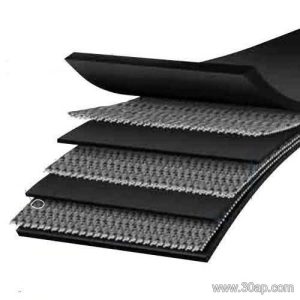
The carcass gives the belt its tensile strength and resistance to stretch, while the rubber covers protect the fabric from abrasion, impact, moisture and the material being carried.
How the Belt Is Built
The carcass is made from several layers of EP fabric, usually two to six plies, bonded together with rubber skim and frictioned into a single body. The number of plies and the fabric weight determine the belt’s strength rating, expressed as an EP number such as EP200, EP400, EP630 or EP1000.
Top and bottom covers are applied as separate layers. Cover thickness is often written as top plus bottom, for example 4+2 mm or 6+2 mm. The top cover takes most of the wear and impact, so it is usually thicker; the bottom cover runs against the idler rollers and the pulleys and is kept thinner for flexibility.
Edge construction matters as much as the center. Cut edges are sealed to limit fabric wicking, and molded edges are used where better edge stability is needed.
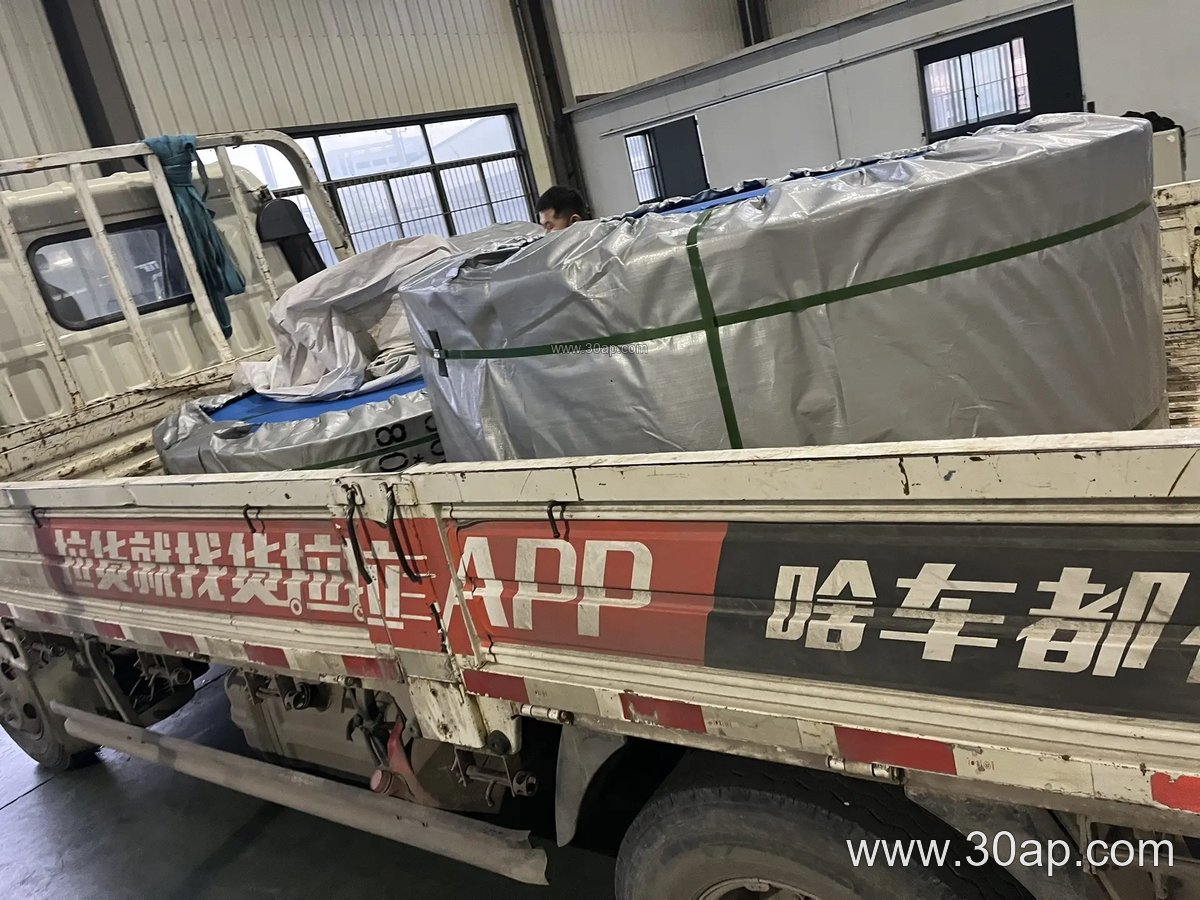
Reference Strength and Width Grades
The values below are reference data only. Actual availability, ply count and cover grade should be confirmed with the supplier for each project.
| Property | Common reference values |
|---|---|
| Strength grade | EP200, EP315, EP400, EP500, EP630, EP800, EP1000, EP1250, EP1600, EP2000 |
| Belt width | B500, B650, B800, B1000, B1200, B1400, B1600, B1800, B2000 |
| Cover thickness (top + bottom) | 3+1.5 mm, 4+2 mm, 5+2 mm, 6+2 mm, 8+3 mm |
| Carcass plies | Usually 2 to 6 layers |
Belt width and pulley diameter are separate design decisions. A wide belt does not automatically dictate one pulley size, and a shaft diameter should never be assumed from belt width alone; it comes from the conveyor design and the loads involved.
Cover Grades for Different Industries
The carcass carries the load, but the cover decides how long the belt survives in a given environment. Typical cover options include:
- Wear-resistant covers for sand, gravel and crushed stone plants where sharp aggregate abrades the surface.
- Heat-resistant covers for cement clinker, sinter and other hot materials in cement works and power plants.
- Oil-resistant covers where lubricated or oily material is handled.
- Flame-retardant and antistatic covers for coal mines and other underground or dusty, explosive-risk locations.
- Cold-resistant and acid-alkali-resistant grades for outdoor yards and chemical or fertilizer handling.
Surface patterns are also available. A patterned or chevron cover improves grip on inclines, while corrugated sidewall belts contain material on steep sections. These are variations of the same belt family, not replacements for a standard flat EP belt on a horizontal conveyor.
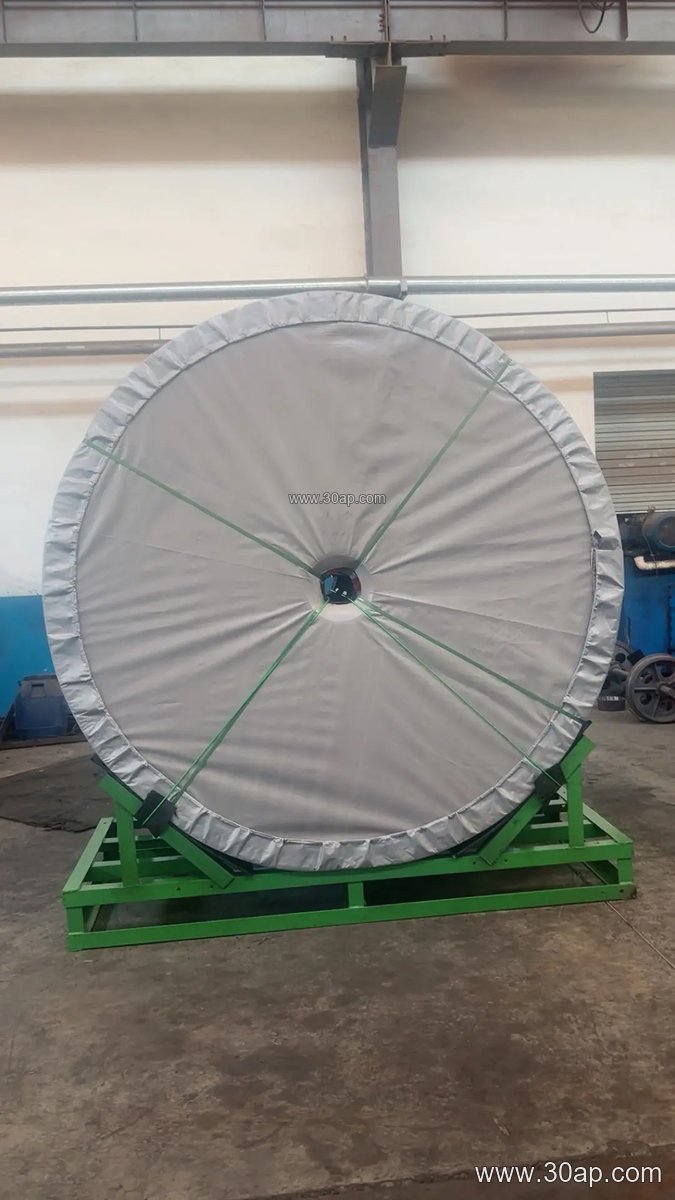
Where EP Belts Are Used
Because the polyester warp limits elongation and the polyamide weft absorbs impact, EP belts suit long horizontal runs and moderately inclined conveyors. Typical installations include:
- Mining and quarry duty moving ore and overburden.
- Coal handling from stockyard to bunker.
- Cement plants transporting limestone, clinker and additives.
- Power plant coal yards and ash handling lines.
- Sand and gravel plants, batching plants and port bulk terminals.
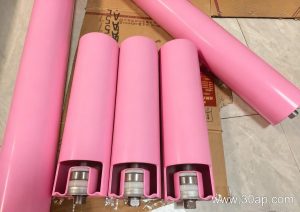
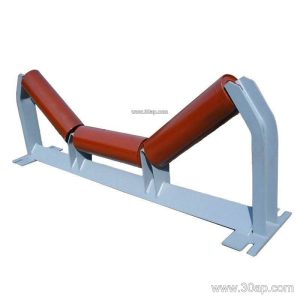
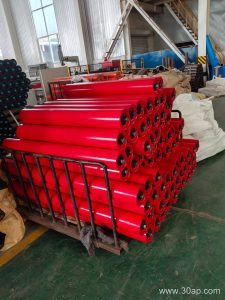
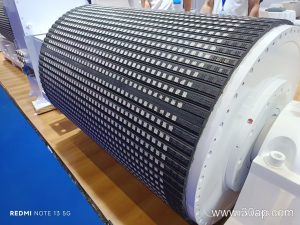
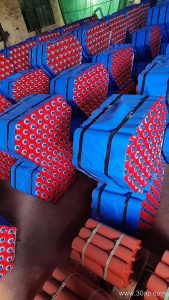
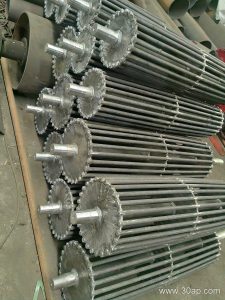
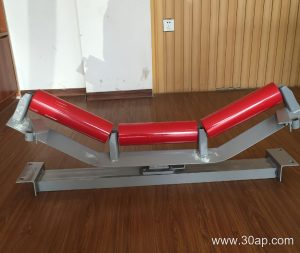
On these conveyors the belt works with conveyor pulleys at the drive and tail ends, bend pulleys on the return run, idler rollers supporting the load, and conveyor brackets holding the idlers and pulleys in place. Belt, pulleys and idlers should be selected as one system.
What a Buyer Should Check
Start with the duty: material type, lump size, temperature, moisture and any fire or oil exposure. Then confirm the required tensile strength, belt width and cover grade with the conveyor designer. Ask for the ply count, cover thickness, edge type and the recommended minimum pulley diameter for the belt construction.
For handling, specify roll length, roll weight and whether the belt will be spliced on site. Store rolls on a dry, level surface away from direct sunlight, and check that the belt tracking is correct after installation, since misalignment damages edges faster than normal wear.
Finally, compare offers on the full construction, not just the strength number. Two belts marked EP630 can differ in cover quality, ply arrangement and edge finish, and those details decide service life in a mine, cement plant or power station.