What the Discharge-End Pulley Does
The discharge-end pulley, also known as the head pulley or unloading pulley, sits at the delivery point of a belt conveyor. Its main job is to turn the conveyor belt and throw material off at the required trajectory. In a quarry, a cement plant, or a coal handling system, this pulley defines how cleanly and how far the material leaves the belt.
Unlike a drive pulley, which may also be at the head, the discharge-end pulley is identified by its position and function—not by whether it is powered. It can be a plain bend pulley used only for direction change at the discharge, but more often it is the terminal roller that carries the belt as it opens and releases the load.
Construction and Key Components
A typical discharge-end pulley is built around a steel shell, two end discs, a shaft, and a hub system. The shell may be machined to a slight crown to help the conveyor belt track centrally. The shaft is sized by torque and bending load, not by belt width alone. Common shaft diameters range from Ø50 to Ø200 mm, but final selection depends on the actual conveyor tension and pulley mass.
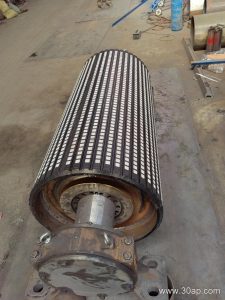
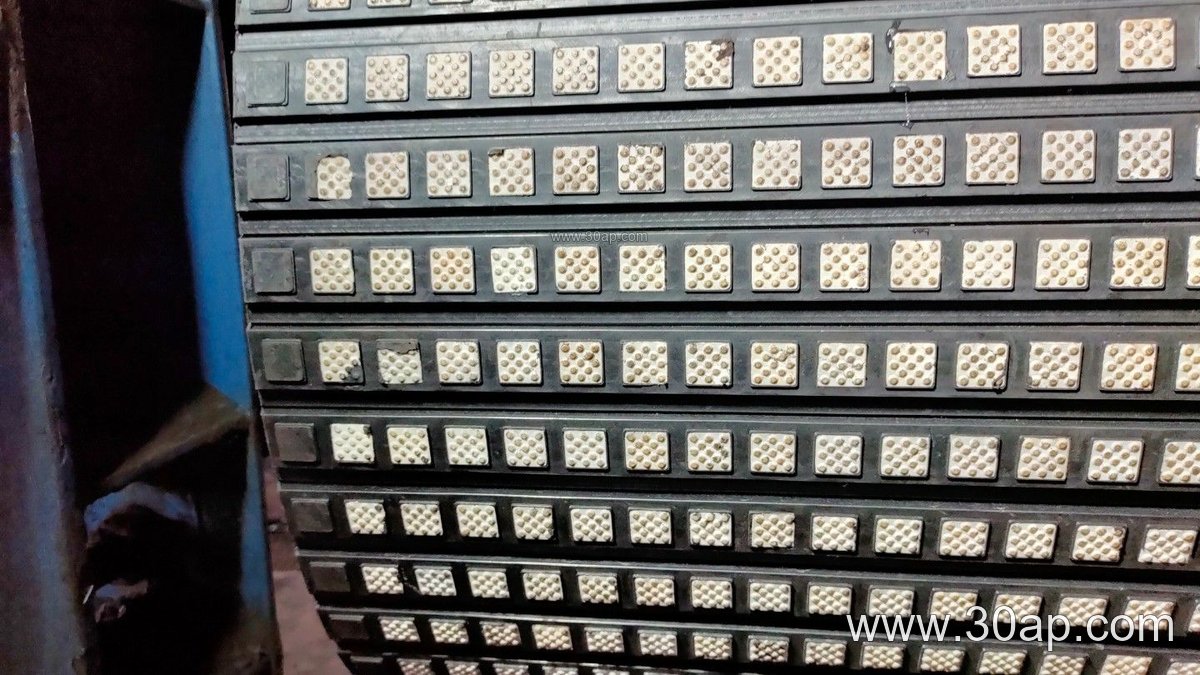
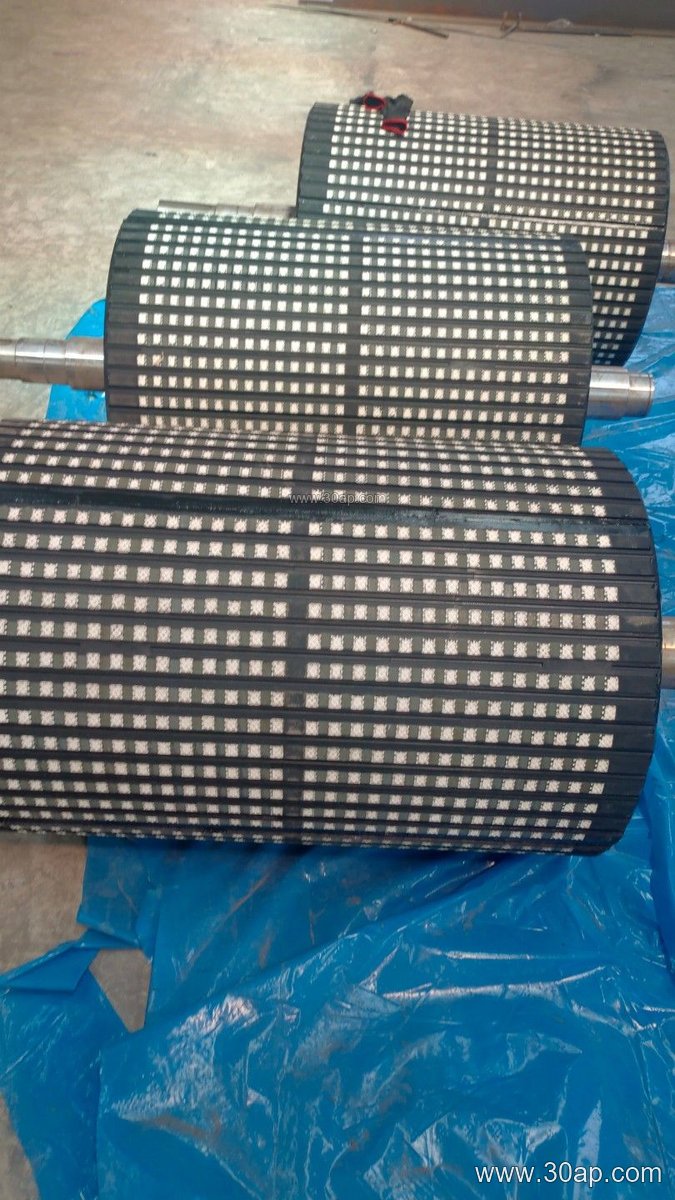
Surface treatment matters. A bare steel shell may be used for light duty, while rubber lagging—cold-bonded, hot-vulcanized, or diamond-pattern—improves grip and protects the shell from abrasive material. In a sand and gravel line, diamond rubber lagging is common because it sheds fines. In a coal mine, ceramic lagging may be chosen for higher wear resistance. Lagging thickness is often 8, 10, 12, 15, or 20 mm.
Common Configurations
- Plain steel shell with no lagging
- Rubber lagged with flat or diamond surface
- Ceramic lagged for severe abrasion
- Wing pulley for sticky material release
Where It Is Used
You will find discharge-end pulleys in many bulk handling operations. Two common examples are a limestone mine feeding a crushing plant and a power plant coal conveying system. In both cases, the pulley must handle continuous material flow and keep the conveyor belt aligned as it leaves the head.
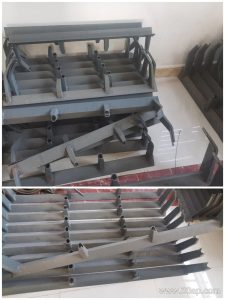
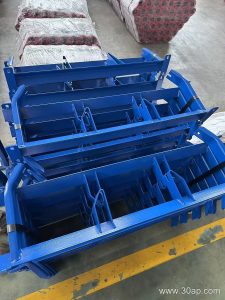
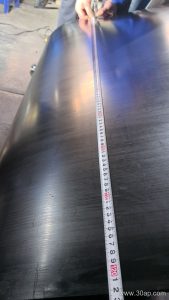
The pulley works together with the conveyor belt, idler rollers, and conveyor brackets. The discharge point often has a chute or a skirt, but the pulley itself controls the belt path. If the pulley is too small, the belt may crack or the material may not release cleanly. If it is too large, the whole head structure becomes heavier and more costly.
Typical Size Ranges
The following table shows common combinations. These are reference values, not fixed rules. A belt width does not dictate a single pulley diameter.
| Belt Width (mm) | Common Pulley Diameter (mm) | Typical Shaft Diameter (mm) | Face Width (mm) |
|---|---|---|---|
| B400 | Ø200–Ø315 | Ø50–Ø70 | ~500 |
| B650 | Ø315–Ø500 | Ø60–Ø90 | ~750 |
| B800 | Ø400–Ø630 | Ø70–Ø100 | ~950 |
| B1000 | Ø500–Ø800 | Ø80–Ø120 | ~1150 |
| B1200 | Ø630–Ø1000 | Ø90–Ø140 | ~1400 |
| B1400 | Ø800–Ø1250 | Ø100–Ø160 | ~1600 |
| B1600 | Ø1000–Ø1400 | Ø120–Ø180 | ~1800 |
Face width is usually greater than belt width to allow for belt wander. For example, a B1200 conveyor might use a pulley face of about 1400 mm. Diameter choices like Ø500, Ø630, Ø800, Ø1000, or Ø1250 are common, but each project should be checked against belt tension and material characteristics.
What a Buyer Should Know
When specifying a discharge-end pulley, start with the belt width, then consider the required diameter for belt fatigue life. Larger diameters reduce bending stress on the conveyor belt, especially for high-tension or thick belts. The shaft diameter must be calculated from the actual torque and radial load—never assume a fixed shaft size just from belt width.
Ask about the lagging type and thickness. For a quarry or a cement plant, rubber lagging is often enough. For a coal mine or a sinter plant with sharp material, ceramic or thick rubber may be better. Also confirm the balancing grade, bearing type, and whether the pulley is to be supplied with a keyed shaft or a locking assembly.
Finally, remember that a discharge-end pulley is not the same as a drive pulley, tail pulley, or bend pulley. Each has a different role. A bend pulley may only change direction, while a tail pulley often handles tension. The discharge-end pulley is at the delivery point, and its design should match the material trajectory and the conveyor belt path.