What a Guide Roller Does on a Conveying Line
A guide roller is a small but important rotating component that keeps a conveyor belt running in the correct path. It is often found near the loading zone, before the head pulley, or along sections where the belt tends to drift. Unlike a drive pulley that transmits power, or a tail pulley that changes the belt’s return direction, a guide roller mainly controls lateral movement. In quarries, coal preparation plants, cement kilns and power station coal yards, belt misalignment can cause spillage, edge damage and premature wear. A well-placed guide roller helps reduce those problems by gently steering the belt back toward the center line.
The product is also known as a belt guide roller or a self-aligning roller in some catalogues. It should not be confused with a bend pulley, which changes the belt’s vertical direction, or with a standard idler roller that only supports the belt’s weight. Each of these components has a different job, and replacing one with another usually leads to poor tracking and higher maintenance costs.
Construction and Common Surface Options
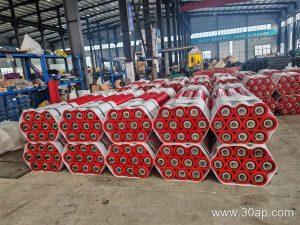
Most guide rollers are built around a steel tube body with bearing housings at both ends. The shaft is fixed to the conveyor bracket, while the roller shell rotates with the belt. Common roller diameters include Ø63, Ø76, Ø89, Ø102, Ø108, Ø127, Ø133, Ø159, Ø178 and Ø194 mm. The choice depends on belt width, load and space available. Bearing sizes such as 6204, 6205, 6305, 6306 and 6308 are frequently used, but the bearing is matched to the roller design, not to a single belt width.
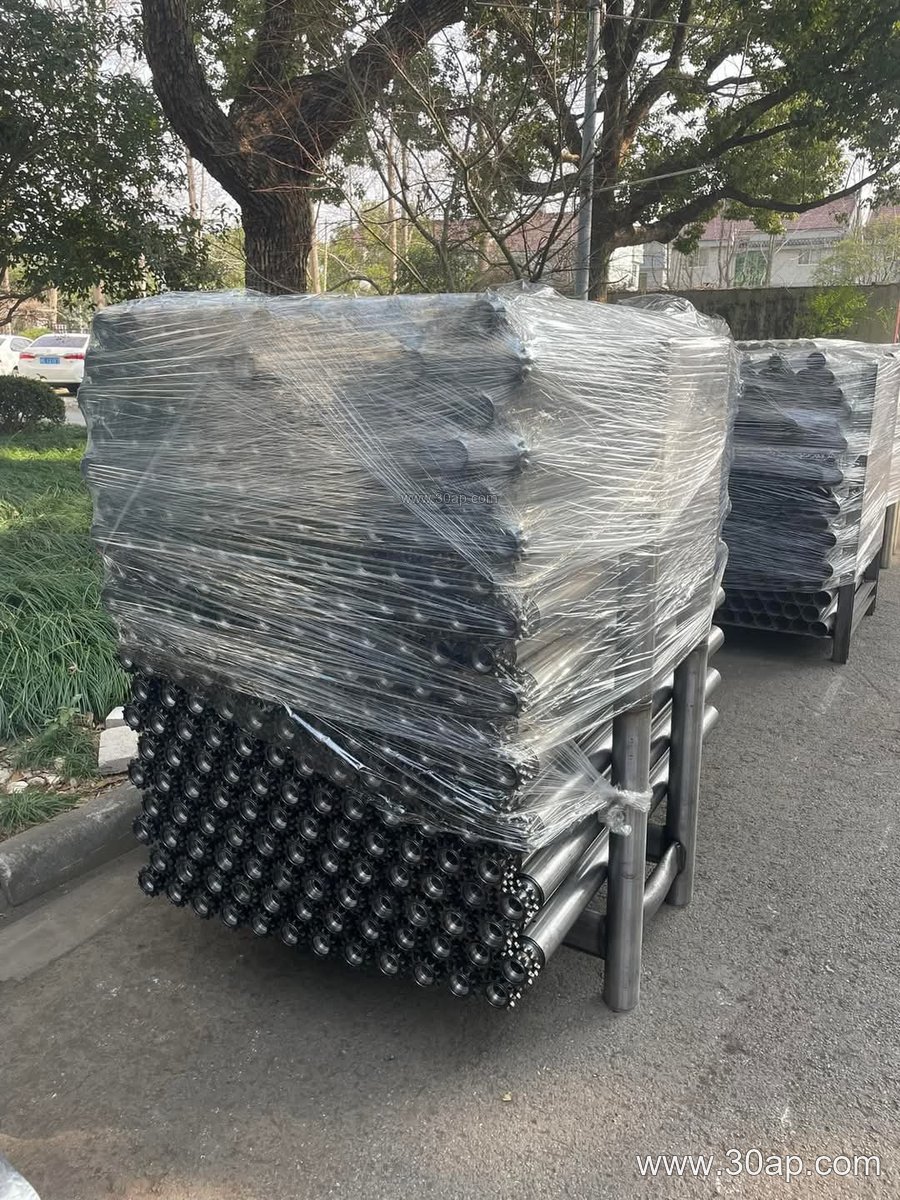
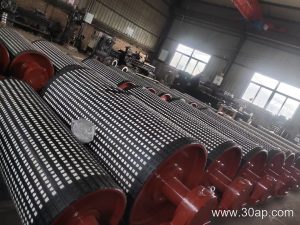
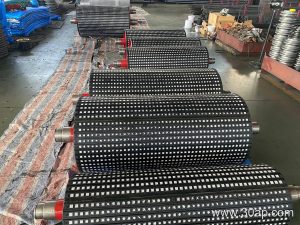
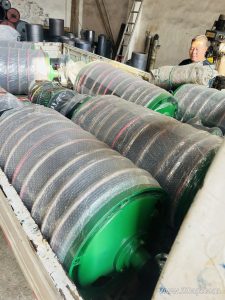
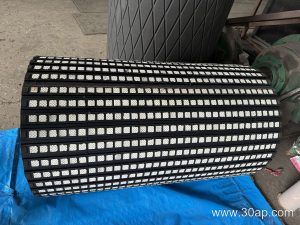
Surface forms vary with the application. A plain steel tube is common in dry, abrasive conditions. Rubber rings or ceramic coatings can improve grip and reduce slippage on wet or muddy belts. Nylon rollers are sometimes chosen where noise and weight matter. In dusty cement plants or coal handling systems, good sealing is critical because fine particles can enter the bearing and cause early failure.
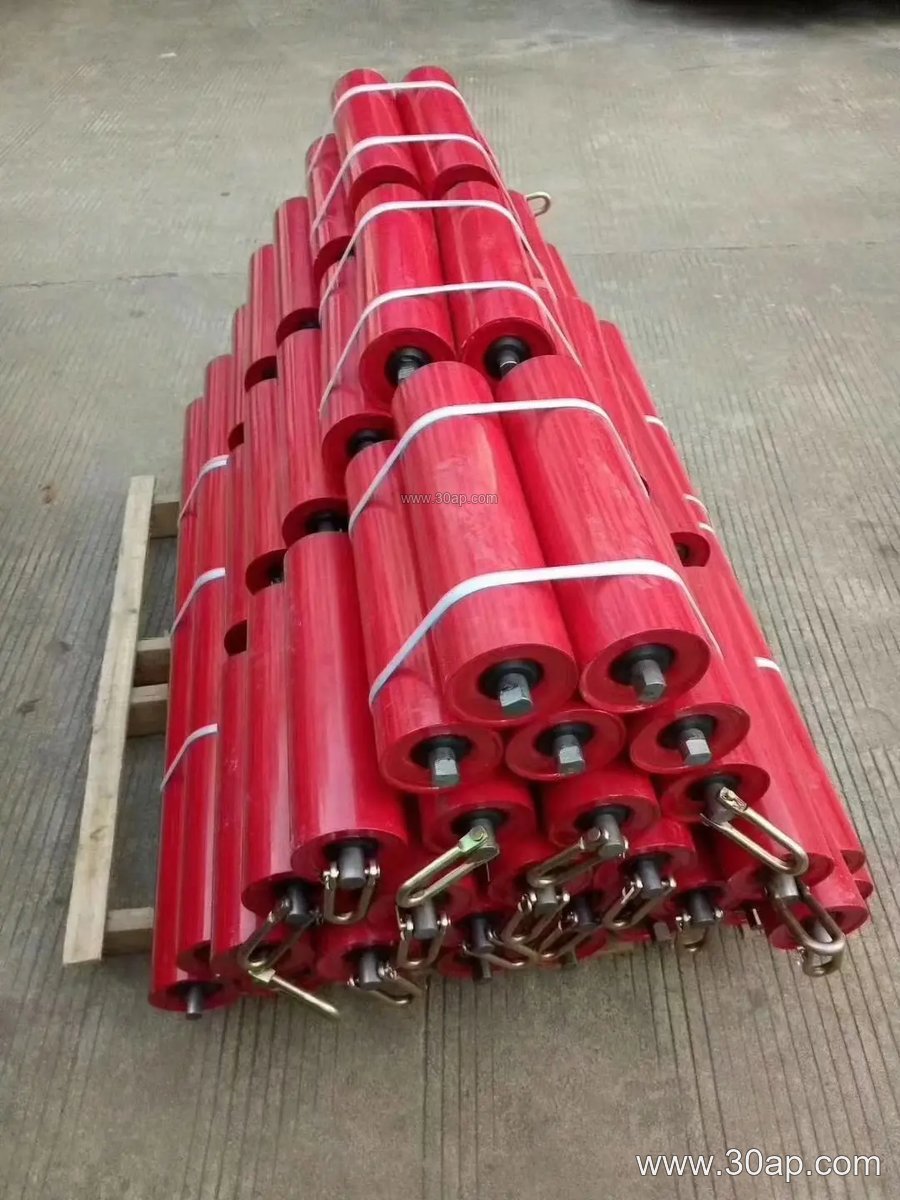
Where It Fits in a Bulk Material Handling System
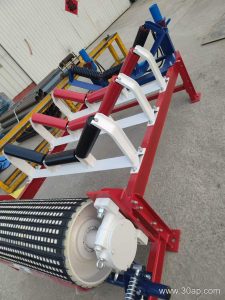
Guide rollers appear in many industries. In a limestone quarry, they may be installed on the return strand to stop the belt from rubbing against the frame. In a coal-fired power plant, they help keep the conveyor belt centered as it passes through transfer towers. Sand and gravel lines, iron ore concentrators and fertilizer plants also use them. The roller is usually mounted on a conveyor bracket that allows adjustment. Proper alignment during installation matters more than the roller itself in many cases.
For comparison, a troughing idler set supports the loaded belt and forms the material profile, while a guide roller corrects tracking. A drive pulley pulls the belt, and a tail pulley provides the return. These are not interchangeable, and a guide roller should never be used as a substitute for a drive or tail pulley.
Selection Points for Buyers
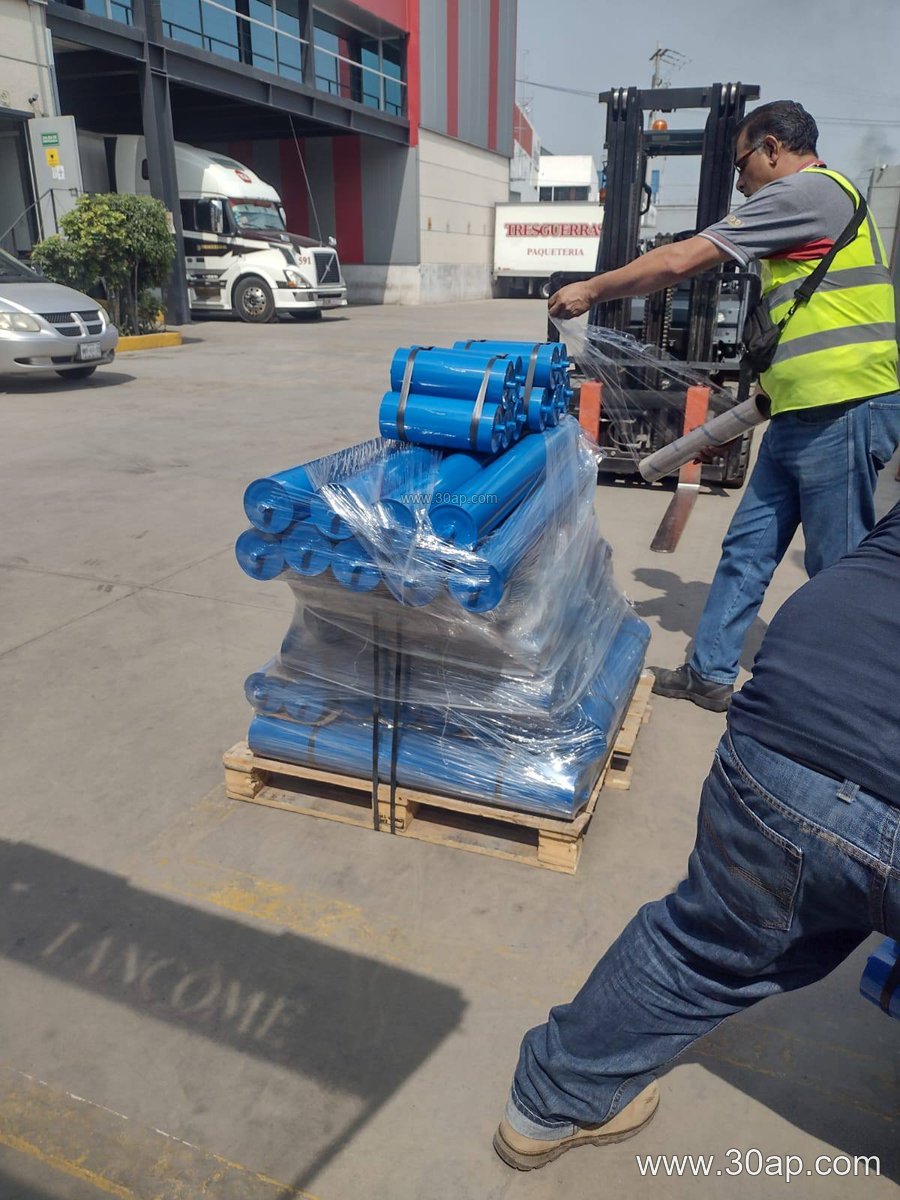
When choosing a guide roller, consider belt width, roller diameter, shaft size, bearing type and environmental conditions. Common belt widths include B400, B500, B650, B800, B1000, B1200, B1400, B1600 and B1800. A wider belt generally needs a larger roller diameter and a stronger shaft, but there is no universal rule that one belt width must use one specific roller diameter. The table below shows typical reference values, not fixed combinations.
| Belt Width | Common Roller Diameter Range | Typical Bearing Options |
|---|---|---|
| B500 | Ø63 to Ø89 mm | 6204, 6205 |
| B650 | Ø76 to Ø108 mm | 6205, 6305 |
| B800 | Ø89 to Ø133 mm | 6305, 6306 |
| B1000 | Ø108 to Ø159 mm | 6306, 6308 |
| B1200 | Ø127 to Ø178 mm | 6308, 6310 |
| B1400 | Ø133 to Ø194 mm | 6310 |
Other factors include the roller surface. Rubber-covered rollers are useful in wet or slippery conditions, while ceramic rollers resist abrasion in sinter plants and clinker lines. Sealed bearings are preferred in dusty environments such as coal mines and cement mills. The operating speed, load and ambient temperature also affect the final choice.
Maintenance and Troubleshooting
Regular inspection helps extend guide roller life. Check for belt drift, unusual noise, seized bearings and uneven wear on the roller shell. A roller that no longer turns freely can flat-spot the belt and increase power consumption. Lubrication is not always possible on sealed units, so replacement is often the practical solution. Keeping the conveyor bracket clean and aligned reduces the load on the roller and helps the belt run true.
In summary, a guide roller is a focused tracking component that works alongside idlers, pulleys and brackets to keep a conveyor belt stable. Selecting the right diameter, bearing and surface for the site conditions is the key to reliable performance in mining, cement, power and aggregate operations.