What a Discharge-End Pulley Does
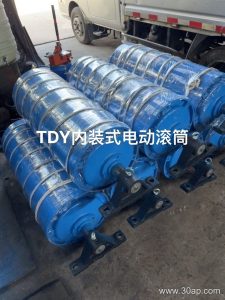
At the delivery point of a belt conveyor, the discharge-end pulley is the rotating drum that releases the belt from its forward path and throws the carried material into the next chute, bin, or stockpile. It is also known as the head pulley or delivery pulley, and in many layouts it is the same component as the drive pulley that transmits motion to the conveyor belt. The discharge-end pulley therefore has two jobs at once: it turns the belt and it sets the trajectory of the material leaving the system.
Because it sits at the head of the conveyor, this drum often works under the highest belt tension in the whole line. Its position, diameter, and surface condition directly affect belt tracking, material throw, and wear on both the belt and the pulley shell.
Construction and Surface Options
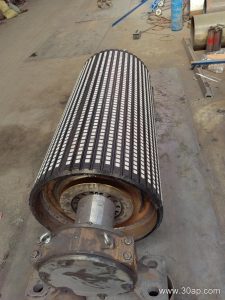
A discharge-end pulley is built around a steel cylindrical shell, with end discs, a shaft, and a hub arrangement that connects shell to shaft. The shaft is supported by bearings in plummer blocks or a conveyor bracket on the machine frame. Shell thickness, shaft diameter, and bearing size are determined by the calculated torque and load, not by belt width alone.
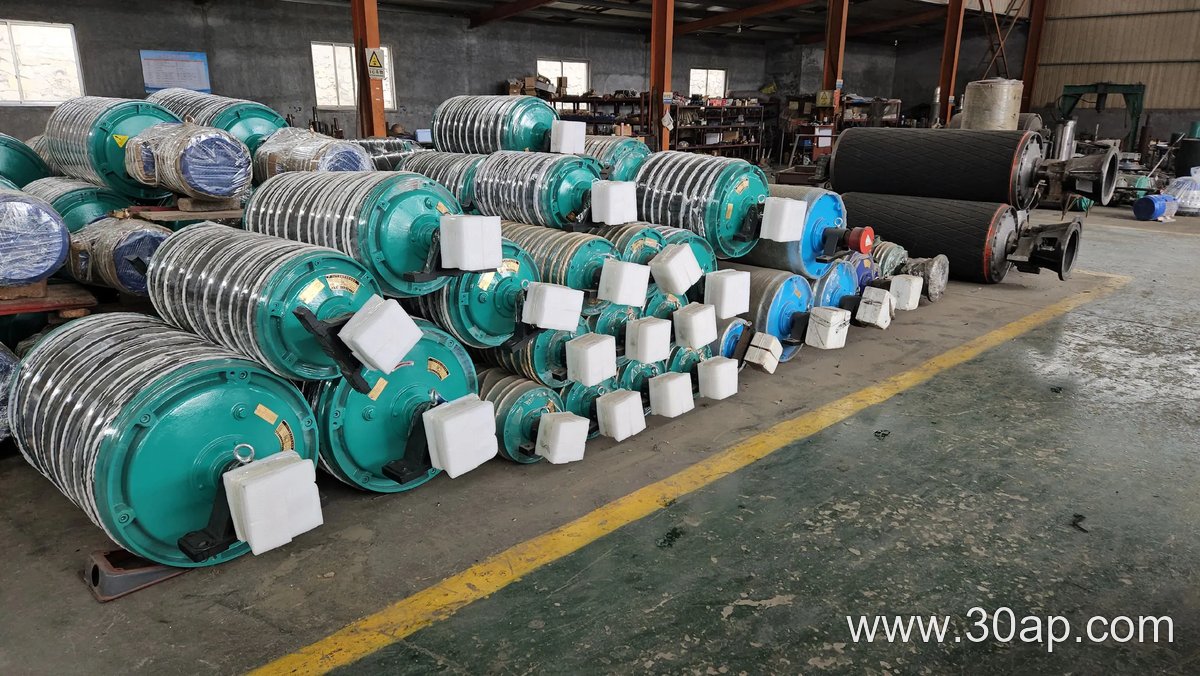
The surface of the drum may be supplied in several forms to suit the duty. Common choices include:
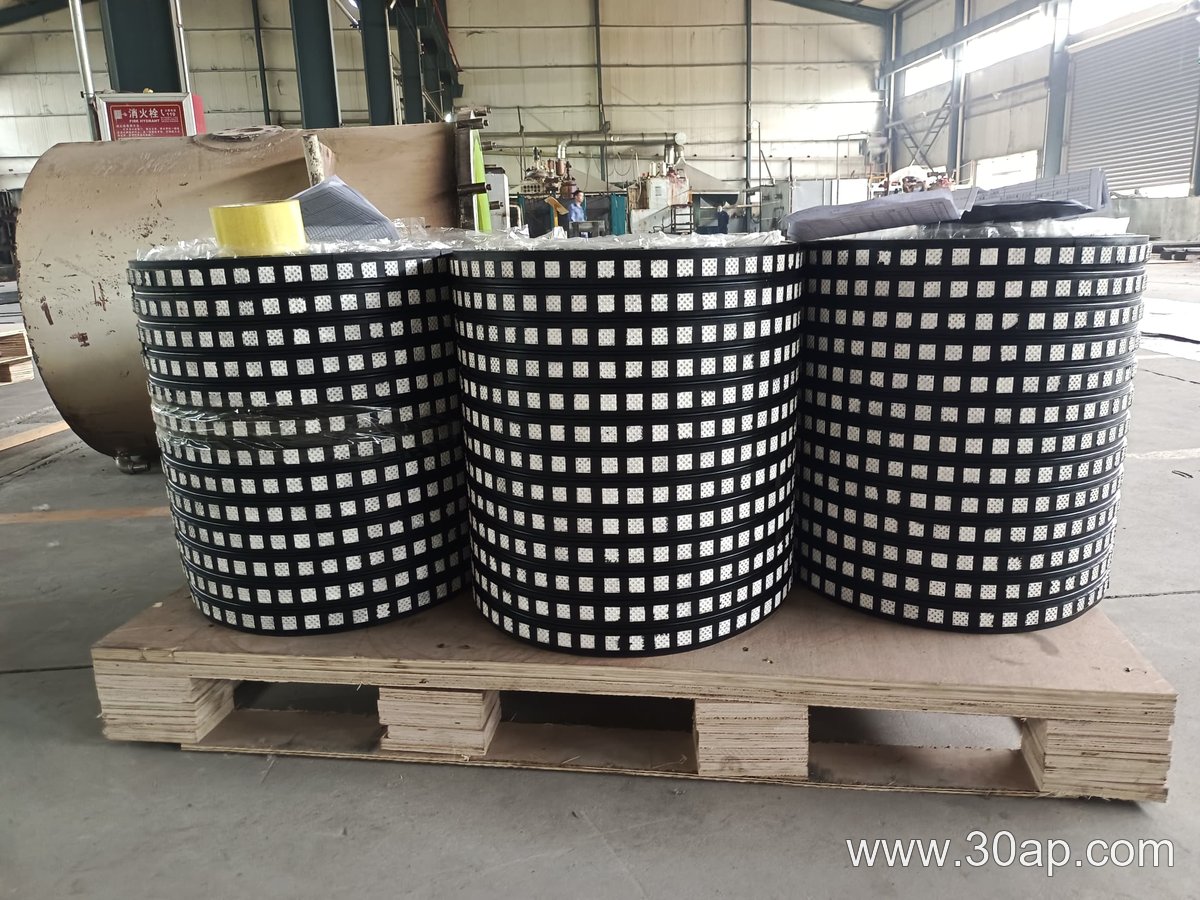
- Plain or smooth finish for light, clean, low-traction duties.
- Diamond rubber lagging for general grip and water shedding.
- Herringbone or chevron lagging for better traction and self-cleaning on wet or dusty belts.
- Ceramic lagging for abrasive, high-slip conditions.
- Hot vulcanized or cold bonded rubber in thicknesses such as 8, 10, 12, 15, or 20 mm.
Lagging is not only about friction. It also protects the shell from abrasive material and can reduce belt slip at the head end. The right choice depends on material type, moisture, belt speed, and the amount of wrap around the pulley.
Typical Dimensions and Their Meanings
Discharge-end pulleys are usually selected by belt width and by the required diameter for belt life and material trajectory. The table below gives common reference pairings; actual values are always set by the conveyor design.
| Belt width | Common pulley face width | Example diameter range |
|---|---|---|
| B400 | about 500 mm | Ø200 to Ø400 |
| B650 | about 750 mm | Ø250 to Ø500 |
| B800 | about 950 mm | Ø315 to Ø630 |
| B1000 | about 1150 mm | Ø400 to Ø800 |
| B1200 | about 1400 mm | Ø500 to Ø1000 |
| B1400 | about 1600 mm | Ø630 to Ø1250 |
| B1600 | about 1800 mm | Ø800 to Ø1400 |
| B1800 | about 2000 mm | Ø1000 to Ø1600 |
| B2000 | about 2200 mm | Ø1250 to Ø1800 |
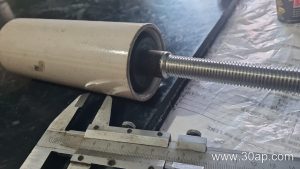
Shaft diameters commonly range from Ø50 to Ø200 mm or more, with values such as Ø80, Ø100, Ø120, Ø140, Ø160, and Ø180 used on medium and large conveyors. A larger diameter reduces belt bending stress and can improve material throw, but it also changes the chute and frame layout, so the whole head station must be reviewed together.
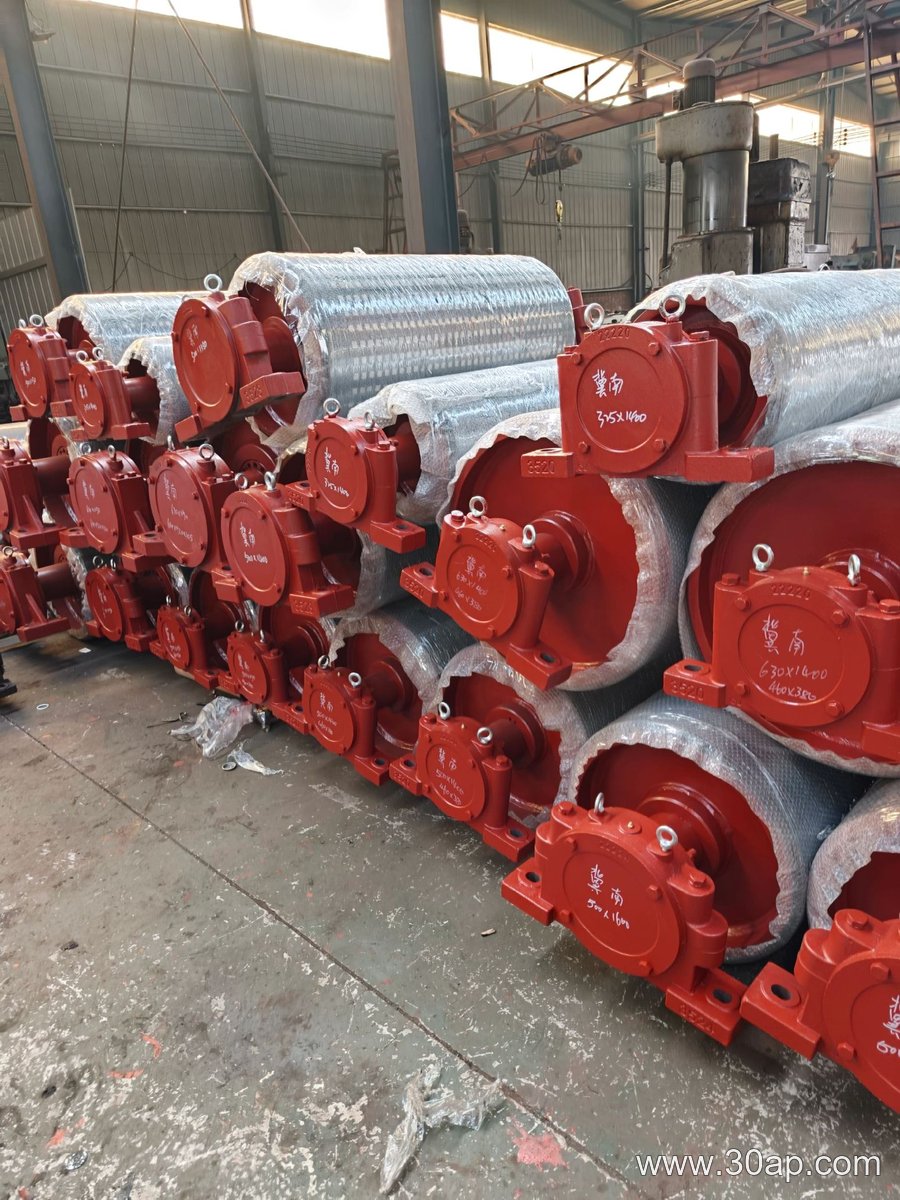
A typical specification might be written as B1200 × Ø1000 with 12 mm diamond lagging, or B800 × Ø500 with a plain finish. These are examples, not fixed rules. The same belt width can work with more than one pulley diameter depending on belt tension, speed, and space.
Where It Is Used
You will find the discharge-end pulley at the delivery end of belt conveyors in many bulk handling operations. In a quarry or sand and gravel plant, it throws crushed rock onto a stockpile or into a screen feed chute. In a coal preparation plant or power station coal yard, it delivers coal to a bunker or transfer tower. In a cement plant, it may discharge clinker or limestone to a crusher or silo. Other common sites include iron and copper mines, sinter plants, fertilizer plants, and port bulk terminals.
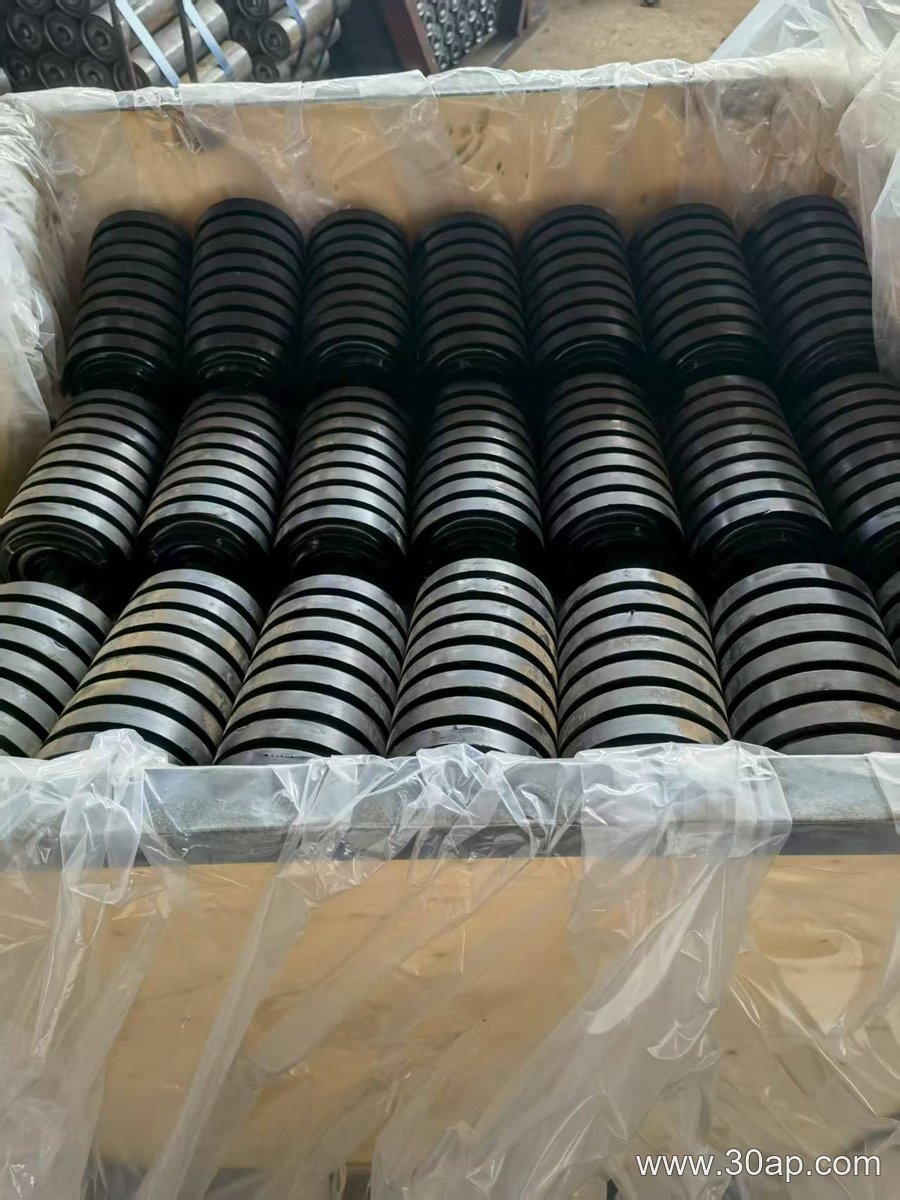
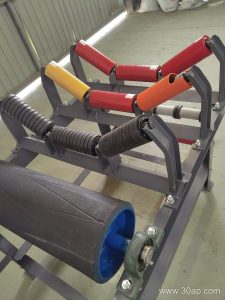
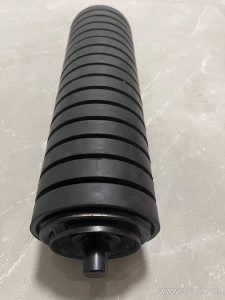
In all these places, the pulley works together with the conveyor belt, carrying idlers, return idlers, and the supporting frame. A misaligned or worn discharge-end pulley can cause belt mistracking, spillage, and uneven wear, so it is often inspected together with the idler roller sets and the conveyor bracket that holds the bearing housings.
What a Buyer Should Check
When specifying a discharge-end pulley, the following points help avoid mismatches:
- Belt width and required face width, so the belt is fully supported.
- Required diameter for belt life, speed, and material trajectory.
- Shaft diameter and bearing size based on torque and load, not belt width alone.
- Lagging type and thickness for the material and moisture conditions.
- Balance and runout, especially for higher belt speeds.
- Mounting arrangement and compatibility with the existing conveyor bracket.
It also helps to confirm whether the pulley will be a driven head pulley or a non-driven delivery drum. Drive, tail, and bend pulleys are not interchangeable names, and a discharge-end pulley should not be ordered as a tail or bend pulley. The correct description includes the drum’s position in the conveyor, its dimensions, its surface, and the duty it must handle.
Regular maintenance includes checking lagging wear, bearing condition, and alignment. A worn lagging surface can be re-coated or replaced, while a damaged shell or shaft usually means a new pulley. Keeping the discharge-end pulley in good condition helps protect the conveyor belt and keeps material flow steady at the head end.