What a Nylon Idler Brings to the Belt Line
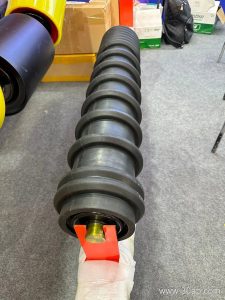
A nylon idler is a conveyor roller whose outer shell is made from nylon rather than the more common steel tube. In the field it is also called a nylon idler roller or nylon conveyor roller, and it belongs to the same family as the steel idler roller, just with a different wear surface. The nylon shell is usually fitted over a bearing housing and shaft, so the roller spins freely while the conveyor belt rides on top. Because nylon is lighter than steel and resists sticking, these rollers are often chosen where belt tracking, noise, or material build-up are concerns.
How the Roller Is Put Together
The construction is straightforward. A nylon tube forms the roller body, with bearing seats machined or moulded at each end. Common bearing sizes include 6204, 6205, 6305, 6306, 6308, and 6310, matched to the shaft and load of the application. The bearing is protected by a seal, which matters a lot in dusty or wet conditions. A shaft runs through the middle, and the whole assembly is held in a conveyor bracket or frame. Nylon idlers are often used as carrying idlers on the top run and as return idlers underneath, depending on the frame design.
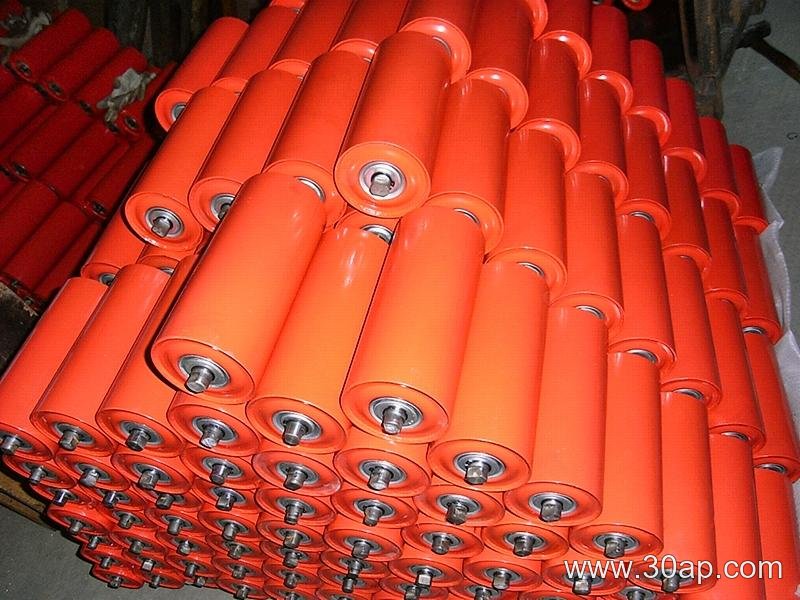
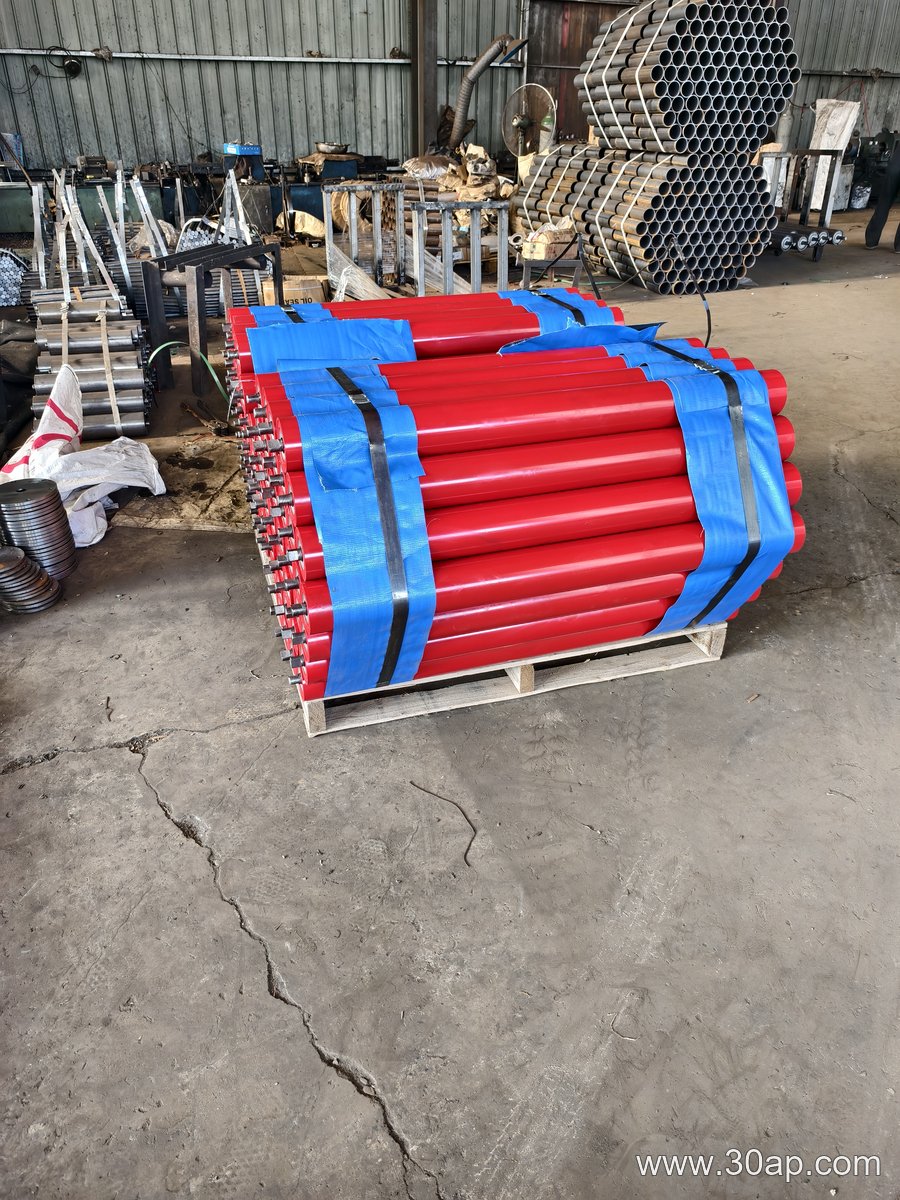
Where Nylon Idlers Fit in a Conveyor
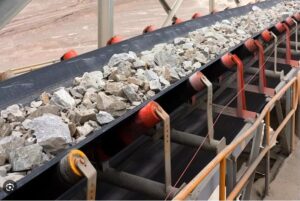
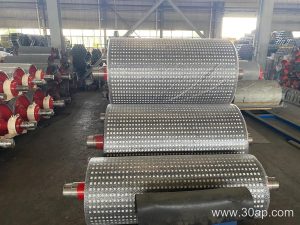
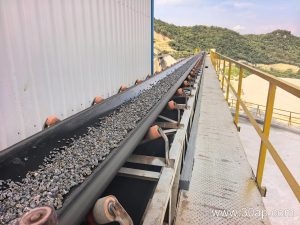
These rollers appear in a wide range of bulk handling sites. In a sand and gravel plant, a nylon idler on the return run can reduce belt wear and keep the belt centred. In a coal preparation plant or a power station coal yard, the non-stick surface helps shed fine dust and moisture. Cement plants, fertiliser plants, and grain handling facilities also use them where corrosion or material cling is a problem. They are not a replacement for drive pulleys, tail pulleys, or bend pulleys; those are different components with different duties. A nylon idler simply supports the belt and lets it roll.
Types and Common Configurations
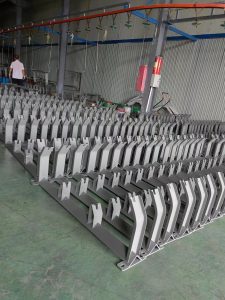
Nylon idlers follow the same layout patterns as other idlers. You will see them as single rollers, two-roller sets, or three-roller troughing sets. Trough angles are commonly 20, 30, 35, or 45 degrees. For belt widths, typical examples include B500, B650, B800, B1000, B1200, B1400, B1600, B1800, B2000, and B2200. A three-roller troughing set might use a roller length around 200 mm for B500, 250 mm for B650, 315 mm for B800, 380 mm for B1000, 465 mm for B1200, 530 mm for B1400, 600 mm for B1600, 670 mm for B1800, and 750 mm for B2000. These are common references, not fixed rules, and side rollers can differ from the centre roller.
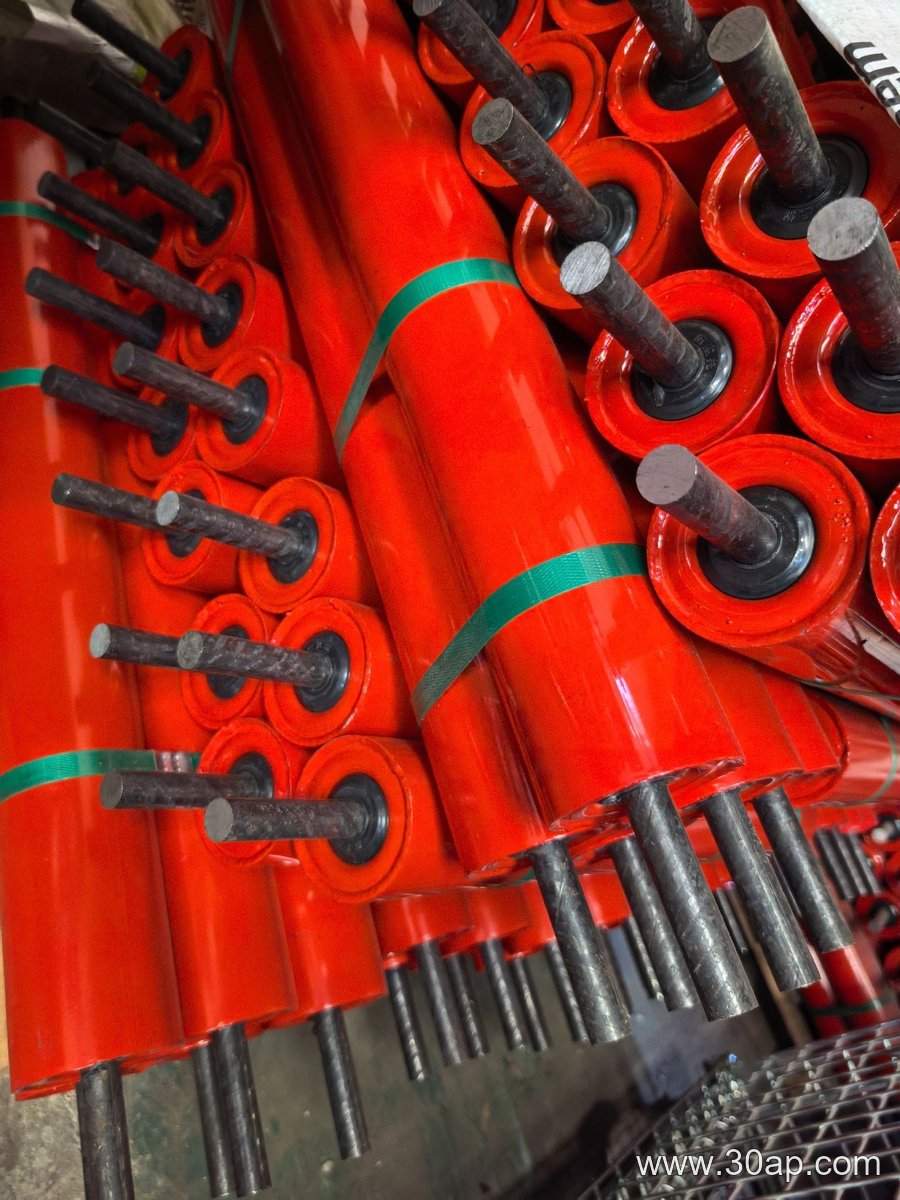
Roller Diameter and Bearing Reference
Nylon idler diameters commonly range from Ø63 up to Ø219, with Ø89, Ø102, Ø108, Ø127, Ø133, Ø159, and Ø178 being frequently seen. The diameter is chosen together with belt width, load, and speed; one belt width does not lock you into one diameter. The table below gives a general reference only.
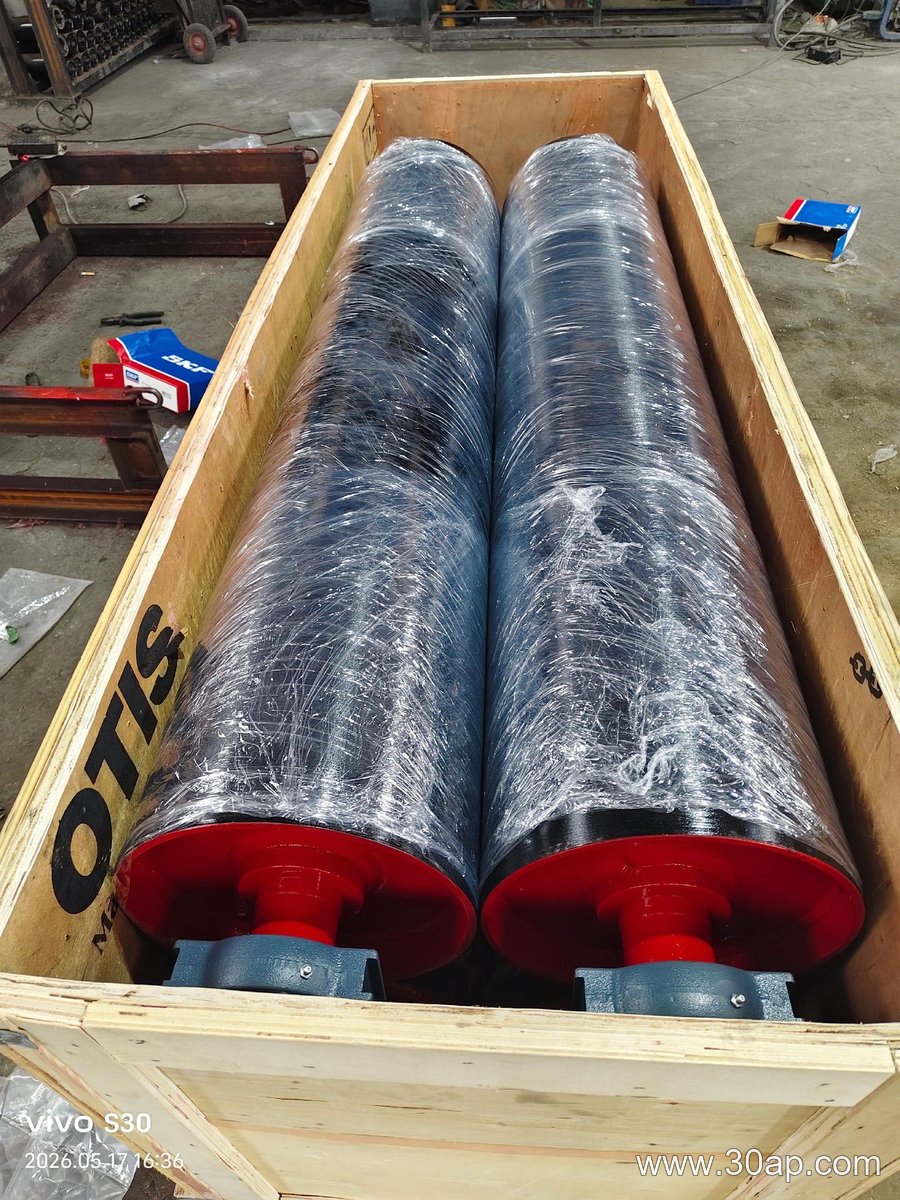
Reference Data
Use these values as a starting point for discussion with a supplier, not as a guaranteed supply list.
- Common roller diameters: Ø63, Ø76, Ø89, Ø102, Ø108, Ø127, Ø133, Ø159, Ø178, Ø194, Ø219
- Common belt widths: B400, B500, B650, B800, B1000, B1200, B1400, B1600, B1800, B2000, B2200, B2400
- Common trough angles: 20°, 30°, 35°, 45°
- Common bearings: 6204, 6205, 6305, 6306, 6308, 6310
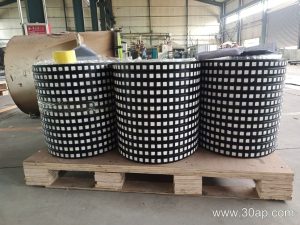
- Roller surface options: steel tube, nylon, ceramic, rubber ring
What to Check Before Buying
First, confirm the belt width and the trough angle, because these set the roller length and the frame spacing. Second, check the load per roller and the belt speed; a nylon shell is light but still needs the right bearing and shaft. Third, look at the environment. In a quarry or a tunnel muck line, dust and impact are heavy, so a nylon idler may be paired with impact rollers or rubber-ring rollers at the load point. Fourth, consider the seal. A good seal keeps grit out of the bearing and extends service life. Finally, make sure the roller fits the existing conveyor bracket. A nylon idler that is the wrong length or shaft size will not sit properly, no matter how good the material is.
Maintenance Notes
Nylon idlers are generally low maintenance, but they are not maintenance-free. Check for belt misalignment, unusual noise, or a roller that stops turning. A seized bearing can wear a flat spot on the nylon shell and damage the conveyor belt. In dusty plants, clean around the roller ends so the seal can work. When replacing a roller, match the diameter, length, shaft, and bearing to the original specification, or ask the supplier to confirm the correct replacement for your conveyor. For heavy impact zones, compare a nylon idler with a rubber-ring impact idler; each has its place, and the right choice depends on the material and the drop height.