What a 600mm Conveyor Belt Is
A 600mm conveyor belt is a belt with a nominal width of 600 millimeters, often written as B600. It sits in the middle range of standard belt widths and is used on medium-duty conveyors that move bulk materials over moderate distances. In a quarry, a cement plant, or a coal handling system, this width can handle a steady stream of crushed rock, clinker, or coal without the bulk of a wider belt. The same product may also be called a 600 mm wide conveyor belt or a B600 belt; these are simply different ways of naming the same item.
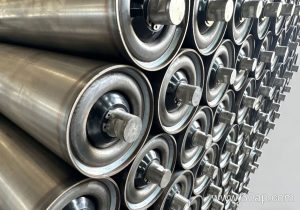
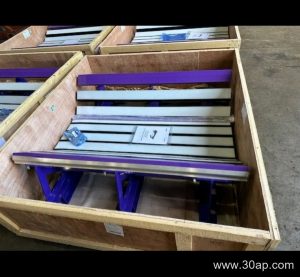
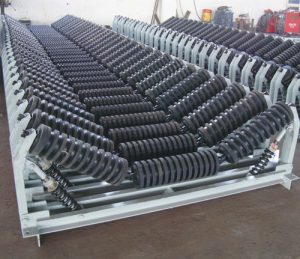
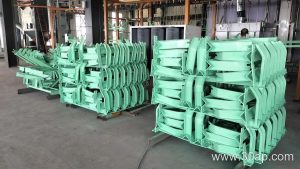
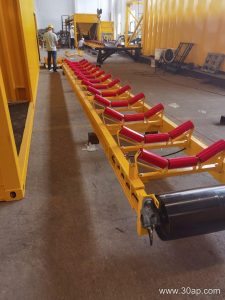
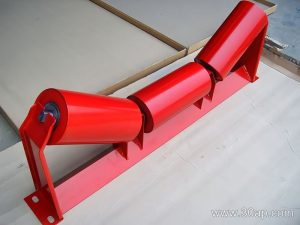
The belt is only one part of the conveyor. It runs over a drive pulley, which supplies the motion; a tail pulley, which returns the belt; and bend pulleys that guide it through curves or take-up sections. Idler rollers support the belt along the carrying side, while conveyor brackets hold those rollers in place. None of these parts are interchangeable with the belt itself, but they all affect how well a 600mm belt performs.
How the Belt Is Built
Most 600mm conveyor belts use a fabric carcass or a steel cord carcass. The carcass gives the belt its strength and resistance to stretching. Common fabric types include EP (polyester-cotton) and NN (nylon-nylon). Steel cord belts are chosen when higher tension is needed. The carcass is covered on both sides with rubber or PVC compounds. Cover thickness is often given as a pair, such as 4+2 mm or 5+2 mm, meaning top cover plus bottom cover. The top cover protects against abrasion and impact, while the bottom cover runs against the pulleys and idlers.
For a 600mm belt, the number of fabric plies usually ranges from two to six, depending on the load and the required strength. A buyer may see strength grades like EP200, EP400, or EP630. These numbers refer to the breaking strength of the carcass, not the width. A B600 belt can be supplied in several strength grades, and the right one depends on the conveyor length, the material weight, and the drive power.
Where It Is Used
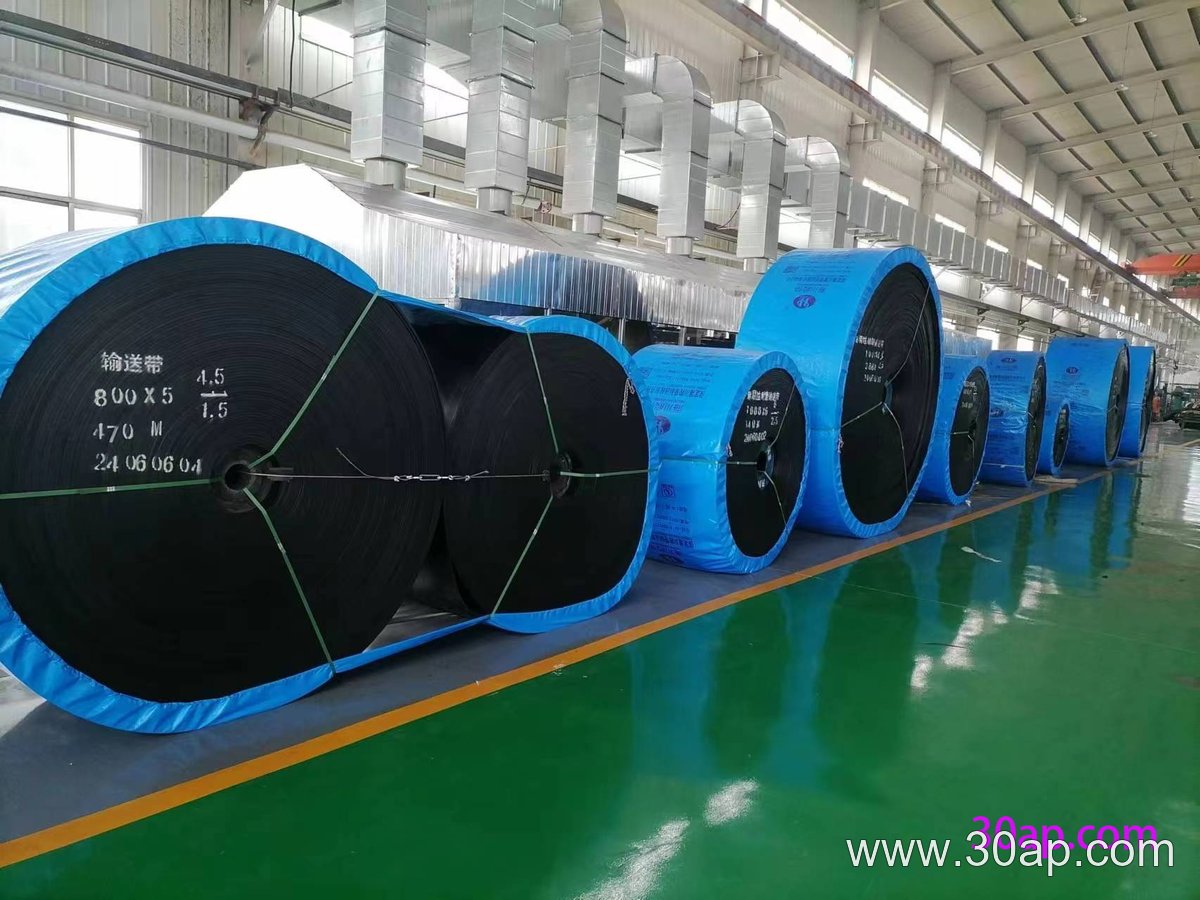
The 600mm width fits many industrial settings. In a sand and gravel plant, it can carry screened stone from a crusher to a stockpile. In a coal mine, it may move coal from a transfer point to a bunker. Cement plants use it for clinker, limestone, and additives. Power plants use it for coal and ash. Because the belt is not extremely wide, it is often found on mobile conveyors, stackers, and smaller fixed conveyors where space is limited.
Different industries ask for different belt features. A coal mine may need a flame-retardant and antistatic belt. A cement plant may prefer a heat-resistant belt for clinker. A quarry may choose a wear-resistant grade with a thick top cover. A cold climate may call for a cold-resistant compound. These are properties of the belt, not separate products, and they can all be supplied in a 600mm width.
Specifications a Buyer Should Check
Before ordering a 600mm conveyor belt, confirm the following details. They are common reference points, not fixed rules for every supplier.
- Belt width: 600 mm (B600)
- Carcass type: EP, NN, or steel cord
- Strength grade: for example EP200, EP400, EP630
- Number of plies: often 2 to 6
- Cover thickness: for example 3+1.5 mm, 4+2 mm, 5+2 mm
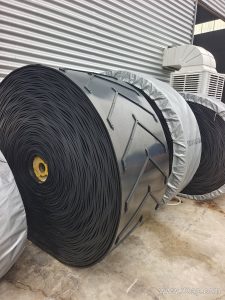
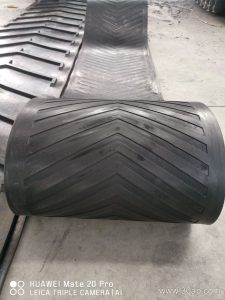
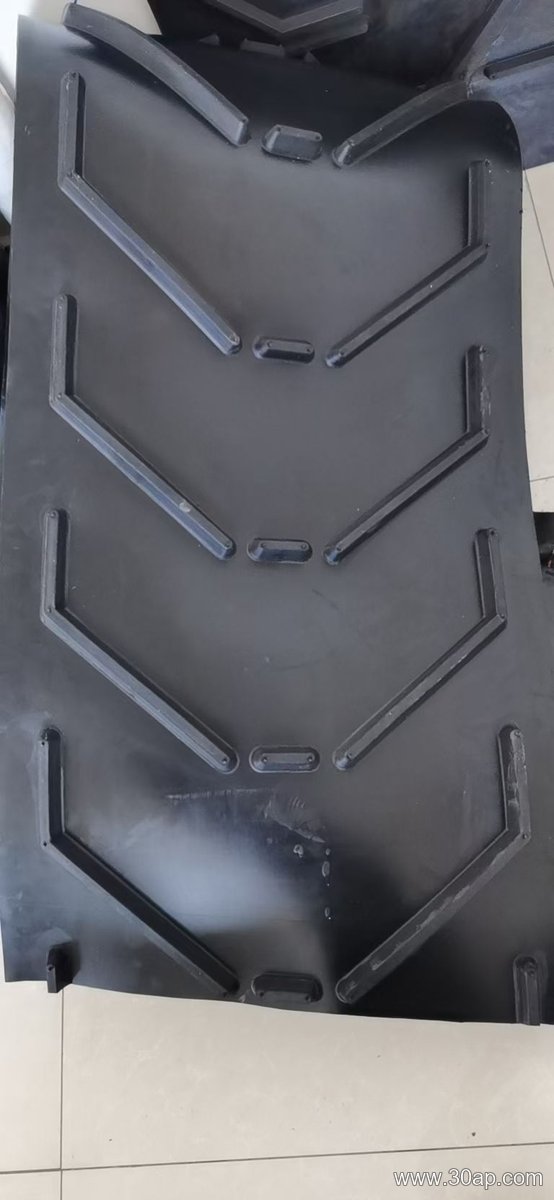
- Surface form: smooth, patterned, chevron, or with sidewalls
- Special properties: wear-resistant, heat-resistant, oil-resistant, flame-retardant, antistatic, cold-resistant, acid and alkali resistant
Other belt widths exist, such as B500, B650, and B800. A 600mm belt is not the same as a 650mm belt, and they should not be used interchangeably without checking the conveyor design. The pulley diameter, shaft size, and idler spacing are set by the conveyor engineer, not by the belt width alone. A 600mm belt can run on different pulley diameters depending on the load and the belt construction.
Selection and Maintenance Notes
Choose the belt grade based on the material, the loading method, and the environment. Sharp, heavy rock needs a thicker cover and a strong carcass. Fine, dry material may need a belt that resists static. Hot material needs a heat-resistant compound. For a 600mm conveyor belt, the drive pulley, tail pulley, and bend pulleys should be aligned so the belt tracks correctly. Idler rollers should turn freely; a seized roller can wear the bottom cover quickly. Conveyor brackets should be checked for looseness, because a loose bracket can misalign the rollers and cause the belt to drift.
Store the belt in a dry, shaded place. Avoid dragging it over sharp edges during installation. When splicing, follow the belt manufacturer’s method for the carcass type and cover compound. A well-matched belt and conveyor system will give longer service in mines, cement works, power stations, and sand and gravel plants.