What a 1000mm Diameter Conveyor Pulley Is
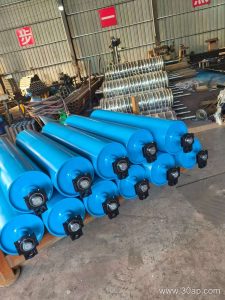
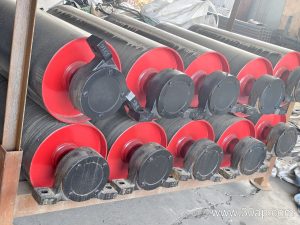
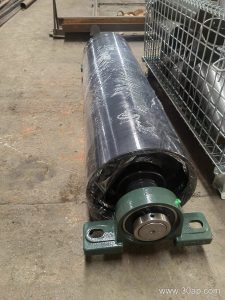
A 1000mm diameter conveyor pulley is a large-diameter drum used in bulk material handling conveyors. It is a cylindrical shell with end discs and a shaft, and it rotates to support and drive the conveyor belt. In the field, it is simply called a Ø1000 pulley or a 1m drum. The 1000mm diameter refers to the outer shell, not the shaft or the lagging. This size is common in high-tension, long-distance or heavy-load conveyors where the belt needs a large bending radius to reduce stress and extend service life.
Where a Ø1000 Pulley Fits in a Conveyor
A conveyor pulley can serve different duties, and the 1000mm diameter unit is often selected for the head or drive position on large systems. It may also appear as a tail pulley or a bend pulley when the layout requires a large turning radius. Drive, tail and bend pulleys are not interchangeable: a drive pulley transmits torque to the belt, a tail pulley changes the belt direction at the loading end, and a bend pulley only redirects the belt. When a smaller diameter is enough, a B800 × Ø500 or B1400 × Ø800 assembly may be used instead. The Ø1000 size is reserved for cases where belt tension and space allow it.
Construction and Surface Options
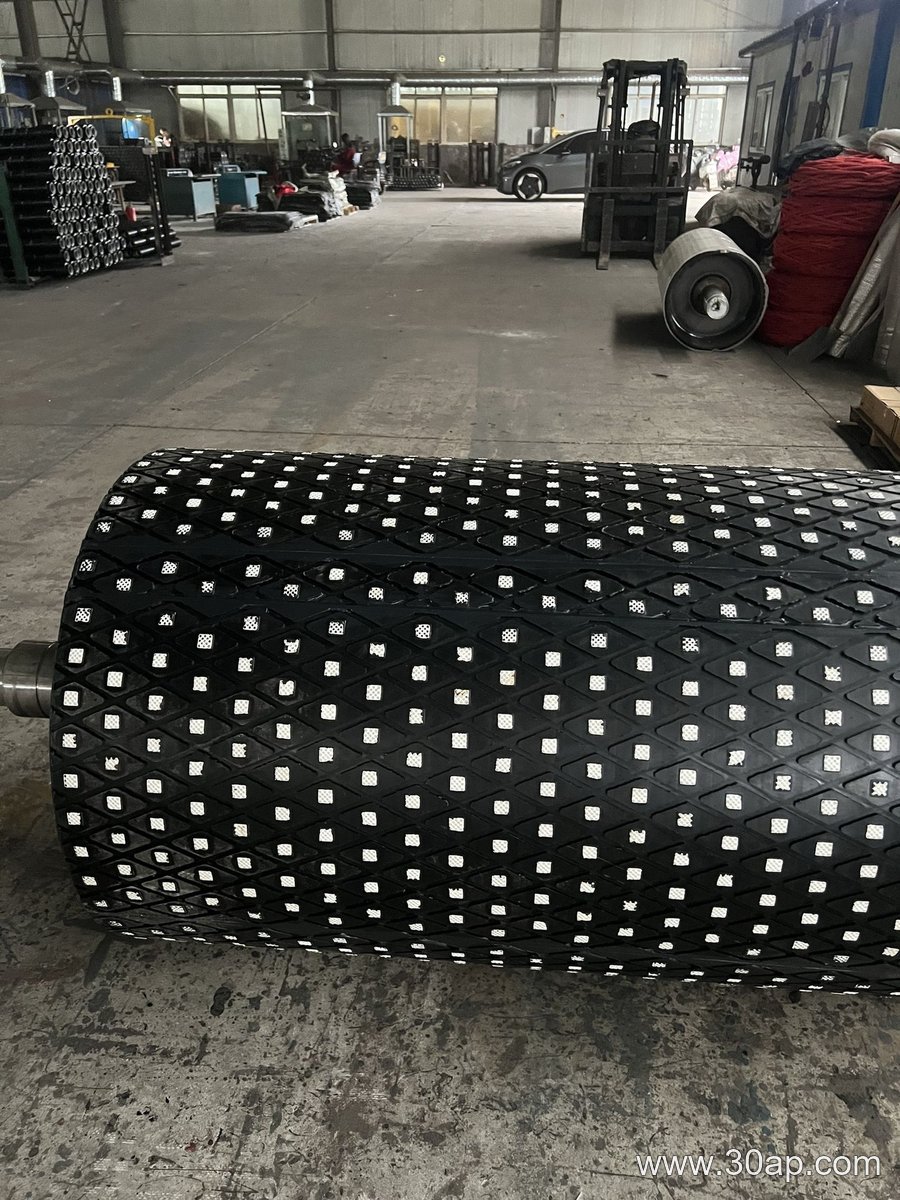
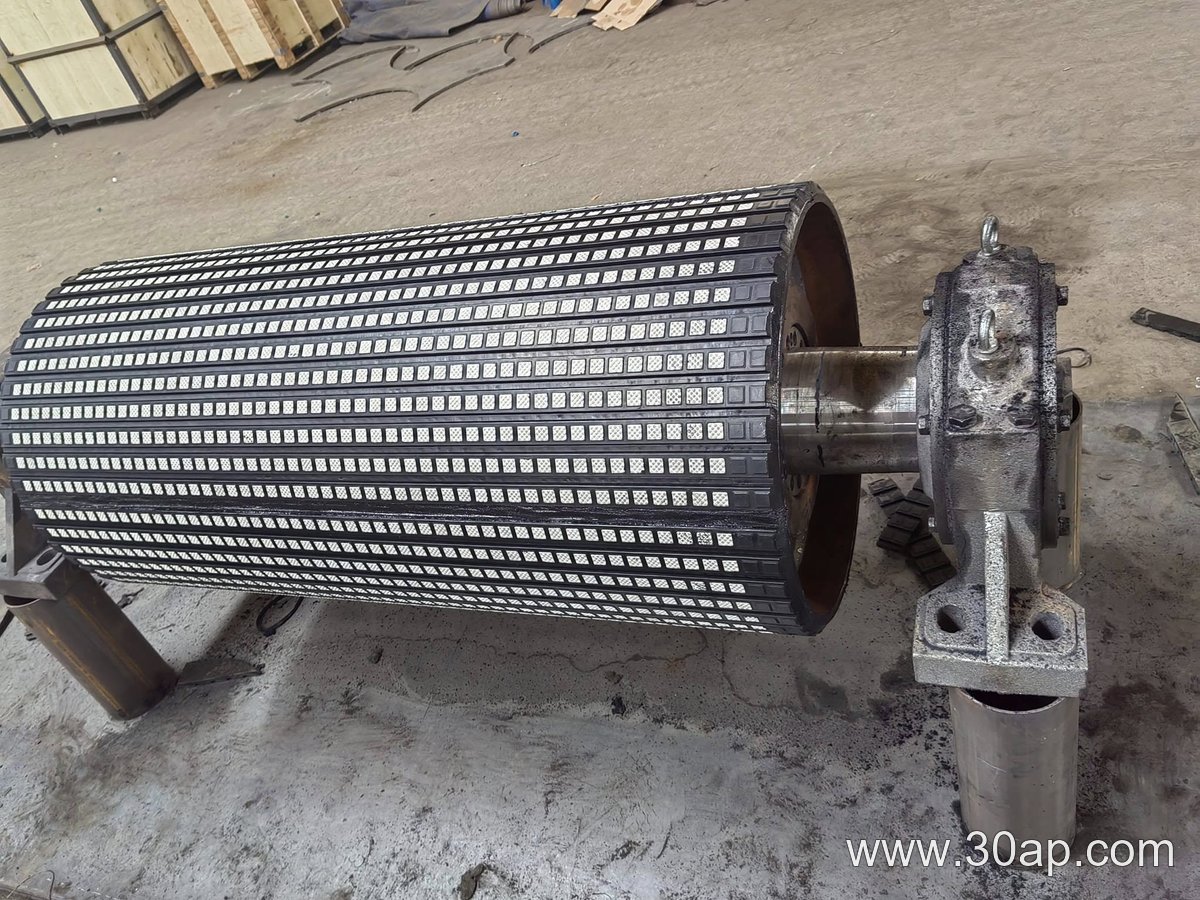
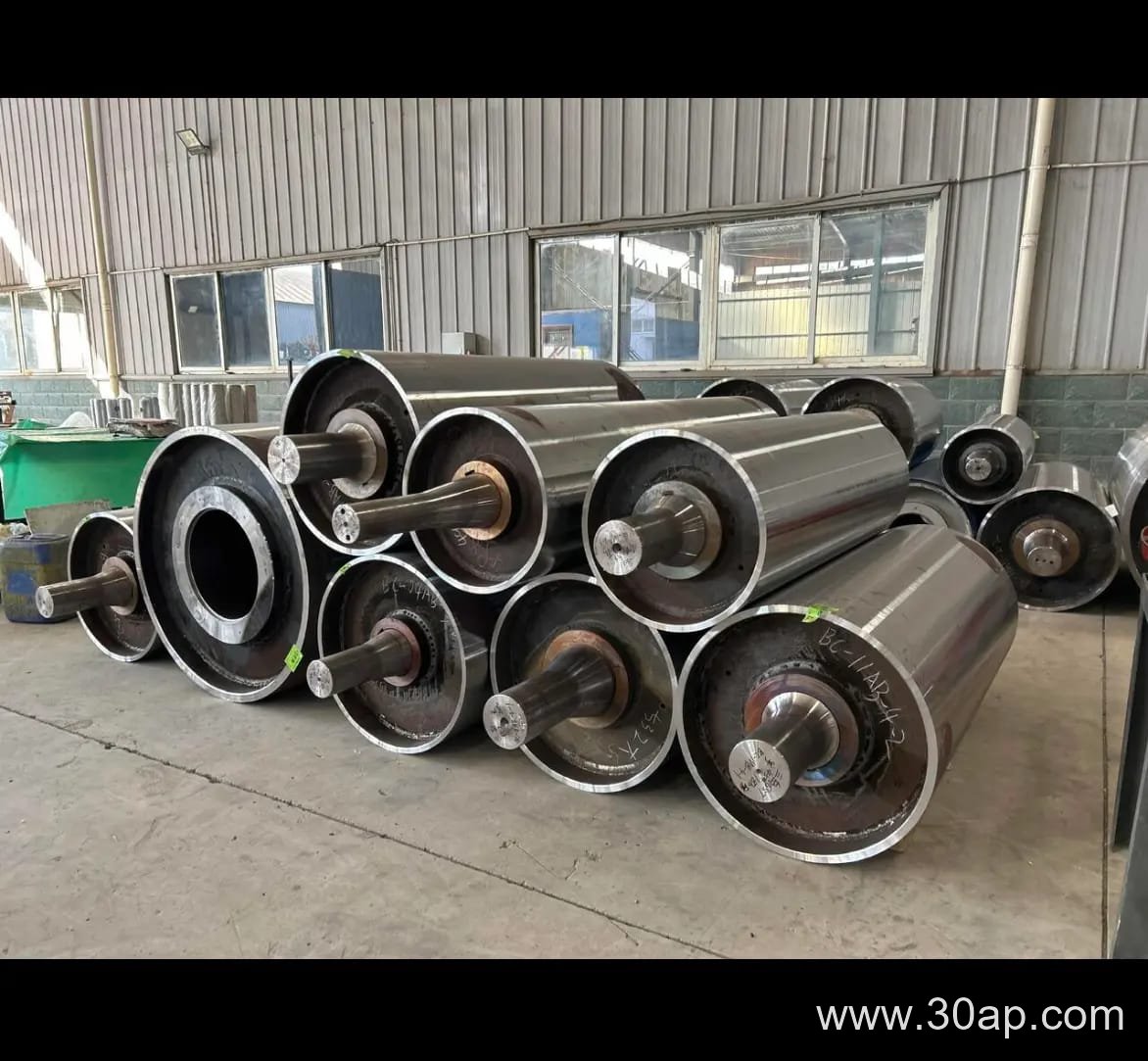
The body is usually welded steel, with the shell machined to a slight crown or kept cylindrical. The shaft is sized by torque and load, not by belt width alone. Common shaft diameters include Ø120, Ø140, Ø160, Ø180 and Ø200, but the final value is set by design. Surface treatment affects grip and wear. A plain finish is used when friction is not critical. Rubber lagging in 8, 10, 12, 15 or 20 mm thickness is common for drive pulleys. The pattern may be diamond, herringbone or ceramic, depending on whether the belt carries wet, oily or abrasive material. A 1000mm diameter pulley is often lagged to protect the shell and improve traction.
Common Sizes and Reference Data
Shell width is normally wider than the belt. Typical reference values are listed below. These are common ranges, not a fixed match for every conveyor.
- B800 belt: shell width around 950 mm
- B1000 belt: shell width around 1150 mm
- B1200 belt: shell width around 1400 mm
- B1400 belt: shell width around 1600 mm
- B1600 belt: shell width around 1800 mm
A Ø1000 pulley can be combined with B1000, B1200 or wider belts, but the belt width does not force one single diameter. The shaft size, bearing selection and lagging type are separate decisions.
Typical Industries and Duty
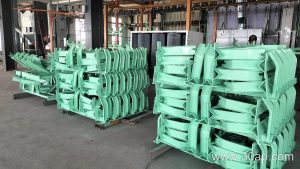
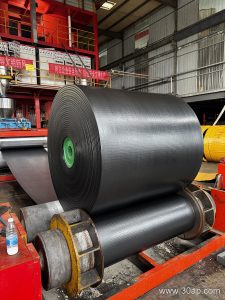
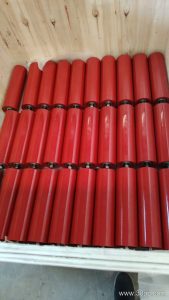
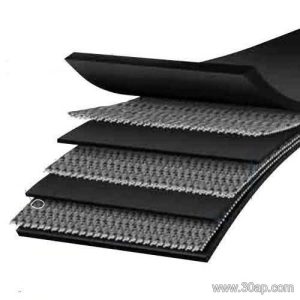
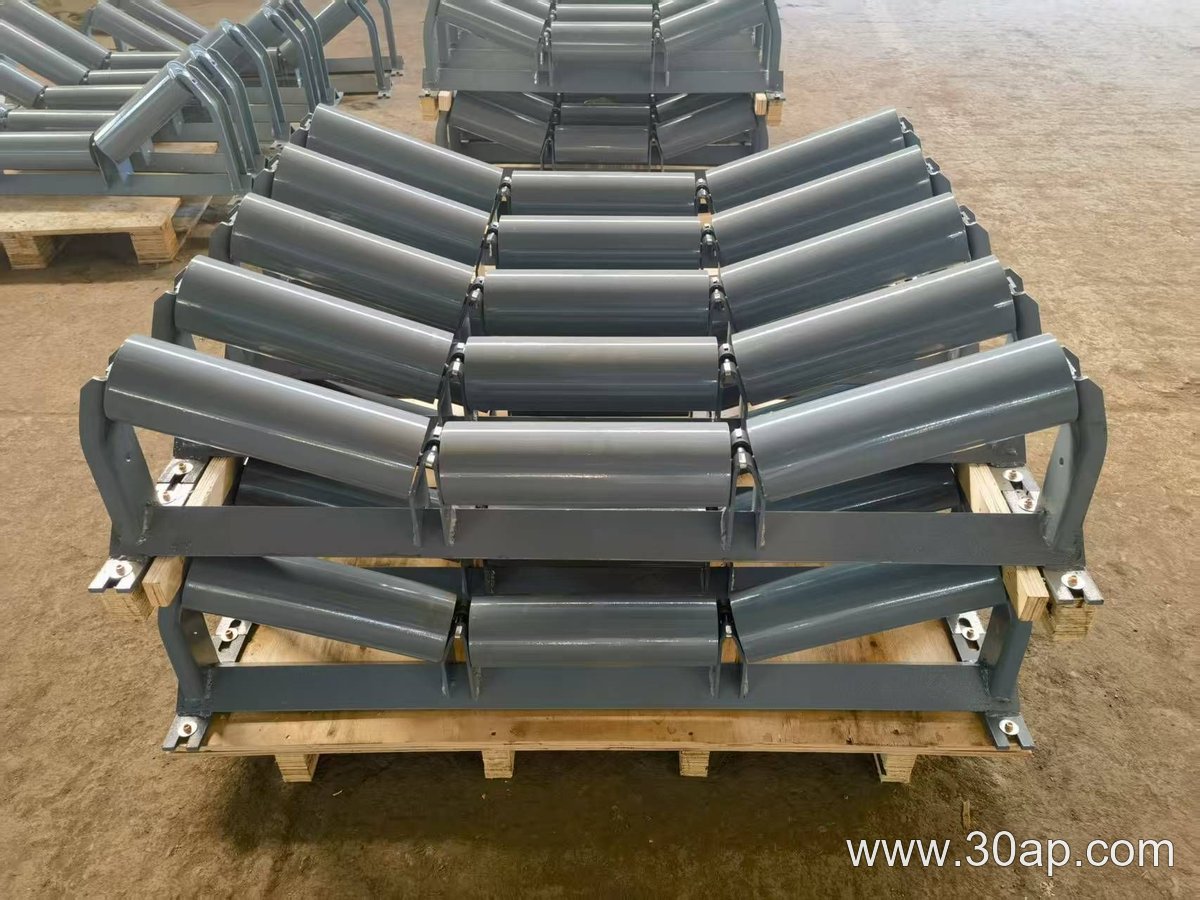
This size appears in mines, coal preparation plants, cement plants, power station coal handling, and aggregate crushing lines. In a limestone quarry, a 1000mm diameter conveyor pulley may drive a long overland belt. In a port bulk terminal, it can handle iron ore or coal at high capacity. The pulley works with the conveyor belt, idler rollers and conveyor brackets to keep the line running. A heavy-duty application may use a drive pulley with ceramic lagging, while a tail pulley on the same line may use a plain or rubber surface.
What a Buyer Should Check
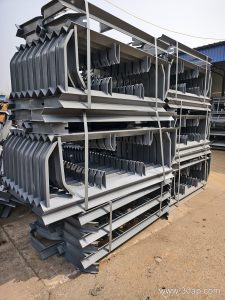
Before ordering, confirm the pulley role: drive, tail, bend, take-up or snub. Check the belt width, the required shaft diameter, the bearing type and the lagging thickness. Ask for the shell width, the crown height and the balancing grade. For a 1000mm diameter conveyor pulley, transport and installation also matter because the unit is large and heavy. Make sure the conveyor bracket and bearing housing match the shaft end. Maintenance should include checking lagging wear, shaft alignment and bearing lubrication. A worn lagging surface can be re-rubberized instead of replacing the whole drum.
Selection Notes
Diameter, belt width and shaft size are not fixed in a single formula. A 1000mm diameter pulley may suit a B1200 belt on one conveyor and a B1600 belt on another, depending on tension and space. The pulley should be selected with the conveyor designer, using the actual belt tension, speed and material. For abrasive or wet conditions, a lagged surface is often preferred. For a simple bend position, a lighter surface may be enough. The goal is to match the pulley to the duty, not to copy a size from a different machine.