What the PVG800S Conveyor Belt Is
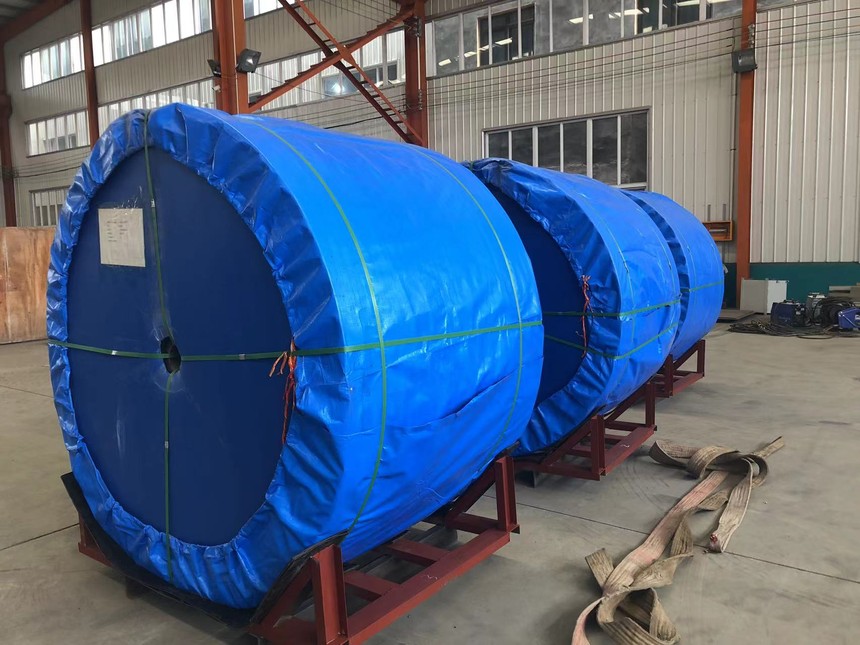
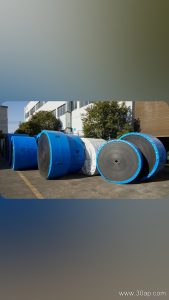
The PVG800S is a solid-woven, rubber-covered conveyor belt from the PVG family, widely chosen for underground coal haulage and other tough duty cycles. In the trade it is also written as PVG 800S solid woven belt or PVG800S flame-retardant conveyor belt, and all three names point to the same product. The designation carries its own subtype qualifier: PVG means the carcass is a solid-woven fabric impregnated with PVC, while the 800S class indicates the belt’s full-thickness tensile strength grade and the S suffix for its fire-resistant, antistatic construction. It should not be confused with EP or NN ply belts, which use layered fabric plies rather than a single solid-woven carcass.
Construction and Materials
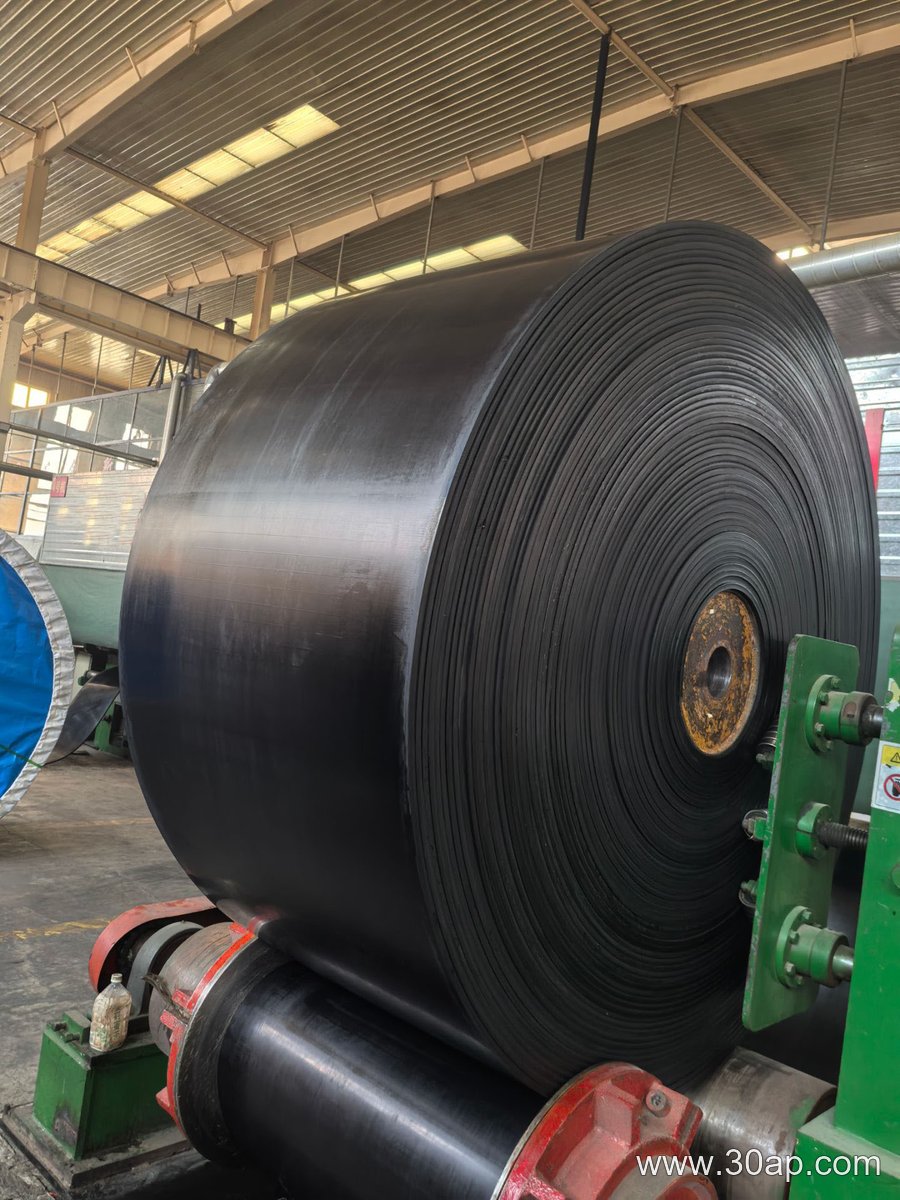
The belt is built around a single solid-woven core. This core is dipped and impregnated with PVC paste, then covered on both faces with rubber or PVC-based cover compounds. A typical build for the PVG800S includes:
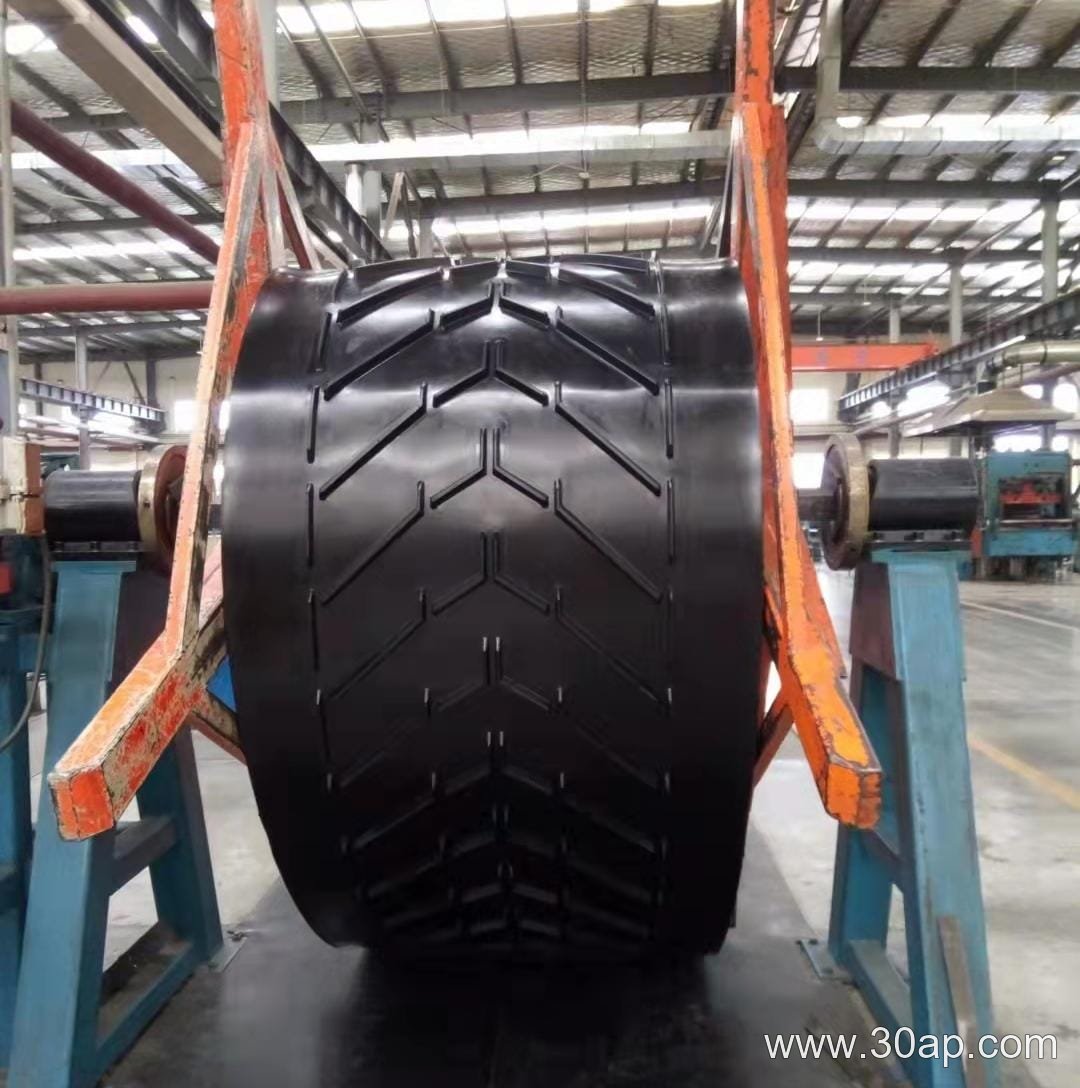
- Solid-woven fabric carcass, usually 1 to 2 layers of interwoven warp and weft yarn
- Top cover and bottom cover in thickness combinations such as 3+1.5 mm, 4+2 mm, 5+2 mm, 6+2 mm, or 8+3 mm
- Flame-retardant and antistatic additives distributed throughout the carcass and covers
The 800S strength class is generally understood to reference the full-thickness breaking strength of the belt in newtons per millimetre of width, though actual values vary by manufacturer and should be confirmed from the supplier’s data sheet.
Where PVG800S Belts Are Used
This belt is at home in environments where fire safety and static control are non-negotiable. Common applications include:
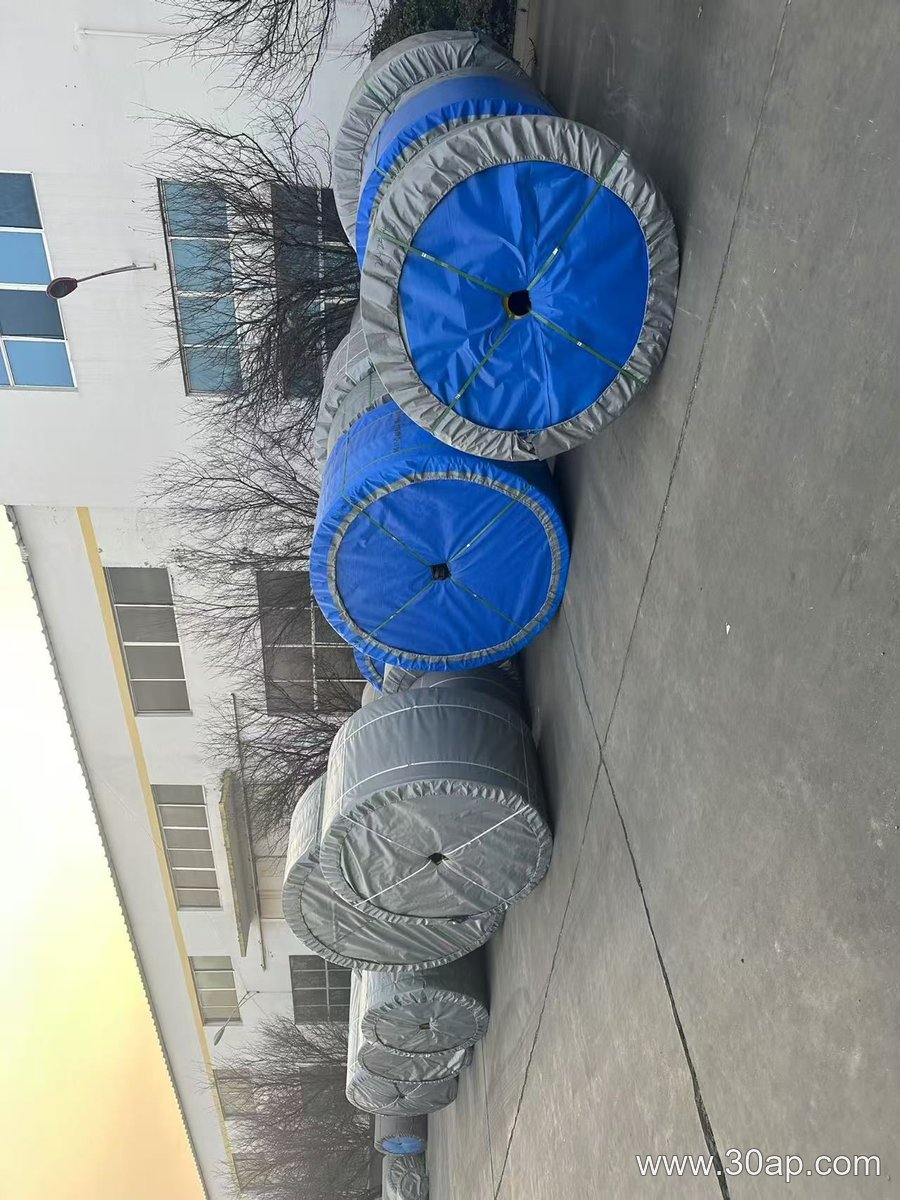
- Underground coal mines and tunnel drivages
- Mine preparation plants and coal washeries
- Cement plants handling clinker and additives
- Power stations moving coal and ash
- Sand and gravel yards with dusty, abrasive loads
- Port and bulk terminal conveyor systems
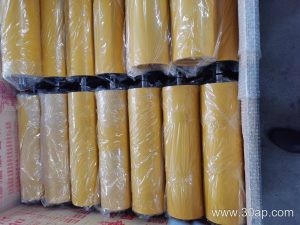
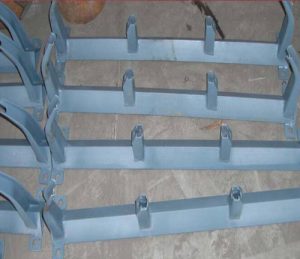
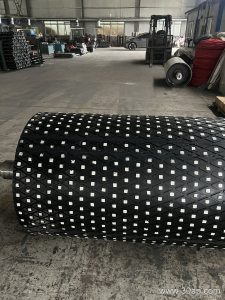
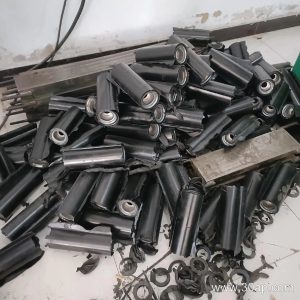
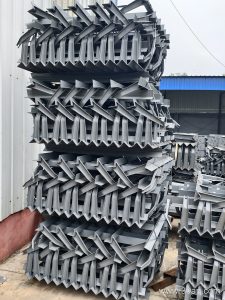
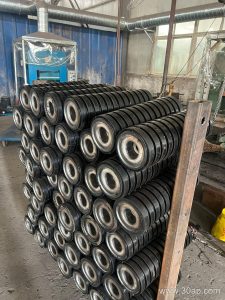
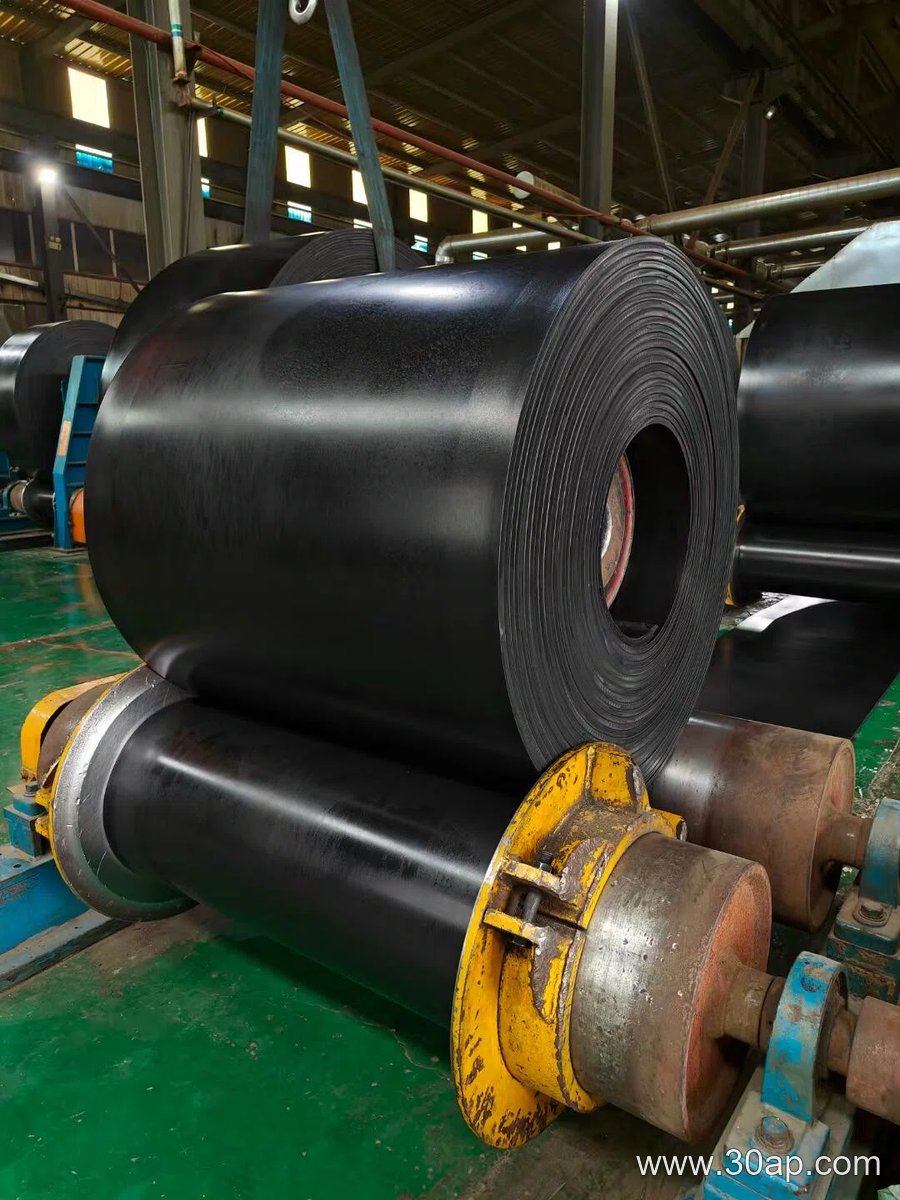
Because the solid-woven carcass resists impact and tearing better than many ply constructions, the PVG800S is also selected for transfer points where lumps fall from height onto the belt. It runs over idler rollers and wraps around conveyor pulleys, and the whole line is supported by conveyor brackets and frames.
Available Sizes and Specifications
Width and cover options are not fixed; they follow the conveyor design. The table below lists reference values that are commonly produced. Treat them as a starting point when asking for a quotation, not as a universal standard.
| Parameter | Common Reference Values |
|---|---|
| Belt width | B500, B650, B800, B1000, B1200, B1400, B1600, B1800, B2000 |
| Strength class | PVG800S (full-thickness 800 class) |
| Cover thickness | 3+1.5 mm, 4+2 mm, 5+2 mm, 6+2 mm, 8+3 mm |
| Carcass | Solid-woven, 1 to 2 layers typical |
| Surface form | Plain, patterned, chevron, or with corrugated sidewalls |
| Special properties | Flame-retardant, antistatic, wear-resistant, oil-resistant, heat-resistant, cold-resistant, acid and alkali resistant |
The surface form is matched to the incline and material. A plain cover suits flat or gently inclined haulage, while a chevron or patterned top helps grip wet or loose loads on steeper gradients. The customer should specify the pulley diameters, trough angle, and idler roller spacing so the belt’s flexibility and tracking can be checked against the actual route.
Buyer Checklist
Before ordering a PVG800S Conveyor Belt, gather the following information:
- Belt width and required length, including splice allowance
- Material being carried, lump size, and temperature
- Maximum incline and whether a patterned surface is needed
- Drive pulley, tail pulley, and bend pulley diameters
- Idler roller diameter and spacing along the carrying and return sides
- Required fire and antistatic performance for the site
- Cover thickness and any oil, heat, or abrasion resistance needed
Note that drive, tail, and bend pulleys each perform a different function, and their diameters are not interchangeable when checking belt suitability. The same applies to different idler roller types. For a fair comparison, a PVG belt may be checked against an EP or NN ply belt of similar strength, but the PVG carcass remains the defining feature of this product.
Handling and Maintenance Notes
Store the belt in a dry, shaded place, away from ozone sources and sharp objects. During installation, keep the pull straight and avoid dragging the belt over the edge of the conveyor bracket or frame. Once running, check tracking at the tail pulley and adjust the take-up as needed. Inspect the cover for cuts and worn spots at the loading point, and replace damaged idler rollers promptly so the belt is not abraded by a seized roller. A well-aligned line with free-turning pulleys and rollers will give the longest service from any PVG800S belt.
For final selection, always request the current technical data sheet from the manufacturer, because cover compounds, carcass weight, and strength tolerances can differ between production batches and suppliers.