What a Return Idler Bracket Does on a Conveyor
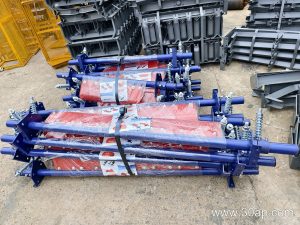
The return idler bracket is the supporting hardware that holds the idler rollers carrying the empty, returning side of a conveyor belt. On a typical conveyor, the loaded belt travels on the carrying side and comes back underneath after the material has been discharged. That lower run does not need the same troughing arrangement as the top run, but it still needs steady support. A return idler bracket, sometimes called a bottom bracket or return roller bracket, bolts to the conveyor frame and positions the idler roller so the belt runs flat and true on its way back to the tail pulley.
Without this bracket, the return idler roller would have no reliable mounting point. The belt would sag, wander, or rub against the structure. The bracket therefore plays a quiet but important role in keeping the whole conveyor belt system stable.
How the Bracket Is Built
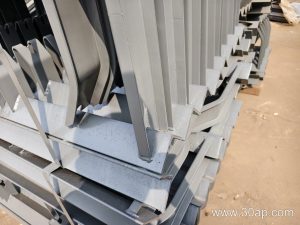
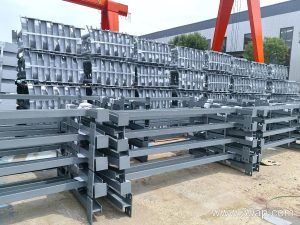
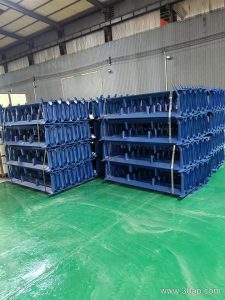
Most return idler brackets are made from formed steel. Common materials include angle steel, channel steel, and bent steel plate. The choice depends on the load the bracket must carry, the width of the belt, and the environment. In dusty or wet conditions, a powder-coated or galvanized finish may be preferred, though the exact finish is a design decision rather than a fixed rule.
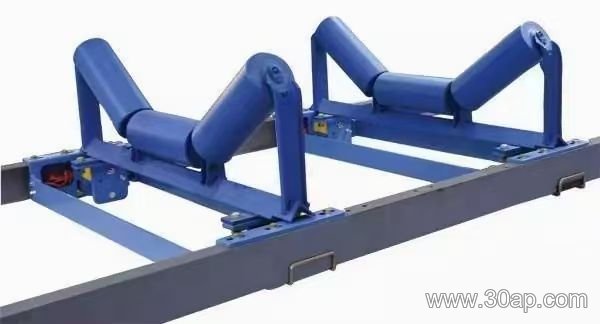
A typical bracket has mounting holes for the idler roller shaft and slots or holes for fastening to the conveyor frame. Some designs are fixed, while others are adjustable. Adjustable brackets allow small changes in position or angle during installation and maintenance. The bracket may also include a stop or guide to keep the idler roller from shifting sideways.
Common Construction Details
- Material: angle steel, channel steel, or bent steel plate
- Mounting: bolted or welded to the conveyor frame, depending on design
- Adjustability: fixed or adjustable versions are both common
- Surface: painted, galvanized, or untreated according to the application
Where Return Idler Brackets Are Used
These brackets appear in many bulk handling operations. In a limestone quarry, they support the lower run of a conveyor belt carrying crushed rock. In a coal washing plant, they help keep the return belt aligned despite moisture and fines. The same hardware is found in sand and gravel lines, crushing and screening circuits, and cement plants.
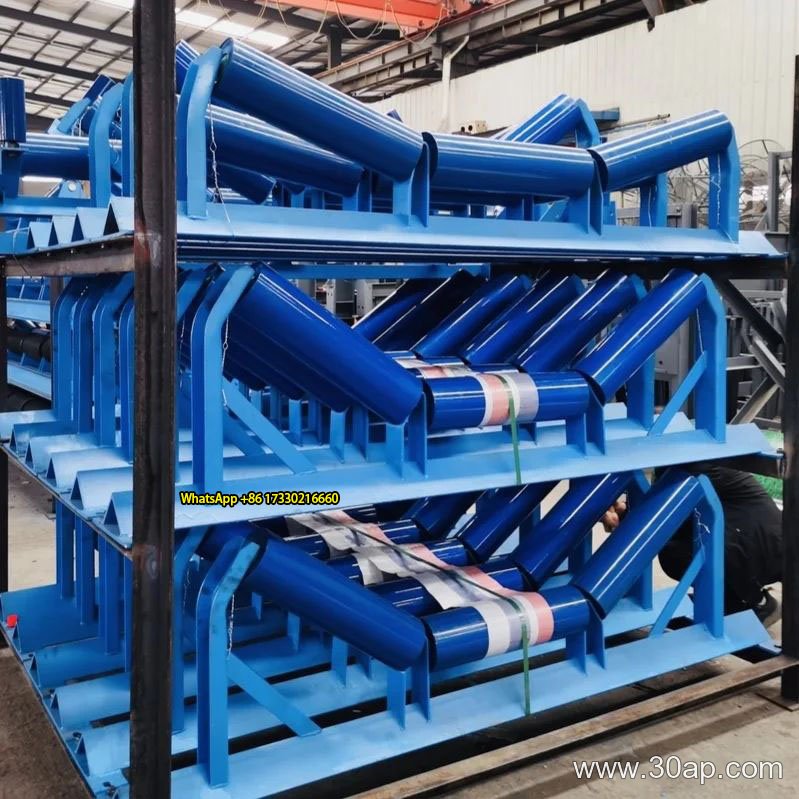
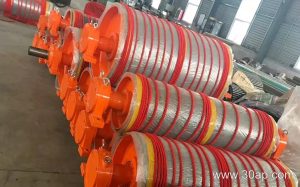
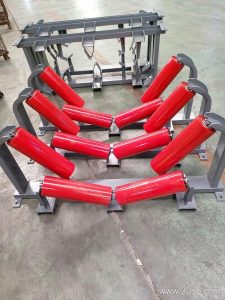
Although the return idler bracket is often grouped with other conveyor brackets, it should not be confused with carrying-side troughing brackets or transition brackets. A troughing bracket holds three idlers at a trough angle on the top run. A return bracket holds the lower idler, usually a single flat roller. A bend pulley bracket, by contrast, supports a conveyor pulley that changes belt direction. Each has a different job.
Matching the Bracket to Belt Width and Roller Diameter
Return idler brackets are not one-size-fits-all. The bracket must match the conveyor frame, the belt width, and the idler roller diameter. Common belt widths include B500, B650, B800, B1000, B1200, B1400, B1600, B1800, B2000, and B2200. Common return idler roller diameters include Ø89, Ø108, Ø133, Ø159, and Ø194. A bracket for a B800 belt with Ø108 rollers will not fit a B1400 belt with Ø159 rollers, because the mounting hole spacing and frame width differ.
| Belt Width | Typical Return Roller Diameter | Bracket Type |
|---|---|---|
| B500 | Ø89 | Fixed or adjustable |
| B650 | Ø89 or Ø108 | Fixed or adjustable |
| B800 | Ø108 | Fixed or adjustable |
| B1000 | Ø108 or Ø133 | Fixed or adjustable |
| B1200 | Ø133 or Ø159 | Fixed or adjustable |
| B1400 | Ø159 | Fixed or adjustable |
| B1600 | Ø159 or Ø194 | Fixed or adjustable |
These pairings are common examples, not fixed rules. A designer may choose a larger roller diameter for a wider belt or a heavier load. The bracket should always be selected from the conveyor manufacturer’s drawing or from measured frame dimensions.
What Buyers Should Check
Before ordering a return idler bracket, confirm the belt width, the return roller diameter, the frame hole spacing, and whether the bracket is fixed or adjustable. Check the material thickness and finish if the conveyor operates outdoors or in a corrosive environment. Also confirm whether the bracket is designed for a flat return idler or a V-return idler. A V-return bracket is a different subtype and should not be substituted for a flat return bracket without checking the belt path.
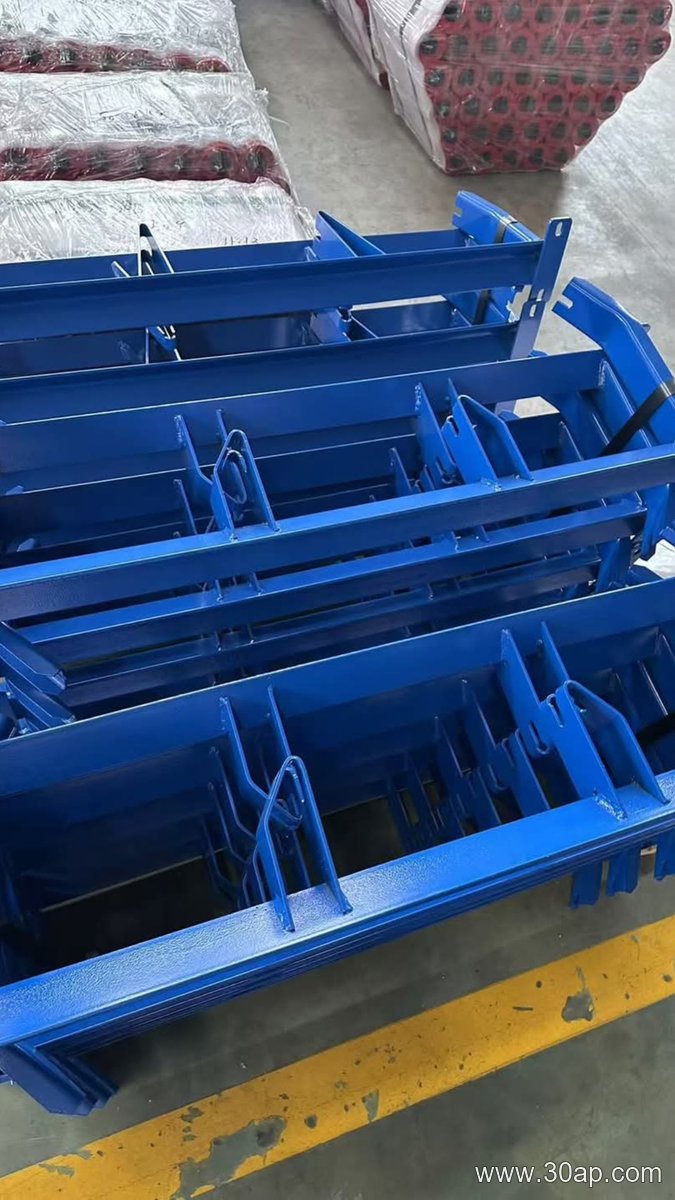
Ask for a dimensional drawing when possible. Small differences in hole spacing can make installation difficult. If the conveyor uses a conveyor pulley at the tail or a bend pulley nearby, make sure the bracket does not interfere with the pulley or the belt path.
Installation and Maintenance Notes
Install the bracket square to the conveyor centerline so the return idler roller sits perpendicular to the belt. A bracket that is skewed can cause the belt to track to one side. Check bolt tightness after the first few hours of operation and again during routine inspections. Replace a bent or cracked bracket promptly, because a failed bracket can drop the return roller and damage the conveyor belt.
For adjustable brackets, record the original setting before making changes. Small adjustments can correct minor belt tracking issues, but large changes should be made only after checking the whole conveyor alignment, including the drive pulley, tail pulley, and bend pulley.