What a Large-Diameter Conveyor Pulley Does
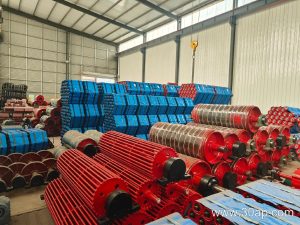
A large-diameter conveyor pulley is a cylindrical rotating component that supports and drives the conveyor belt at key points along a bulk material handling line. When the diameter grows, several things change at once: the belt bends less sharply, the contact arc between belt and shell becomes longer, and the torque carried by the shaft is distributed over a larger circumference. Engineers often specify these pulleys where belt tension is high, where the belt is thick and stiff, or where the material being moved is heavy and abrasive. In practice, the same product is also called a large drum pulley or a heavy-duty conveyor drum, and those equivalent names refer to the same component rather than a different subtype.
It is worth separating the main pulley types early. A drive pulley transmits power from the gearbox to the belt. A tail pulley sits at the opposite end and helps return the belt. A bend pulley changes the direction of the belt without driving it. These three are not interchangeable. A large-diameter drive pulley has a different job from a large-diameter tail pulley or a large-diameter bend pulley, even when the shell dimensions look similar.
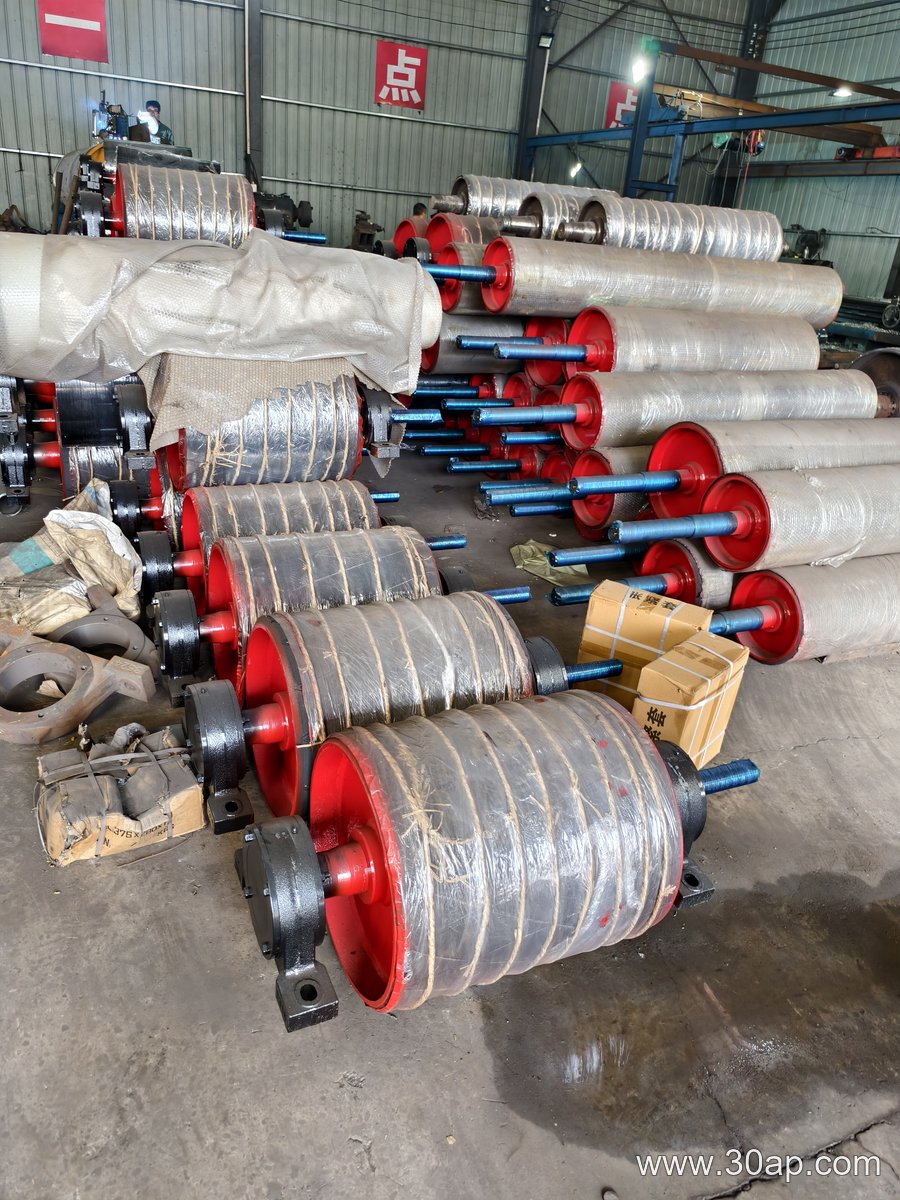
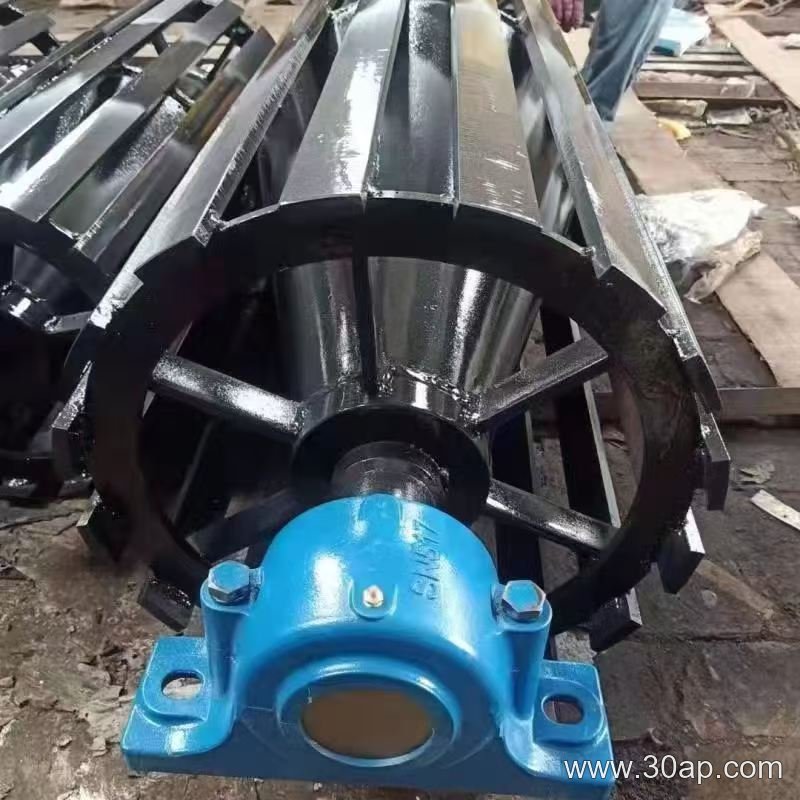
Construction and Key Components
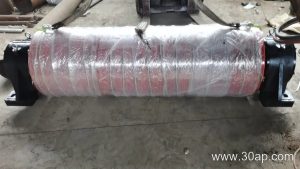
A typical heavy drum pulley is built from a rolled steel shell, two end discs, a hub, and a through shaft. The shell may be machined to a slight crown so the belt tends to center itself during running. End discs transfer the load from the shell to the hub and shaft. Shaft diameter is determined by torque and bending load, not by belt width alone. Common shaft sizes include Ø80, Ø100, Ø120, Ø140, Ø160, and Ø180 mm, but the final value should follow the actual design calculation.
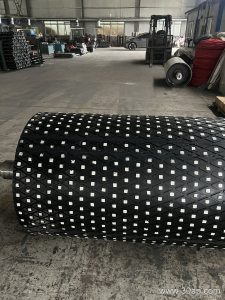
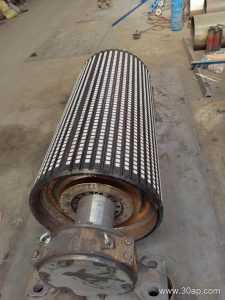
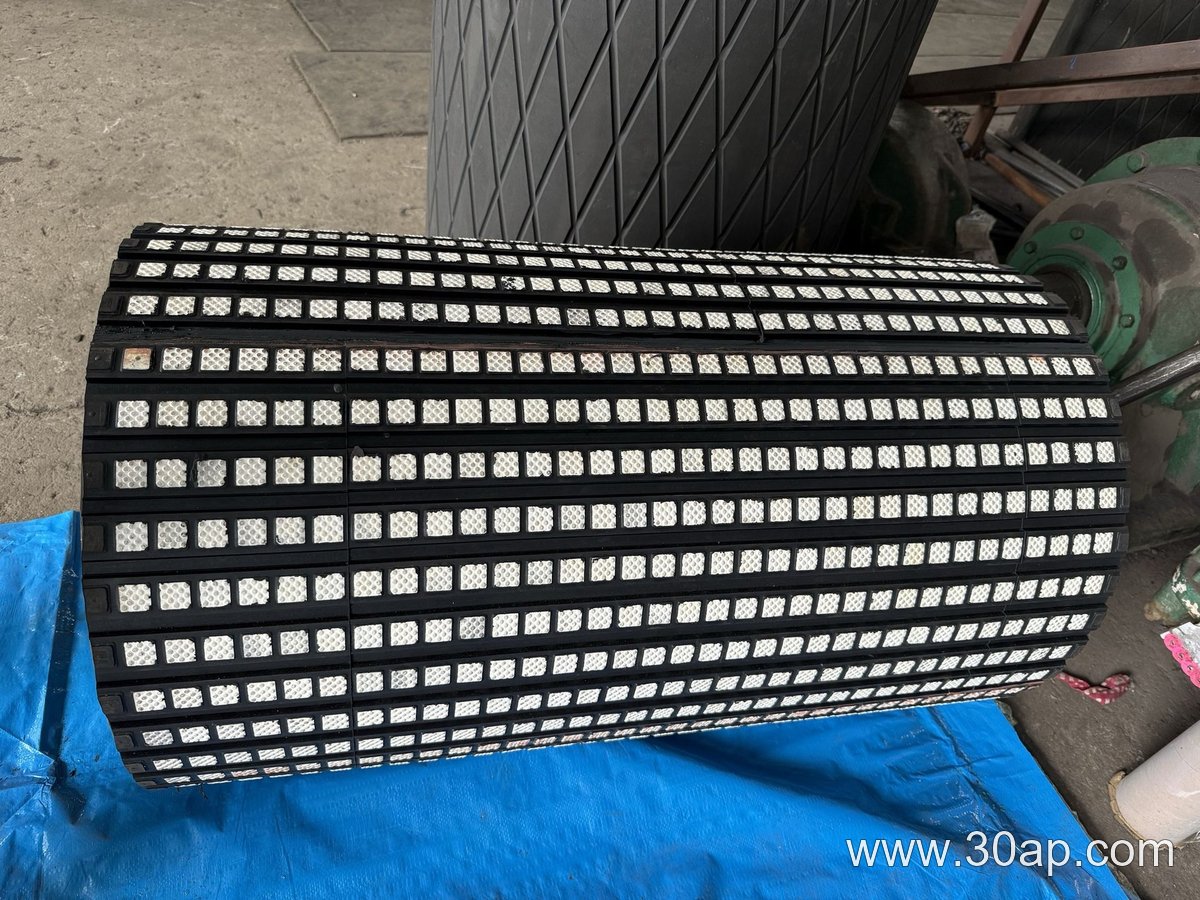
Surface treatment is another decision point. Options include plain finish, hot vulcanized rubber, cold bonded rubber, diamond grooved lagging, herringbone lagging, ceramic lagging, and flat rubber sheet. Lagging thickness commonly falls around 8, 10, 12, 15, or 20 mm. The right choice depends on whether the pulley needs extra grip, wear protection, or both.
Diameters and Belt Widths in Practice
Large-diameter pulleys are usually matched to the belt they carry, but the relationship is not a fixed one-to-one rule. A wider belt does not automatically force one specific diameter, and a given diameter can serve more than one belt width depending on tension, speed, and wrap angle. The table below shows common reference values, not universal specifications.
| Belt width | Typical pulley face width | Example diameter combination |
|---|---|---|
| B800 | about 950 mm | B800 x Ø500 |
| B1000 | about 1150 mm | B1000 x Ø630 |
| B1200 | about 1400 mm | B1200 x Ø1000 |
| B1400 | about 1600 mm | B1400 x Ø800 |
| B1600 | about 1800 mm | B1600 x Ø1250 |
Diameter ranges from about Ø200 mm up to Ø1800 mm can be found across different conveyor duties. A large-diameter unit usually starts where standard sizes no longer provide enough wrap or where belt fatigue becomes a concern. Face width is normally a little wider than the belt, so a B650 belt often runs on a pulley face of roughly 750 mm.
Where These Pulleys Are Used
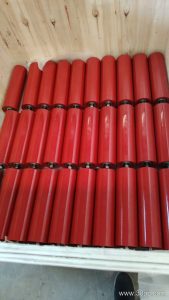
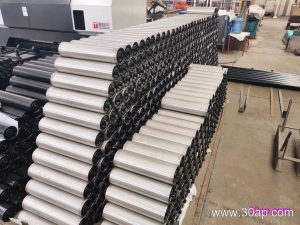
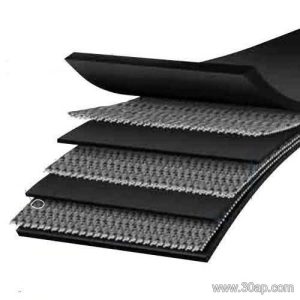
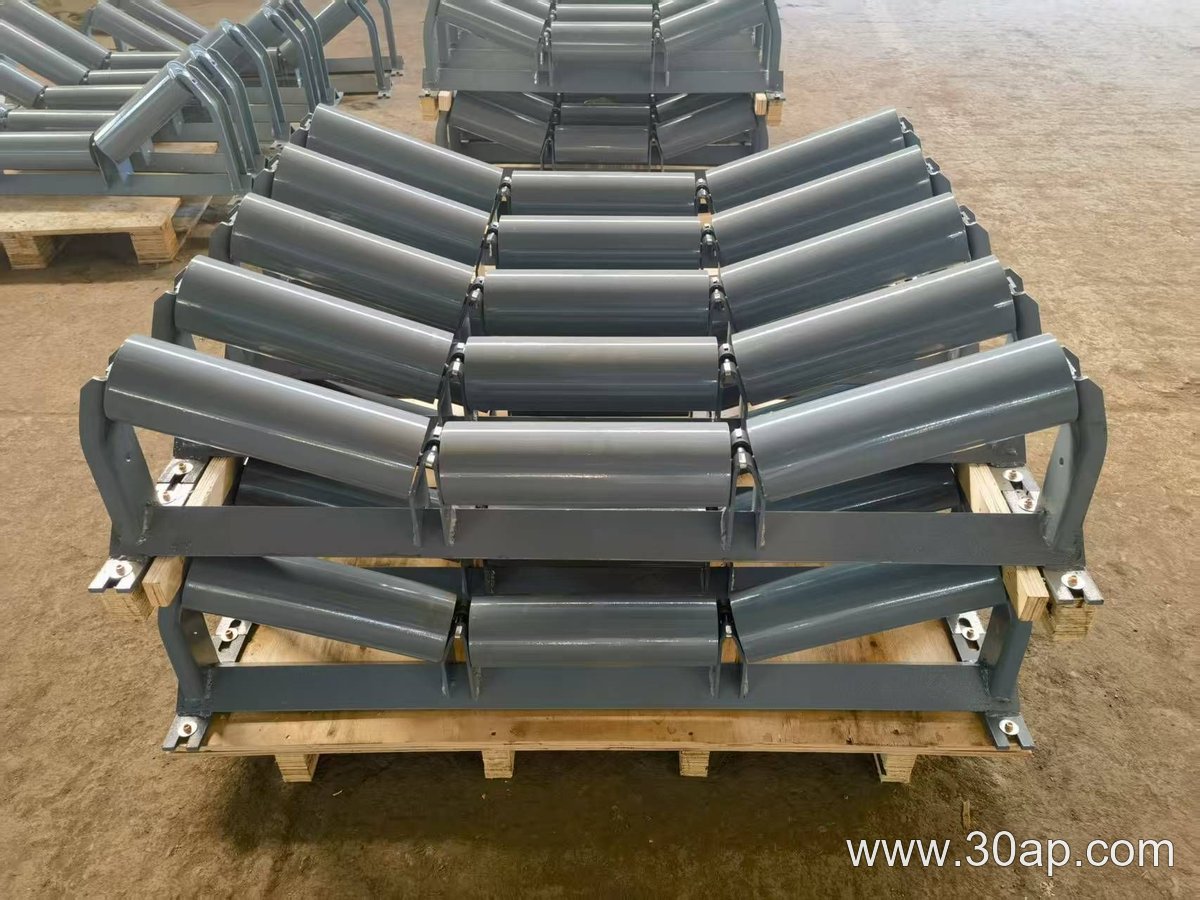
Heavy drum pulleys appear in quarries, limestone mines, iron ore operations, coal preparation plants, aggregate crushing and screening lines, cement clinker handling, and port bulk terminals. In a quarry, a large tail pulley may be chosen to reduce belt stress at the loading point. At a port, a large drive pulley can help transmit high torque without belt slip. The surrounding equipment usually includes the conveyor belt itself, idler rollers that support the belt along the run, and conveyor brackets that hold the pulley assembly in place.
What Buyers Should Check
- Confirm the pulley role: drive, tail, or bend. Each has different loading and lagging requirements.
- Check the required shaft diameter against the calculated torque and bending moment, not against belt width alone.
- Decide on lagging type and thickness based on grip needs, abrasion level, and whether the environment is wet or dusty.
- Verify face width against the actual belt width and the available space in the conveyor bracket.
- Ask for the balancing grade, bearing type, and sealing arrangement, since these affect service life.
- Review the weld quality and shell roundness, because an out-of-round shell can shorten belt life.
A large-diameter conveyor pulley is not simply a bigger version of a standard drum. It changes belt path geometry, load distribution, and maintenance planning. Getting the diameter, lagging, and shaft sizing right at the design stage is usually cheaper than correcting them after the conveyor is running.