What a 1000mm Drive Pulley Is and Where It Fits
A 1000mm drive pulley is a head pulley with a nominal diameter of 1000 mm. It transmits torque from the gearbox or motor to the conveyor belt, and it usually sits at the discharge end of the conveyor. In many bulk handling circuits, this pulley is the main traction point that keeps the belt moving under load. The same product is often called a Ø1000 drive drum or a 1000 mm head drum. Those names describe the same component; they are not different products.
Do not confuse this with a tail pulley, a bend pulley, or a tension pulley. Those pulleys serve different positions and functions. A tail pulley returns the belt at the loading end, a bend pulley changes belt direction, and a tension pulley takes up slack. They are not interchangeable with a drive pulley even when the diameter is the same.
How a 1000mm Drive Pulley Is Built
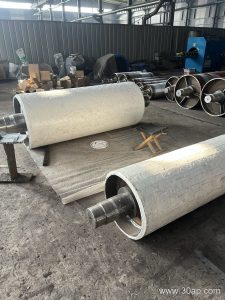
The core of the pulley is a cylindrical shell, usually made from rolled steel plate or seamless pipe. End discs are welded inside the shell, and a shaft passes through the center. The shaft diameter is selected by torque and bending loads, not by belt width alone. Common shaft sizes include Ø120, Ø140, Ø160, Ø180, and Ø200, but the final value must come from the conveyor design.
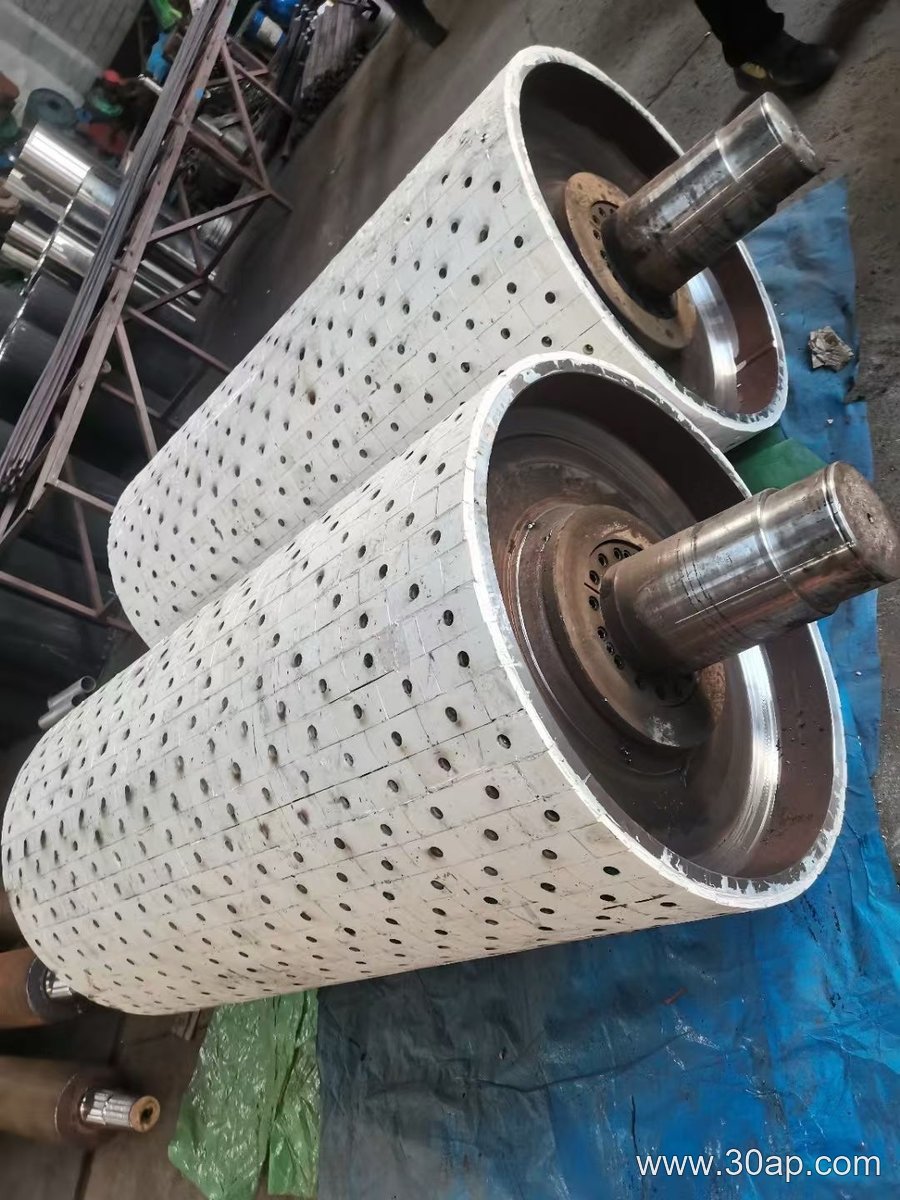
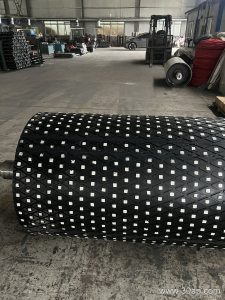
Surface treatment depends on the application. A plain finish may be used in light-duty or dry conditions. Rubber lagging, either cold-bonded or hot-vulcanized, improves grip and protects the shell. Diamond or herringbone patterns help with wet or dirty belts. Ceramic lagging is chosen when abrasion is severe. Lagging thickness commonly ranges from 8 mm to 20 mm, with 10 mm or 12 mm often used in general service.
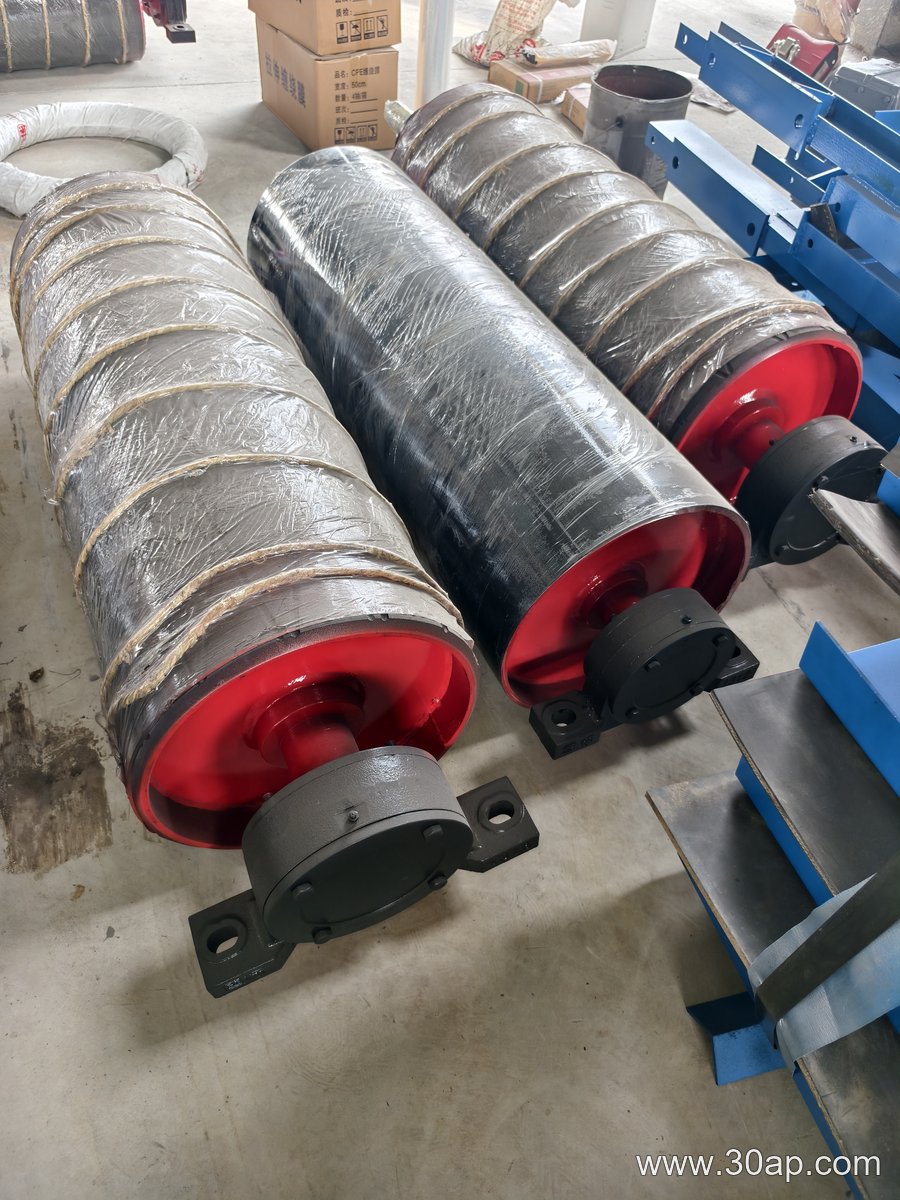
Bearings are mounted in housings on both ends of the shaft. The housings may be bolted to a conveyor bracket or a tensioning frame. For a 1000 mm diameter pulley, the bearing size and housing type are matched to the shaft and the load. A larger diameter does not automatically mean a larger shaft; the drive power, belt tension, and wrap angle all matter.
Where It Is Used
A 1000mm drive pulley appears in medium and large belt conveyors. In a limestone quarry, it may drive a primary crusher discharge belt. In a coal preparation plant, it can be the head pulley on a raw coal conveyor. Other common sites include sand and gravel lines, cement clinker handling, and port bulk terminals. The pulley is also found in tunnel muck conveyors and fertilizer plants where a robust head drive is needed.
When the belt width is B1000, the pulley face width is often around 1150 mm. For B1200, the face is typically about 1400 mm. A 1000 mm diameter can be paired with several belt widths, such as B1000, B1200, or B1400, depending on the belt tension and the required wrap angle. There is no rule that one belt width must match one specific pulley diameter.
What a Buyer Should Check
- Confirm the pulley position: head drive, not tail, bend, or tension. The drawing should state the function clearly.
- Check the shaft diameter and material. Do not assume a shaft size from belt width. Ask for the torque calculation.
- Specify the lagging type and thickness. For wet or oily conditions, diamond or ceramic lagging may be preferred.
- Verify the face width against the conveyor belt width. The pulley face is usually wider than the belt.
- Ask about balancing, runout, and bearing type. These details affect vibration and service life.
- Confirm the mounting dimensions and bracket interface. A 1000mm drive pulley must fit the existing conveyor frame.
A 1000mm drive pulley is a heavy-duty component. It should be selected by the conveyor designer, not by a simple size chart. The right choice balances diameter, shaft, lagging, and bearing capacity with the actual belt tension and duty cycle. When in doubt, request a drawing that shows the shaft, shell, lagging, and bearing assembly before ordering.