What a PVC Conveyor Belt Is
A PVC conveyor belt is a light-duty conveyor belt whose carcass is coated and impregnated with polyvinyl chloride. In everyday plant language it is also called a PVC belt or a PVC conveyor belting, and those names point to the same product. It is not a heavy-duty rubber belt for hauling ore, nor is it a replacement for a steel cord belt on a long overland system. Its role is quieter and smaller: moving packaged goods, food items, small parts, and light bulk materials along relatively short runs.
The PVC compound gives the belt a smooth, easy-to-clean surface and good resistance to water, many oils, and common chemicals. That combination is why it appears so often in food processing, packaging, and assembly lines where hygiene and quick washdown matter.
How the Belt Is Built
Most PVC belts start with a woven fabric carcass, often polyester or a polyester-cotton blend. The fabric carries the tension and keeps the belt from stretching too much under load. The PVC layer is applied to one or both faces, then the assembly is cured and cut to the required width.
- Fabric plies, usually two to four in light conveying service
- PVC top cover, often with a matte or glossy finish
- PVC bottom cover for grip on the pulleys
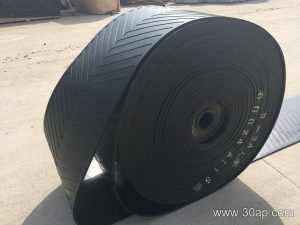
- Optional profiles, cleats, or sidewalls for inclined transport
Anti-static and flame-retardant grades are available for areas where sparks or fire risk must be controlled. A food-grade PVC compound is also common, though the exact approval depends on the supplier and the local regulation that applies.
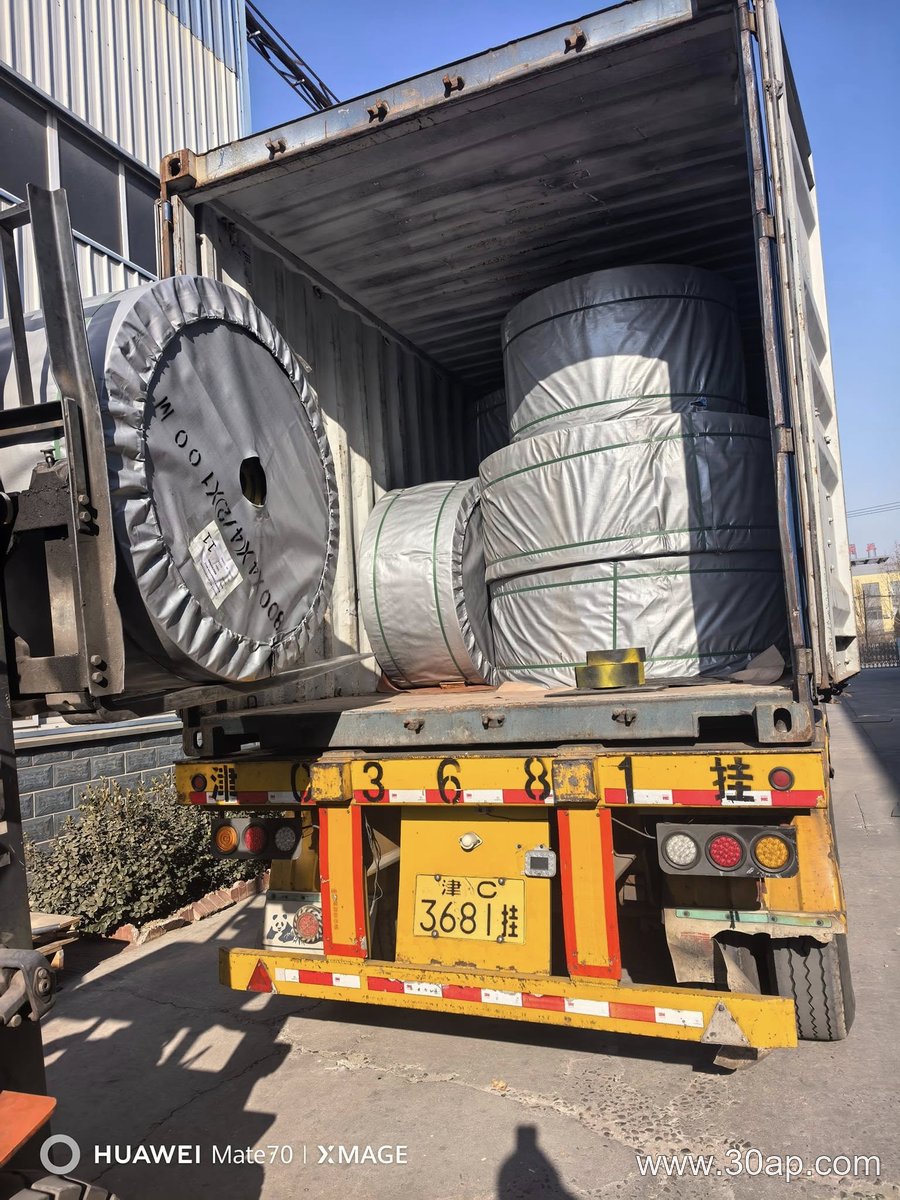
Where It Fits on the Conveyor
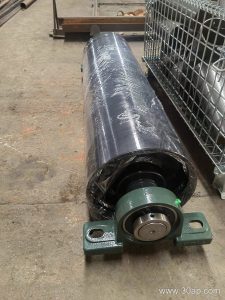
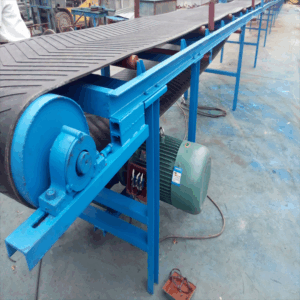
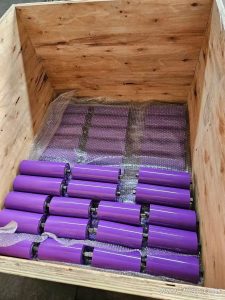
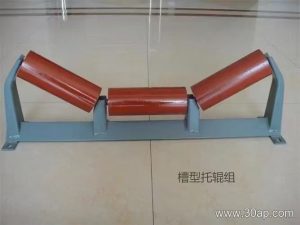
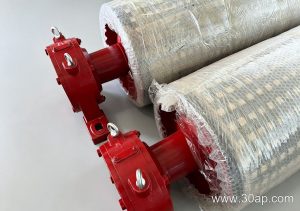
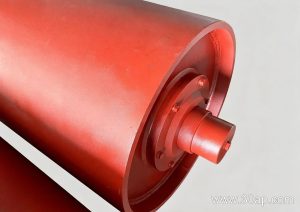
On a typical light-duty conveyor, the belt runs over a drive pulley at the head end and a tail pulley at the return end. Between them, a conveyor pulley or an idler roller may support the belt on the carrying side, and a small conveyor bracket holds the roller or pulley in position. The drive pulley pulls the belt; the tail pulley mainly guides it. These parts are not interchangeable, and a belt that slips or tracks poorly is often a sign that one of them is misaligned rather than a fault in the belt itself.
The belt is usually chosen with a width that matches the frame and the load. Common industrial widths include B500, B650, B800, and B1000, but a smaller or larger width can be made for a specific machine. Belt width and pulley diameter are separate design choices, and a single width does not lock the conveyor into one pulley size.
Where PVC Belts Are Used
You will see this belting in bakeries, vegetable and fruit lines, bottling plants, parcel handling, and small parts assembly. It also works well on checkweighers, incline conveyors with cleats, and packaging machines that need a smooth, low-noise surface. Because the cover is easy to wipe down, it suits operations where product residue must be removed between shifts.
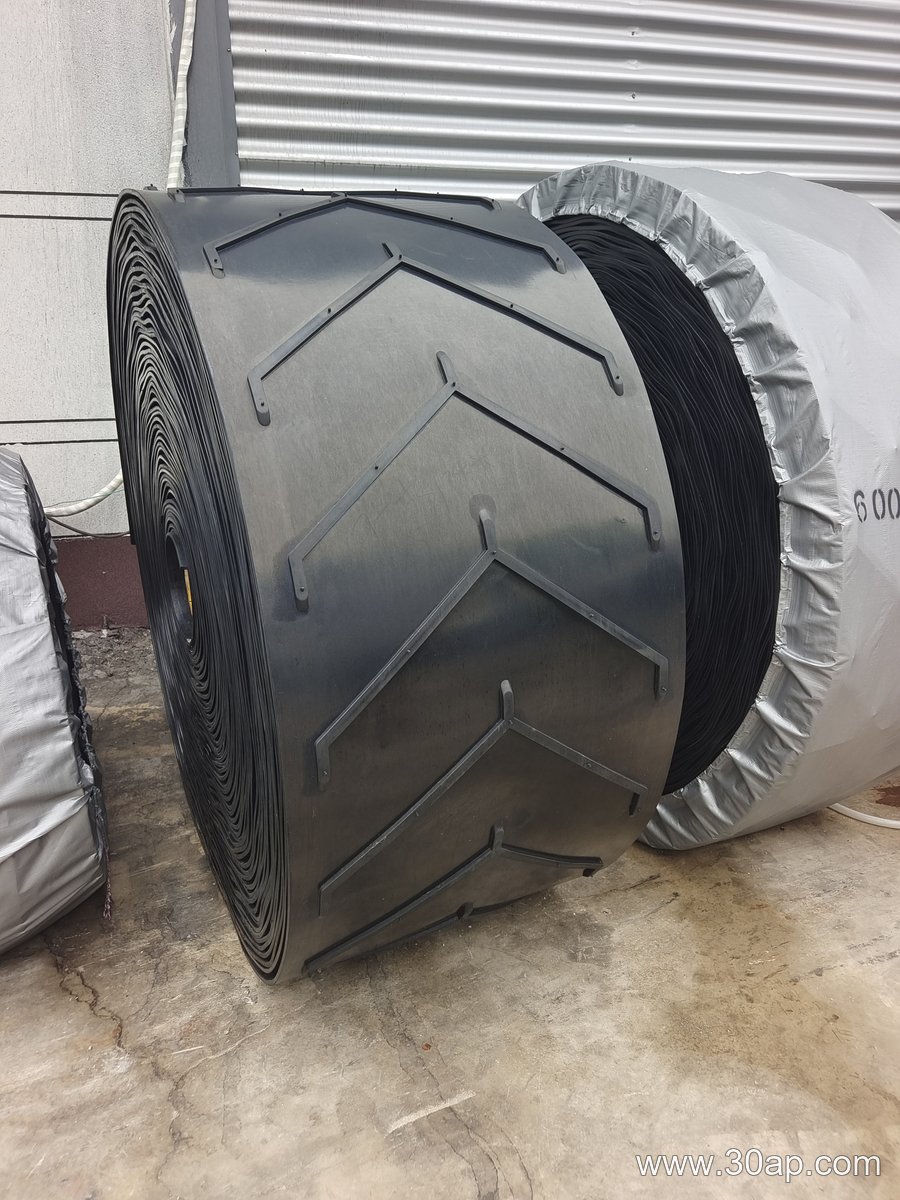
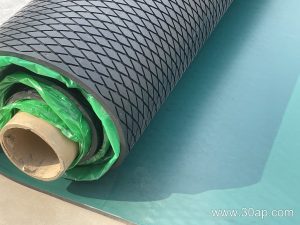
A rough-top or patterned PVC belt can be used on inclines to stop products from sliding back. A cleated version is another option when the angle is steeper. These are surface forms of the same PVC belt family, not different product categories.
What a Buyer Should Check
Before ordering, confirm the belt width, the number of plies, the cover thickness on each face, and whether the surface should be smooth, matte, or patterned. Cover grades such as 3+1.5 mm or 4+2 mm are common references, but they are not universal requirements. The right figure depends on the load, the pulley diameters, and the environment.
Ask about the working temperature range, since standard PVC softens in high heat and becomes stiff in deep cold. If the line handles oily food or cleaning chemicals, say so, because the PVC compound may need a different formulation. For conveyors with small pulleys, a thinner belt with fewer plies usually tracks better than a stiff, heavy one.
Finally, check the splice. A PVC belt can be joined with a mechanical fastener or a heat-welded splice. A welded joint gives a smoother surface and is often preferred on food lines, while a mechanical splice is faster to install and easier to replace in the field.