What an Intermediate Bend Pulley Does
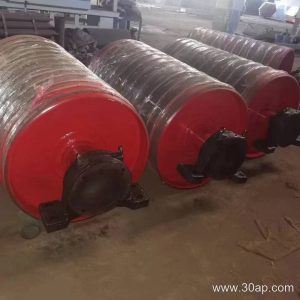
An intermediate bend pulley is a non-driven conveyor pulley that changes the direction of a conveyor belt along its path. It does not pull the belt the way a drive pulley does, and it does not set the belt tension the way a tail or tension pulley does. Instead, it guides the belt around a bend, helping the belt follow the required routing before it reaches the next section of the conveyor. This makes the intermediate bend pulley a routing and support component, not a power source.
Because the belt wraps around the pulley, friction and alignment matter. A poorly matched intermediate bend pulley can cause belt drift, edge wear, or excess load on the conveyor bracket. A well-chosen one keeps the belt tracking smoothly through the bend, which reduces maintenance and downtime.
Construction Features of an Intermediate Bend Pulley
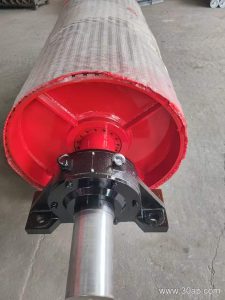
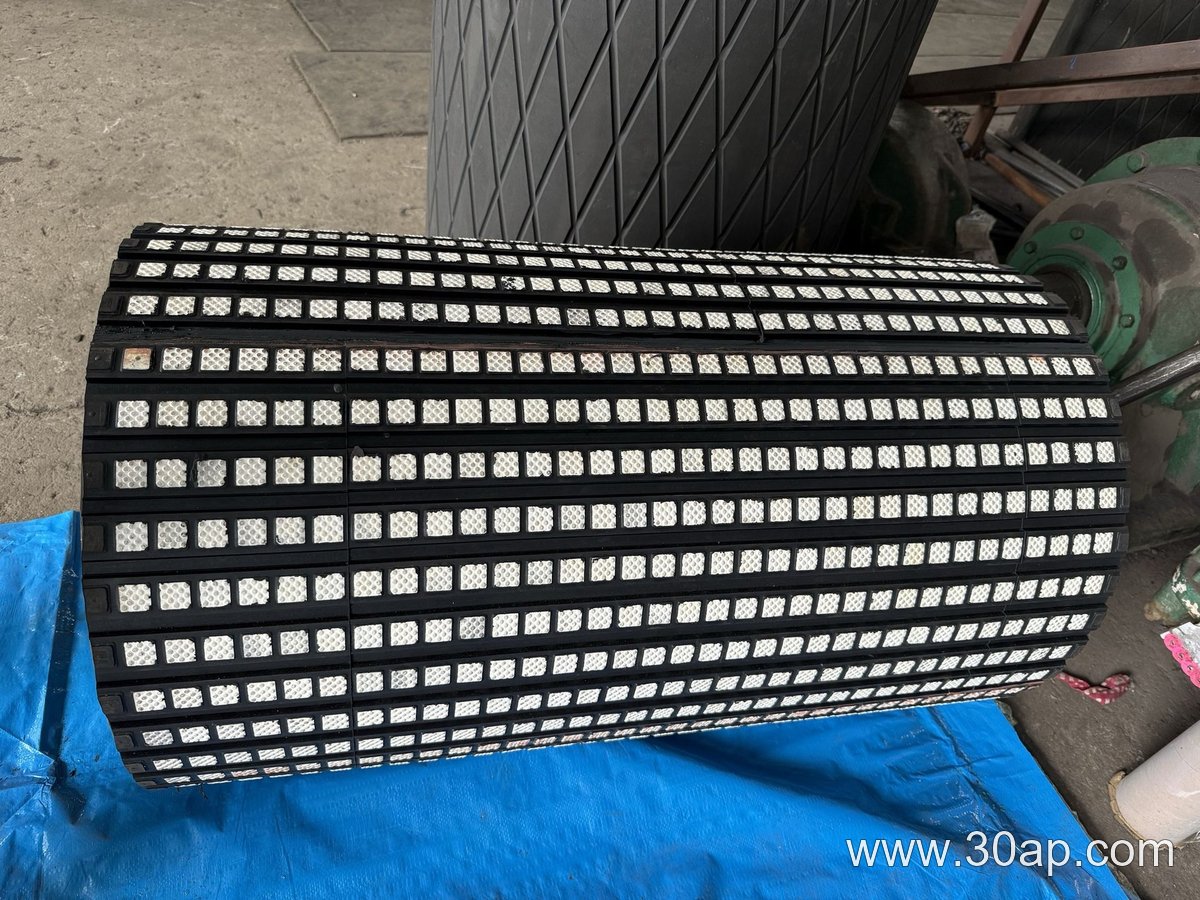
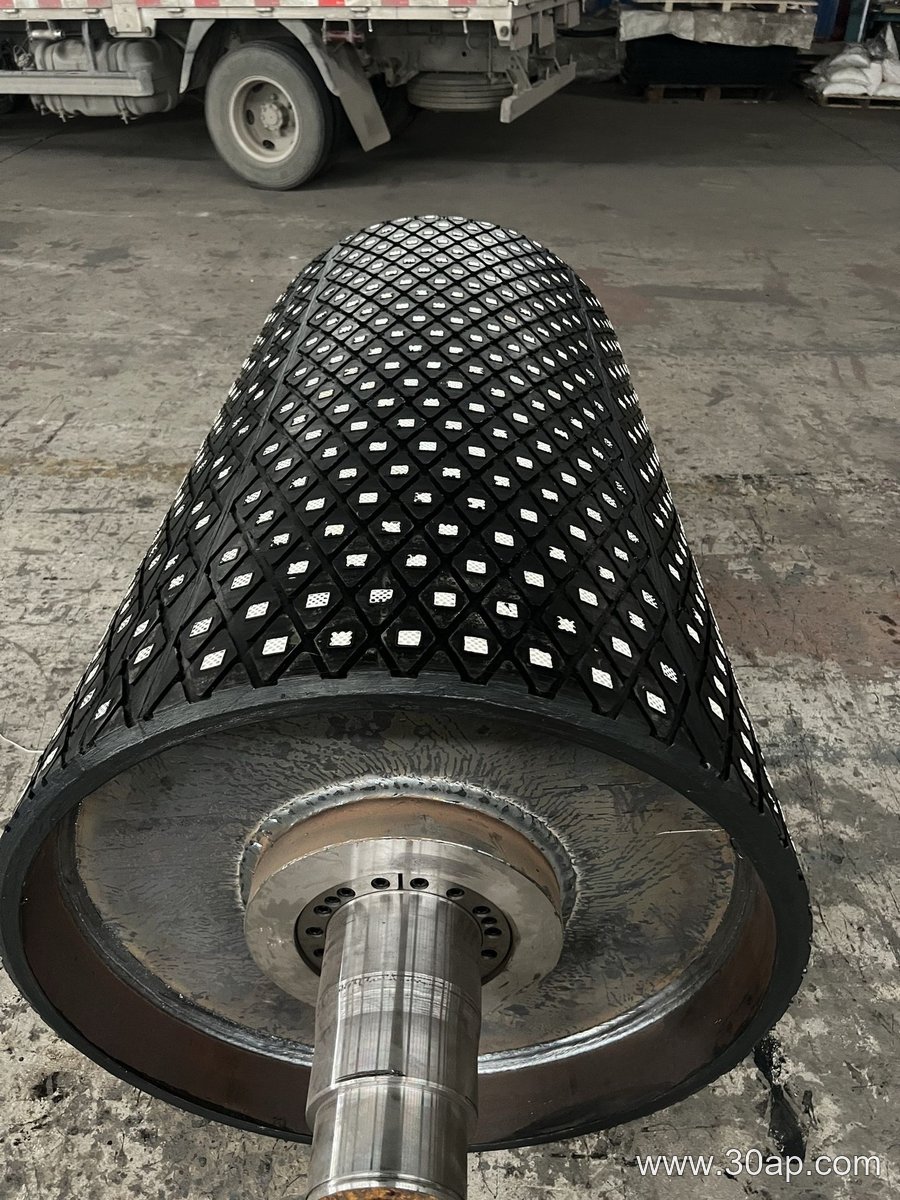
The pulley body is usually a steel cylinder with a machined face, fitted with end discs and a shaft. The shell may be smooth or covered with a rubber lagging. Common surface forms include plain, cold-bonded rubber, hot vulcanized rubber, diamond lagging, and ceramic lagging. Lagging thickness is often 8, 10, 12, 15, or 20 mm, depending on the belt and the environment.
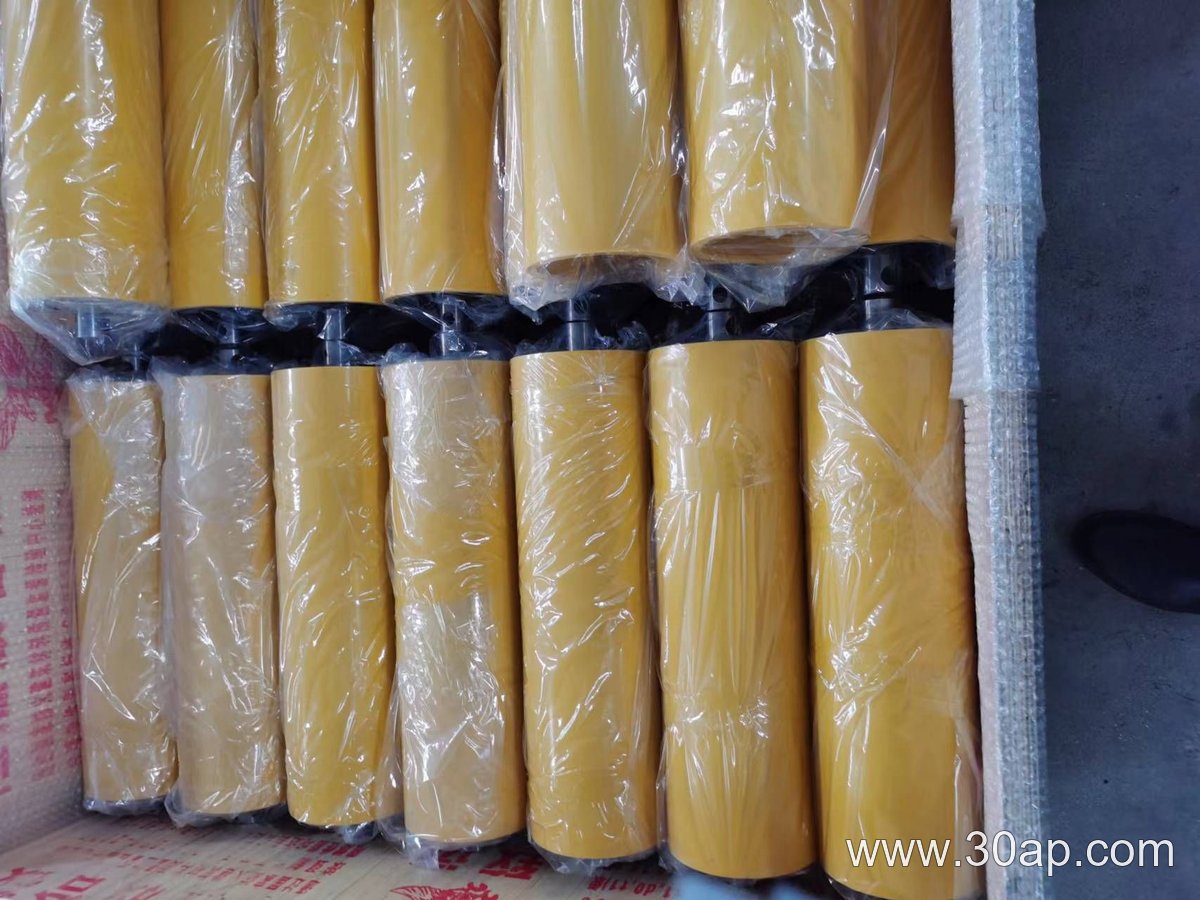
The shaft is selected by torque and load, not by belt width alone. Common shaft diameters include Ø50, Ø60, Ø70, Ø80, Ø90, Ø100, Ø120, Ø140, Ø160, Ø180, and Ø200. The pulley diameter is matched to the belt, the wrap angle, and the space available. For example, B800 can be paired with Ø500, and B1200 with Ø1000, but these are reference combinations, not fixed rules. A larger diameter generally reduces belt bending stress, while a smaller one saves space.
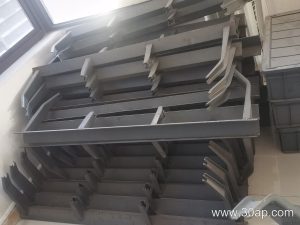
Bearings are mounted in housings at each end. The pulley may be fixed to the conveyor frame with a conveyor bracket, or it may be part of a tensioning carriage. The face width is usually wider than the belt. For instance, B650 often uses a face around 750 mm, and B1000 around 1150 mm. The exact face width follows the belt and the required edge clearance.
Where It Fits in a Conveyor
This pulley is used where the belt must change direction between the head and tail. Typical locations include the return run, a transfer point, or a section where the belt is routed around an obstacle. It is common in long overland conveyors, crushing and screening lines, and aggregate plants. It also appears in coal handling, cement clinker transport, and port bulk terminals.
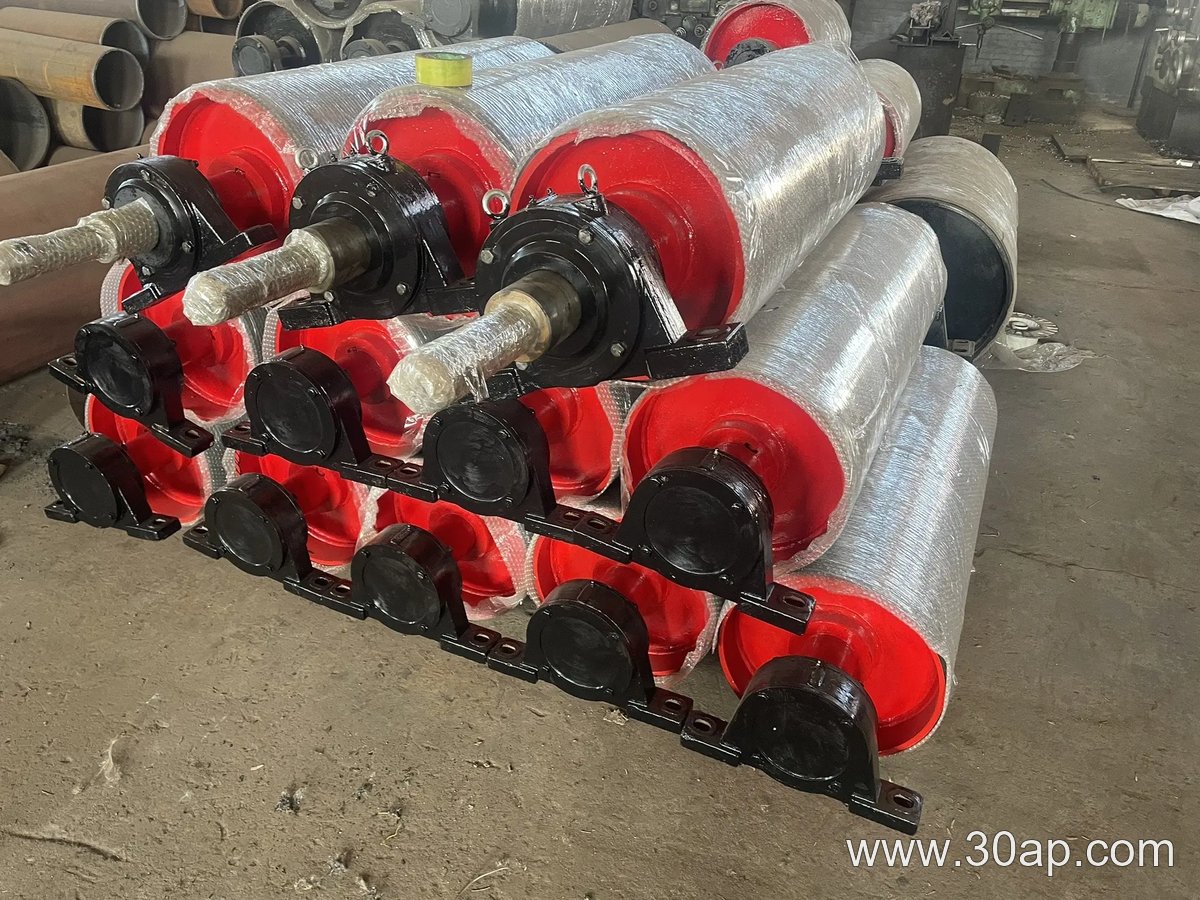
Do not confuse it with a drive pulley, which transmits power, or a tail pulley, which returns the belt at the loading end. A bend pulley only redirects. It may look similar to a tension pulley, but a tension pulley is part of the take-up system, while a bend pulley mainly controls direction. A snub pulley increases wrap angle on a drive pulley, which is another distinct function.
Selection and Buying Notes
- Confirm the belt width, such as B400, B650, B800, B1000, B1200, or B1400, and the required face width.
- State the pulley diameter you need. Common sizes include Ø200, Ø250, Ø315, Ø320, Ø400, Ø500, Ø630, Ø800, Ø1000, Ø1250, and larger.
- Choose the lagging based on grip and wear. Plain face is used where tracking is stable; rubber or ceramic lagging helps where slip or abrasion is a concern.
- Specify the shaft diameter from the actual torque and load. Do not assume a fixed shaft size from belt width.
- Check the bearing type, sealing, and lubrication method for the site conditions.
- Confirm the mounting style, including the conveyor bracket and any take-up arrangement.
For maintenance, inspect the lagging for wear, check that the pulley turns freely, and verify alignment with the conveyor belt. A worn or misaligned intermediate bend pulley can affect the whole conveyor, so it is worth replacing before the belt is damaged.
Working With the Rest of the Conveyor
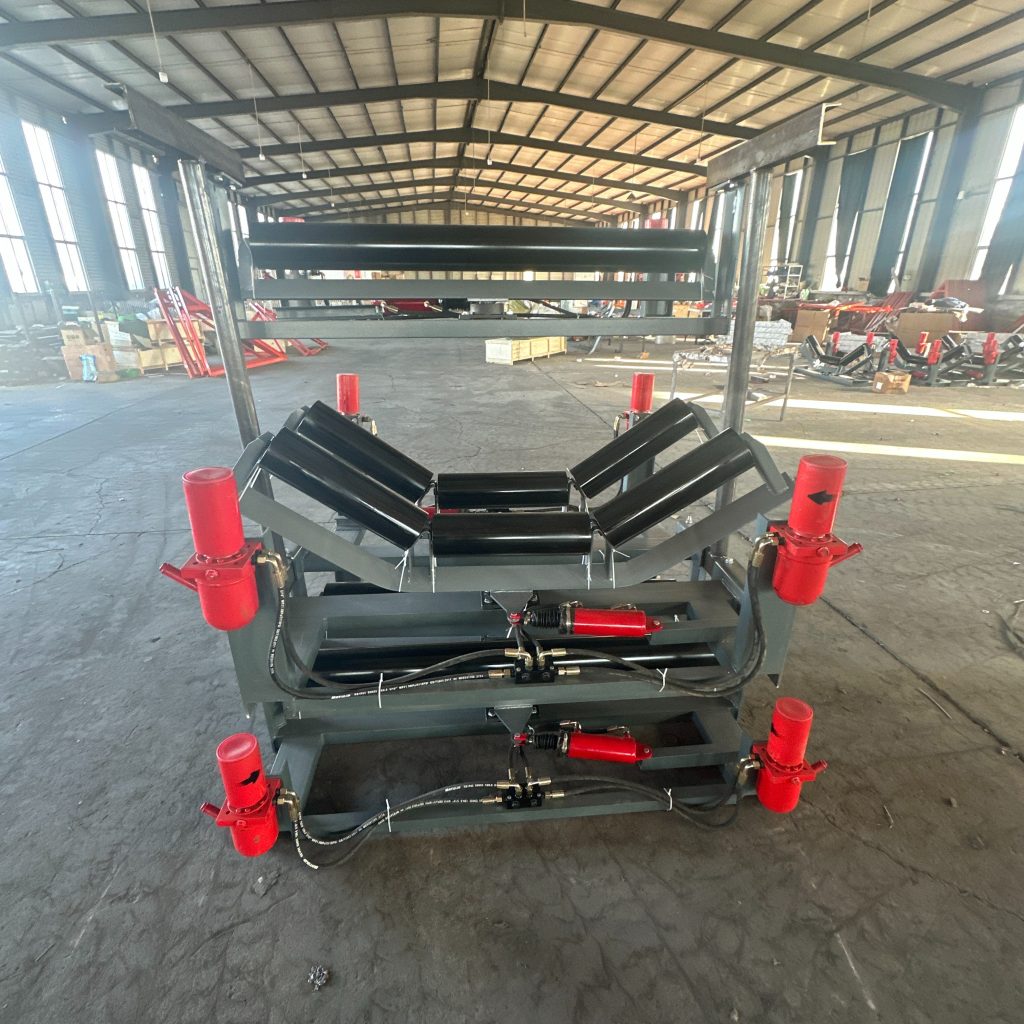
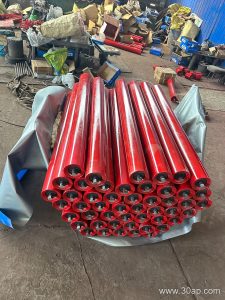
The intermediate bend pulley works with the conveyor belt, idler rollers, and the main conveyor pulleys. It should be aligned with the belt path and supported by a rigid bracket. When a conveyor has several bends, each pulley may need a different diameter or lagging, depending on the wrap angle and the material being carried. Buyers should share the belt speed, belt width, load, and routing layout so the supplier can recommend a suitable pulley without guessing.
In short, an intermediate bend pulley is a simple but important part of a conveyor. It keeps the belt on track, reduces unnecessary stress, and helps the system run efficiently. Selecting it by application rather than by a single size chart is the most reliable approach.