What an Oil Resistant Conveyor Belt Is
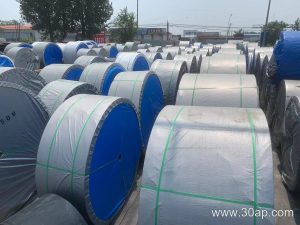
An oil resistant conveyor belt is a rubber-covered belt designed to carry materials that contain mineral oils, vegetable oils, animal fats, or oily residues without the cover swelling, softening, or cracking too quickly. It is not a single universal product. The cover compound, the carcass, and the construction are chosen together so the belt can handle a specific oil exposure while still tracking and flexing on the conveyor structure.
Buyers often see this product listed as an oil-resistant rubber conveyor belt or an oil-proof conveyor belt. Those are accurate short names for the same item. The key distinction is the oil resistance of the cover, not the color of the belt or the brand name printed on it.
How the Belt Is Built
The main body of an oil resistant conveyor belt is a fabric or steel cord carcass covered with rubber on both sides. Common carcass options include EP (polyester-cotton) and NN (nylon-nylon) fabric plies, usually two to six layers for general duty. Heavy-duty oil handling may use a steel cord carcass, though that choice depends on the load and the conveyor layout.
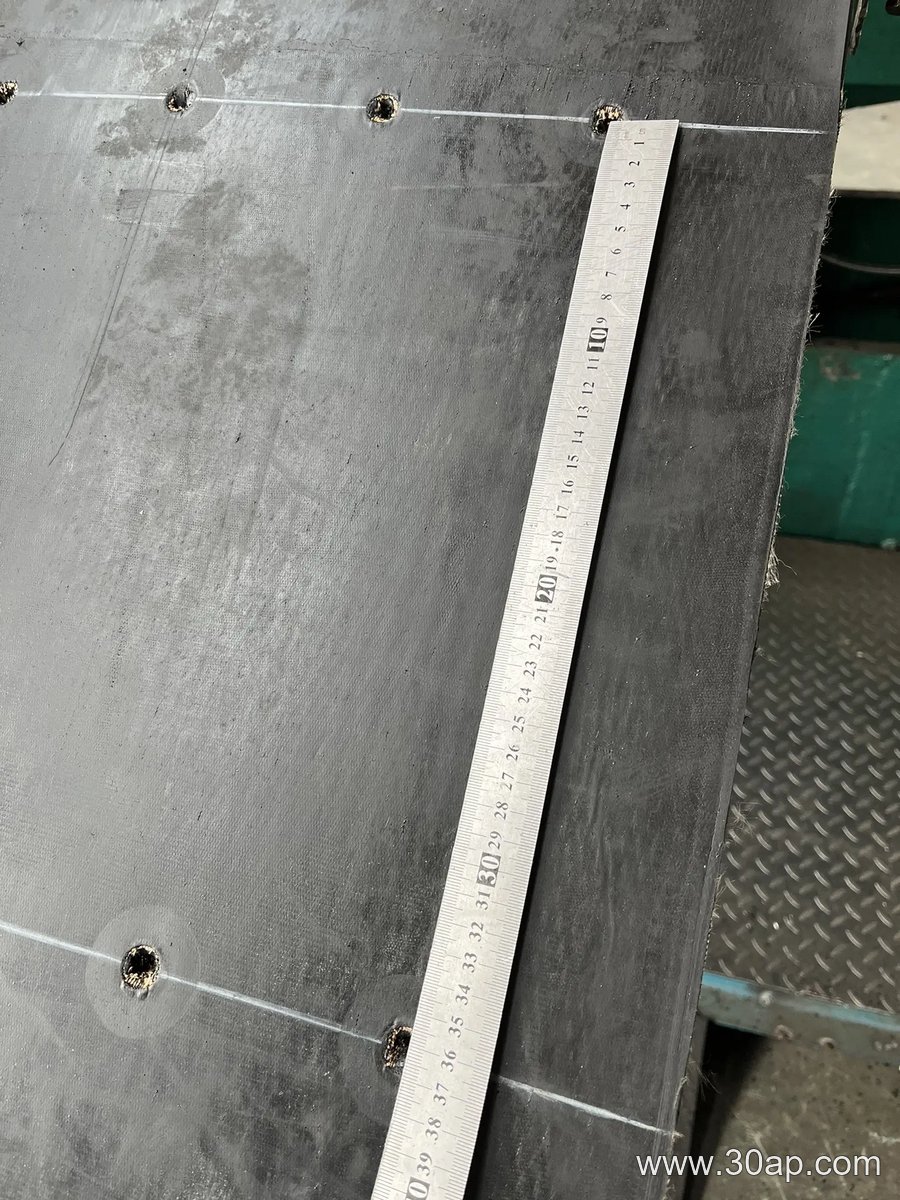
The cover compound is where oil resistance lives. Instead of a standard natural rubber or SBR cover, the manufacturer selects a polymer system that resists oil absorption. Nitrile rubber is a frequent base because it has good resistance to many mineral and vegetable oils. The cover is then vulcanized to the carcass under heat and pressure. Cover thickness is often specified in millimeters, for example 3+1.5, 4+2, or 6+2 mm, where the first number is the top cover and the second is the bottom cover. These are common reference values, not a fixed requirement for every conveyor.
Where It Is Used
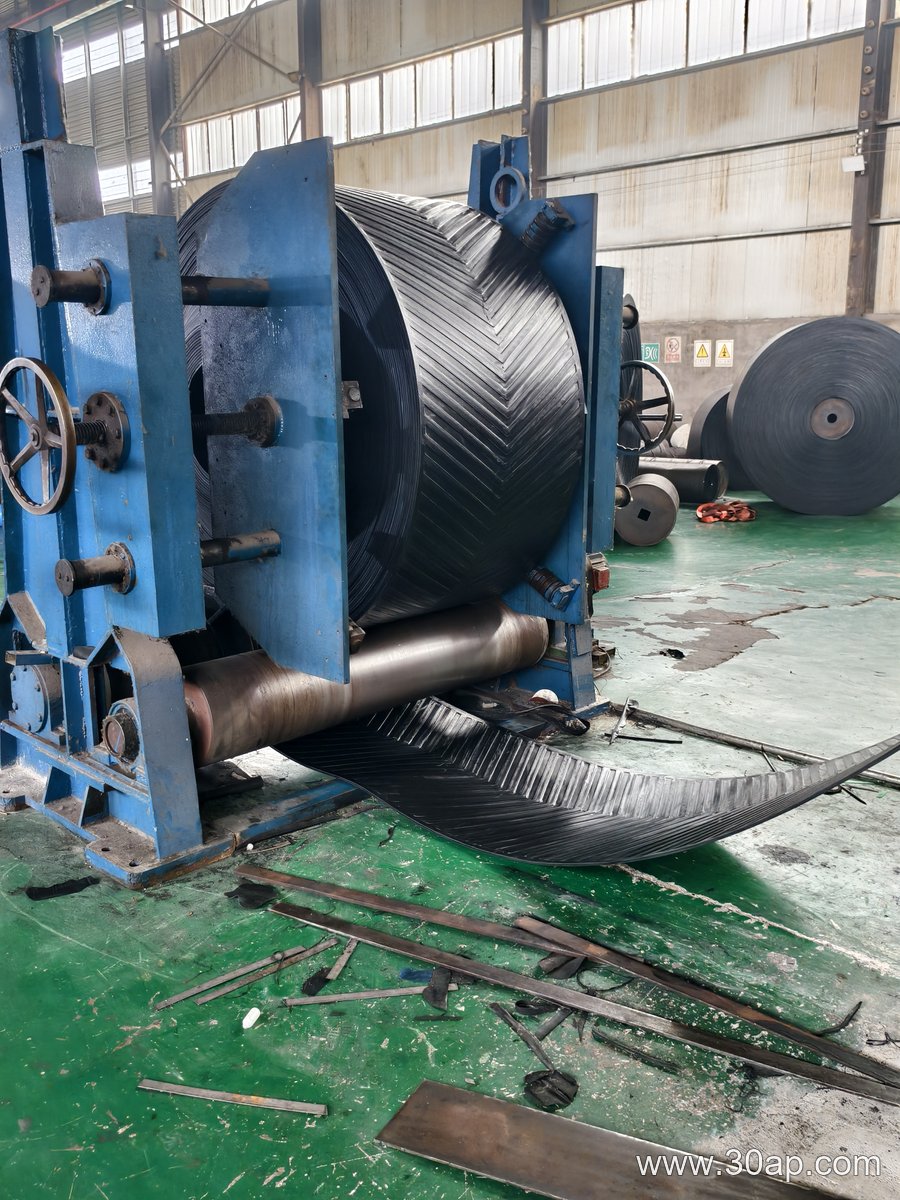
Oil resistant belts appear wherever the conveyed material leaves an oily film. Examples include scrap metal handling, machine shop chips, recycled paper and cardboard, wood chips with lubricant residue, food processing lines that handle oily seeds or fried products, and bulk handling of oily sludge or oily sand. In these duties the belt may also see abrasion, heat, or sharp edges, so oil resistance is only one part of the selection.
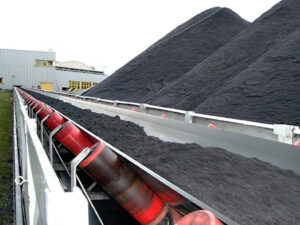
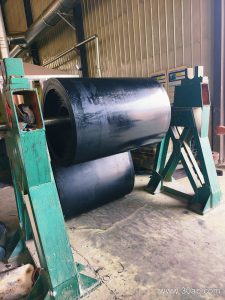
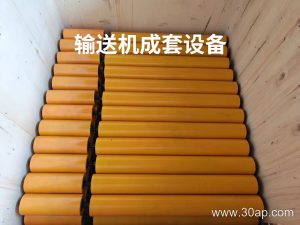
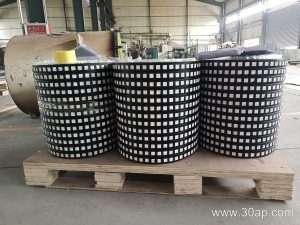
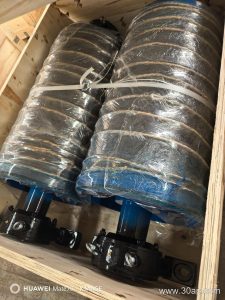
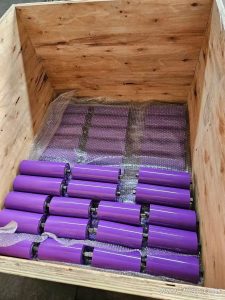
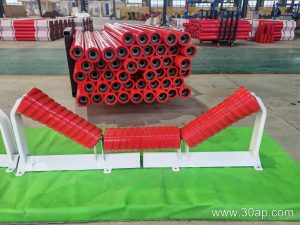
The belt runs over a conveyor pulley at the head and tail, and it is supported along the carrying side by idler rollers. A conveyor bracket holds those rollers and pulleys in alignment. If the oil attacks the belt cover, the belt can swell, change length, or lose its grip on the drive pulley. That is why the cover compound matters as much as the belt width or the tension rating.
What a Buyer Should Know
Start with the oil itself. Mineral oil, vegetable oil, and animal fat do not behave the same way in rubber. A belt that performs well with one may not perform well with another. Tell the supplier the oil type, the temperature, the concentration, and how long the belt stays in contact with the oily material.
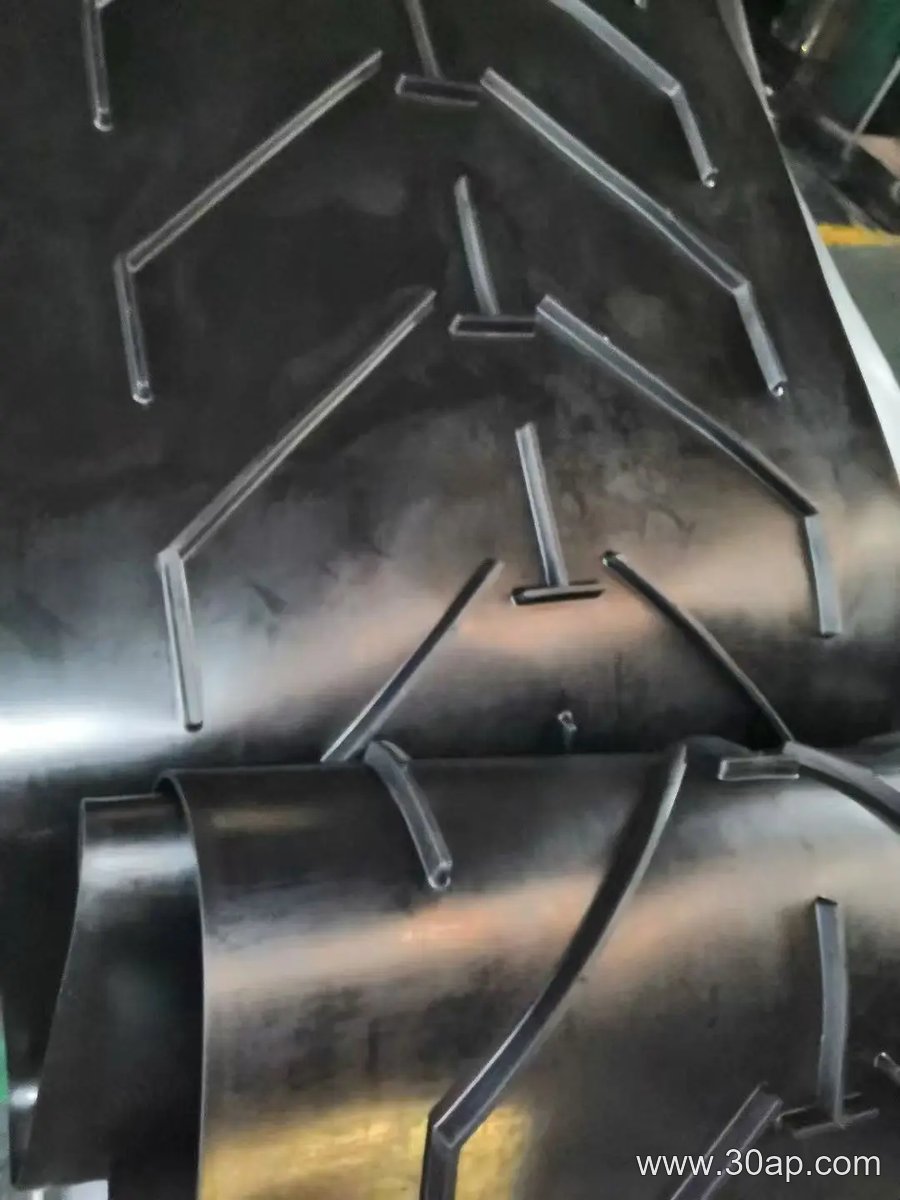
Next, check the full duty. A belt may be marked EP200, EP400, or EP630 for tensile strength, but the oil resistance comes from the cover, not the strength grade. Widths such as B500, B650, B800, or B1000 are chosen from the conveyor design and the lump size, not from a fixed table. A wider belt does not automatically need a larger pulley, and a given belt width does not lock the conveyor into one pulley diameter. Those values are set by the conveyor designer.
Also ask about the carcass. An oil resistant cover on a standard carcass may still work, but if oil reaches the fabric plies through a cut or a splice, the carcass can separate. For severe duty, a belt with an oil resistant cover and a compatible skim coat between plies is a better choice.
- Confirm the oil type and operating temperature before ordering.
- Match the cover grade to the mechanical duty: abrasion, impact, or heat may also be present.
- Check the splice method, because an open splice can let oil into the carcass.
- Review the pulley and idler roller condition, since worn rollers can damage any cover.
- Store spare belts away from oils, solvents, and direct sunlight.
An oil resistant conveyor belt is a targeted product, not a general-purpose belt. When the cover compound, carcass, and conveyor hardware are chosen together, the belt lasts longer and the maintenance cost stays under control.