Identifying Sideway Drift on a Wet Outdoor Conveyor Bracket
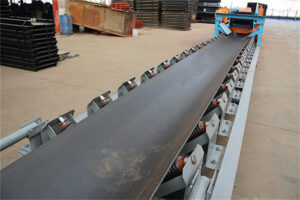
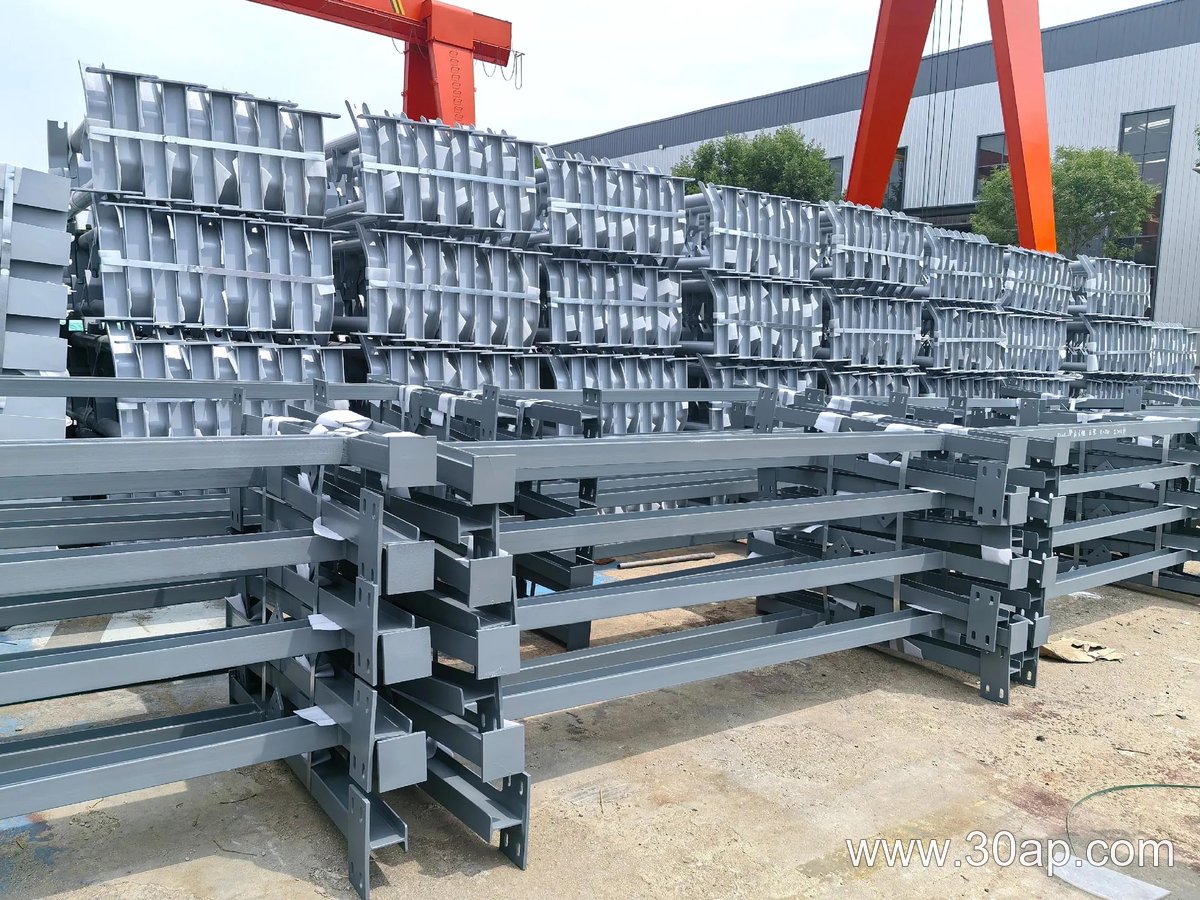
A common misconception is that persistent belt tracking errors on an exposed system stem entirely from stretched belting or uneven cargo loading. In practice, when dealing with a wet outdoor conveyor, the root cause frequently lies in structural shifting or corrosion at the conveyor bracket mountings. Rain, humidity, and temperature swings accelerate foundation settling and rust accumulation around fastening points, causing the conveyor bracket to twist out of true alignment. This subtle angular displacement alters the plane of the idler rolls, gradually steering the belt off its intended path.
Step-by-Step Troubleshooting Sequence
Resolving lateral belt drift requires a systematic diagnostic approach to isolate structural deformation from routine wear. Technicians should execute the following verification steps during a scheduled shutdown:
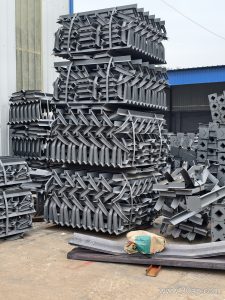
- Inspect visual condition: Check the welded joints and bolted connections of the conveyor bracket for signs of rust scaling, pitting, or hairline fractures exacerbated by moisture exposure.
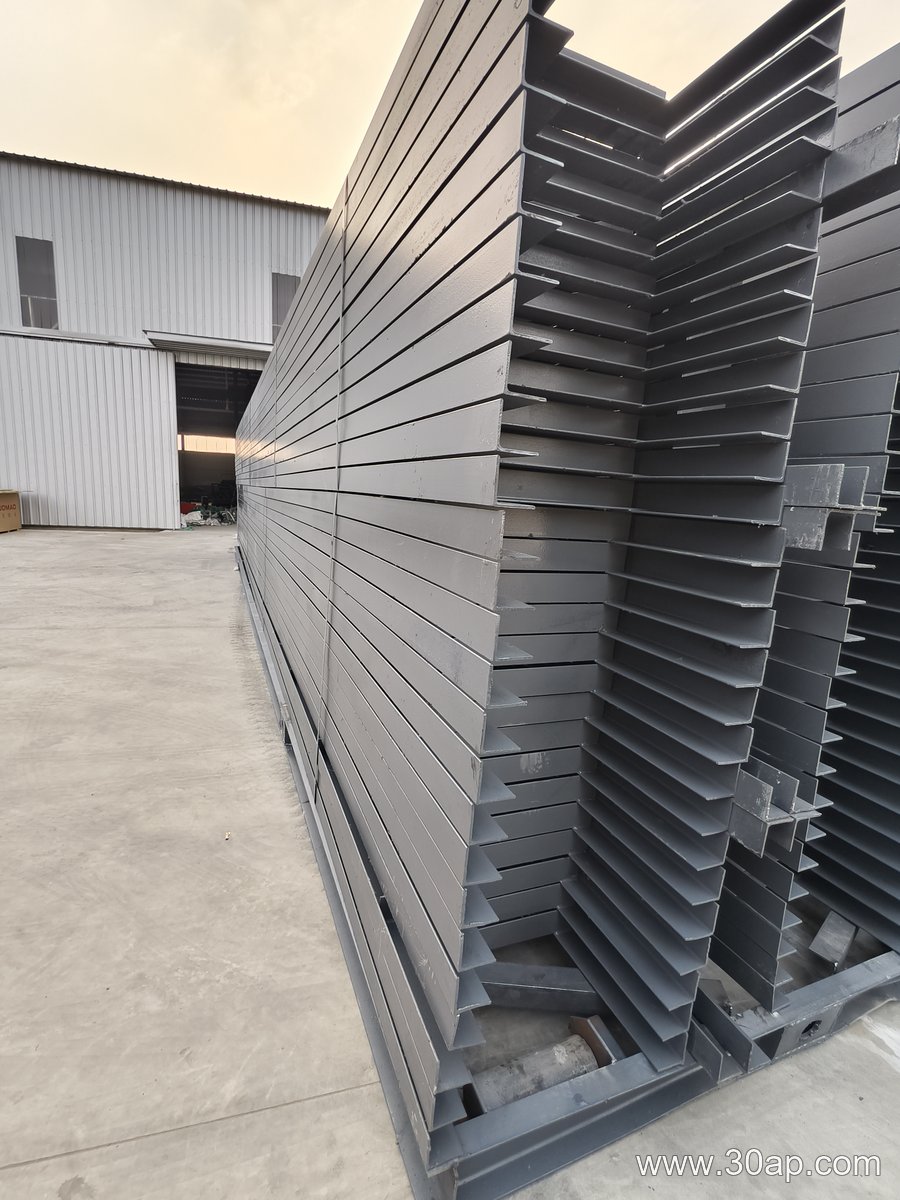
- Measure squareness: Use a precision framing square or laser alignment tool to verify that the face of the conveyor bracket remains perpendicular to the stringer and parallel to adjacent assemblies.
- Check hardware torque: Examine anchor bolts and clamping hardware. Moisture ingress can lubricate threads or cause localized metal thinning, leading to loose mountings that pivot under belt tension.
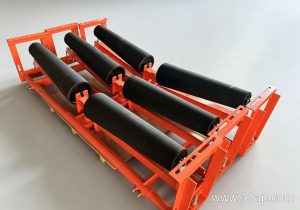
- Evaluate idler roll interaction: Confirm that the rollers supported by the conveyor bracket rotate freely without binding, as wet fines can pack into bearings and create asymmetric drag forces.
Corrective Adjustments and Remediation
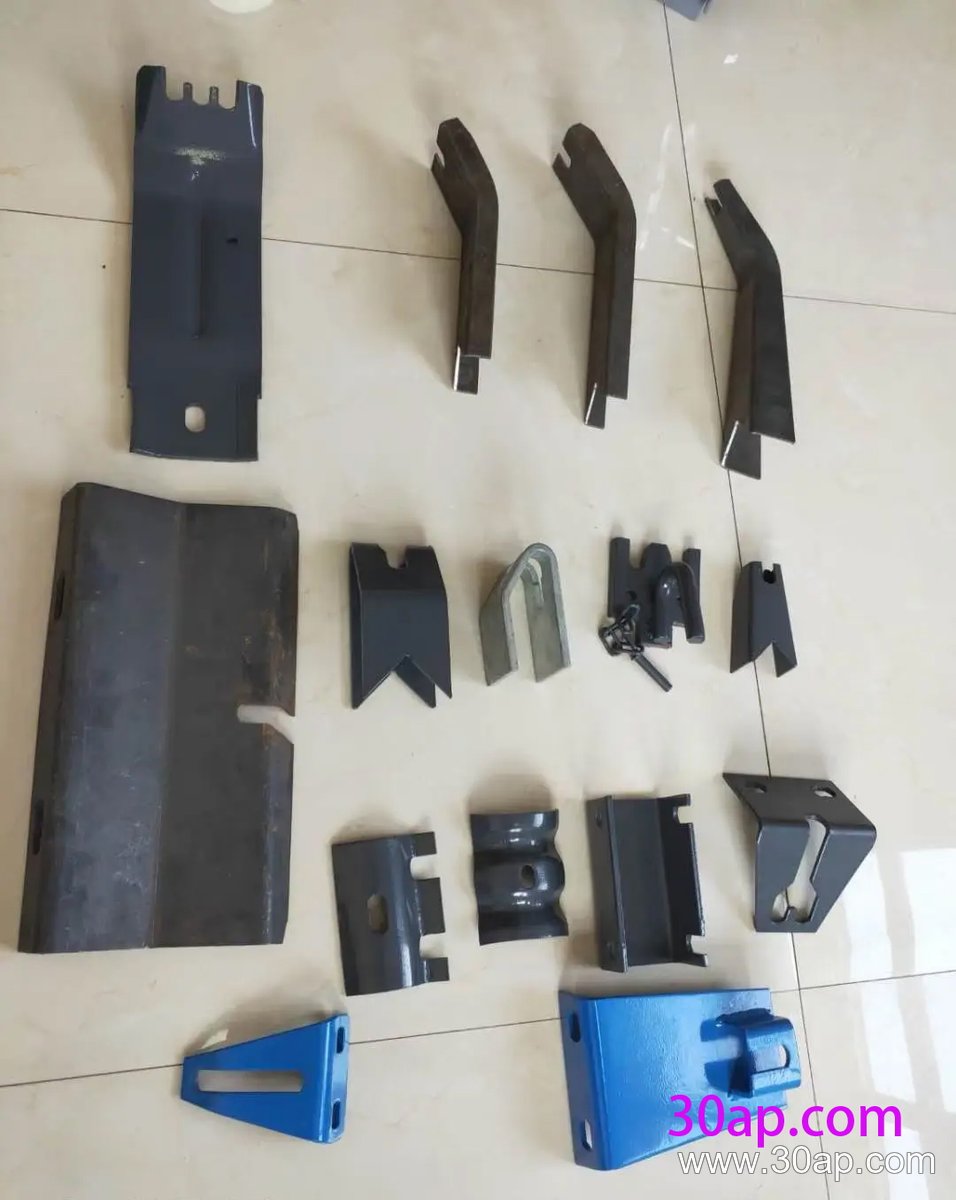
Once the misaligned conveyor bracket is identified, corrective action must restore proper geometry without inducing high internal stresses. If mounting slotted holes allow, loosen the fasteners slightly, tap the assembly back to its baseline datum position using a soft mallet, and torque all hardware to engineering specifications. In environments subject to heavy moisture and chemical washdowns, verify that corrosion-resistant shims are used to correct minor leveling discrepancies rather than forcing the steel framework out of tolerance.
Preventing Recurrent Alignment Failures
Long-term operational stability demands proactive protection against environmental degradation. Applying heavy-duty protective coatings or specifying hot-dip galvanized finishes helps prevent the rust creep that destabilizes a wet outdoor conveyor bracket. Additionally, introducing scheduled torque checks into routine maintenance prevents vibration and moisture-induced loosening from converting minor structural shifts into catastrophic belt tracking failures.