Structural Differences Between Cast Drum and Welded Steel Subtypes
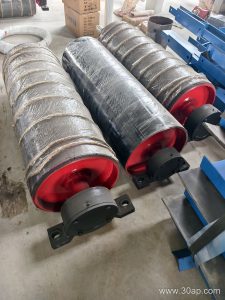
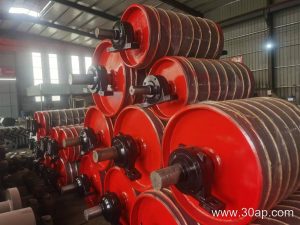
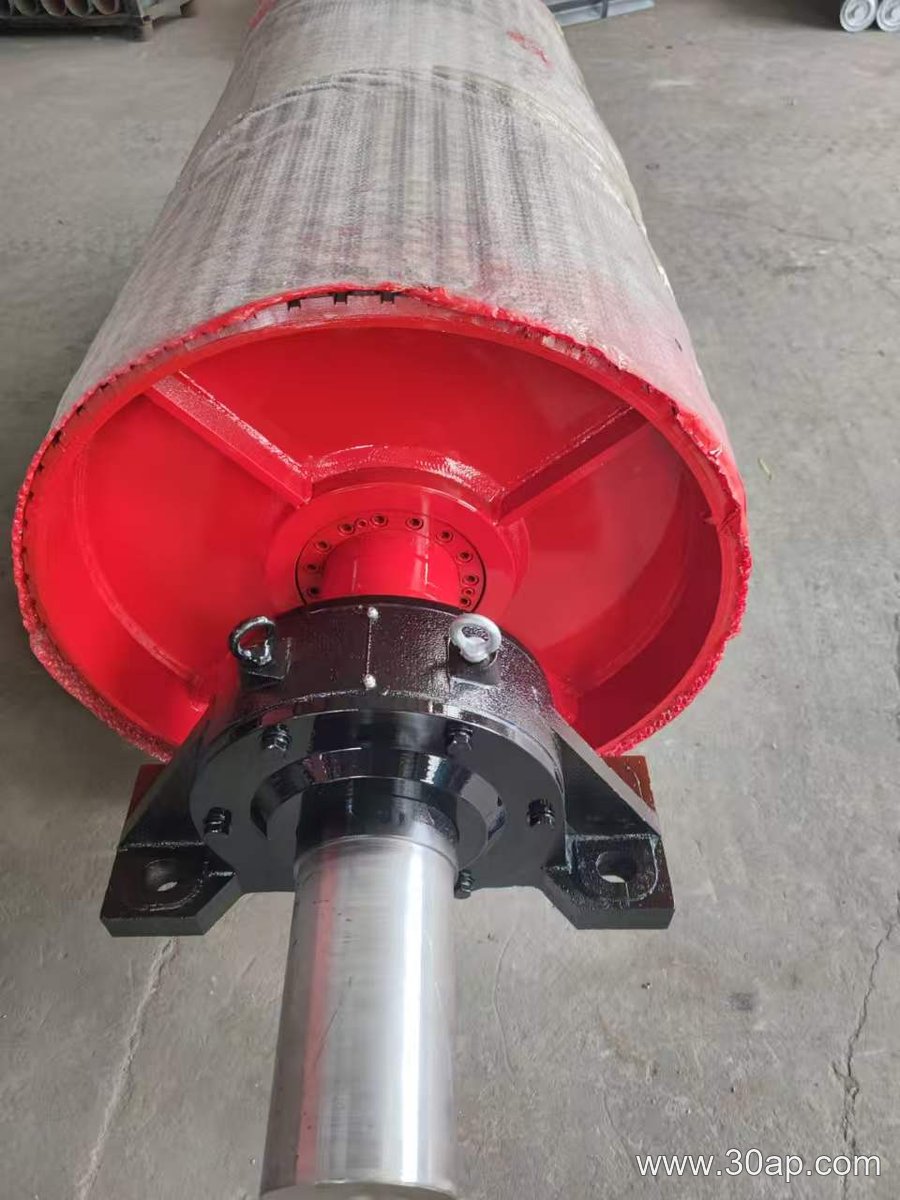
Selecting a conveyor pulley for heavy-duty material handling requires an understanding of how manufacturing methods influence structural performance. Engineers typically choose between a heavy-duty cast drum design and a fabricated welded steel construction when outfitting high-capacity systems. A conveyor pulley built from cast metal offers uniform metallurgical integrity and eliminates longitudinal shell seams, which helps distribute high torsional loads evenly across the entire face width. Conversely, a welded steel conveyor pulley relies on rolled steel plates joined by continuous submerged arc welding, followed by precision machining and stress relieving.
In a dusty quarry processing abrasive granite or hard limestone, fugitive dust and heavy impact loads test the structural limits of every component. The core manufacturing distinction dictates how each conveyor pulley manages cyclic fatigue and localized surface wear under extreme operational stress.
Benefits and Limitations in Extreme Quarry Environments
The cast drum variant excels in shock load absorption. Because the metal structure is poured as a single integrated piece or heavily reinforced unit, it resists cracking when large boulders impact the belt directly above the conveyor pulley. However, cast designs are often heavier and feature fixed dimensional limits tied to foundry mold capacities, making custom face widths more expensive and time-consuming to procure.
Welded steel alternatives offer exceptional geometric flexibility. Fabricators can easily tailor shell thickness, diameter, and shaft locking assemblies to match specific engineering calculations. Despite this versatility, a welded steel conveyor pulley contains heat-affected zones near structural seams. If welding quality or post-weld heat treatment falls short, cyclic belt tensions can initiate fatigue cracks along the drum ends in severe quarry applications.
Matching Subtypes to Operating Conditions
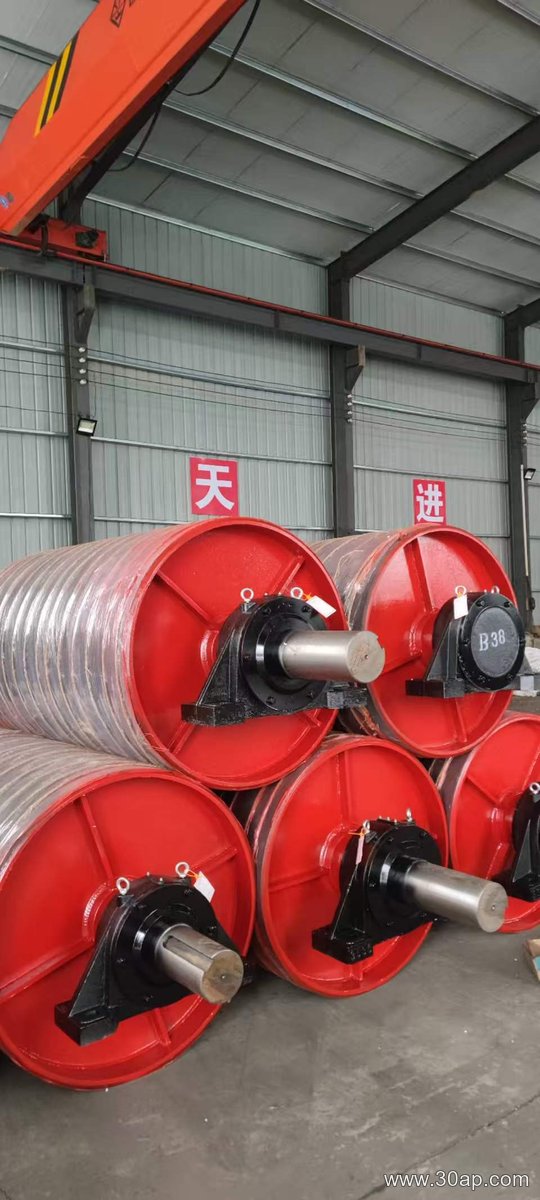
Choosing the correct subtype depends on the specific duty point along the conveyor layout. High-impact drop zones near primary crushers benefit most from a rugged cast drum conveyor pulley due to its superior resistance to impact fracture. The absence of primary shell welds in critical stress areas prevents premature failure under repeated shock loading from heavy aggregate feeds.
- Primary crushing discharge zones require high impact resistance, favoring cast drum designs.
- Long overland takeaway conveyors operate efficiently with precision-machined welded steel units that reduce rotating mass.
- High-tension drive positions demand rigorous non-destructive examination regardless of whether a cast or welded conveyor pulley is specified.
For secondary and tertiary transport lines operating under steady-state loads, a balanced welded steel conveyor pulley provides an economical and reliable solution. Maintenance engineers must evaluate local particulate accumulation, belt speeds, and peak startup torques before finalizing their mechanical specification to ensure optimal service life.