Can a standard conveyor bracket handle oil-soaked abrasive dust?
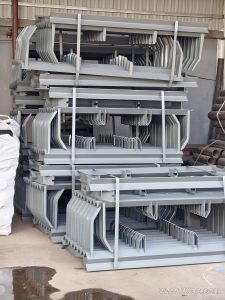
No. In a general manufacturing line, a conveyor bracket exposed to oily abrasive dust faces a combined attack: abrasion wears the surface, while oil holds particles against the metal. The bracket’s performance depends on its material and surface treatment.
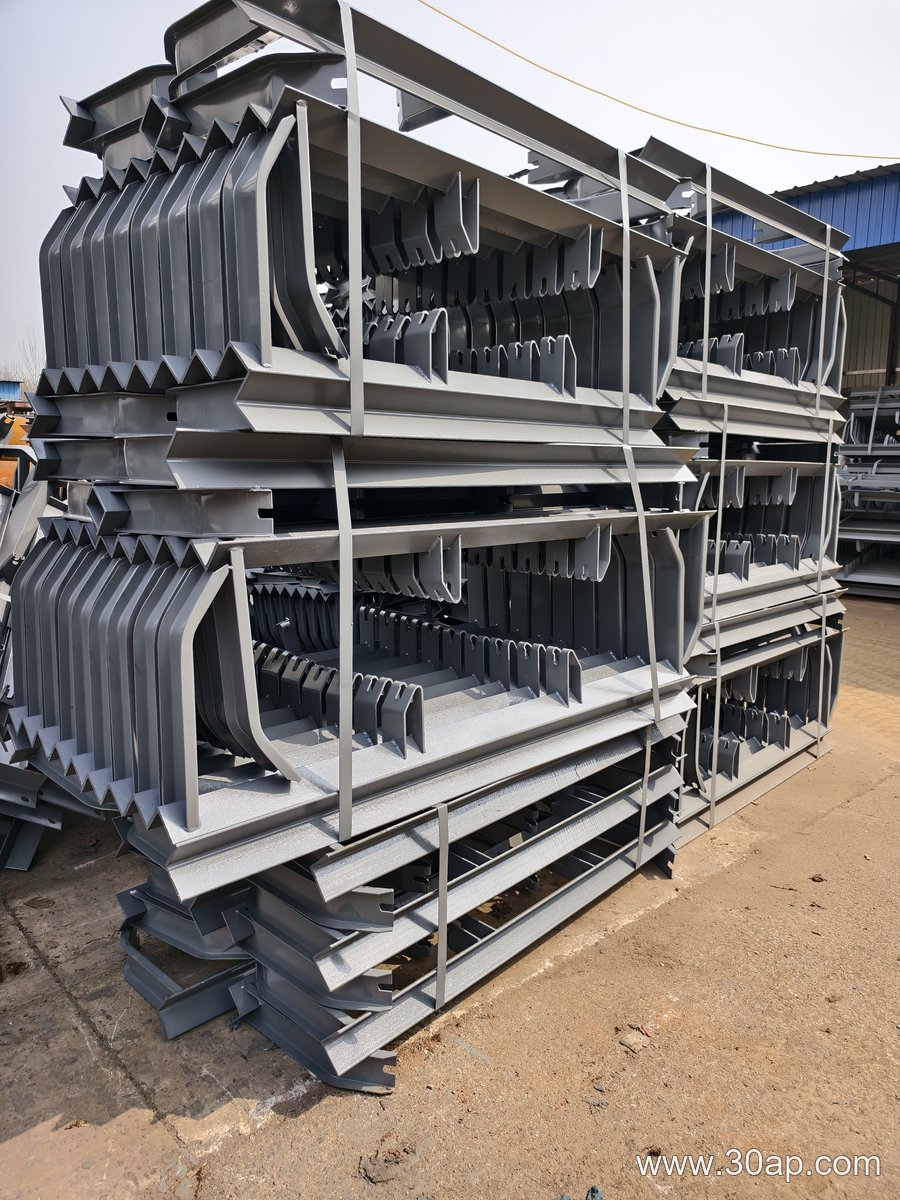
How to improve resistance
- Use a conveyor bracket made from abrasion-resistant steel or coated with a hard, oil-resistant finish.
- Ensure drainage so oil does not pool on flat surfaces.
- Inspect wear at contact points, where the idler meets the bracket.
These checks help a conveyor bracket last longer in such conditions.
How Cover Grade and Carcass Material Interact in a Bulk Port Conveyor Belt
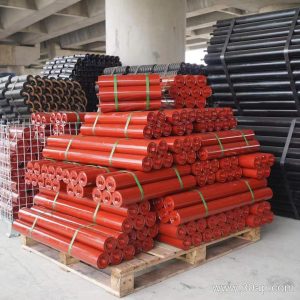
At a bulk port terminal, a conveyor belt faces both sharp impact at the loading point and constant abrasion along the carry run. The cover rubber grade and the carcass material must be chosen together, because a hard, abrasion-resistant cover can crack under impact, while a soft, cut-resistant cover wears quickly on abrasive ore. A common trade-off is EP rubber versus steel cord: EP fabric plies flex well and resist impact, while steel cord provides higher tensile strength for long spans.
Cover Grade Choices
Abrasion-resistant grades suit coal and aggregate, but they may sacrifice cut resistance. Cut-resistant grades handle sharp ore but often have lower abrasion resistance. Heat-resistant grades matter near hot clinker, though they are not a port default.
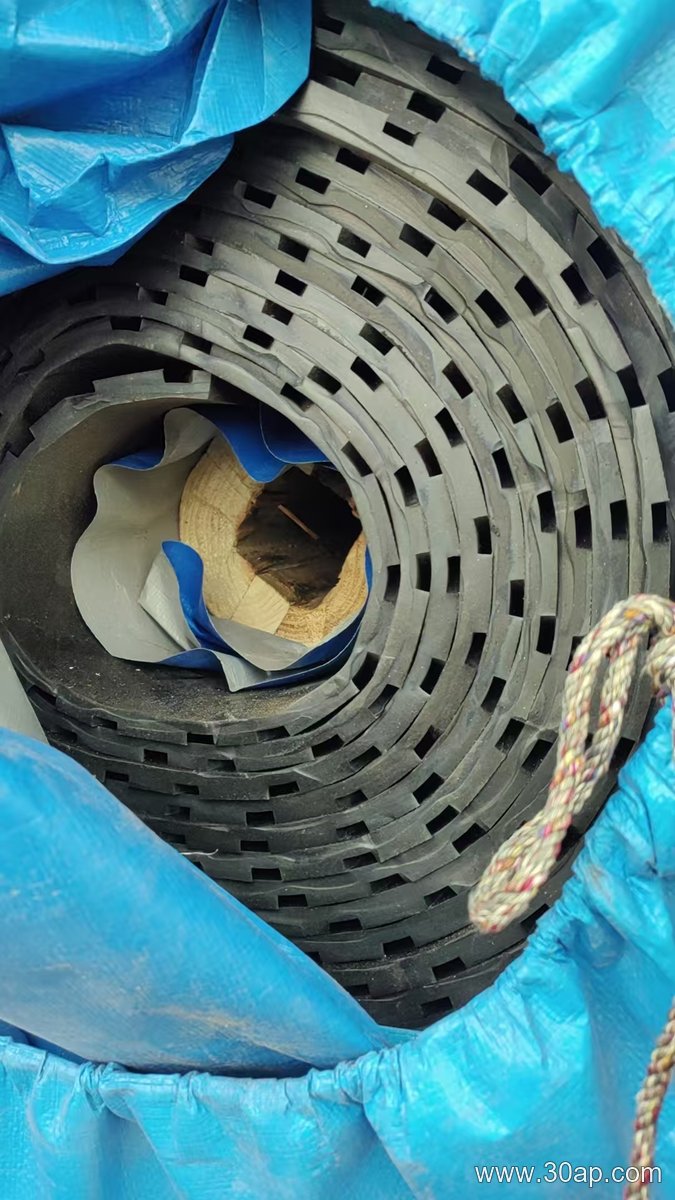
Carcass Construction Trade-offs
- EP (polyester-nylon) fabric: good flexibility, impact absorption, moderate tension.
- Steel cord: high tension, low stretch, but poor resistance to sharp cuts and edge damage.
- NN fabric: lower cost, lower tension, used on shorter or lighter belts.
For a hypothetical 1600mm port belt carrying iron ore, an EP1000 belt with a cut-resistant cover may outperform a steel cord belt if impact is severe, even though steel cord offers higher rated tension. The decision is not one material alone but the pairing of cover and carcass to match the terminal’s loading and wear profile.
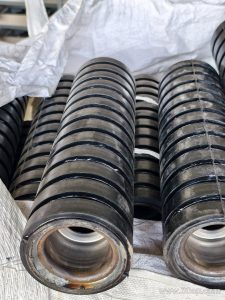
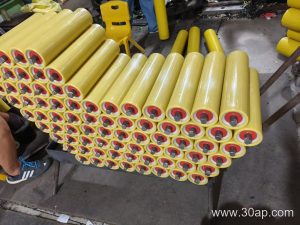
Reading an idler roller specification line by line
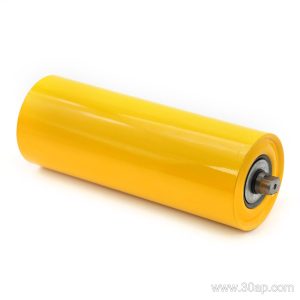
At a mineral-processing plant, a maintenance planner may hold a datasheet listing several fields for an idler roller. Each field answers a different question, and mixing up units is a common source of ordering errors.
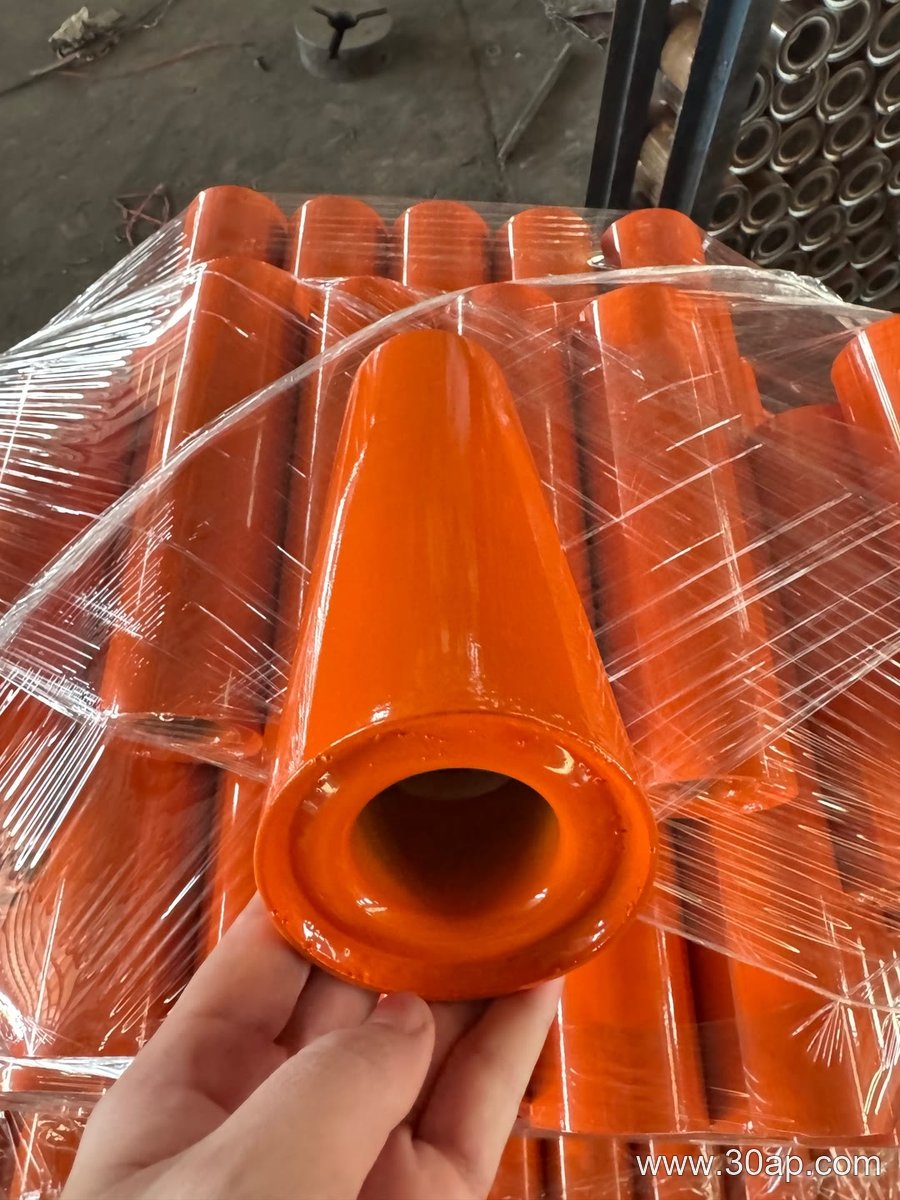
Common fields and their units
- Roller diameter — stated in mm; affects belt contact and load capacity.
- Face length — the shell length in mm, usually matched to belt width.
- Shaft diameter — in mm; must fit the frame bracket.
- Bearing type — a designation, not a rating; confirms fit and sealing approach.
- Load capacity — in N or kN, valid only under the stated speed and life assumptions.
Read the units before comparing numbers. A diameter quoted in inches will not match a metric frame, and a load figure without its speed condition is incomplete.
How Do Manufacturing Steps Decide Conveyor Pulley Quality on a Wet Outdoor Conveyor
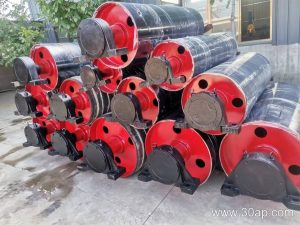
Does a conveyor pulley become reliable through one good weld, one good rubber cover, or something else? Quality comes from the sequence: shell rolling, shaft machining, welding, stress relief, lagging, and balancing. On a wet outdoor conveyor, each stage affects how well the pulley sheds water, resists corrosion, and runs true.
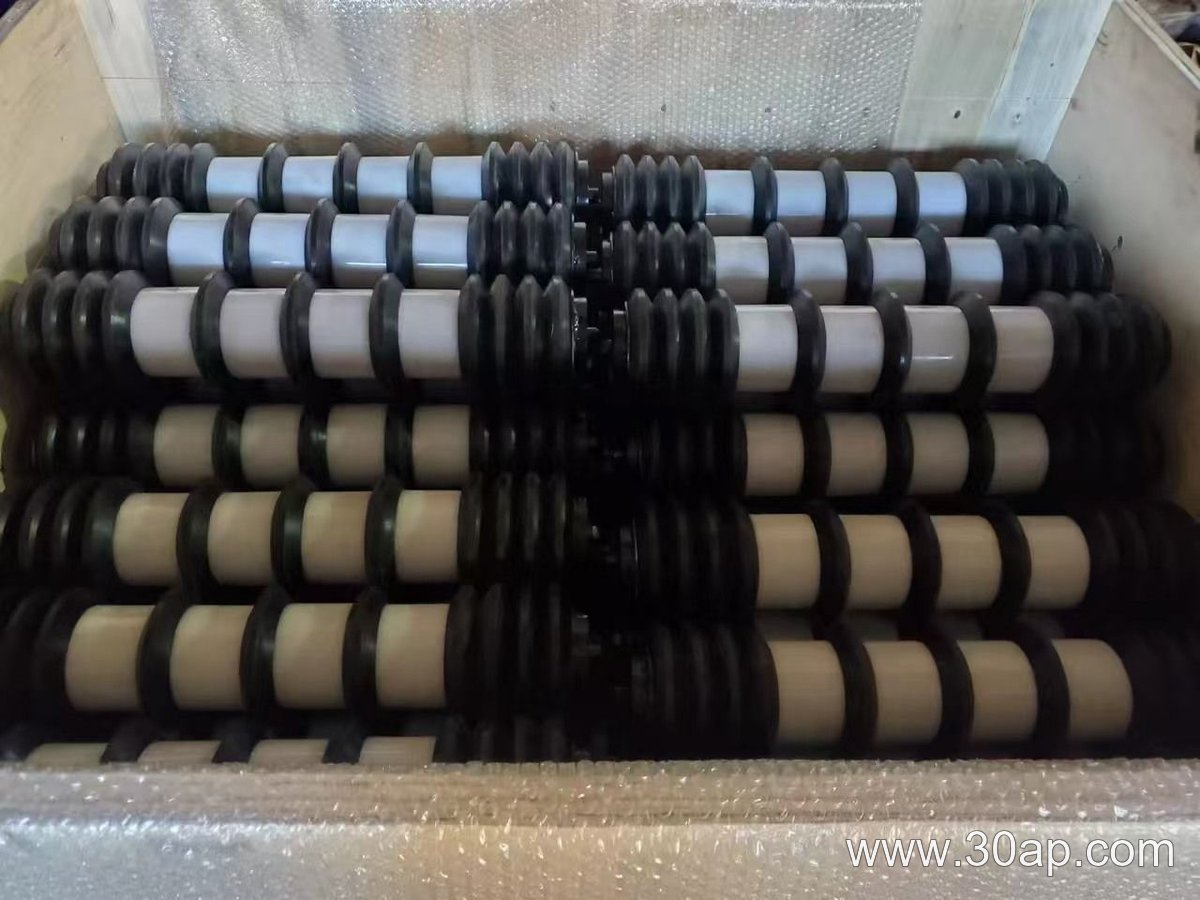
Stages That Matter Most
- Shell rolling sets roundness, which controls belt tracking.
- Shaft machining sets bearing fit and runout.
- Welding and stress relief reduce distortion and cracking risk.
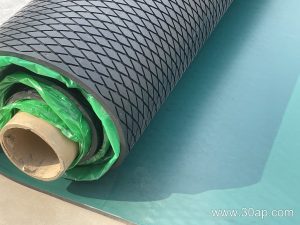
- Lagging application seals the shell and improves grip in wet conditions.
- Balancing limits vibration at speed.
A short cut at any stage may pass inspection but shorten service life outdoors.