Can a Cement Conveyor Belt Survive Hot Clinker Dust and Still Track Straight
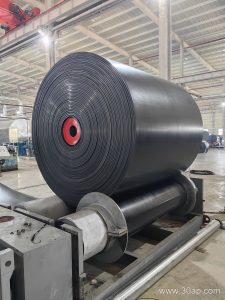
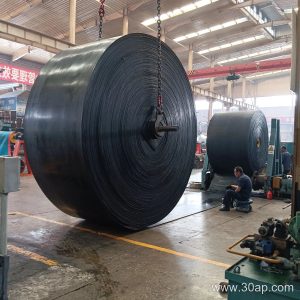
A common misconception is that any heavy black belt will handle clinker. In a cement plant, the conveyor belt carrying hot clinker from the cooler must resist abrasion, heat, and fine dust that packs around idlers.
What the Belt Actually Faces
Clinker arrives hot and sharp-edged. The cover compound must resist cutting and wear, while the carcass tolerates moderate heat without hardening. If dust builds up on the return side, the conveyor belt can mistrack and rub the frame.
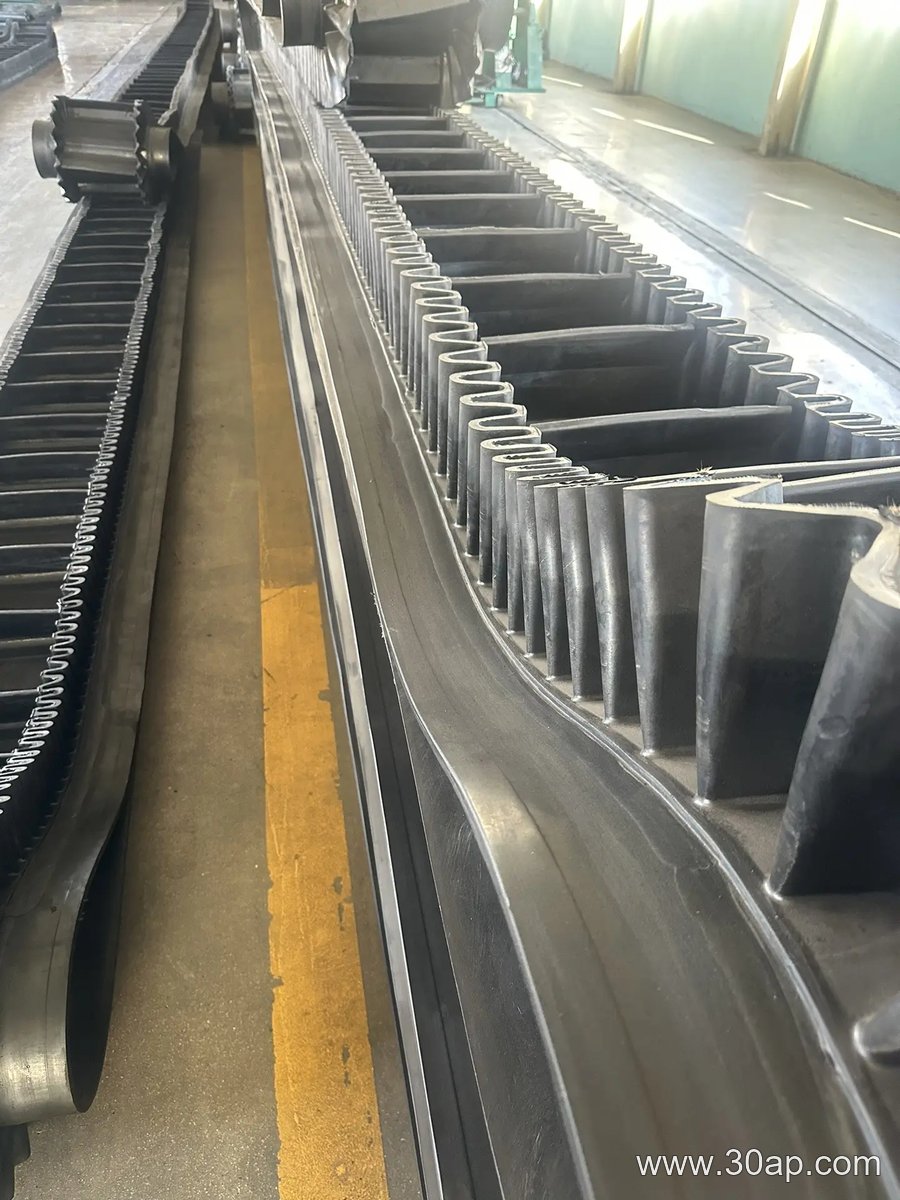
- Use a heat-resistant cover grade for clinker duty.
- Keep skirt rubber tight to reduce spillage and dust.
- Inspect idlers for seized bearings that drag the belt sideways.
Mistracking often starts with uneven loading, not the conveyor belt itself. A stable feed point and a self-aligning idler set correct the drift before edge damage begins.
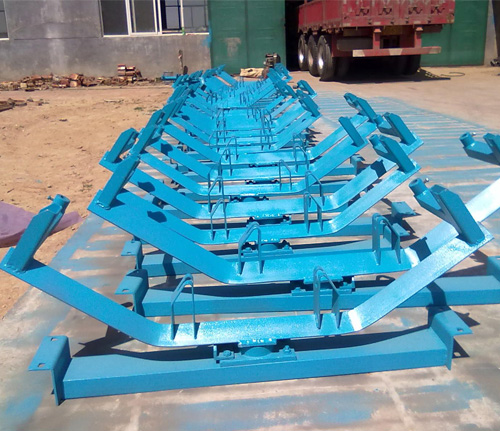
Idler Roller Subtypes for Abrasive Slurry Duty
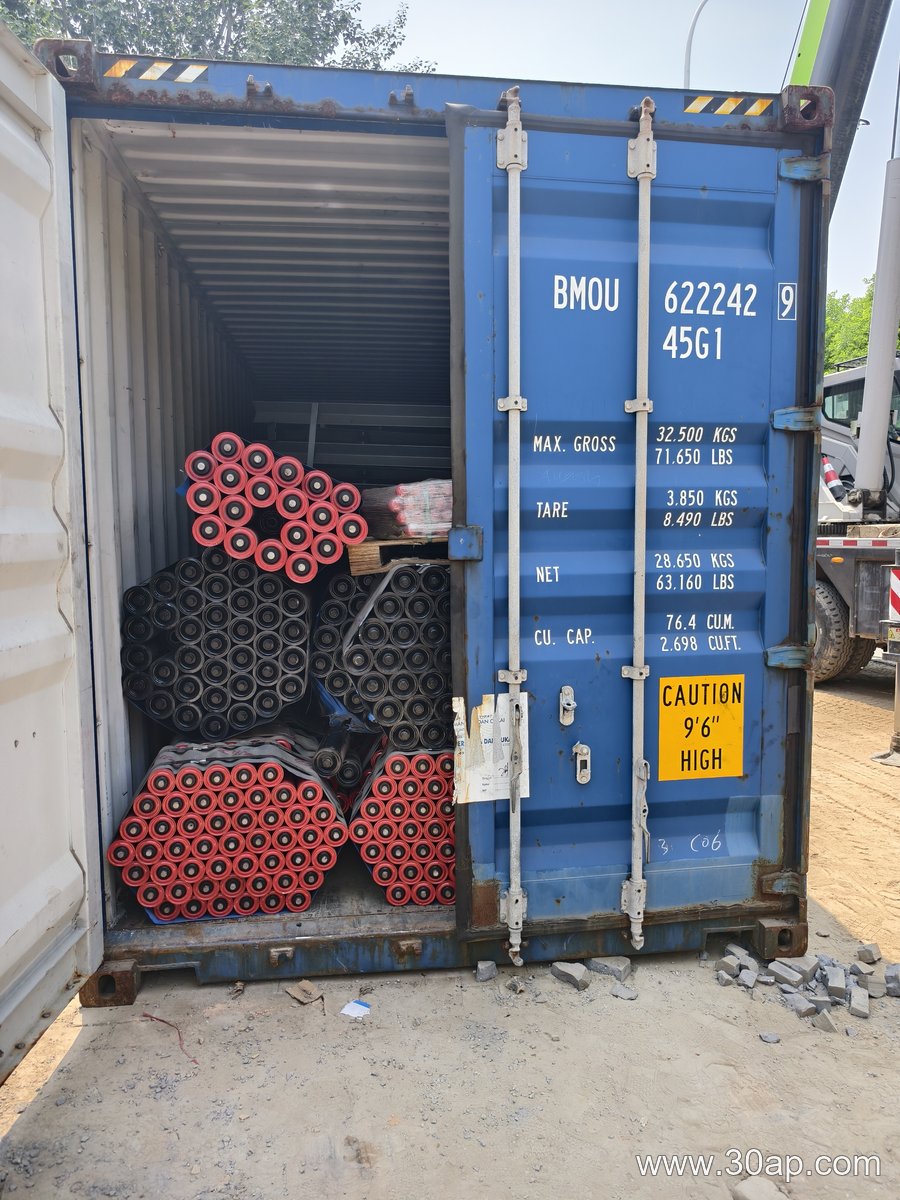
In a mineral processing plant, an idler roller faces abrasive slurry that attacks the shell. Two common subtypes are the steel-shell idler roller and the polymer-shell idler roller. The steel-shell idler roller resists impact but can corrode. The polymer-shell idler roller resists corrosion but may wear faster under sharp particles. The choice depends on slurry pH and particle angularity.
Benefits and Limitations
- Steel-shell idler roller: high impact resistance, low cost; but prone to rust and abrasive wear.
- Polymer-shell idler roller: corrosion resistant, self-lubricating; but lower load capacity and higher cost.
Suitable Conditions
Use a steel-shell idler roller where impact dominates and corrosion is controlled. Use a polymer-shell idler roller where acidic slurry and moderate abrasion prevail. Always verify bearing seals match the slurry exposure.
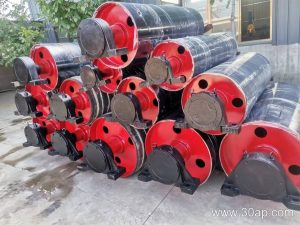
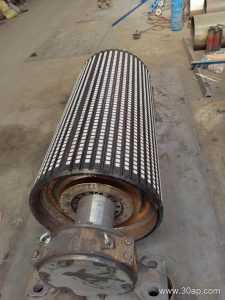
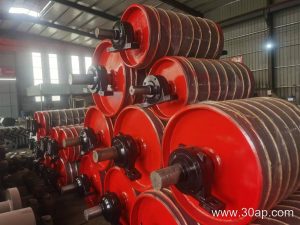
How Do You Install a Conveyor Pulley at a Bulk Port Terminal Without Misalignment
A common misconception is that a conveyor pulley only needs to be bolted in place. In reality, installation is a sequence of preparation, mounting, alignment and commissioning checks. At a bulk-material port terminal, salt air, ore dust and continuous duty make these steps critical.
Preparation and Mounting
Before mounting, verify the shaft, bearing housings and frame are clean and undamaged. Check that the pulley rotates freely by hand. Mount the conveyor pulley so the lagging direction matches belt travel. Use shims under bearing housings for vertical adjustment, and temporary bolts for horizontal positioning.
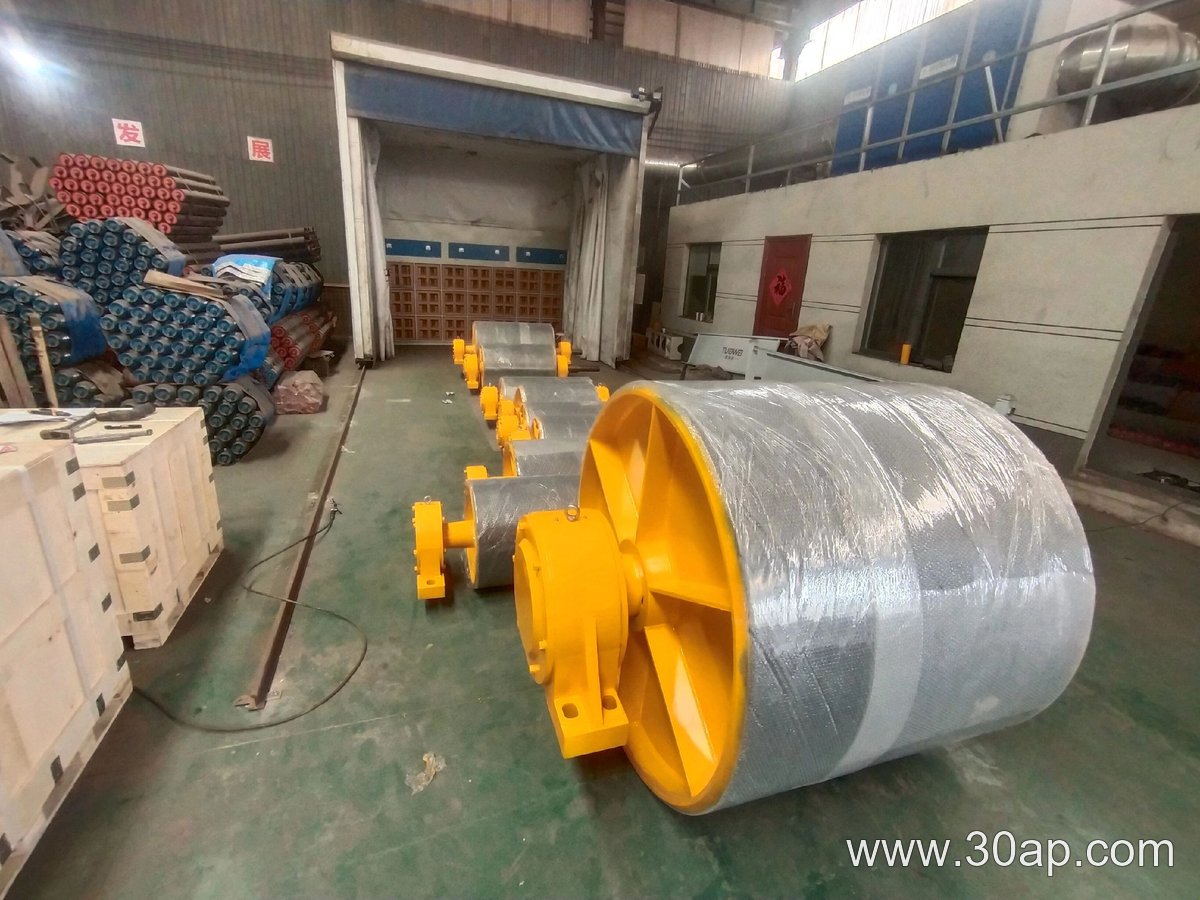
Alignment and Commissioning Checks
- Align the pulley shaft perpendicular to the belt centerline using a laser or piano wire.
- Check parallel alignment of the pulley face to the adjacent idler or pulley.
- Confirm bearing housings are level and shimmed evenly.
- After tightening, rotate the pulley again and recheck runout.
- During commissioning, run the empty belt slowly and watch for belt drift or unusual noise.
These checks help a conveyor pulley track correctly and avoid premature lagging or bearing wear.
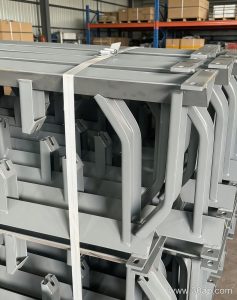
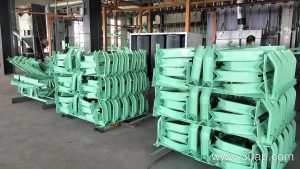
Why a conveyor bracket loosens under vibration
On a general manufacturing line, cyclic vibration can let a bolted conveyor bracket slip even when the bolt was tightened correctly. The bracket is not failing; the joint is losing preload.
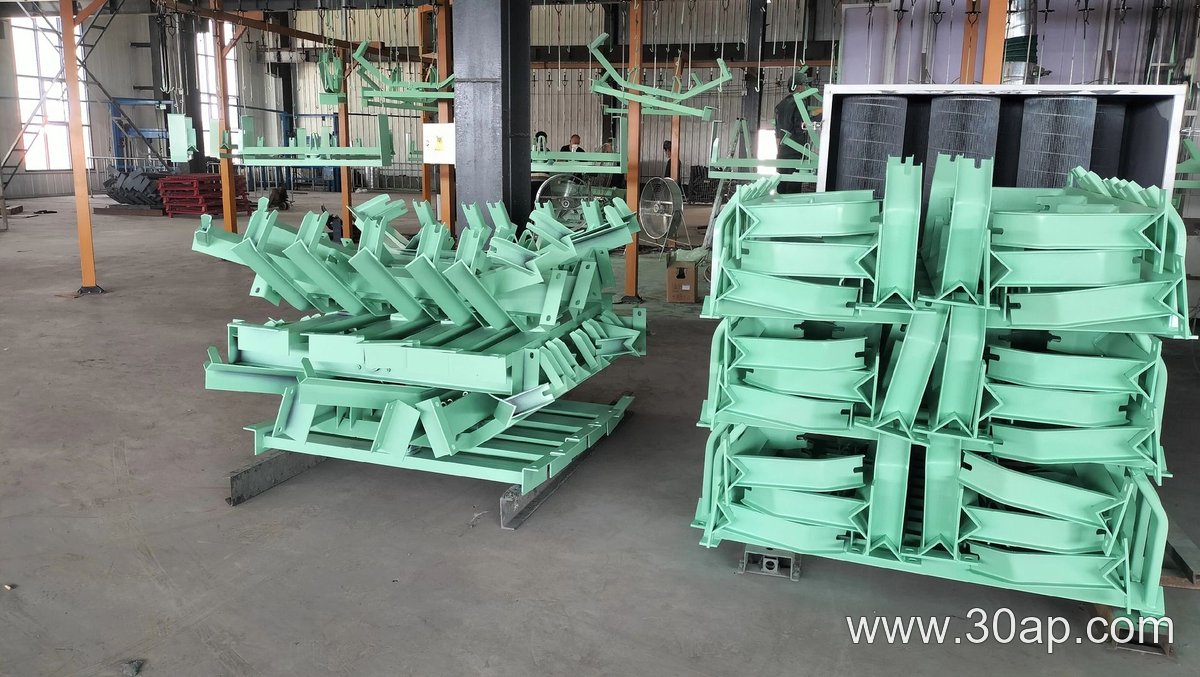
A focused troubleshooting sequence
- Check whether the bracket sits flush on the stringer. Gaps let vibration hammer the joint.
- Verify bolt grade and torque method, not just torque value.
- Look for elongated holes, which signal movement rather than load.
- Replace plain washers with hardened, properly sized washers if the hole has clearance.
If the bracket still moves, the fix is usually a positive stop or a welded tab, not a larger bolt.