Why a Sand and Gravel Production Line Punishes an Idler Roller
Fine grit and wash water reach the idler roller bearings before the belt is even loaded. The design trade-off is simple: open rollers run cooler but ingest abrasive slurry, while fully sealed rollers resist grit but trap heat at high speed.
Where the Idler Roller Fits in the Solution
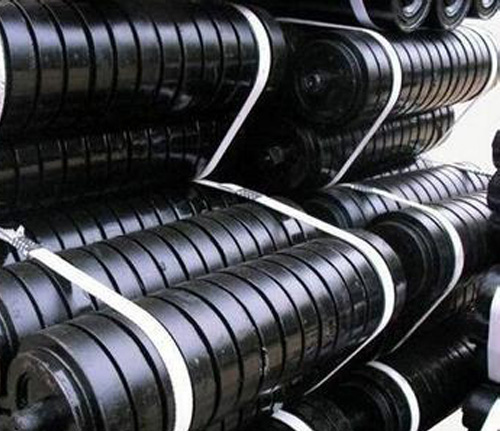
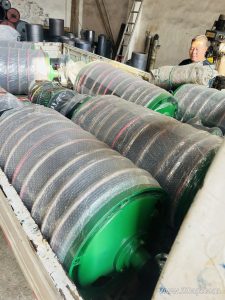
On the carrying side, a sealed idler roller with a labyrinth and contact lip keeps grit out. On the impact zone, a rubber-ring idler roller absorbs falling rock without cracking its shell. Return positions can use a lighter sealed idler roller because the belt is empty.
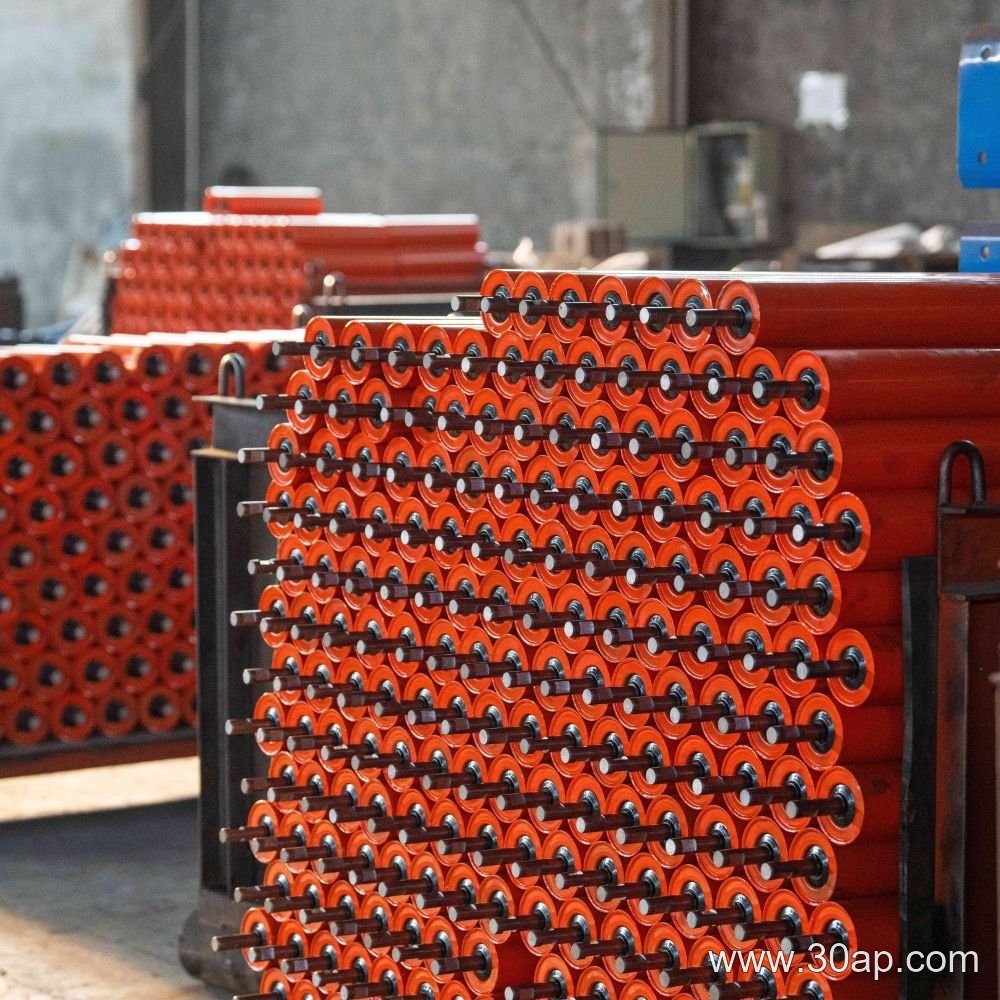
- Sealed bearing housings for dusty zones
- Rubber impact rings under the crusher discharge
- Sacrificial wear rings on the shell
This arrangement reduces greasing frequency and keeps the belt tracking straight through the plant.
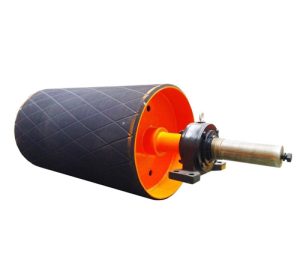
A squeal that fades when the belt is empty often points to a conveyor pulley issue, not a belt or motor fault. The noise appears when torque rises, so the cause is usually slip, misalignment, or a bearing losing preload.
What conditions produce load-only squeal at the pulley
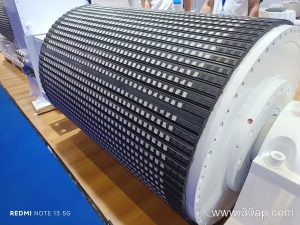
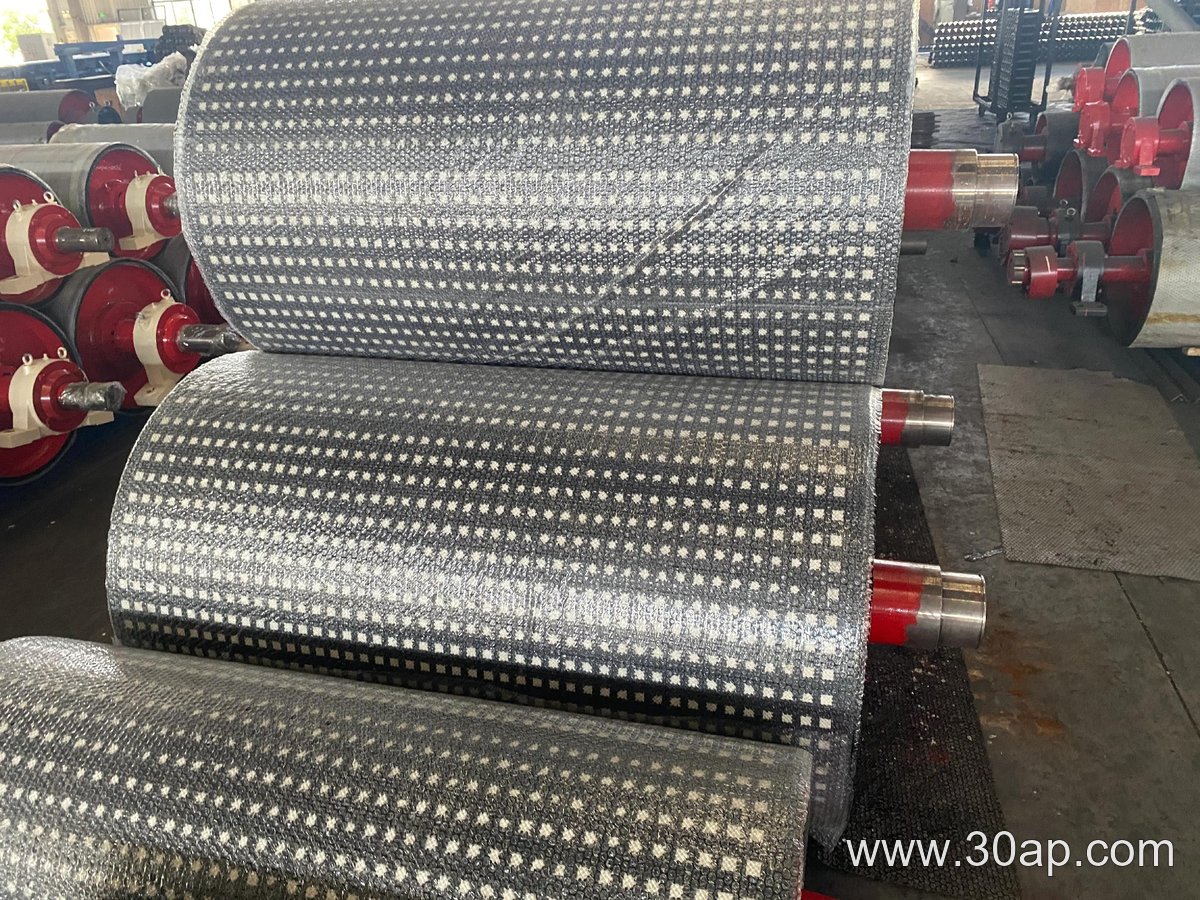
In a bulk-material port terminal, a loaded belt increases radial force on the pulley and its bearings. If the lagging has worn smooth in a narrow band, the pulley loses grip only under load, producing a high-frequency squeal. A loose bearing housing or a shaft that flexes can also change contact geometry when torque increases.
How to distinguish the likely causes
- Lagging wear: polished band on the pulley face; squeal stops when the belt is unloaded.
- Bearing preload loss: heat near the bearing housing; noise changes with speed, not just load.
- Misalignment: belt tracking shifts under load; pulley face shows uneven edge wear.
Check the pulley lagging first, then bearing clearance, then alignment. A load-only squeal rarely comes from the drive motor alone.
Do You Need to Cite a Standard for Every Conveyor Bracket?
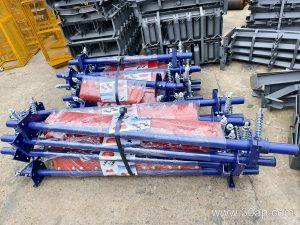
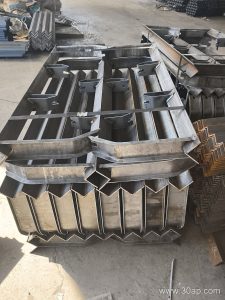
No. Most conveyor brackets on a general manufacturing line are built to a manufacturer’s own drawing. A published standard becomes useful when you must compare bids, verify a load path, or document a safety-related interface. The purpose of a standard is to define test methods, dimensional practices, or material grades, not to certify a specific bracket.
Standards That Commonly Apply
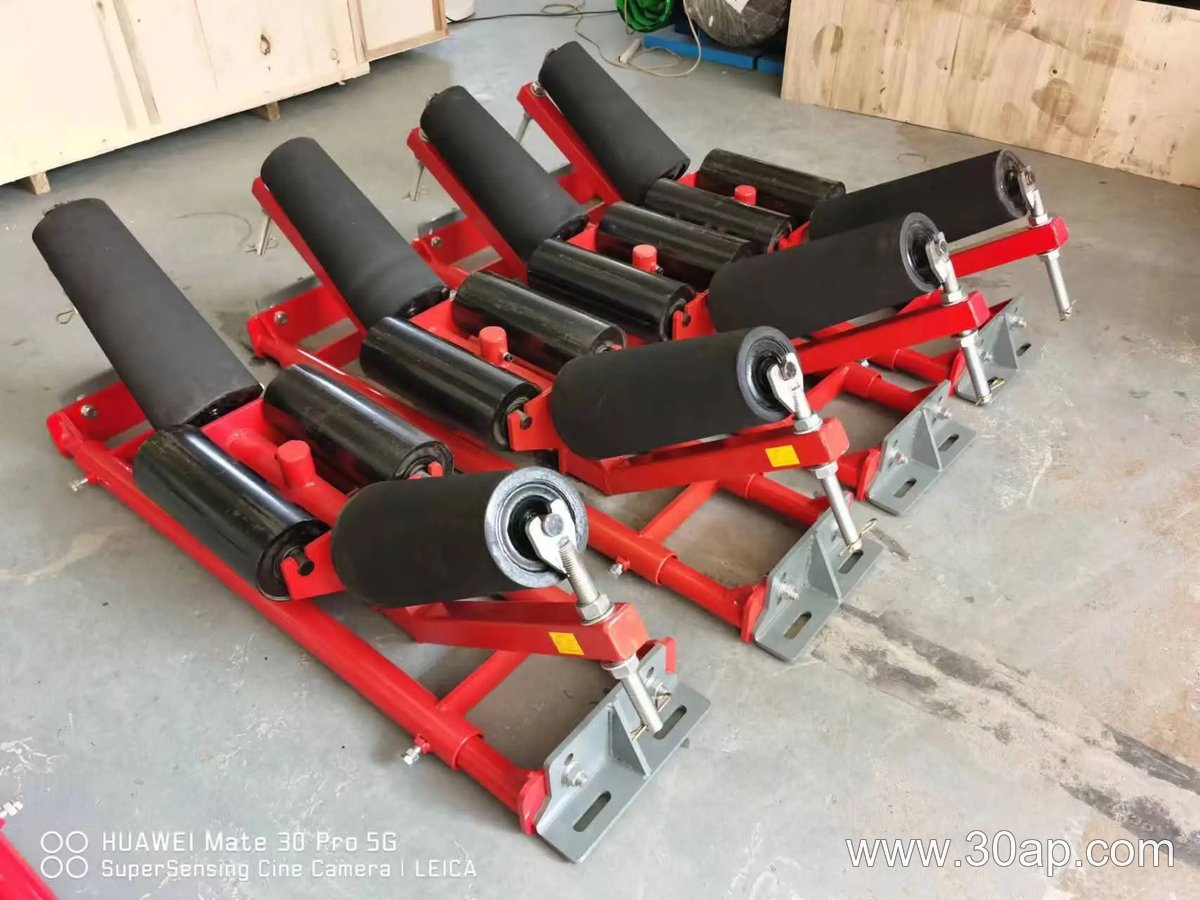
For a conveyor bracket, three families of standards appear in specifications. First, dimensional standards for idler mounting and hole patterns, which help a replacement bracket fit an existing frame. Second, material standards that state the chemical composition and mechanical properties of the steel or polymer. Third, guarding and safety standards that set clearance or access requirements near moving parts.
How to Read a Grade Callout
A grade such as a structural steel designation describes minimum yield strength and chemistry. It does not guarantee the finished bracket’s capacity, because capacity also depends on plate thickness, weld size, and hole layout. Treat the grade as one input, then check the bracket drawing for the actual load case.
- Ask which standard the bracket drawing references.
- Confirm whether the standard covers the finished part or only the raw material.
- Do not assume a standard grade equals a certified bracket.
On a general manufacturing line, this check prevents mismatched replacements and clarifies responsibility between the bracket supplier and the conveyor designer.
How Do You Read Cover Grade and Strength Fields on a Conveyor Belt Data Sheet
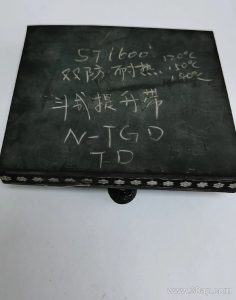
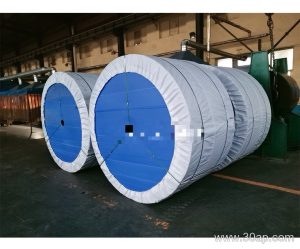
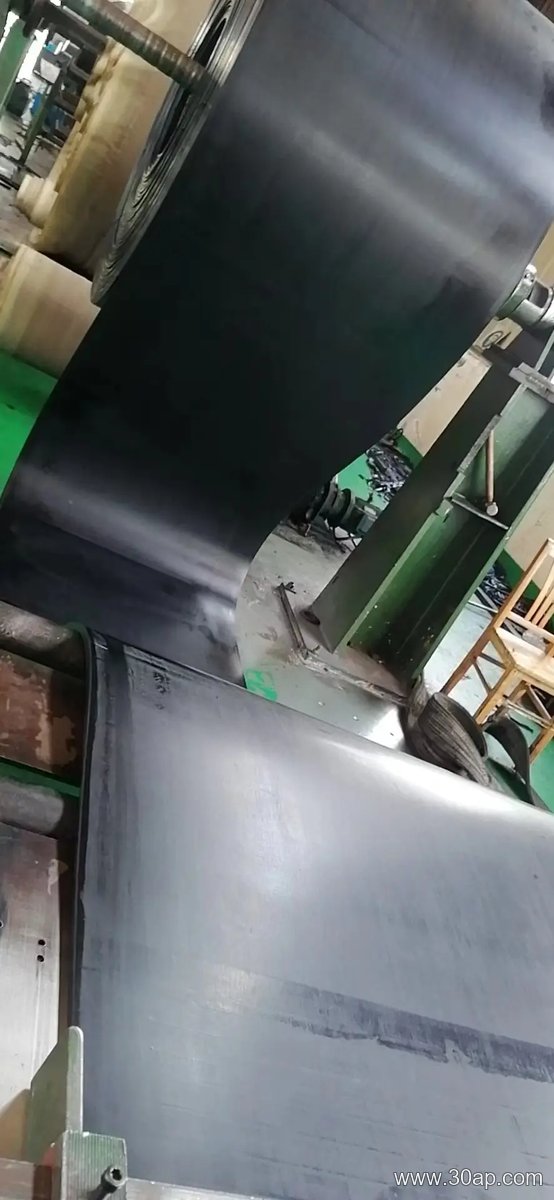
A conveyor belt spec sheet lists fields, not promises. At a mineral-processing plant, the two most misread are cover grade and tensile strength. Cover grade, such as DIN 22102 W, X, Y or Z, describes abrasion, cut and tear resistance class, not a wear life. Tensile strength, given in N/mm, refers to the carcass, not the cover.
Units and What They Describe
- Belt width: mm, measured across the carcass.
- Cover thickness: mm per top and bottom face.
- Tensile strength: N/mm, the rated breaking load per unit width.
- Elongation at break: %, a property of the fabric or steel cord.
Read the field, then the unit, then the test method. A higher N/mm does not mean a longer-lasting belt if the cover grade is wrong for the duty.