Why a Standard Conveyor Pulley Fails in a Dusty Quarry
Many operators assume that a conveyor pulley is a passive wheel that simply turns with the belt. In a dusty quarry, that assumption leads to premature failure. Airborne grit and fines work into every gap, and a pulley that cannot shed that material quickly becomes the weakest link in the conveying line.
How a Heavy-Duty Welded Pulley Integrates into the Solution
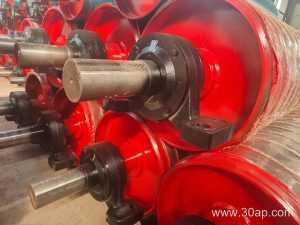
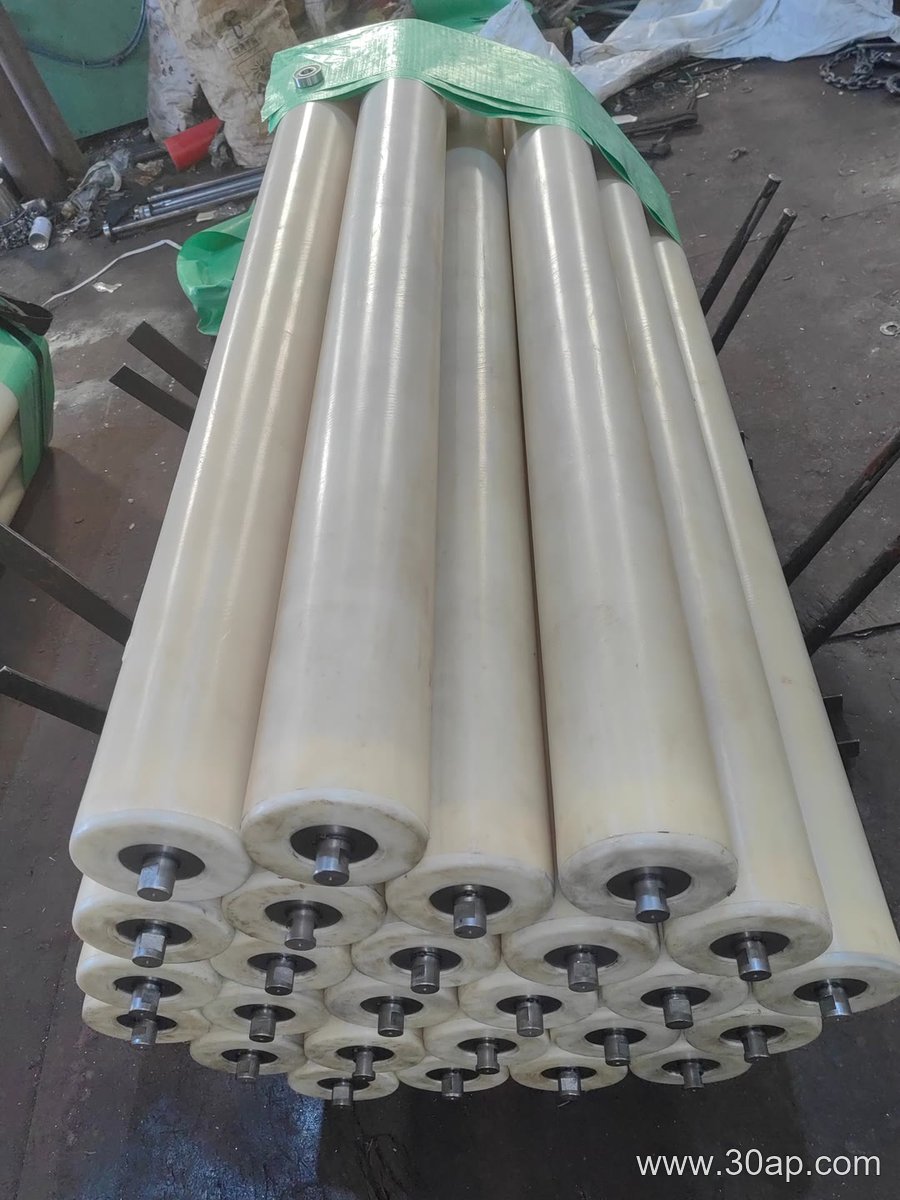
A heavy-duty welded pulley addresses the quarry challenge through its construction. The shell is welded to the end discs and hub, creating a rigid drum that resists distortion under load. This rigidity helps maintain belt alignment, while the smooth, continuous surface prevents dust from packing into crevices. In a typical solution, this conveyor pulley is paired with a rubber lagging that improves grip without trapping abrasive particles. The result is a head or tail pulley that runs true, reduces belt drift, and withstands the constant abrasion of quarry duty.
Key Design Details That Matter in a Dusty Environment
- Welded shell and hub: Minimizes crevices where fines can accumulate and cause imbalance.
- Lagging selection: Rubber or ceramic lagging can be specified to match belt tension and material size; the wrong choice can accelerate wear.
- Sealing and bearing protection: Effective seals keep dust out of bearings, which is critical for continuous operation.
- Balance and runout: A well-balanced conveyor pulley reduces vibration and extends belt life.
Practical Integration Steps for a Quarry Conveying Line
Replacing a failing conveyor pulley is not just a swap. First, review the belt tension and load profile to confirm the pulley’s duty class. Second, ensure the new pulley’s face width and diameter match the belt and structure. Third, verify that the lagging type suits the material—for example, a wing pulley may shed sticky material, but a heavy-duty welded pulley with lagging is often preferred for abrasive, dry dust. Finally, align the pulley with the belt path and check runout after mounting. These steps are hypothetical examples of a sound engineering approach, not a substitute for site-specific evaluation.
Outcome and Maintenance Considerations
A correctly specified conveyor pulley in a dusty quarry reduces unplanned stoppages. Regular inspection of lagging wear, seal condition, and shell integrity helps catch problems early. When a conveyor pulley is treated as an engineered component rather than a commodity, the conveying line becomes more reliable and the total cost of ownership drops.
Which conveyor bracket should I choose for a dusty quarry?
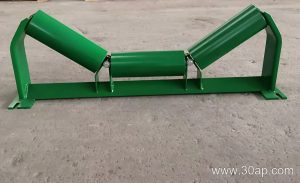
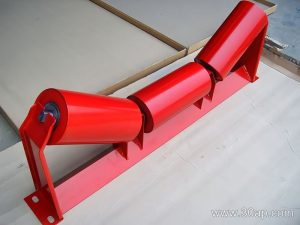
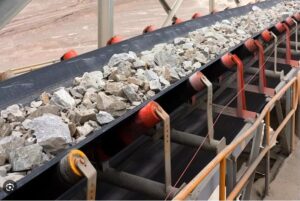
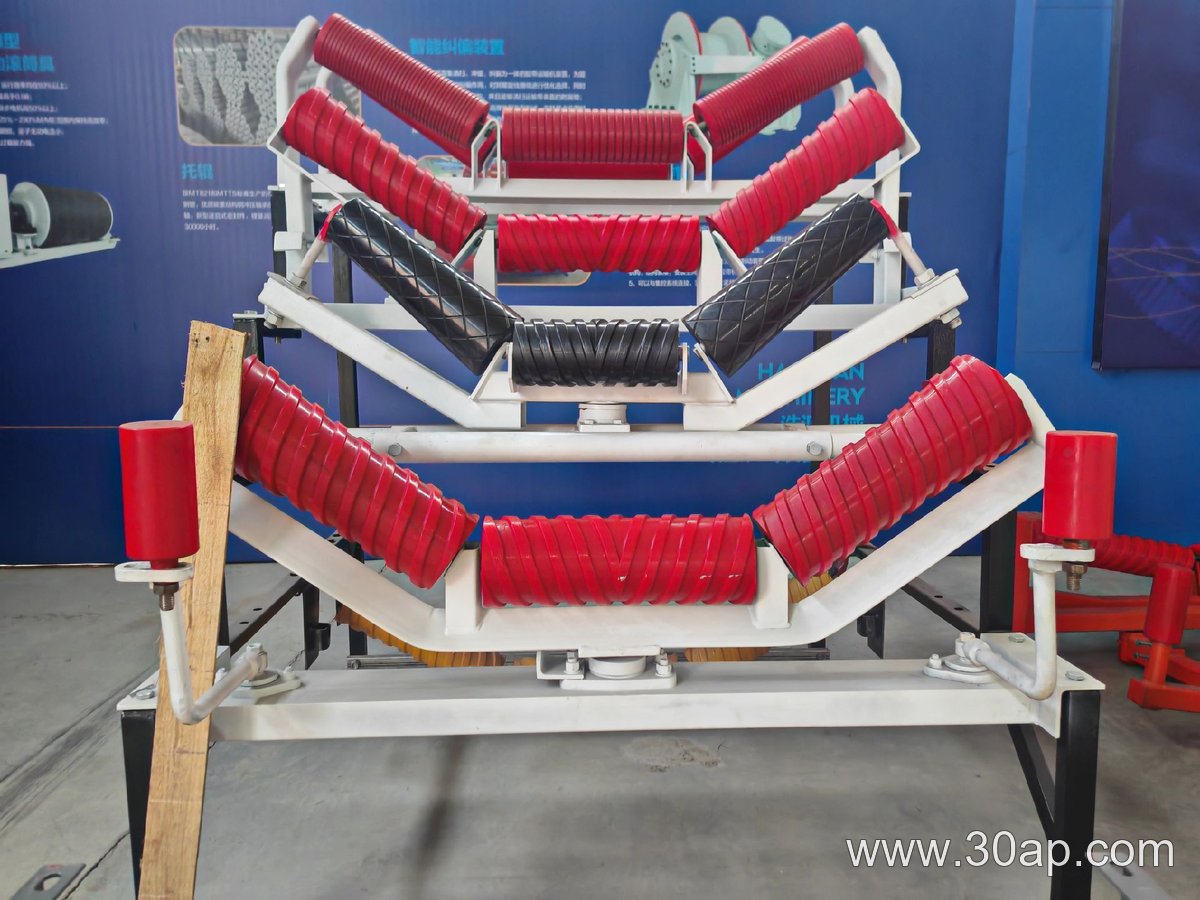
Start with the mounting interface and the loads the bracket must carry. In a dusty quarry, a conveyor bracket that holds idler rolls on a stationary frame is usually a fixed support bracket; if belt tracking changes with load, an adjustable conveyor bracket lets you correct roll position without cutting the frame. A practical check: confirm hole spacing matches your frame, then verify the bracket can resist the belt pull and material weight at that point.
Can a standard conveyor bracket handle abrasive dust and impact?
Not always. A light Q235 conveyor bracket may be adequate on a clean return run, but at a primary crusher discharge the bracket sees impact and grit. For that spot, a heavier support bracket with a gusset or thicker web reduces flex. Hypothetical example: a 1,200 mm belt carrying 300 t/h of crushed stone may need a bracket with a wider base than a 600 mm belt on the same conveyor. Check the bracket’s rated load, not just its bolt pattern.
How do I set up an adjustable conveyor bracket correctly?
Adjustable brackets are not set-and-forget. Loosen the adjustment bolts, move the roll until the belt runs centered, then tighten to the specified torque. In a dusty quarry, recheck after the first week because vibration and material buildup can shift the setting. Keep a gap between moving parts so dust does not pack into the threads.
What maintenance signs tell me a conveyor bracket needs replacement?
- Cracks at weld toes or bolt holes.
- Elongated mounting holes that no longer hold alignment.
- Visible bend or twist after a belt jam.
- Heavy corrosion that reduces section thickness.
If a bracket is bent, straightening it in place is rarely reliable; replace it and check the frame for parallel alignment.
Do I need different brackets along one conveyor?
Yes. A single conveyor may use fixed support brackets on straight runs, adjustable brackets at transition zones, and impact-resistant brackets under the loading point. Treat each location by its duty, not by one universal part number.
Reading a Conveyor Belt Specification Sheet: Tensile Strength, Cover Grade, and Width
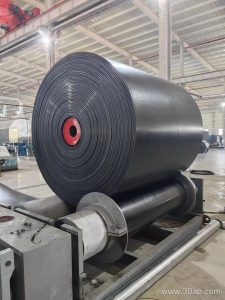
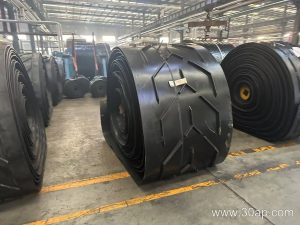
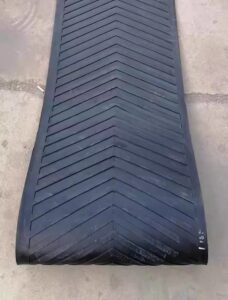
A common misconception is that a conveyor belt is ordered by length and width alone. In a cement plant, where belts move limestone, clinker, and additives, the specification sheet carries several fields that determine whether the belt survives the duty. Understanding what each field means—and its units—prevents mismatches without inventing performance ratings.
Tensile Strength and Carcass Rating
The belt’s tensile strength is the maximum allowable working tension per unit width, typically expressed in newtons per millimeter (N/mm) or kilonewtons per meter (kN/m). It comes from the carcass: fabric plies or steel cords. A designation such as EP400 indicates a polyester-nylon carcass with a nominal breaking strength of 400 N/mm. This is not a universal rating for every belt; it applies to that carcass construction. To read it, match the belt’s rated tension to the calculated operating tension from the conveyor’s power and load, then apply the appropriate safety factor from the system designer.
Cover Grade and Thickness
Cover grade describes the rubber compound’s resistance to abrasion, heat, oil, or flame. It is often given as a grade letter or a wear index, with thickness in millimeters for top and bottom covers. In a cement plant, a heat-resistant grade may be needed near the clinker cooler, while an abrasion-resistant grade suits limestone handling. The specification might state “6 mm top cover, 2 mm bottom cover, abrasion grade.” These figures are not interchangeable: a thicker cover extends wear life but adds weight and stiffness.
Width, Length, and Edge Construction
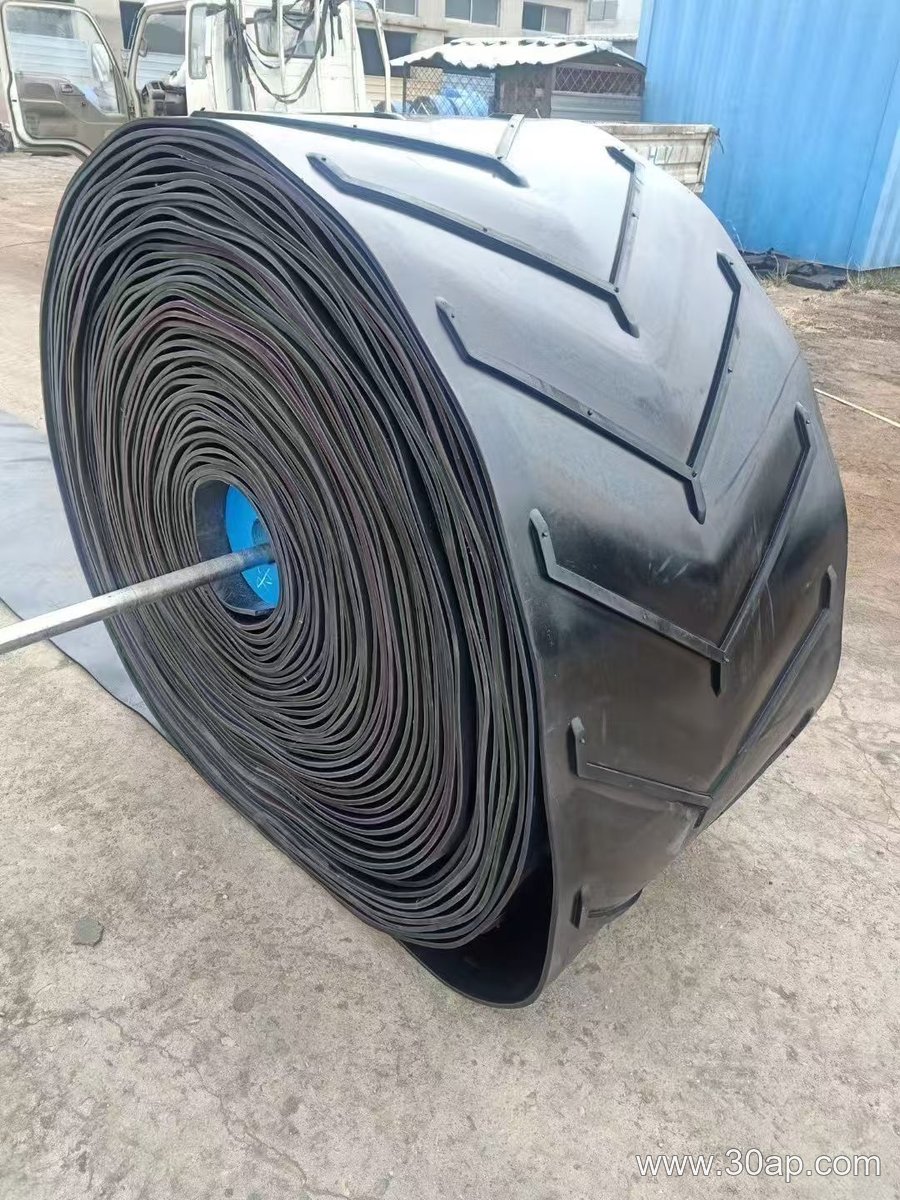
Belt width is the finished edge-to-edge dimension, usually in millimeters or inches. It must match the pulley face and troughing idlers. Length is the center-to-center distance around the pulleys plus splice allowance. Edge construction—cut edge or molded edge—affects dust ingress and tracking. A molded edge is often specified where material spillage is a concern.
Reading the Sheet as a Whole
- Check that tensile strength and cover grade suit the material and temperature.
- Confirm width and length against the conveyor geometry.
- Note any additional fields: flame retardancy, antistatic properties, or splice type.
No single field guarantees performance. The specification sheet is a set of constraints that must align with the application. When in doubt, consult the conveyor designer rather than assuming a higher number is always better.
Sealing vs. Rolling Resistance: The Idler Roller Trade-off
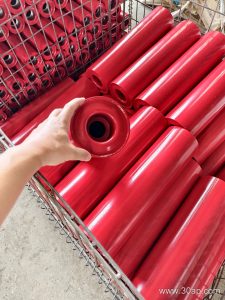
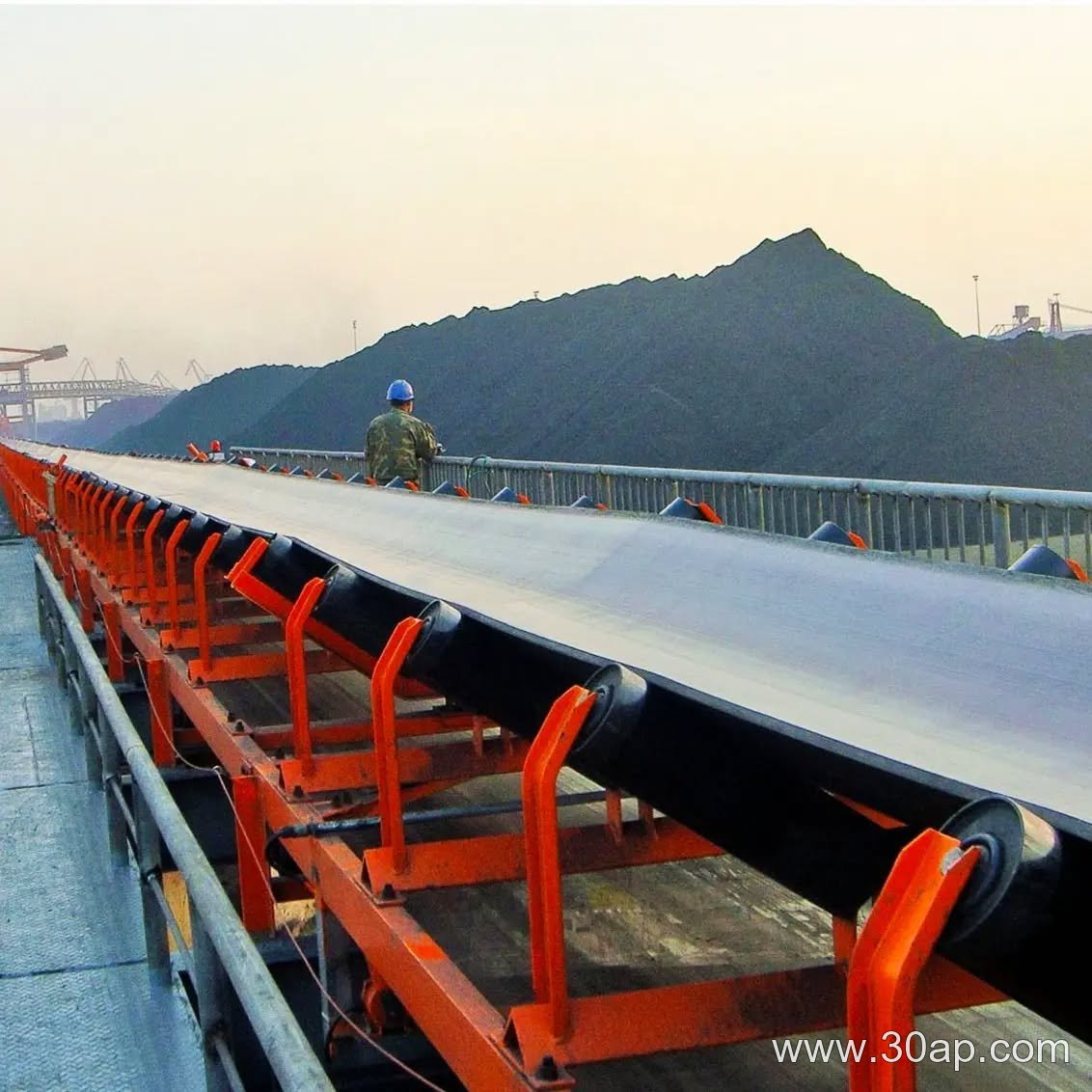
On a wet outdoor conveyor, an idler roller must keep water and grit out while still turning freely. A tighter seal protects the bearing but adds friction; a looser seal rolls easily but lets contamination in. This trade-off defines most idler roller engineering for exposed conveyors.
Consider a hypothetical conveyor moving wet aggregate at 1.5 m/s with frequent rain. The idler roller must resist water ingress and maintain low rolling resistance.
Seal Design Directions
- Labyrinth seals: no contact, low friction, but limited protection against fine water-borne particles.
- Contact lip seals: better exclusion, higher friction, and wear over time.
- Hybrid seals: combine a labyrinth path with a light contact lip, balancing drag and protection.
Each choice affects starting torque, running temperature, and bearing life. The idler roller engineer selects based on expected water exposure and duty cycle.
Bearing and Material Choices
For wet outdoor use, sealed deep-groove ball bearings with corrosion-resistant races are common. A 6204 bearing idler is a typical size for moderate loads. Polymer end caps and a stainless shaft reduce corrosion, but polymer may creep under high load or heat. Steel rollers last longer in abrasive conditions but can rust if the coating is damaged.
Load and Speed Effects
Belt load and speed determine bearing load and heat generation. A larger diameter idler roller reduces rotational speed and seal wear, but adds weight and cost. The designer must balance these factors for the specific conveyor.
Maintenance and Monitoring
Even a well-sealed idler roller can fail. Regular checks for smooth rotation, abnormal noise, or seal damage help prevent belt misalignment and sticking. In wet conditions, water accumulation inside the roller is a key failure sign.
No single idler roller design fits all wet outdoor conveyors. The right balance of sealing, bearing selection, and materials depends on the actual environment and operating profile.