Conveyor Belt Selection and Purchasing Guide
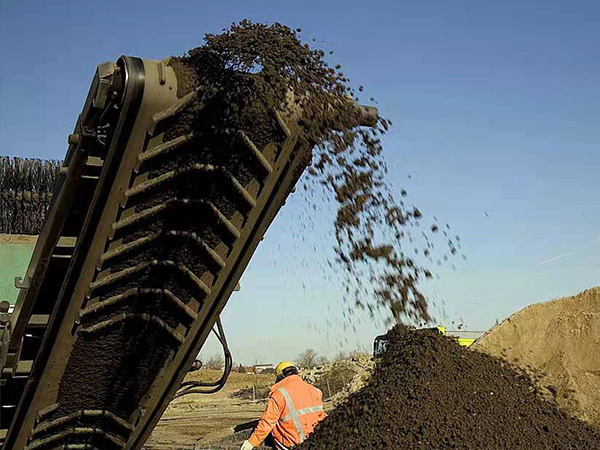
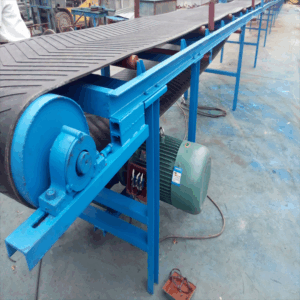
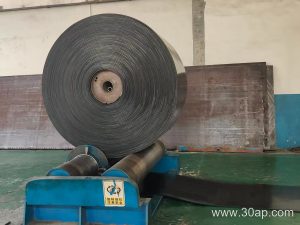
A conveyor belt is the core of any bulk handling system. Choose the right one to cut downtime and shipping risk.
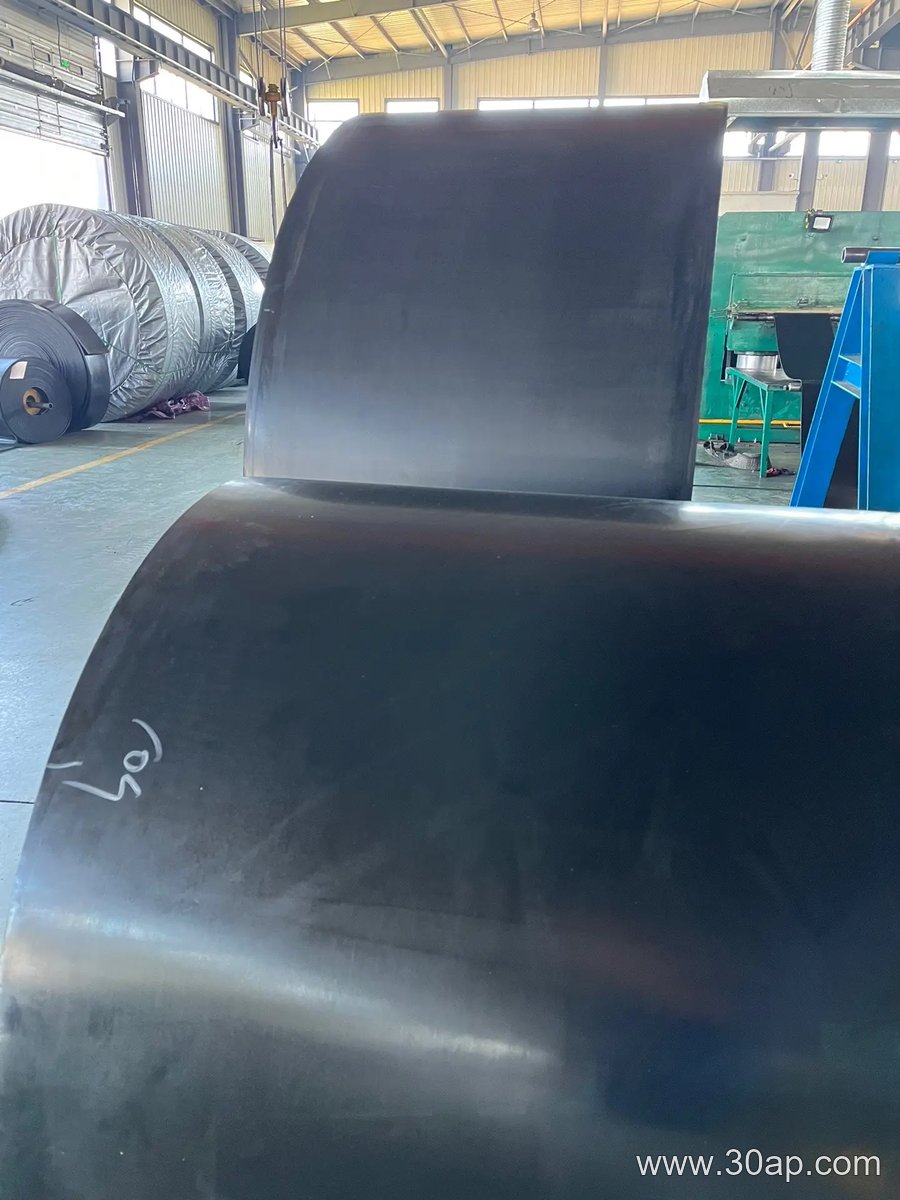
Key selection factors
- Material: rubber, PVC, or steel cord
- Load, speed, and incline
- Temperature and chemical exposure
- Belt width and pulley diameter
Purchasing advice
- Verify tensile strength and cover grade
- Request test certificates and warranty
- Confirm export packaging and lead time
- Compare total cost, not unit price
Idler Roller Basics
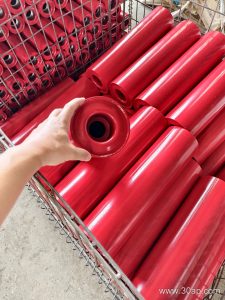
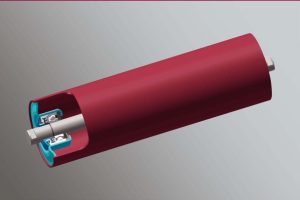
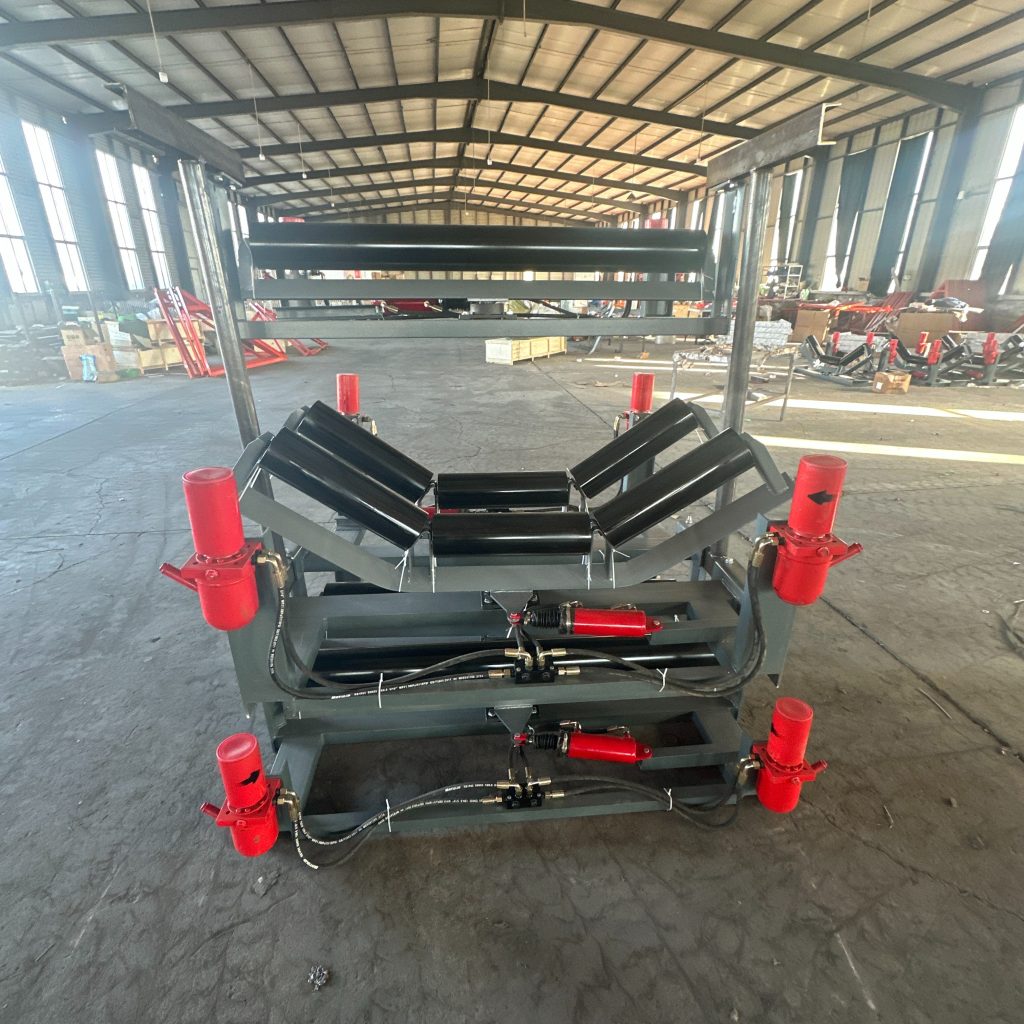
An idler roller supports and guides conveyor belts without driving them, reducing friction and extending system life.
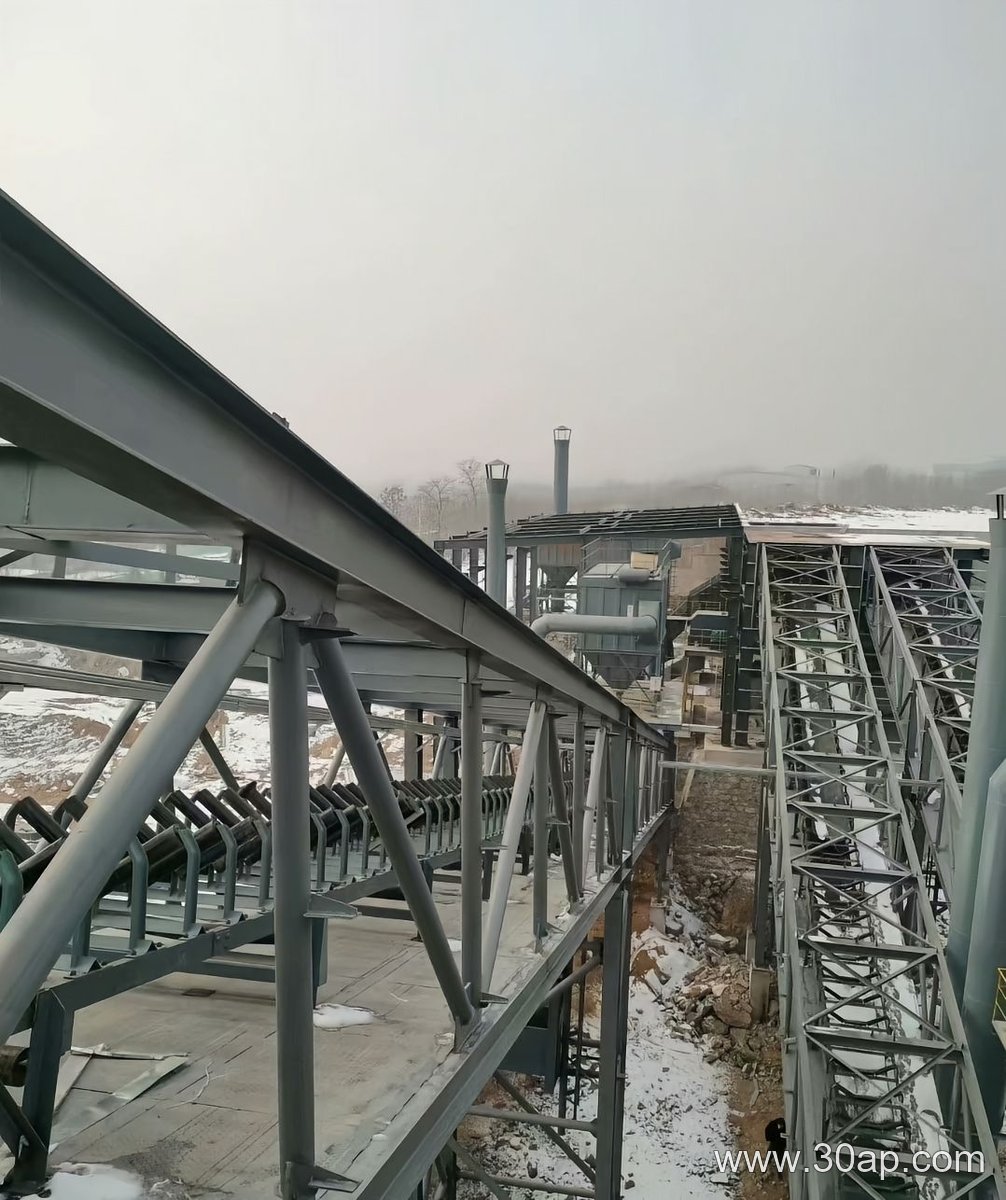
Selection Advice
Key Factors
- Load capacity and belt width
- Bearing type and sealing
- Roller material and coating
- Environmental conditions
Purchasing Tips
- Match diameter and shaft to frame
- Check balance and runout
- Verify lubrication and maintenance needs
- Compare lead time and warranty
Conveyor Pulley Essentials
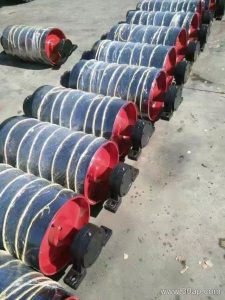
A conveyor pulley drives or redirects the belt. Choose the right one for reliability and uptime.
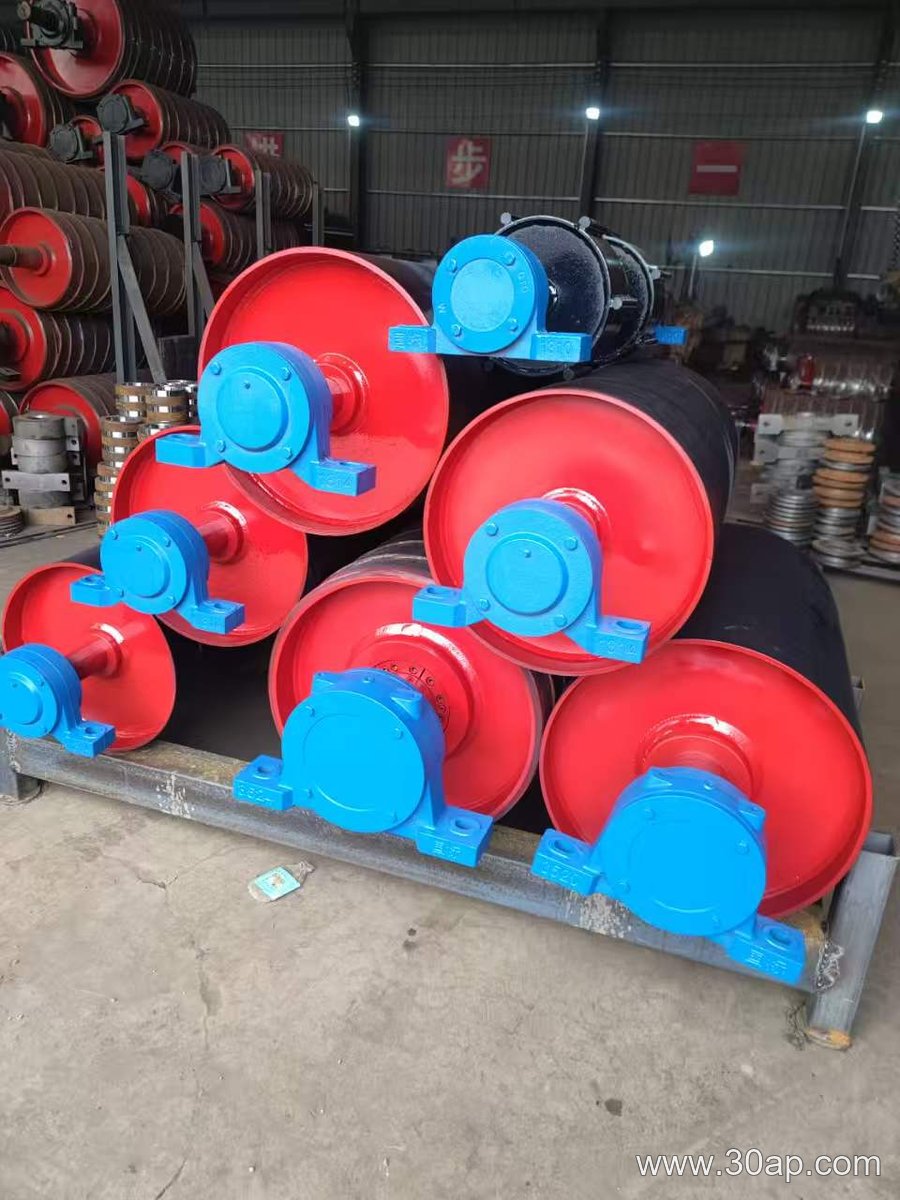
Selection Tips
- Match diameter and face width to belt tension.
- Choose lagging for grip; rubber for wet conditions.
- Verify shaft, bearing, and hub fit.
Purchasing Advice
Request load ratings, balance class, and material certs. Compare lead times and warranty. For export, confirm packing and documentation.
Choosing the Right Conveyor Bracket
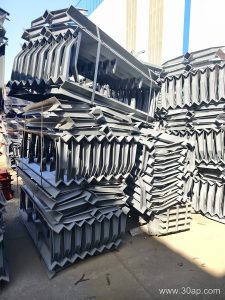
A conveyor bracket supports rollers, frames, and guards, ensuring alignment and load stability. For industrial exports, specify material, finish, and load rating. Consider bolt-hole patterns, adjustability, and corrosion resistance. Verify tolerances and compatibility with your conveyor system before ordering.
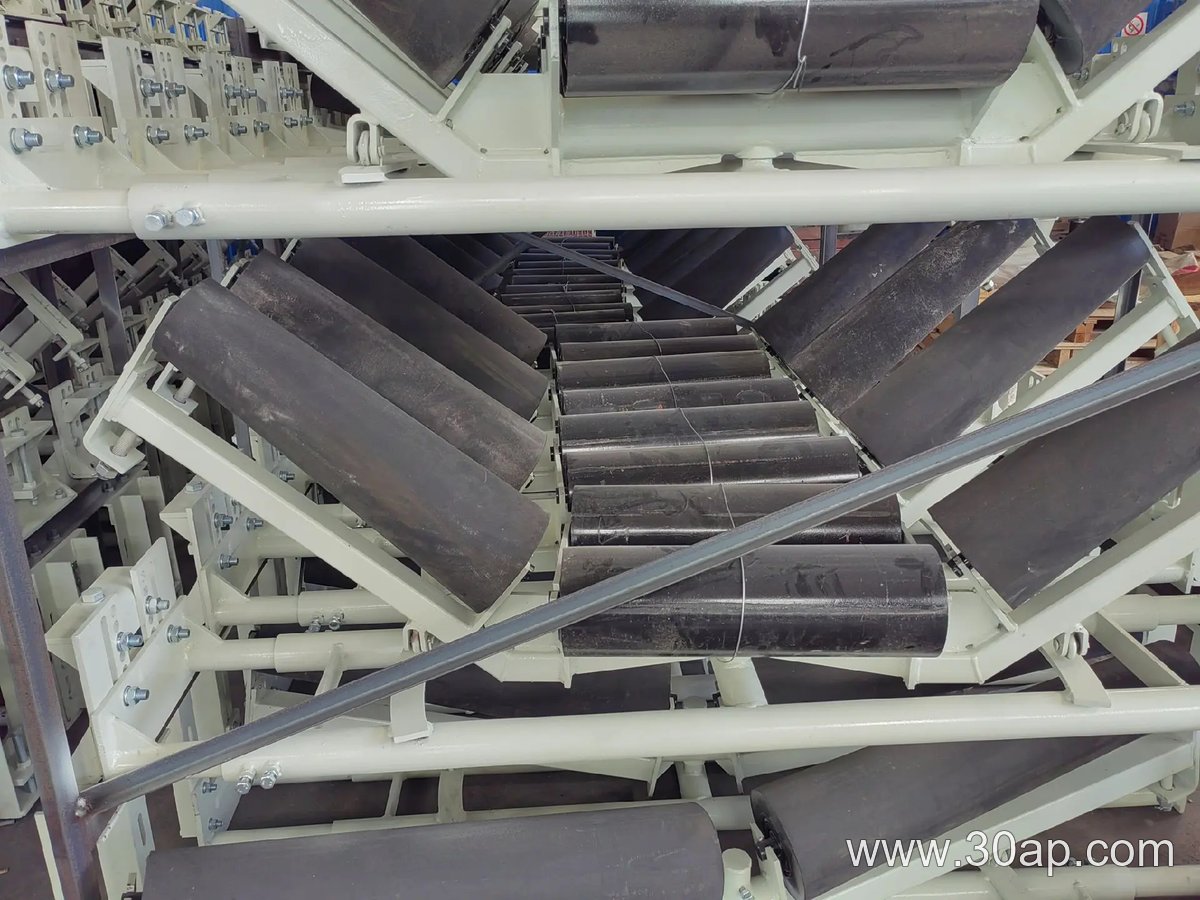
- Match bracket to roller diameter and shaft size.
- Choose galvanized or stainless steel for harsh environments.
- Confirm mounting hole spacing and thread type.