Key Factors in Conveyor Belt Selection
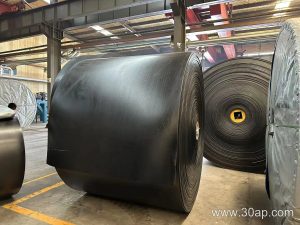
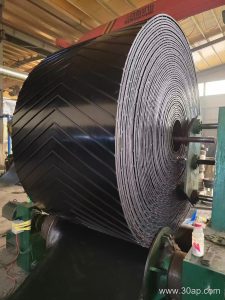
Choosing the right conveyor belt requires matching material, tension, and environment to your application.

Material and Construction
- Rubber for heavy loads; PVC for food; metal for high heat.
- Consider carcass type: fabric, steel cord, or solid woven.
Purchasing Advice
- Verify export standards and lead times.
- Request samples and test reports.
- Compare warranty and support.
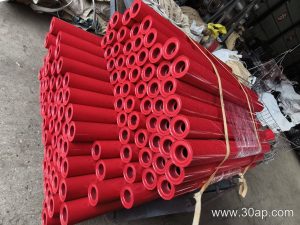
Idler Roller: The Core of Conveyor Efficiency
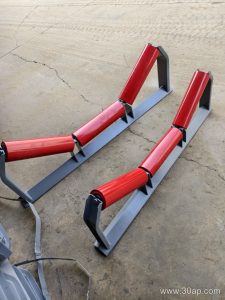
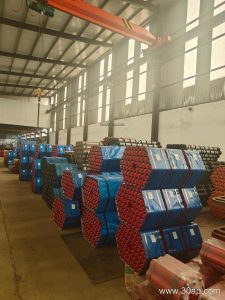
An idler roller supports the belt and reduces friction. Choosing the right one improves uptime and cuts energy costs.

Selection Factors
- Load capacity and belt width
- Bearing type: sealed vs. open
- Material: steel, stainless, or polymer
Purchasing Advice
- Match roller diameter to belt speed
- Verify shaft and mounting tolerances
- Request load and life test data
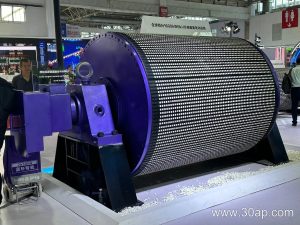
Conveyor Pulley Essentials
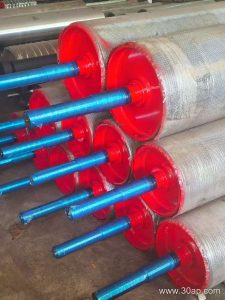
A conveyor pulley drives or redirects the belt. Choose drum, wing, or magnetic types based on duty.
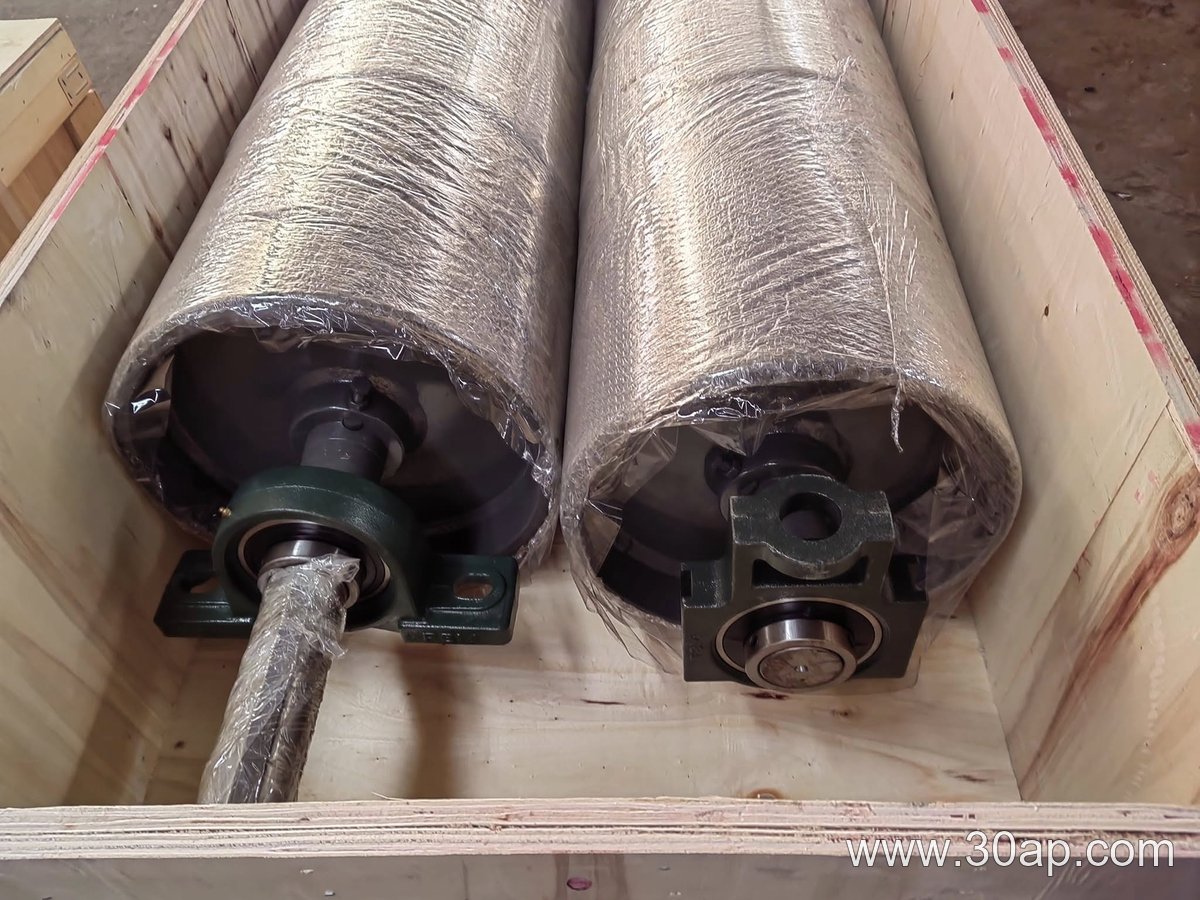
Selection Tips
- Match diameter to belt speed and tension.
- Check lagging for grip and wear.
- Verify shaft, bearing, and load ratings.
Purchasing Advice
Compare balance quality, lead time, and warranty. Request test reports before ordering.
Conveyor Bracket: The Backbone of Reliable Material Handling
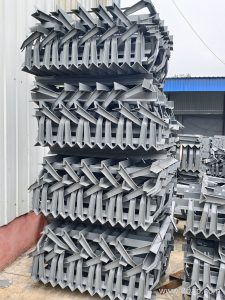
A conveyor bracket holds rollers, idlers, and frames in precise alignment. Choose the right bracket to cut downtime and extend belt life.
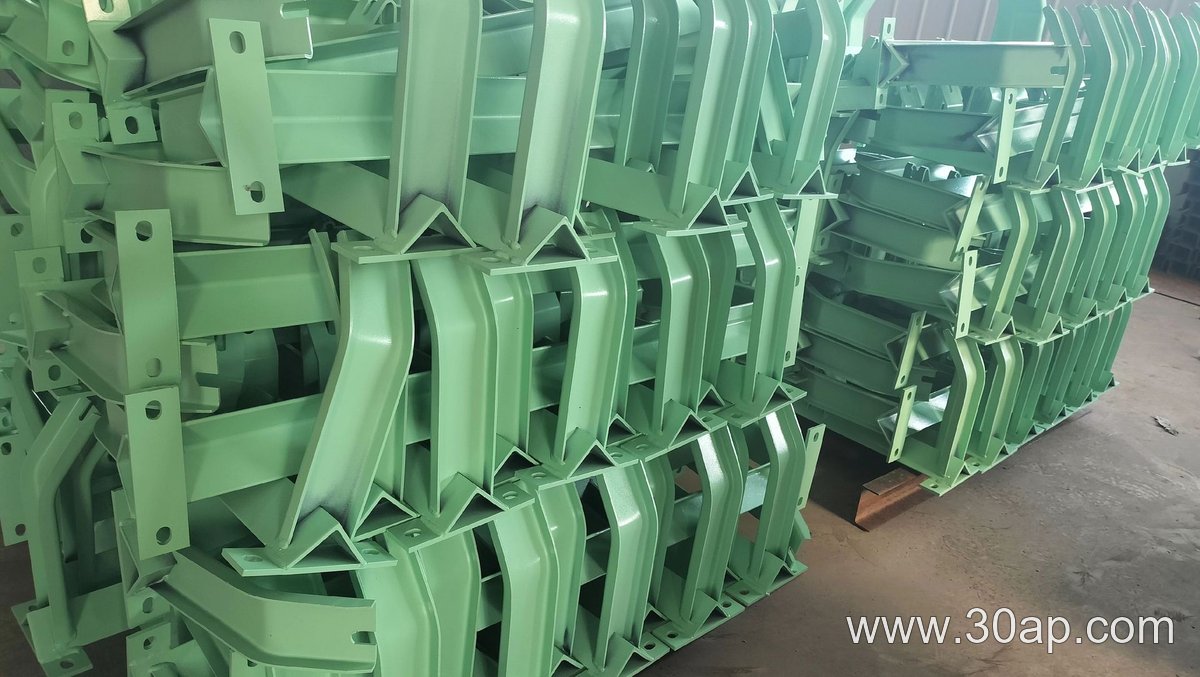
Selection and Purchasing Advice
- Match load capacity and belt width.
- Pick mild steel, stainless, or galvanized for your environment.
- Confirm hole spacing and mounting style.
- Buy from suppliers offering tolerances and finish specs.