What Is a 1500mm Wide Conveyor Belt?
A 1500mm wide conveyor belt is a heavy-duty rubber or fabric-reinforced belt with a nominal width of 1500 millimeters. It sits at the upper end of standard wide belt sizes, bridging the gap between common 1200mm and 1400mm belts and extra-wide 1800mm and 2000mm options. In industrial settings, you will often see this width referred to simply as a 1500mm conveyor belt or a wide conveyor belt. It is built to carry large volumes of bulk material over long distances, making it a workhorse in mining, cement, power generation, and aggregate processing.
The width itself is a key design parameter. A 1500mm belt offers a generous load cross-section, which translates to higher throughput without necessarily increasing belt speed. This is particularly useful where material is bulky or where gentle handling is required. Whether you are moving crushed rock, coal, clinker, or ore, a 1500mm wide belt can be matched with appropriate idler rollers, conveyor pulleys, and conveyor brackets to form a reliable conveying system.
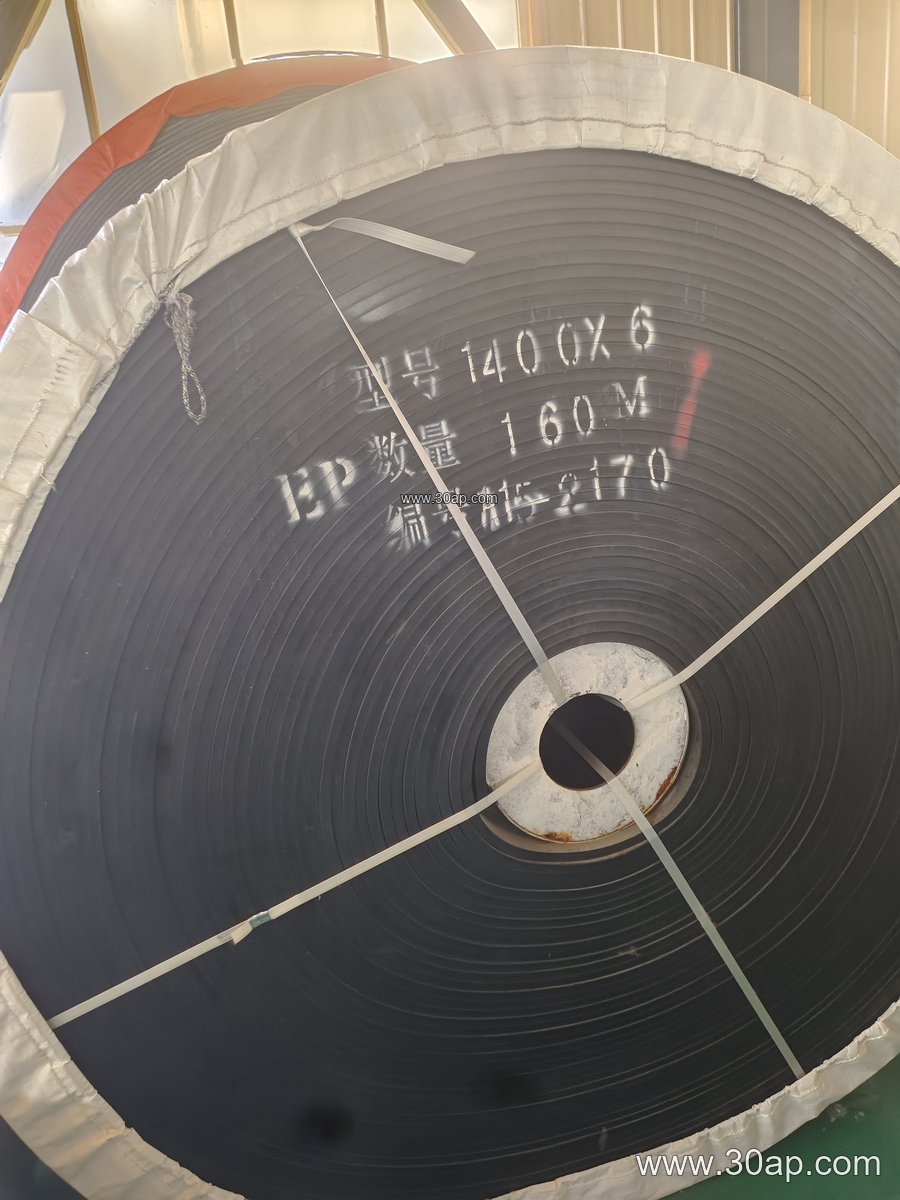
Construction and Common Specifications
Construction of a 1500mm wide conveyor belt follows the same principles as narrower belts but demands robust materials to handle the higher tensions and loads. The belt typically consists of a fabric core (such as EP or NN) or a steel cord core, covered with rubber on both sides. The cover grade is selected based on the application: abrasion resistant for quarry and aggregate duty, heat resistant for cement and foundry work, flame retardant for underground coal mining, and oil resistant for certain industrial processes.
Below are some common reference values for a 1500mm wide belt. These are indicative and should be confirmed with the manufacturer for each specific order.
| Parameter | Common Range / Example |
|---|---|
| Belt width | 1500 mm |
| Core type | EP, NN, steel cord |
| Strength class (EP) | EP200 to EP2000 (e.g., EP630, EP1000, EP1250) |
| Number of fabric plies | 2 to 6 (multi-ply fabric core) |
| Cover thickness (top + bottom) | 4+2 mm, 5+2 mm, 6+2 mm, 8+3 mm |
| Cover grades | Abrasion resistant, heat resistant, flame retardant, oil resistant, anti-static |
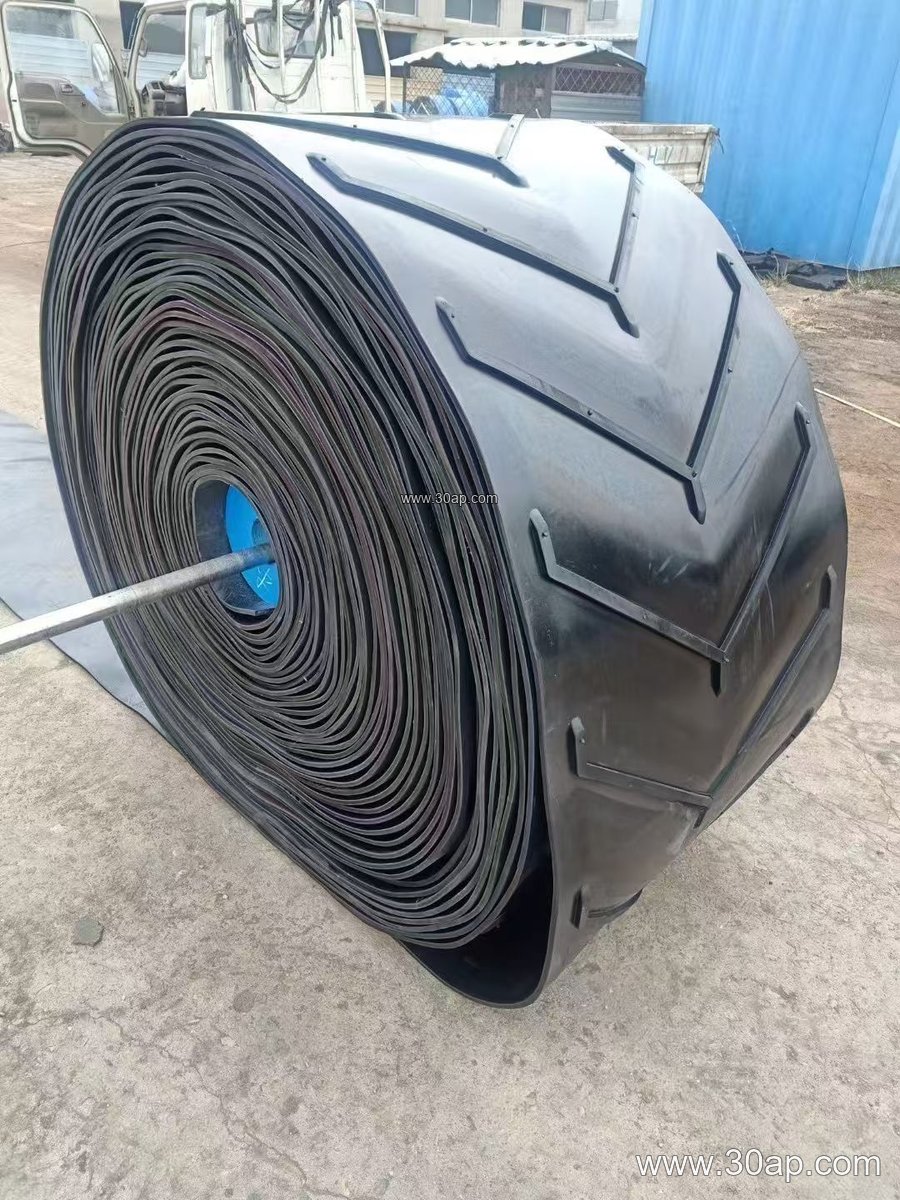
For high-tension applications, a steel cord conveyor belt such as ST1000 or ST1600 may be used in 1500mm width. For general bulk handling, an EP conveyor belt like EP1000 1500mm wide is a popular choice. The belt edges can be plain, or the belt may feature chevron cleats or corrugated sidewalls to prevent material spillage on inclines.
Where It Is Used
The 1500mm wide conveyor belt is at home in industries that move large tonnages. In the mining sector, it is common on overland conveyors and in underground mining operations, where flame retardant and anti-static properties are critical. Coal mining conveyor belts of this width handle raw coal from the face to the preparation plant. In cement plants, heat resistant belts transport clinker and limestone. Power plants use wide belts for coal and biomass handling. Quarries and aggregate operations rely on abrasion resistant 1500mm belts to move crushed stone and sand. Ports and ship loading facilities also employ wide belts for fast loading of bulk carriers.
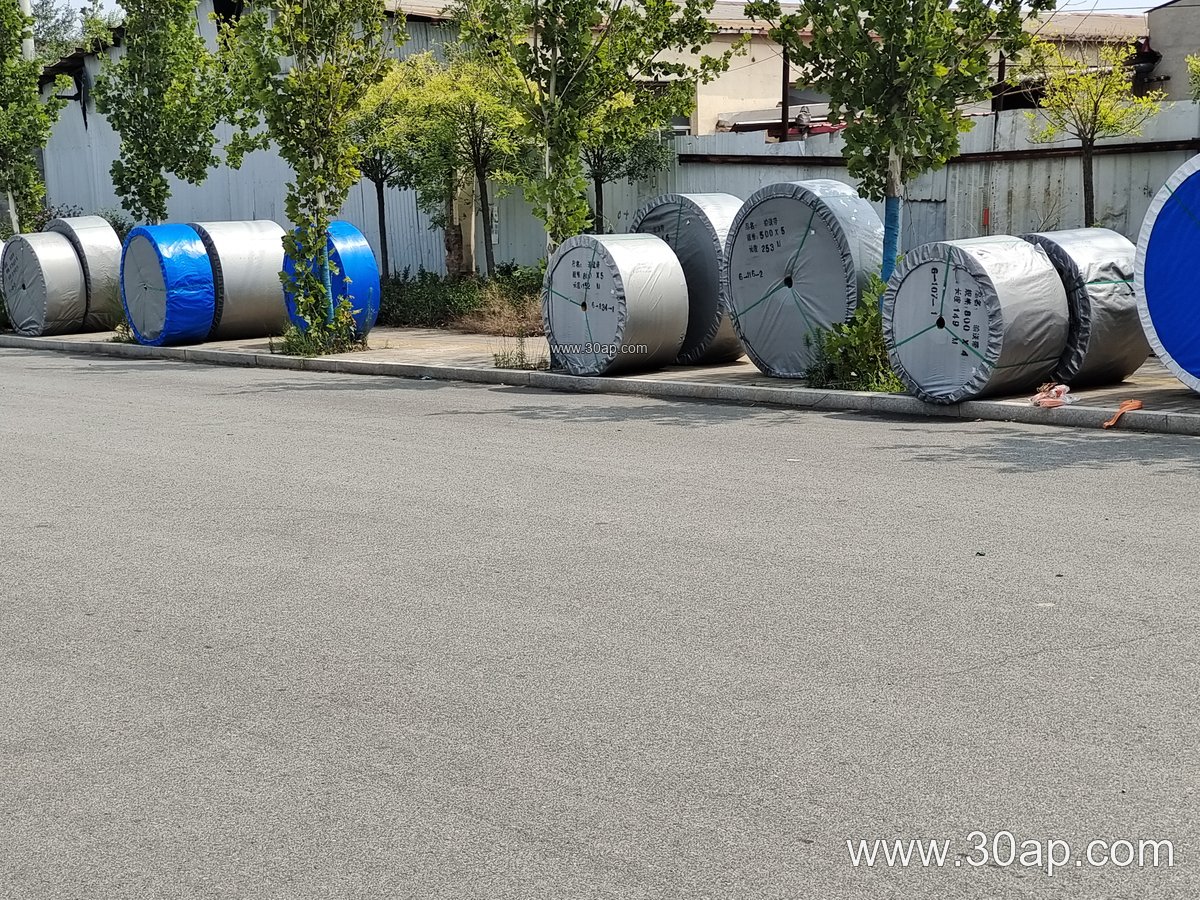
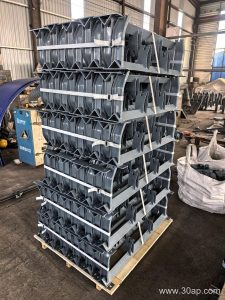
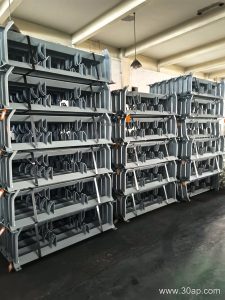
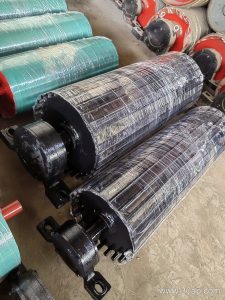
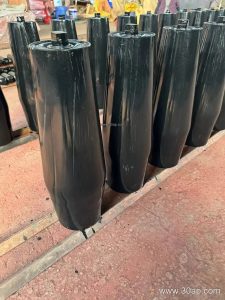
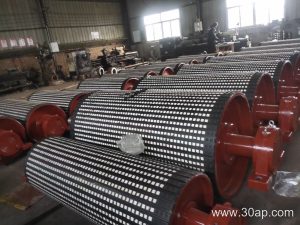
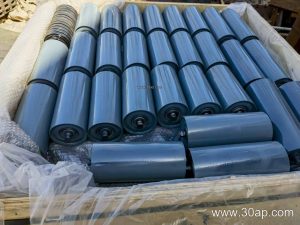
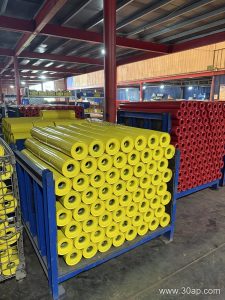
Supporting equipment must be sized accordingly. Idler rollers for a 1500mm belt are typically available in troughing, impact, and return configurations. The conveyor pulley at the drive and tail ends, along with bend pulleys, must be selected based on the belt tension and shaft load, not merely on width. Conveyor brackets and frames are designed to accommodate the wider belt and the associated loads.
Buyer Checklist
When specifying a 1500mm wide conveyor belt, consider the following:
- Material to be conveyed: determines cover grade (abrasion, heat, oil, flame resistance) and whether a chevron or skirted belt is needed.
- Capacity and speed: the belt width and speed together define throughput; ensure the selected belt can handle the required tons per hour.
- Tension and strength: calculate the maximum belt tension to choose between EP, NN, or steel cord construction and the appropriate strength class.
- Pulley and idler compatibility: confirm that drive, tail, and bend pulleys are rated for the belt tension and that idler rollers suit the belt width and load.
- Environmental conditions: temperature, moisture, and chemical exposure influence cover compound selection.
Always request the manufacturer’s data sheet for the specific belt offered. A 1500mm wide conveyor belt is a significant investment, and matching it correctly to the conveyor system ensures long service life and safe operation.