What a Comb Return Idler Does
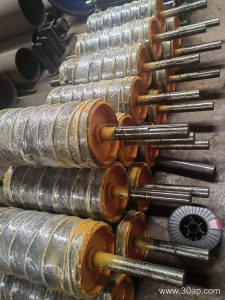
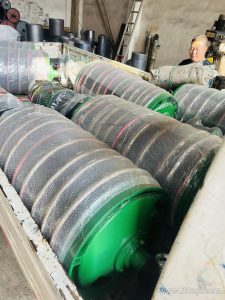
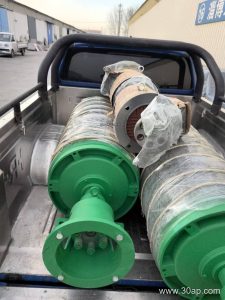
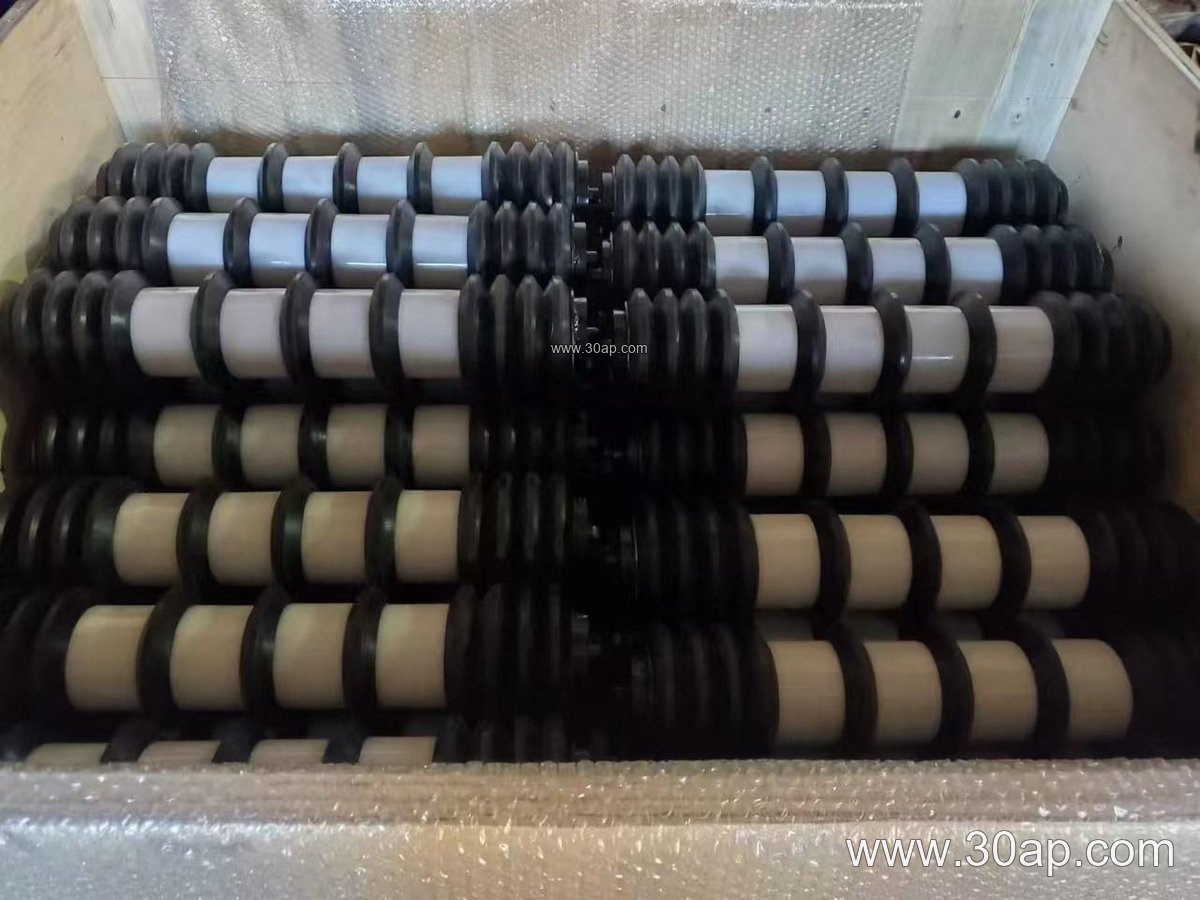
A comb return idler is a return-side roller whose shell is fitted with spaced rubber or polymer discs, often called comb rings, instead of a plain steel surface. It supports the empty conveyor belt on the lower run while the gaps between the discs let fines, dust and sticky material fall away rather than build up on the roller. In a quarry, a cement plant or a coal handling line, that self-cleaning action is the main reason maintenance teams choose this design.
The product is also called a disc return roller or rubber disc return idler. Both names describe the same item. The discs are not a replacement for a V-type return roller or a plain return roller; they are a distinct return-side subtype, and the choice between them should follow the material and the belt condition.
Construction and Key Parts
A typical unit pairs a steel tube shaft with a series of moulded discs pressed onto the shell. The bearing housing is sealed on both ends, since return rollers sit close to spilled material and wash-down water. Common bearing sizes include 6204, 6205, 6305, 6306, 6308 and 6310, matched to the shaft and load rather than to belt width alone. Roller diameters commonly range from Ø89 and Ø108 up to Ø133, Ø159 and larger, depending on belt width and the weight of the returning belt.
Disc spacing, disc hardness and shell thickness vary by maker. Softer discs protect the belt cover; harder discs resist abrasion in ore and aggregate service. A buyer should ask for the disc material, the seal type and the shaft end fitting, because these details decide how the idler behaves after months of dusty operation.
Where It Fits on the Conveyor
The comb return idler is mounted on the return strand, usually in a group of two or more rollers carried by a conveyor bracket. It is common in stone crushing lines, sand and gravel plants, iron ore and copper ore handling, power plant coal yards and port bulk terminals. It is also seen under belts carrying damp material where a plain roller would quickly wrap itself in fines.
On the carrying side, the same conveyor may use three-roll troughing sets with a 20, 30, 35 or 45 degree trough angle, while the return side uses this comb design. The two sides serve different purposes, so the return idler should be selected from return-side data, not from carrying idler tables.
Common Size References
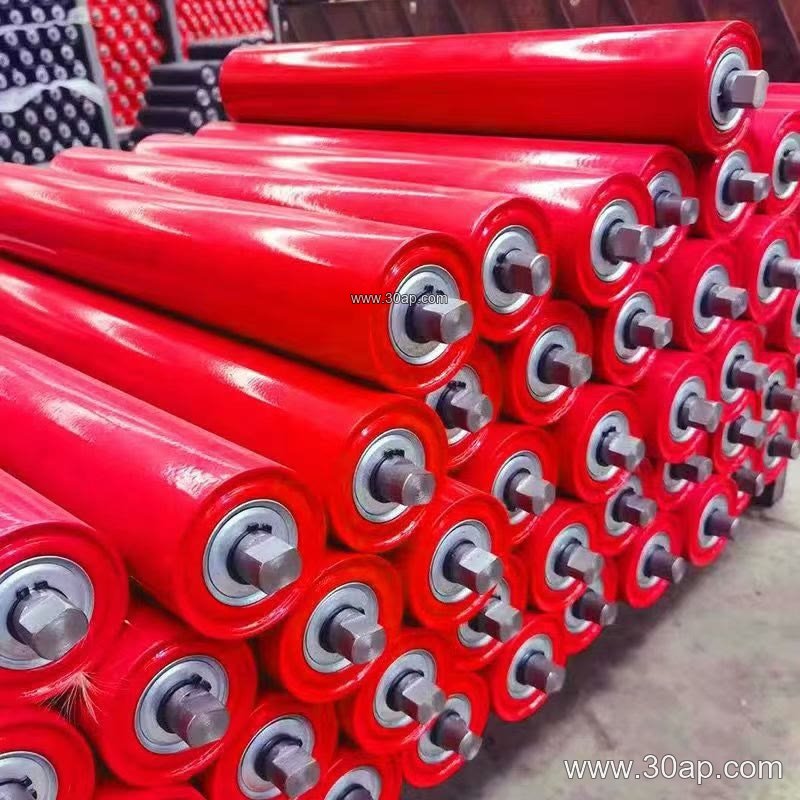
The figures below are typical examples only. Actual roller length depends on belt width, trough form and the idler group design; side rollers and centre rollers can differ within one set.
- B500 belt: roller length around 200 mm
- B650 belt: around 250 mm
- B800 belt: around 315 mm
- B1000 belt: around 380 mm
- B1200 belt: around 465 mm
- B1400 belt: around 530 mm
- B1600 belt: around 600 mm
Belt widths from B400 to B2400 appear in bulk handling, and a return idler for a 1200 mm or 1500 mm belt is a different part from one built for a 650 mm line. Diameter and bearing size are chosen from load and shaft design, not from a single fixed rule.
Selection Notes for Buyers
Start with the belt width, the returning belt weight and the material being carried. In a coal mining conveyor or an underground mining conveyor, flame retardant and anti-static properties may be required for components near the belt, and the discs should be compatible with the belt cover. For a conveyor belt carrying hot clinker or sinter, heat resistant grades matter more than self-cleaning. Where oil mist or chemical splash is present, check the disc compound against the exposure.
Match the idler to the conveyor frame and bracket height, confirm the shaft end type, and keep spare discs or complete rollers on hand. A worn disc pack can be replaced without changing the whole return set in many designs, which shortens downtime. Finally, review the interface with the conveyor pulley at the tail and the belt training devices, since a misaligned return strand will wear discs unevenly.