What a Double-Sealed Idler Is
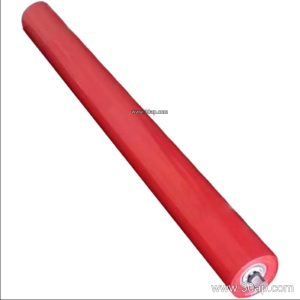
A double-sealed idler is a conveyor carrying or return roller built with two sealing stages at each bearing end. Instead of relying on a single lip or labyrinth, the design pairs an outer labyrinth seal with an inner contact seal, so dust, grit, and splashing water must pass two barriers before reaching the bearing grease. In a quarry or a cement plant, that extra barrier is often what separates a roller that lasts for years from one that grinds to a halt in months.
The natural product name in most plants is simply the double-sealed idler roller, and the accurate equivalent is a dual-seal conveyor idler. It is still an idler — not a pulley, not a bracket — and it mounts in the same frames as standard rollers.
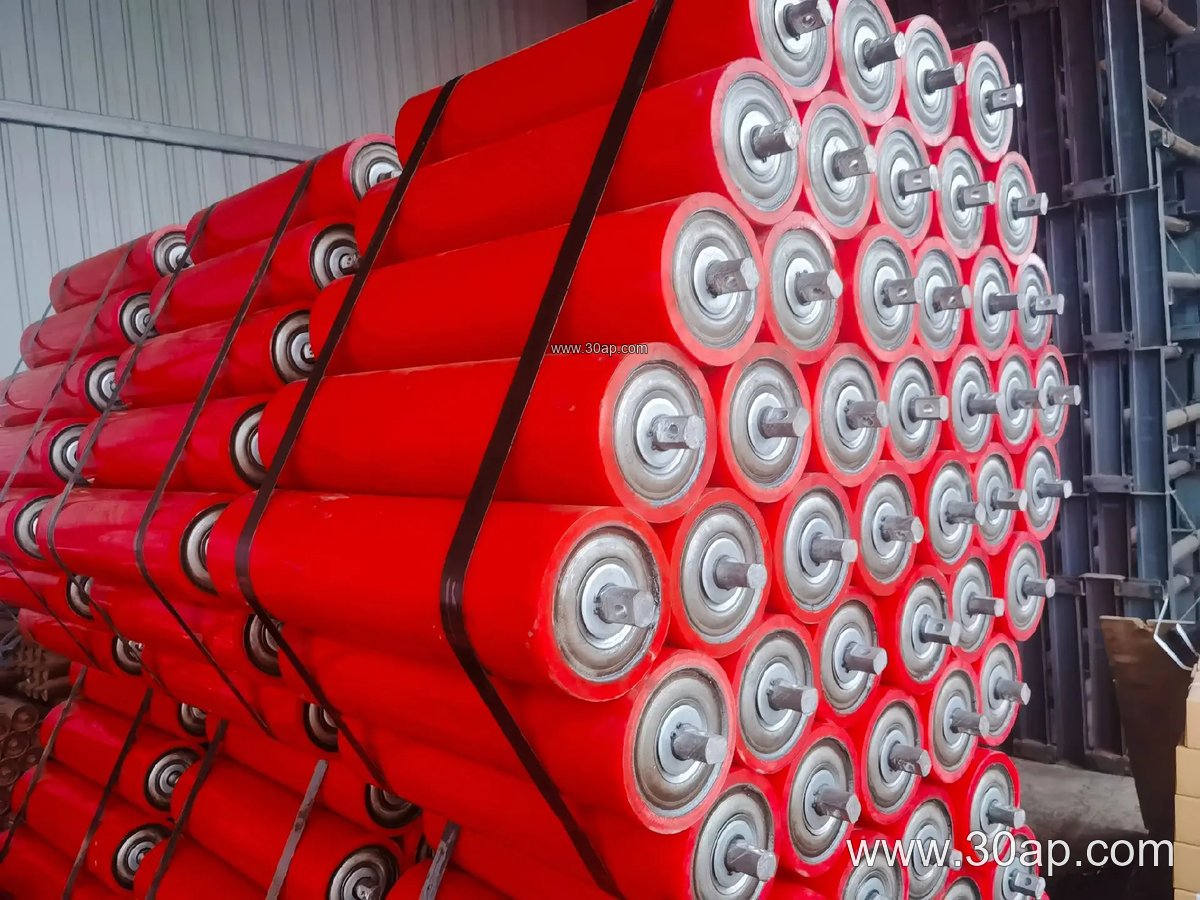
How the Sealing Is Built
At each end of the roller shell, a bearing housing holds a deep-groove ball bearing, typically 6204, 6205, 6305, 6306, 6308, or 6310 depending on shaft and load design. Outside the bearing sits the seal package: an inner seal that rides against a rotating part, and an outer labyrinth cap that spins with the shell while interlocking with a stationary ring. Grease fills the gap between the stages and acts as a third barrier.
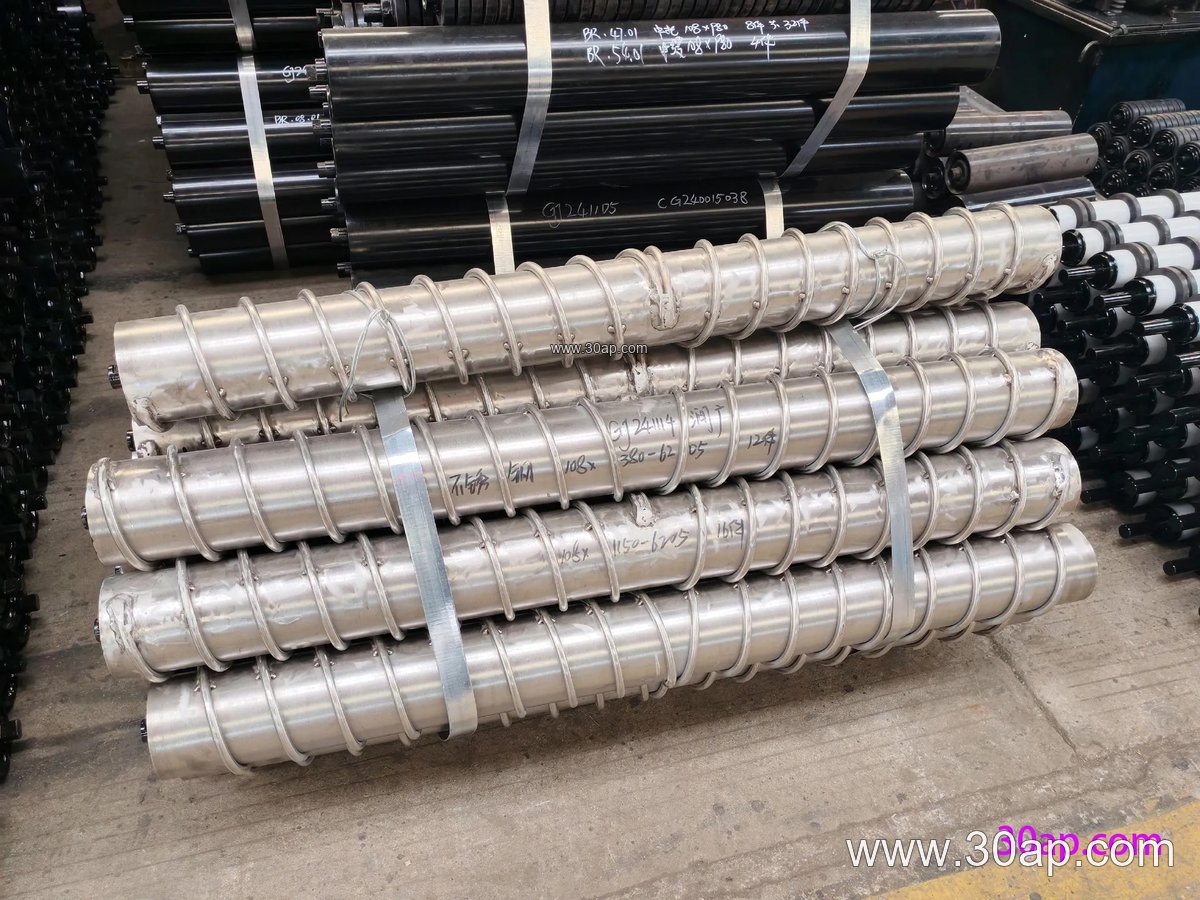
- Outer stage: non-contact labyrinth, sheds coarse dust and rock fines
- Inner stage: contact lip or cassette seal, blocks fine powder and moisture
- Grease pocket: retains lubricant and flushes particles away from the raceway
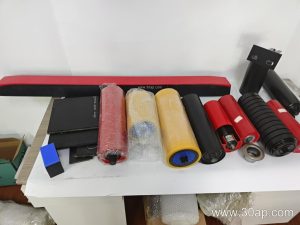
The roller body is usually a steel tube, with optional nylon, ceramic, or rubber-ring surfaces for special duties. Shaft ends are flattened or machined to fit standard conveyor brackets, so replacement does not require frame modification.
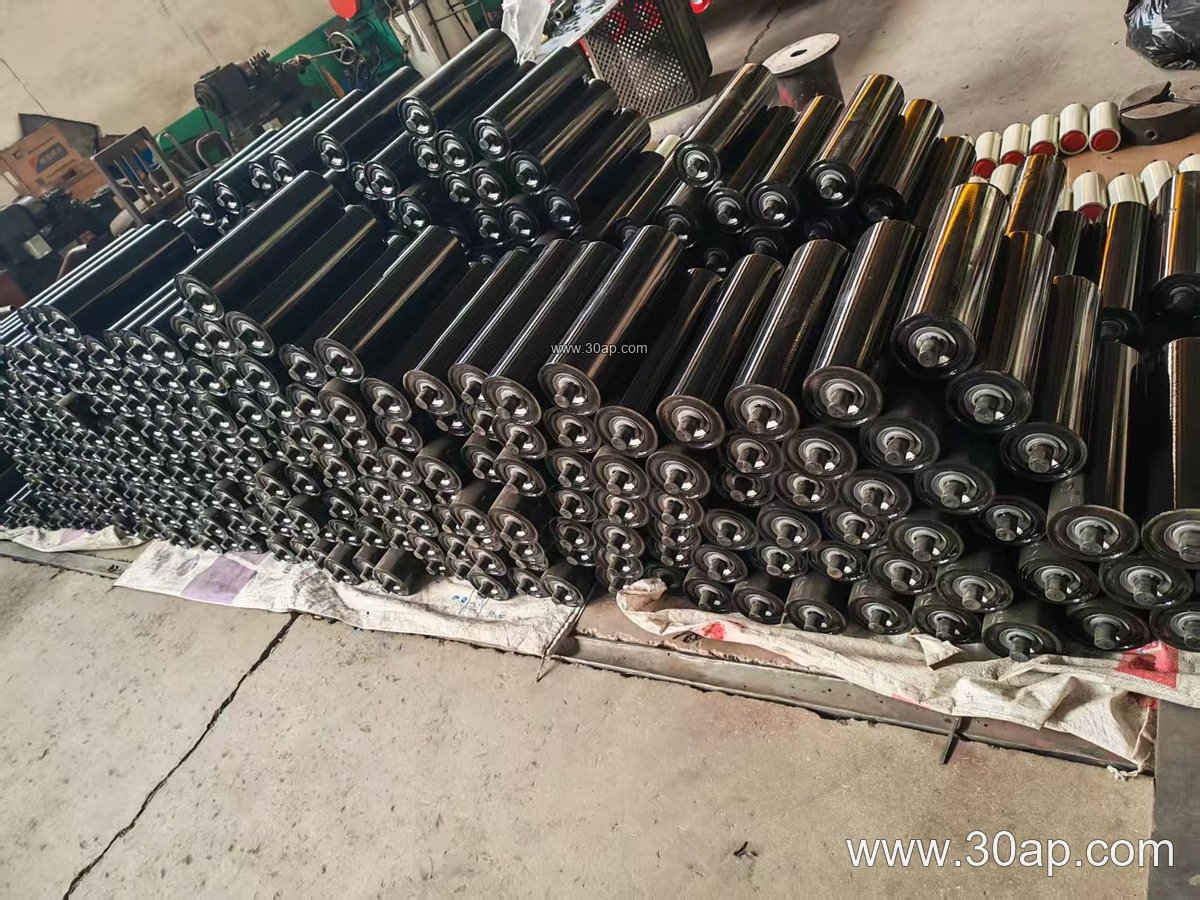
Where Double Sealing Pays Off
Any line handling abrasive bulk material benefits, but the return on a dual-seal conveyor idler is clearest in two settings. First, the wash plant and screening deck of a sand and gravel operation, where spray water and fine silt attack every bearing. Second, the coal handling system of a power plant, where coal dust is fine, persistent, and often damp. In both places the roller is exposed to contamination from below as well as above, and a single seal is easily overwhelmed.
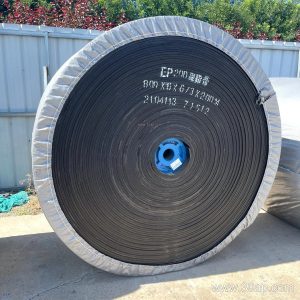
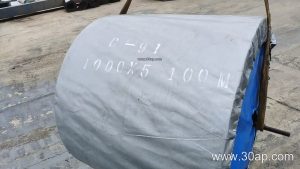
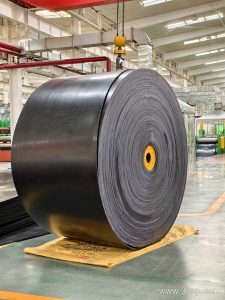
Heavier duties also justify the design. A crusher discharge line carrying EP200 Conveyor Belt or a multi-ply fabric core belt at high tonnage will shake the rollers constantly; the seal must resist vibration as well as dirt. On inclined haulage with a Steel Cord Conveyor Belt, roller failure can cause belt damage, so sealed bearings are cheap insurance. Tunnels and underground coal mining conveyors add moisture and fine rock dust to the same problem.
Typical Sizes and Configurations
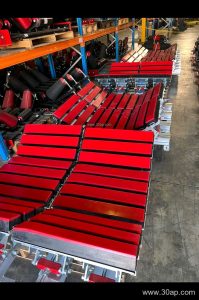
Double-sealed rollers follow the same dimensional conventions as other idlers. Diameters commonly run from Ø63 and Ø76 mm on small belts up to Ø159, Ø178, Ø194, and Ø219 mm on heavy-duty lines. Roller length is set by belt width, trough angle, and the roller set arrangement — a three-roll trough set for B800 usually uses a shorter roll than one for B1400. The values below are common references, not fixed pairings.
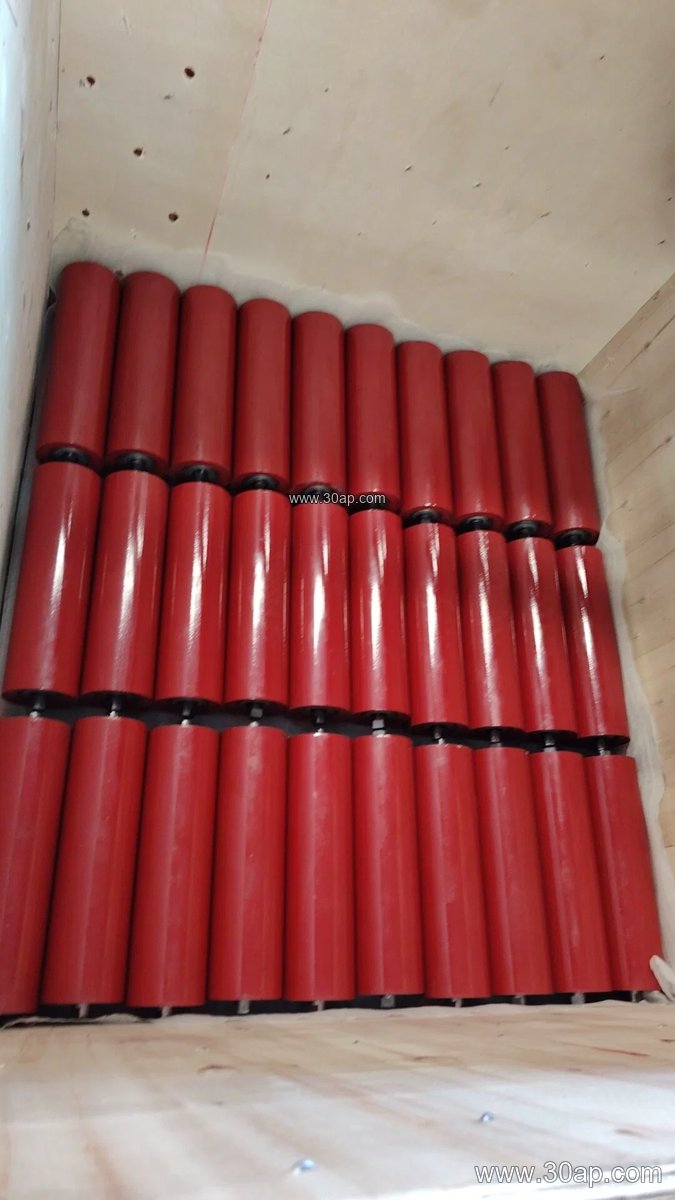
| Parameter | Common Range | Notes |
|---|---|---|
| Roller diameter | Ø63 to Ø219 mm | Larger diameters for wider, heavier belts |
| Belt width | B400 to B2400 | Roll length varies with trough angle |
| Trough angle | 20, 30, 35, 45 degrees | Affects side roll length |
| Bearing | 6204, 6205, 6305, 6306, 6308, 6310 | Selected by load and shaft design |
| Roller surface | Steel, nylon, ceramic, rubber ring | Rubber rings for impact zones |
For example, a three-roll trough set on B1000 may use rolls around 380 mm long, while B1600 sets commonly use rolls near 600 mm. Side rolls and center rolls can differ, so always confirm against the frame drawing. A dual-seal idler can be supplied as a trough roller, a flat return roller, a V-return, or a buffer roller with rubber rings; the sealing principle stays the same. On a comparison note, a plain trough idler without the second seal may suit a clean indoor line, but it is not a substitute where dust and water are present.
Buyer Checklist
- Match roller diameter and length to the existing frame, not to a catalog guess.
- Confirm the bearing number and shaft end type before ordering a replacement batch.
- Check seal material compatibility with wash water, oil, or heat.
- Ask whether the labyrinth cap is metal or polymer, since this affects service life.
- Order spares in proportion to the number of rollers on the longest, dirtiest run.
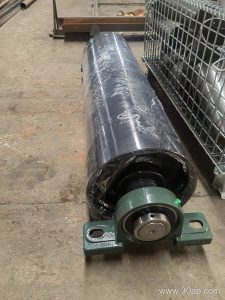
Inspect seals at each shutdown: a weeping or gritty seal means the bearing is already at risk. Replacing a double-sealed idler early is far cheaper than repairing a torn belt or a scored conveyor pulley. For plants running abrasion resistant or flame retardant belting, keeping the roller fleet sealed is one of the simplest ways to protect the whole conveyor system.