What a Conveyor Leg Does on a Bulk Handling Line
On a belt conveyor, the conveyor leg is the vertical support element that carries the weight of the loaded belt, the idler roller frames, and the material being moved. It is not the pulley and it is not the roller — it is the structural leg that ties the whole line to the ground or to a steel structure. In a quarry, a coal washing plant, a cement plant, or a power plant coal yard, the leg is often the part that decides how stable the belt runs and how quickly a maintenance crew can level a section after ground settlement.
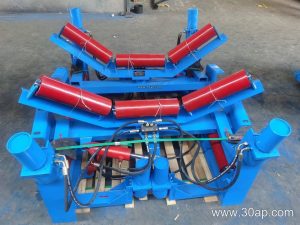
Although the leg looks simple, it works together with the conveyor bracket, the idler roller, and the conveyor pulley to keep the belt tracking true. When the legs are set at the correct height and spacing, the belt stays centered, the idlers wear evenly, and the drive pulley does not have to fight misalignment.
How a Conveyor Leg Is Built
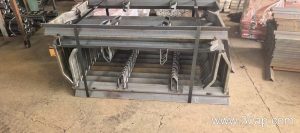
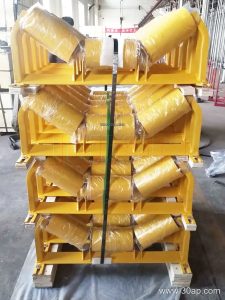
Most legs are fabricated from angle steel, channel steel, or folded steel plate. The top of the leg usually carries a mounting plate or a slotted bracket that accepts the conveyor bracket or the cross beam of the idler frame. The bottom may have a base plate for anchor bolts, or an adjustable foot for fine height correction.
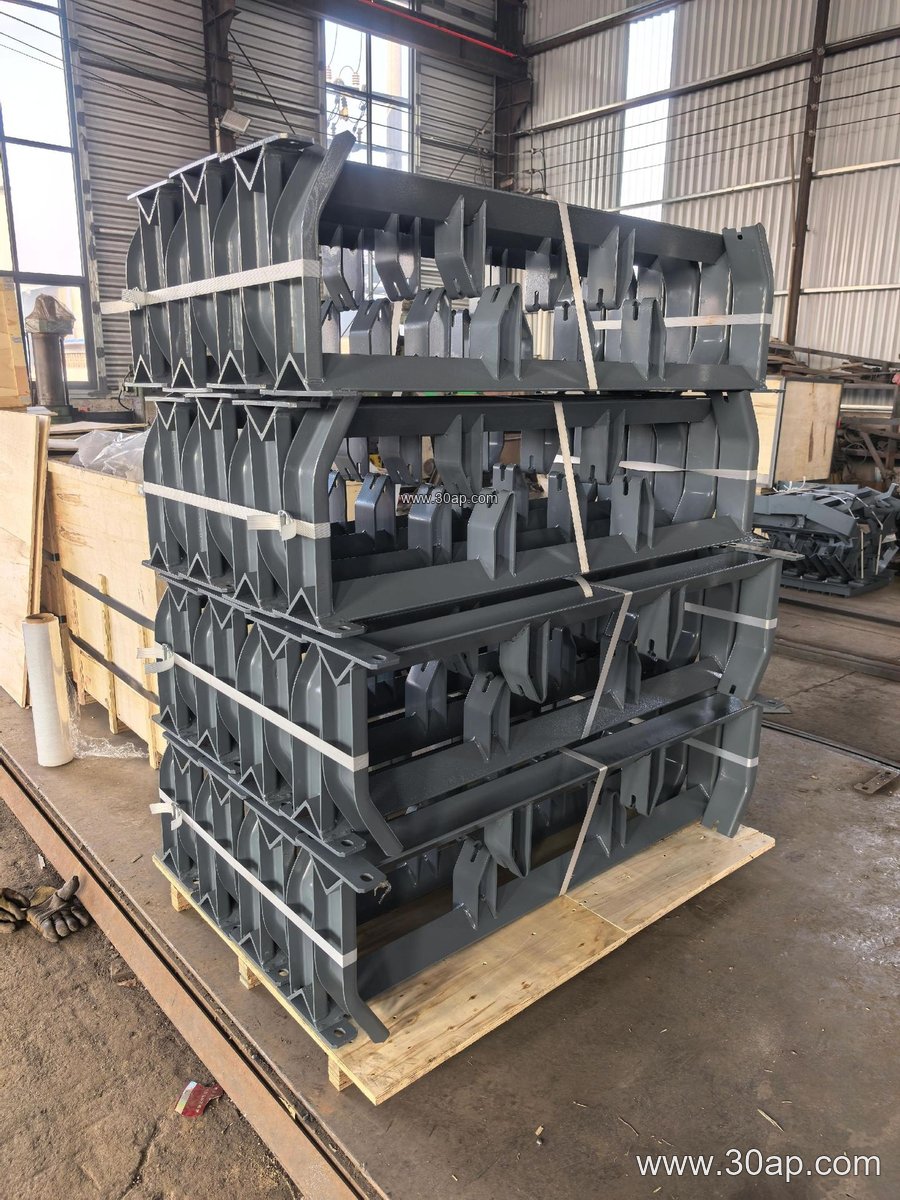
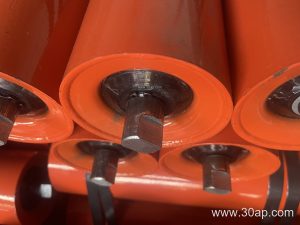
The design follows the belt width, the trough angle, and the roller diameter. A wider belt with a 45-degree trough and a Ø133 idler roller needs a different leg geometry than a narrow 30-degree line with Ø89 rollers. In practice, leg height, hole spacing, and cross beam length are determined by the conveyor design rather than by a single fixed rule. Common belt widths range from B500 to B2200, and typical roller diameters include Ø89, Ø108, Ø133, Ø159, and Ø194. A B800 line with a 35-degree trough and Ø108 rollers is a common combination in aggregate and cement service, but it is not the only valid match.
Fixed and Adjustable Legs
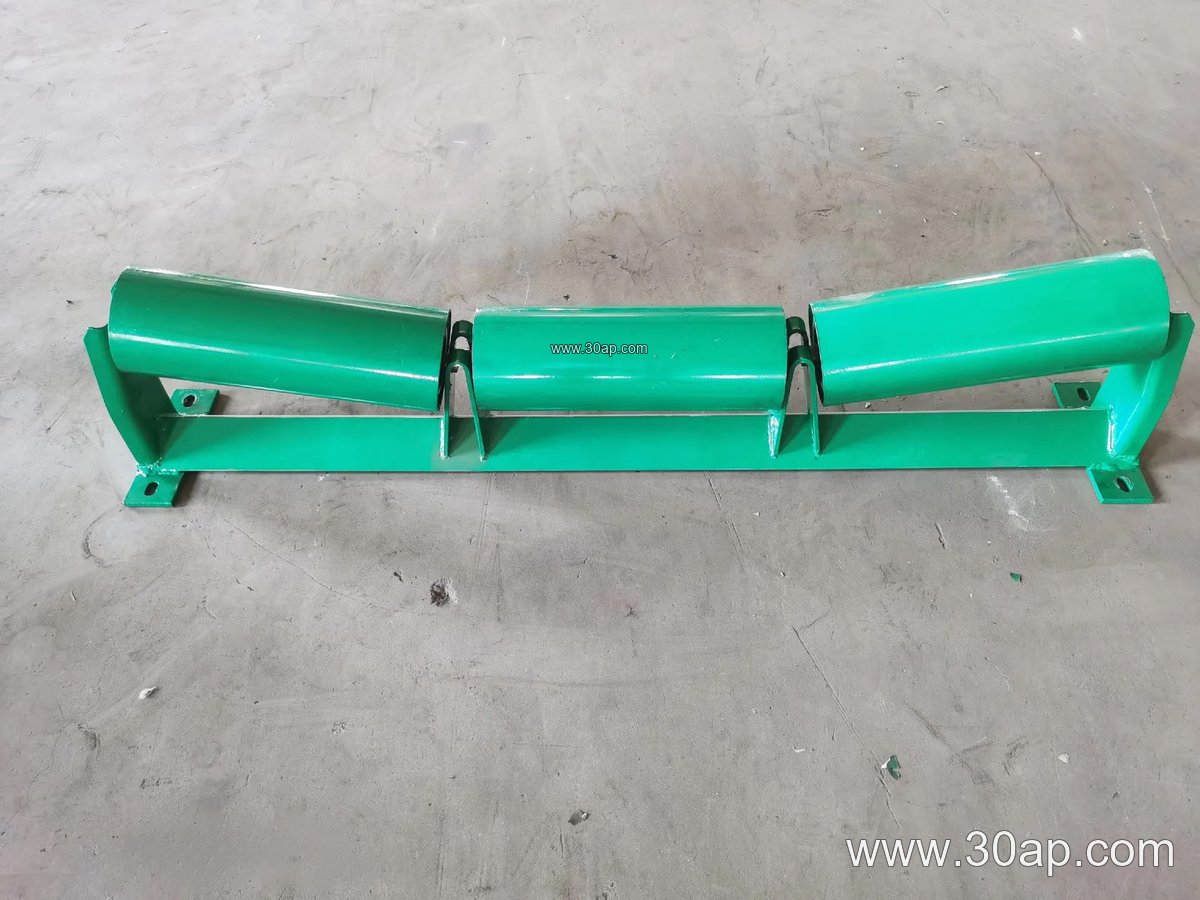
Two broad families are used. Fixed legs are welded or bolted to a set height and are common on long, straight overland sections where the ground is stable. Adjustable legs use slotted holes, threaded feet, or telescoping sections so the maintenance team can correct height after settlement or during belt alignment work.
The adjustable version is useful at transfer points, in crusher discharge areas, and on temporary stockpile lines. The fixed version is often preferred where vibration is high and where the leg must resist side loads from a heavy conveyor belt carrying ore or rock.
Where Conveyor Legs Are Used
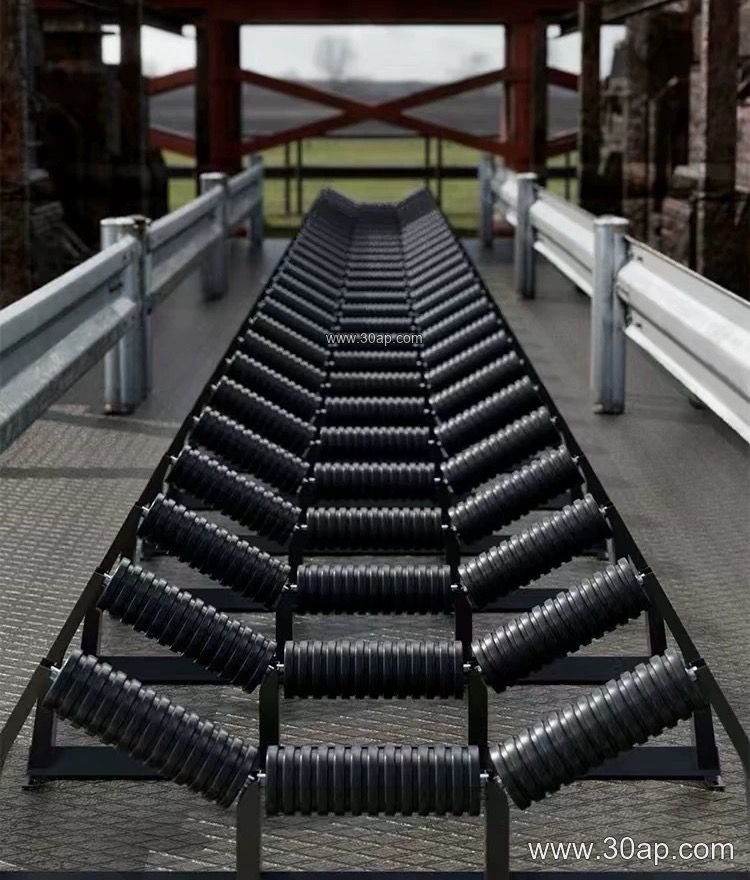
The leg appears in almost every bulk material line. In a limestone quarry or a sand and gravel plant, legs support the field conveyor between the crusher and the screening tower. In a coal washing plant and a power plant coal yard, they carry the belt that feeds the boiler or the stockpile. In a cement plant, they hold the clinker and raw meal conveyors. In a port ship loading line, the legs are often heavier because the belt is wide and the material load is high.
They are also found in steel plants, sinter lines, fertilizer plants, grain silos, and tunnel muck removal systems. The common thread is a need to keep the belt line level and true while the material load changes.
Working With the Belt, Rollers, and Pulleys
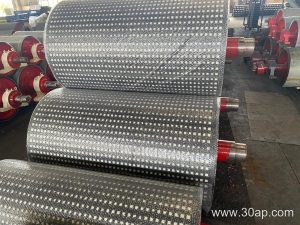
A conveyor leg does not work alone. The top bracket holds the idler roller, the belt runs on the rollers, and the drive pulley, tail pulley, and bend pulley pull the belt through the line. Each pulley has its own role and they are not interchangeable. The leg only provides the stable base. If a leg is out of height, the belt may drift, the idler may wear on one side, and the pulley may see uneven tension.
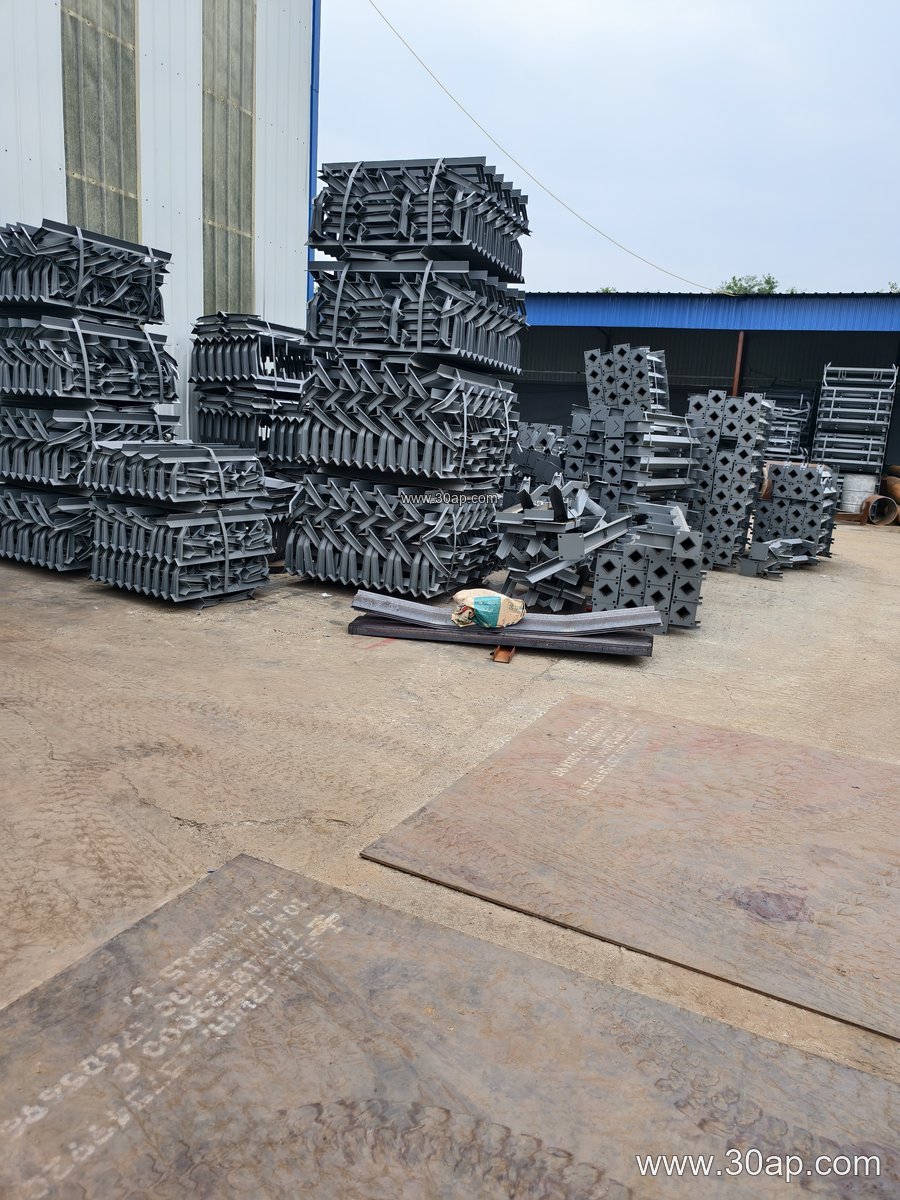
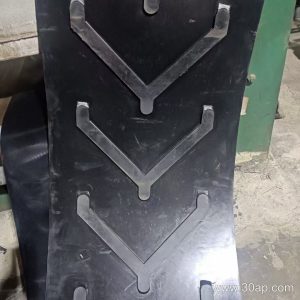
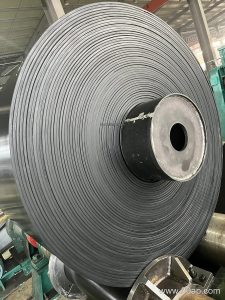
On lines carrying abrasive material, a high abrasion resistant conveyor belt or a heavy-duty mining conveyor belt adds weight that the leg must carry. On a coal mining conveyor belt or an underground coal mining conveyor belt, flame retardant conveyor belt grades are common, and the leg design must allow fast inspection in a confined space. In a cement plant, a heat resistant conveyor belt may be used near the kiln, and the leg spacing often follows the thermal expansion joints.
Related equipment such as the conveyor pulley, the idler roller, and the conveyor bracket should be selected together with the leg so that the mounting holes and beam lengths match. A fabric core conveyor belt or an EP conveyor belt with a multi-ply fabric core will run differently from a steel cord conveyor belt, and the leg stiffness should suit the belt tension.
Buyer Checklist
- Confirm the belt width (B500 to B2200) and the trough angle (20, 30, 35, or 45 degrees) before ordering.
- Match the leg top bracket to the actual idler roller diameter (Ø89, Ø108, Ø133, Ø159, or Ø194).
- Decide between fixed and adjustable legs based on ground conditions and maintenance access.
- Check the mounting hole spacing and cross beam length against the conveyor bracket drawing.
- For abrasive or heavy loads, specify a heavier leg section and confirm the anchor detail.
- Keep drive, tail, and bend pulleys as separate items — they are not substitutes for each other or for the leg.
Whether the line moves ore, coal, clinker, or aggregate, the conveyor leg is a small part that carries a large share of the load. Getting the height, spacing, and bracket match right at the start saves alignment work later. For more on matching belts, rollers, and pulleys, visit our site and search for conveyor leg, conveyor idler, and conveyor pulley references.