What a Port Conveyor Idler Does at the Terminal
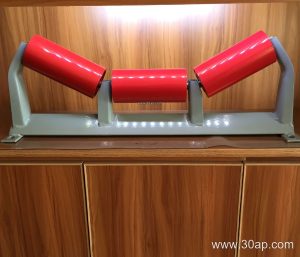
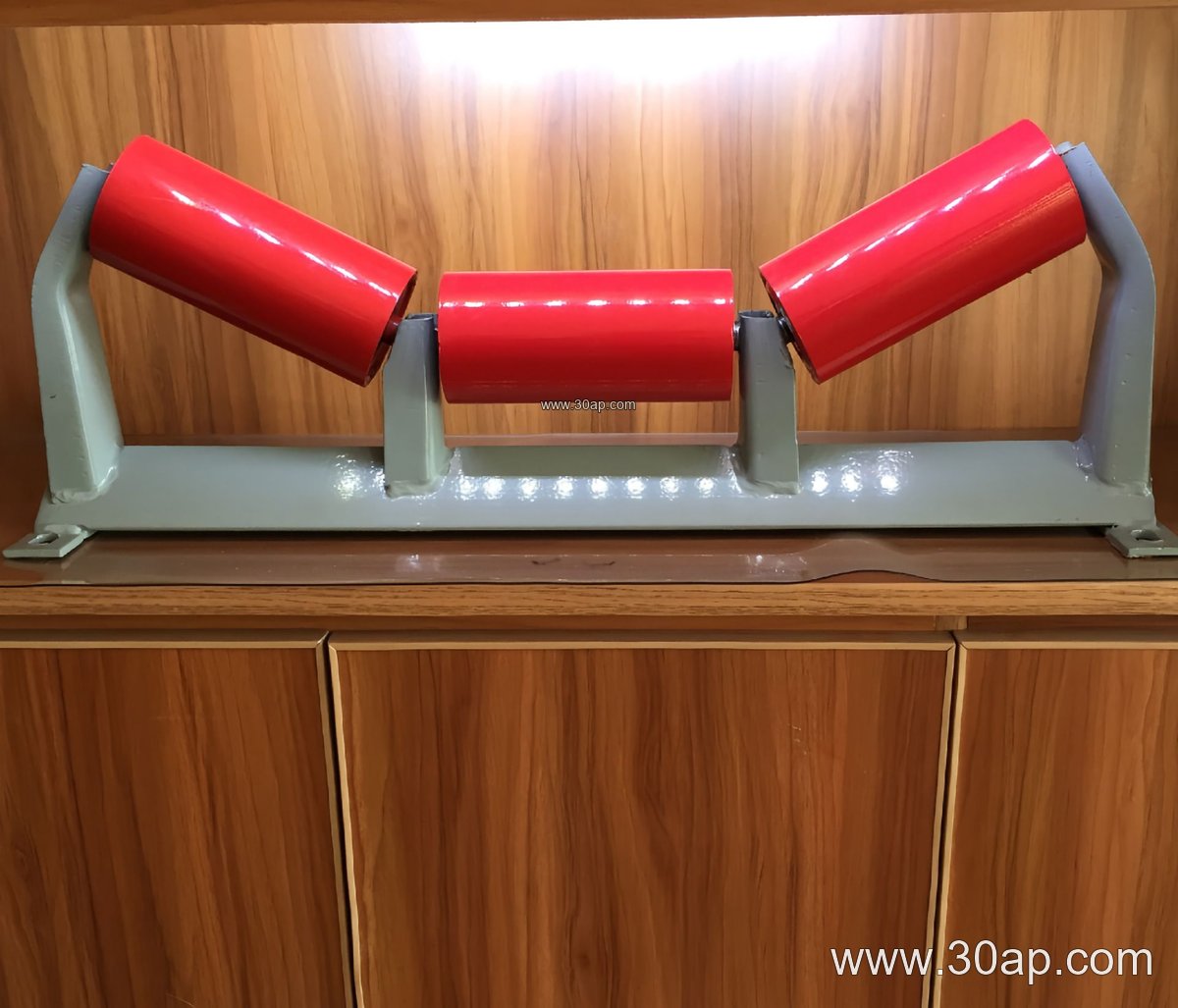
A port conveyor idler is the rotating support that carries the conveyor belt and its cargo along the length of a ship loading or unloading line. At bulk terminals, the idler roller must handle high tonnage, salt air, and continuous shifts, so the choice of roll diameter, bearing seal, and frame style matters as much as the belt itself. Whether the line moves iron ore, coal, fertilizer, or grain, the idler set keeps the belt tracking and protects the belt cover from premature wear. In a typical jetty conveyor, three-roll troughing idlers support the loaded strand, while return idlers hold the empty belt on the way back.
Construction Details That Affect Uptime
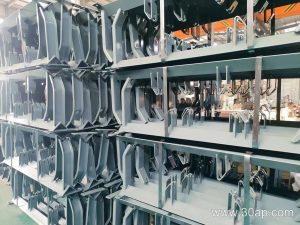
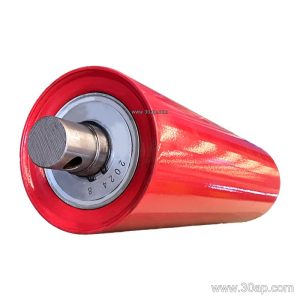
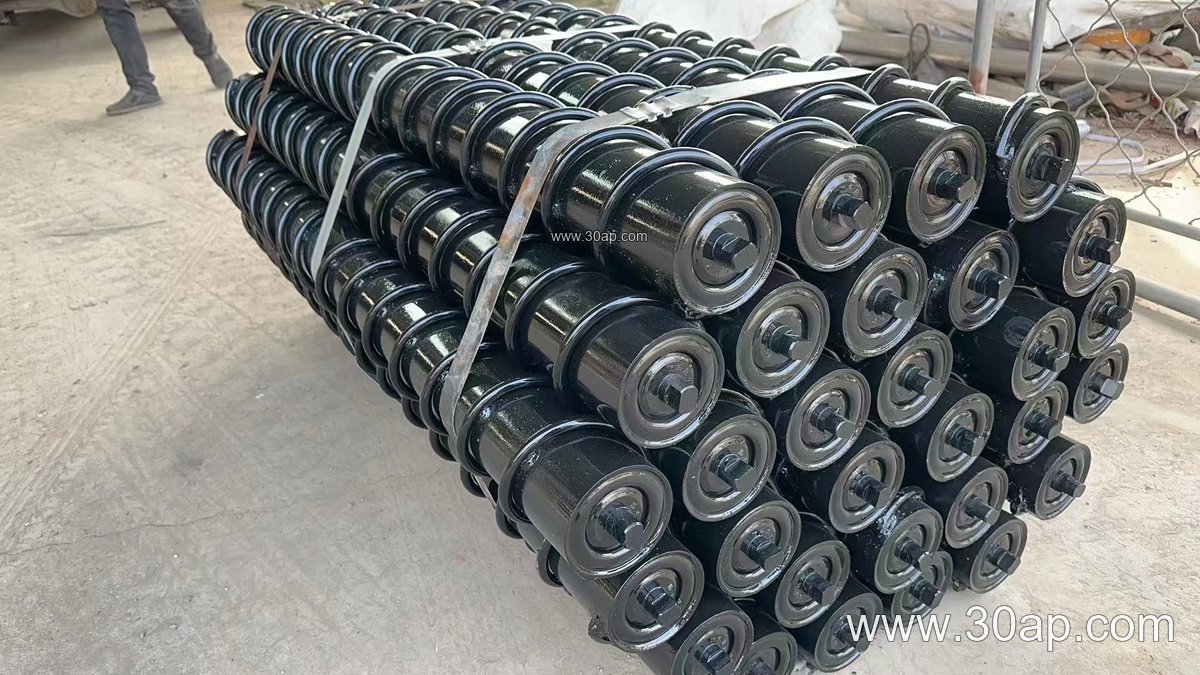
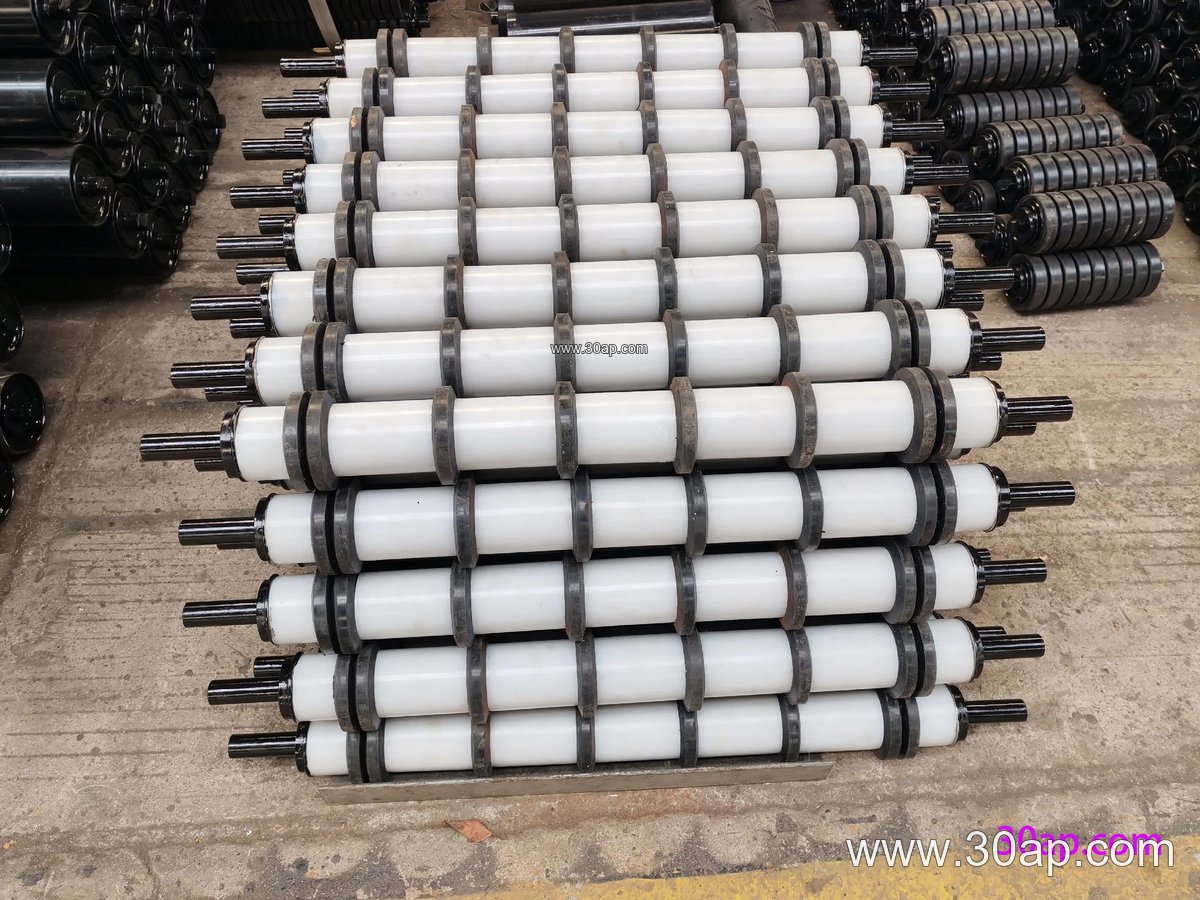
Most port conveyor idlers use a steel tube shell with welded end caps and a through shaft. The bearing housing is greased for life or fitted with a lubrication port, and the seal arrangement is the first defense against dust and moisture. Common bearing sizes include 6204, 6205, 6305, 6306, 6308, and 6310, matched to the roll diameter and load. Roll surfaces may be plain steel, nylon, ceramic, or rubber rings; rubber disc rolls are often chosen where impact from large lumps is expected at the transfer point. The idler roller should rotate freely by hand and show no axial play before installation.
Matching Idler Diameter and Belt Width
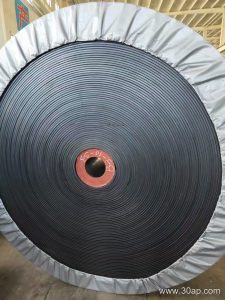
Belt width and idler diameter are selected together with belt speed and capacity, not as a fixed pair. A narrow 500mm or 650mm belt may use a smaller roll, while a 1800mm or 2000mm wide conveyor belt in an iron ore terminal usually needs a larger shaft and heavier frame. The table below shows common reference values; final dimensions are set by the conveyor designer.
| Belt width | Common troughing roll diameter | Typical three-roll length (center roll) |
|---|---|---|
| B500 | Ø63 to Ø89 | about 200 mm |
| B800 | Ø89 to Ø108 | about 315 mm |
| B1200 | Ø108 to Ø133 | about 465 mm |
| B1600 | Ø133 to Ø159 | about 600 mm |
| B2000 | Ø159 to Ø194 | about 750 mm |
These are examples only; side rolls and center rolls can differ, and a wider belt does not automatically require one specific pulley diameter. The same logic applies to the conveyor pulley at the drive and tail stations, which are separate components from the idler.
Trough Angle and Material Behavior
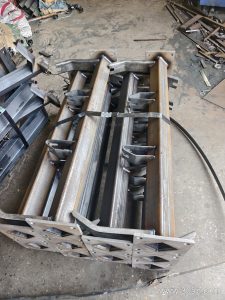
The trough angle controls how the belt forms a channel. A 20 degree set suits light material and thin belts, while 35 degree and 45 degree troughs are common on high-capacity port lines handling coal or ore. A steeper angle increases capacity but also increases belt edge stress, so the conveyor belt specification, such as an EP conveyor belt or steel cord conveyor belt, must match the chosen trough. Transition idlers are placed near the head and tail to ease the belt from flat to troughed without over-stressing the splice.
Where Port Conveyor Idlers Are Used
Bulk terminals, ship loaders, stacker-reclaimers, and train unloading stations all rely on idler sets. In a coal export terminal, flame retardant conveyor belt and anti-static properties are often specified alongside the idlers, while a fertilizer or grain terminal may focus on corrosion resistance and cleanliness. Quarry and aggregate operations feeding a ship also use heavy-duty idlers under crusher conveyor belts and transfer points. The same idler frame can appear in a power plant coal yard or a cement plant clinker line, but the seal and roll surface should be chosen for the local dust and moisture.
Buyer Checklist Before Ordering
- Confirm belt width, trough angle, and roll length for each idler station.
- State the loaded material and whether impact idlers or rubber disc rolls are needed at transfer points.
- Check bearing size and seal type against the terminal environment, especially salt air.
- Ask for the shaft end fixing style so idlers fit the existing conveyor bracket.
- Keep a spare set of return idlers and troughing rolls for critical ship loading lines.
Routine inspection of idler rotation, frame alignment, and belt tracking prevents small roll failures from damaging an expensive conveyor belt. For port operators, a consistent idler specification across the terminal simplifies spare parts and reduces downtime.