What a 630mm Drive Pulley Does
A 630mm drive pulley is a head-end conveyor pulley with a nominal shell diameter of 630 mm. It is the powered drum that grips the conveyor belt and transfers torque from the gearbox or motor into belt motion. Because it sits at the discharge end on many systems, it also supports the belt as it turns over and releases material. In a quarry, a limestone mine, or a crushing and screening line, this drum is often the point where the whole conveyor’s pulling effort is concentrated.
Do not confuse it with other drum roles. A tail pulley returns the belt at the loading end, and a bend pulley only changes belt direction. The 630mm drive pulley is the traction drum, and its job is to transmit power without slip.
Construction and Surface Options
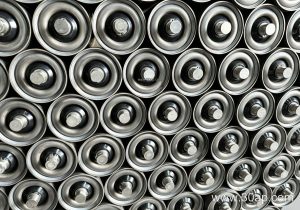
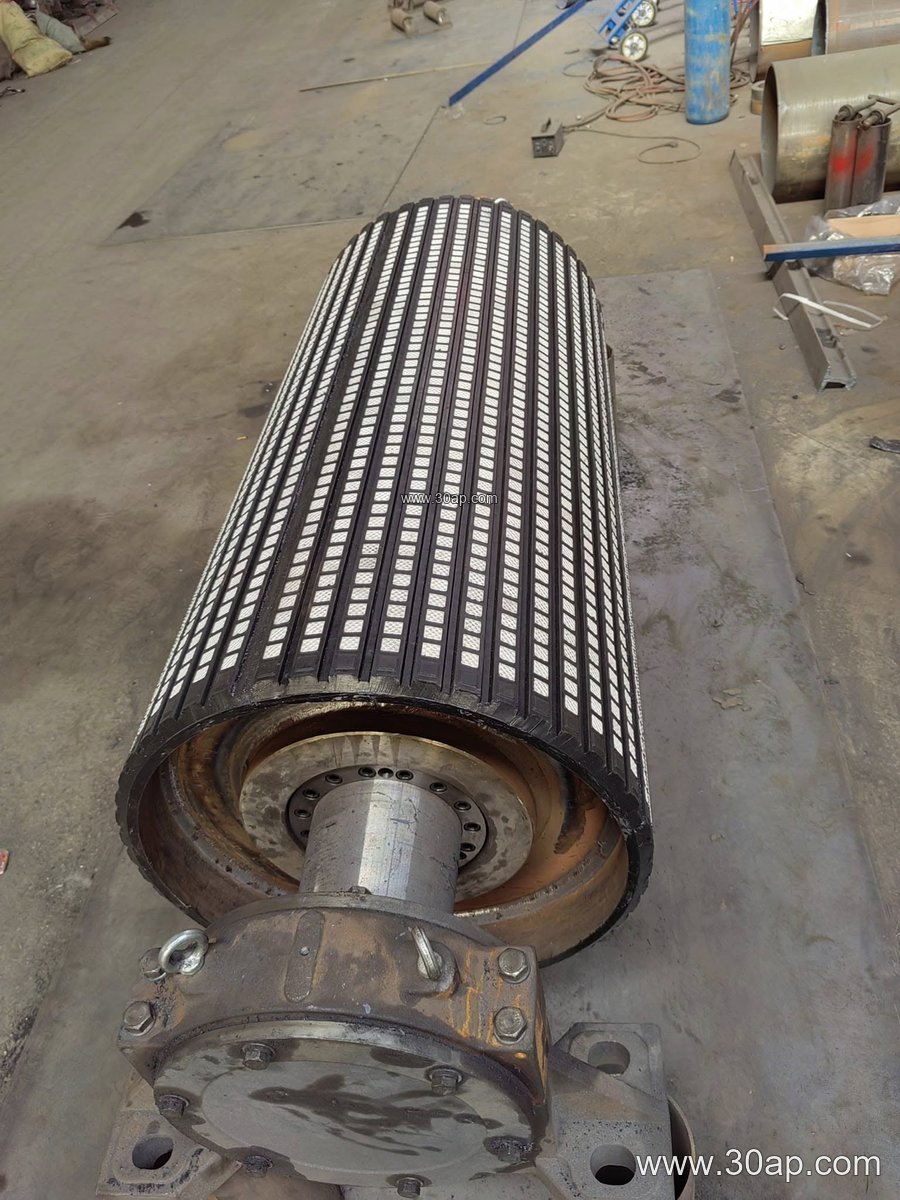
The drum usually combines a welded or rolled steel shell, end discs, a shaft, and bearing housings. The shaft diameter is determined by torque and load, not by belt width alone, so a 630 mm shell may run with different shaft sizes depending on the drive design. Common shaft diameters include Ø120, Ø140, Ø160, and Ø180 mm, but the final value should follow the pulley manufacturer’s calculation.
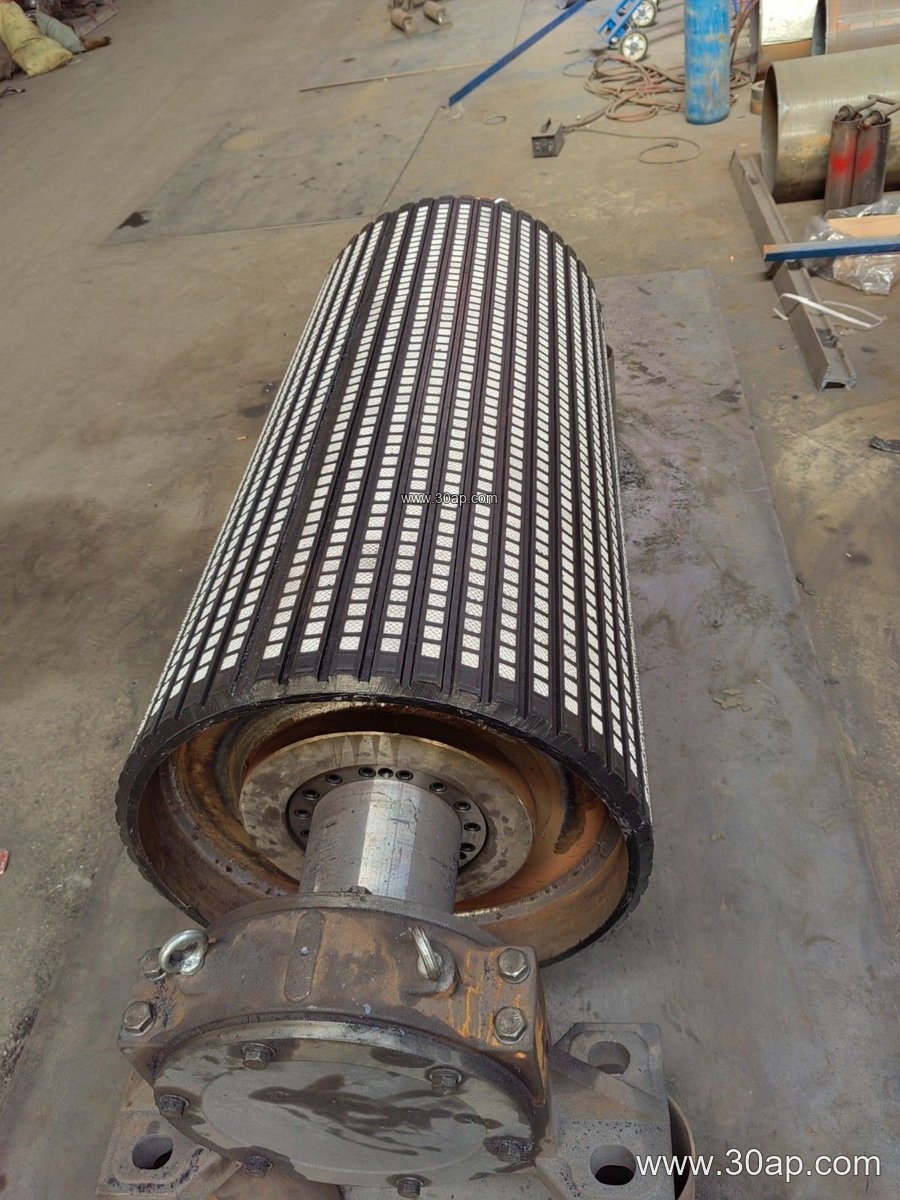
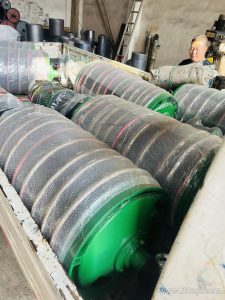
Surface treatment matters for grip. Plain finish suits light duty and clean conditions. Rubber lagging, applied by cold bonding or hot vulcanizing, raises friction and protects the shell. Diamond grooving helps shed water and fines, while ceramic lagging is chosen where abrasive slip is a concern. Lagging thickness is often 8, 10, 12, 15, or 20 mm. In a coal preparation plant or a power plant coal yard, a flame retardant conveyor belt may run over a lagged drum, and the lagging should be compatible with that service.
Where It Fits in the Conveyor
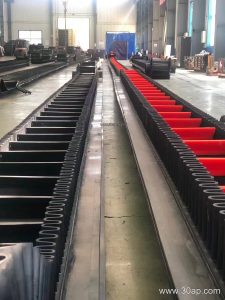
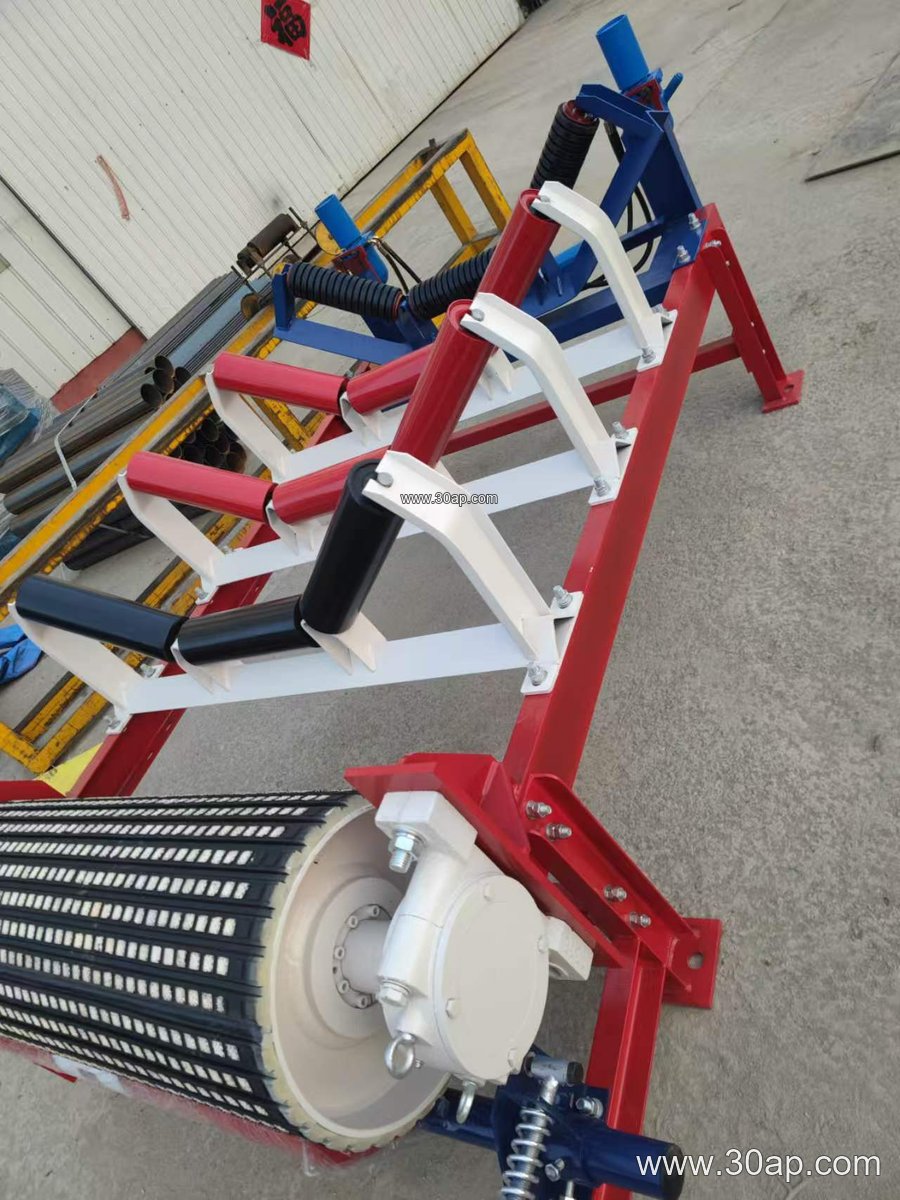
The drum is normally mounted in the head frame, supported by conveyor brackets and bearing blocks. The belt wraps the shell, and the arc of contact affects how much torque can be transmitted. A snub or pressure pulley can increase that arc when the layout is tight. The pulley works together with conveyor idler rollers along the carry and return sides, so misalignment at the drum often shows up as belt wander far downstream.
Typical industries include aggregate pits, iron ore and copper ore handling, cement clinker lines, and port bulk terminals. In these places, an abrasion resistant conveyor belt is common, and the drive pulley lagging should match that abrasive duty. A 630 mm drum is frequently paired with belt widths around 800 mm to 1400 mm, but belt width and pulley diameter are separate design choices. For example, B1000 and B1200 belts are often seen on such drives, and the pulley face width is usually somewhat wider than the belt, commonly around 1150 mm to 1400 mm for those widths.
Selection Checks for Buyers
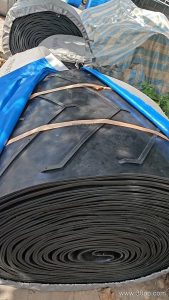
Buyers should confirm the duty first: starting torque, belt speed, and the type of conveyor belt being used. A steel cord conveyor belt and a multi-ply fabric core belt place different demands on the drum. The following reference values help frame a specification discussion, but they are not universal supply promises.
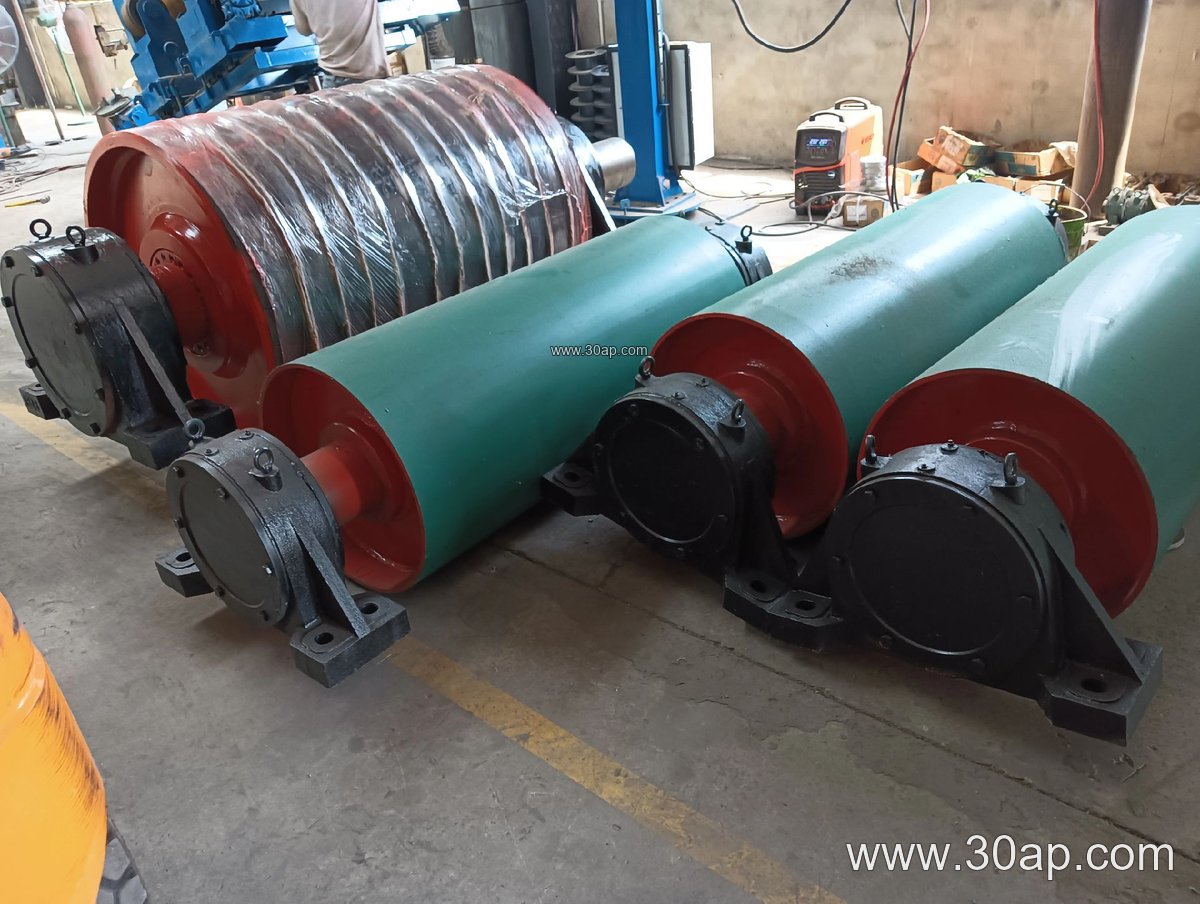
- Nominal shell diameter: 630 mm
- Common belt width range: B800 to B1400
- Typical lagging thickness: 8 to 20 mm
- Common shaft diameters: Ø120 to Ø180 mm
- Surface forms: plain, rubber lagged, diamond grooved, ceramic
Also check the bearing type, locking arrangement, and whether the pulley is supplied balanced for the intended speed. Ask for the allowable radial load and the recommended wrap angle. If the conveyor uses an EP conveyor belt or an NN conveyor belt, confirm the belt’s rated tension so the drive pulley is not selected purely by diameter.
Installation and Maintenance Notes
Alignment is the first priority. The drum axis should be square to the conveyor centerline, and the take-up should be adjusted so the belt tracks centrally. Check lagging wear at regular intervals, especially in sand and gravel plants where fines work into grooves. Worn lagging reduces friction and can lead to slip, heat, and belt damage. Keep the scraper or cleaner working and inspect the conveyor bracket bolts for looseness after the first weeks of operation.
For more conveyor component information, including drum and belt matching guidance, visit ccdconveyorbelt.com and review the conveyor pulley and rubber conveyor belt sections before finalizing an order.