Supporting the Load Underground
A coal mine belt conveyor idler is the rotating support that keeps the conveyor belt aligned and the load moving. In a coal mine, where dust, moisture and spillage are constant, the idler set is one of the hardest-working components on the line. This article looks at how these idlers are built, where they sit, and what to check before buying.
What the Idler Does on a Coal Line
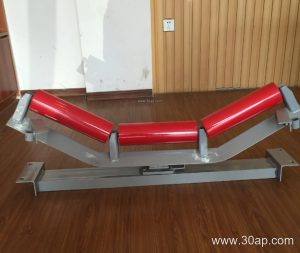
The idler carries the belt and the coal between the head and tail. On the carrying side, troughing sets form the belt into a trough so coal stays centred. On the return side, flat or V-shaped rollers support the empty belt. A well-matched idler set keeps belt sag low, reduces start-up friction and protects the belt from edge damage.
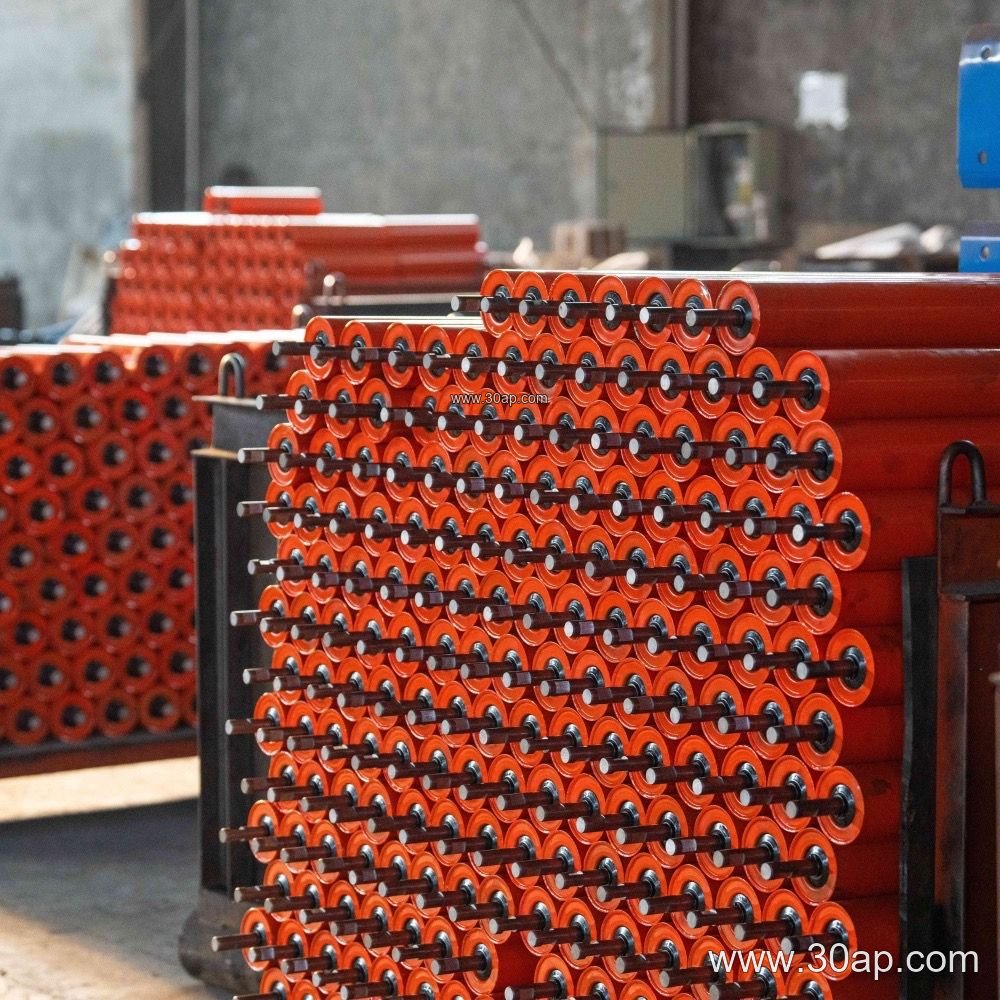
On a coal mining conveyor belt, a poor idler can cause more than noise. It can raise power draw, wear the belt cover and create a fire risk if a seized roller rubs. That is why idler choice sits alongside belt selection, pulley sizing and bracket layout in any conveyor design.
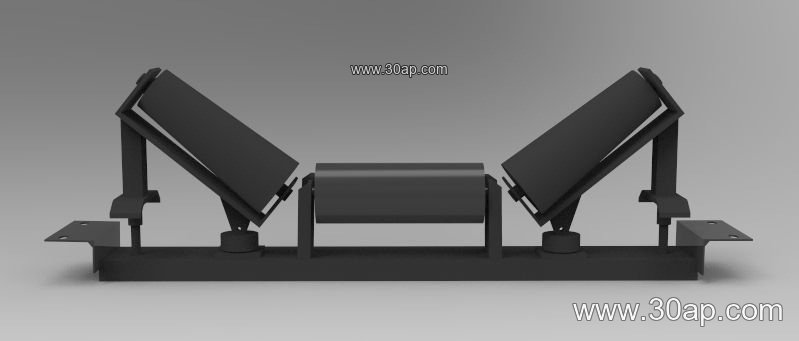
Construction Details
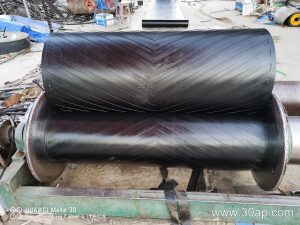
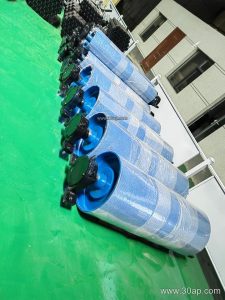
A typical idler roller is a steel tube with pressed end caps, sealed bearings and a shaft. Roller surfaces may be plain steel, nylon, ceramic or rubber rings. Rubber-ring impact idlers are common under transfer points where coal drops onto the belt. Seals matter more than many buyers expect: a labyrinth or multi-lip seal keeps coal dust out of the bearing and grease in.
Common bearing sizes include 6204, 6205, 6305, 6306, 6308 and 6310. These are matched to load and roller diameter by the designer; no single bearing is tied to one roller size. Tube thickness, weld quality and shaft machining all affect service life.
Where Idlers Sit and Which Types Are Used
Carrying idlers are usually three-roll troughing sets, though two-roll and single-roll sets appear on narrow belts. Trough angles of 20, 30, 35 and 45 degrees are common; a deeper trough suits wider belts and free-flowing coal. Transition idlers ease the belt from flat to trough near pulleys. Return idlers may be flat or V-shaped. Self-aligning idlers with a slight forward tilt of about 1.5 to 2 degrees help correct belt wander.
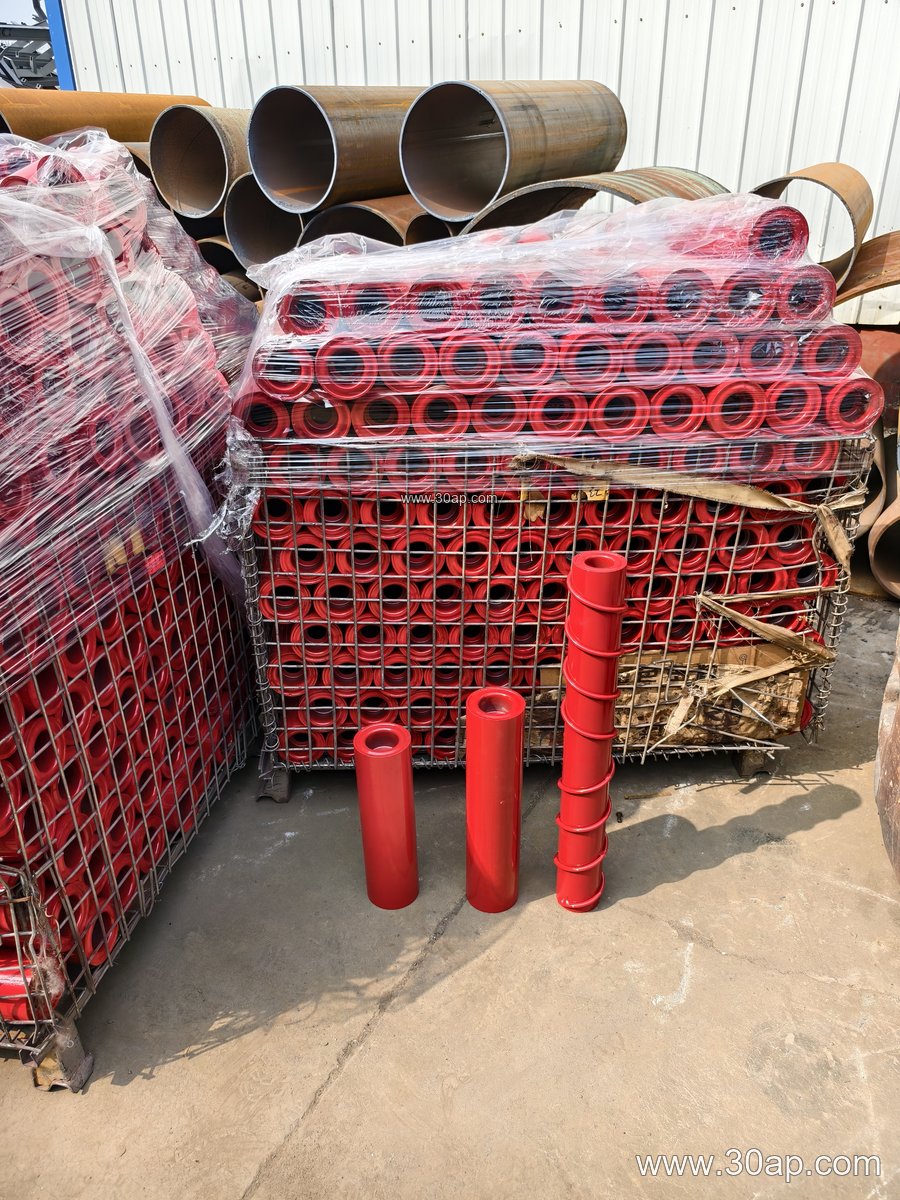
Impact idlers and rubber-ring impact idlers are placed below loading chutes. Spiral idlers are sometimes used where sticky material builds up on the return side. Each type has a job; none replaces another.
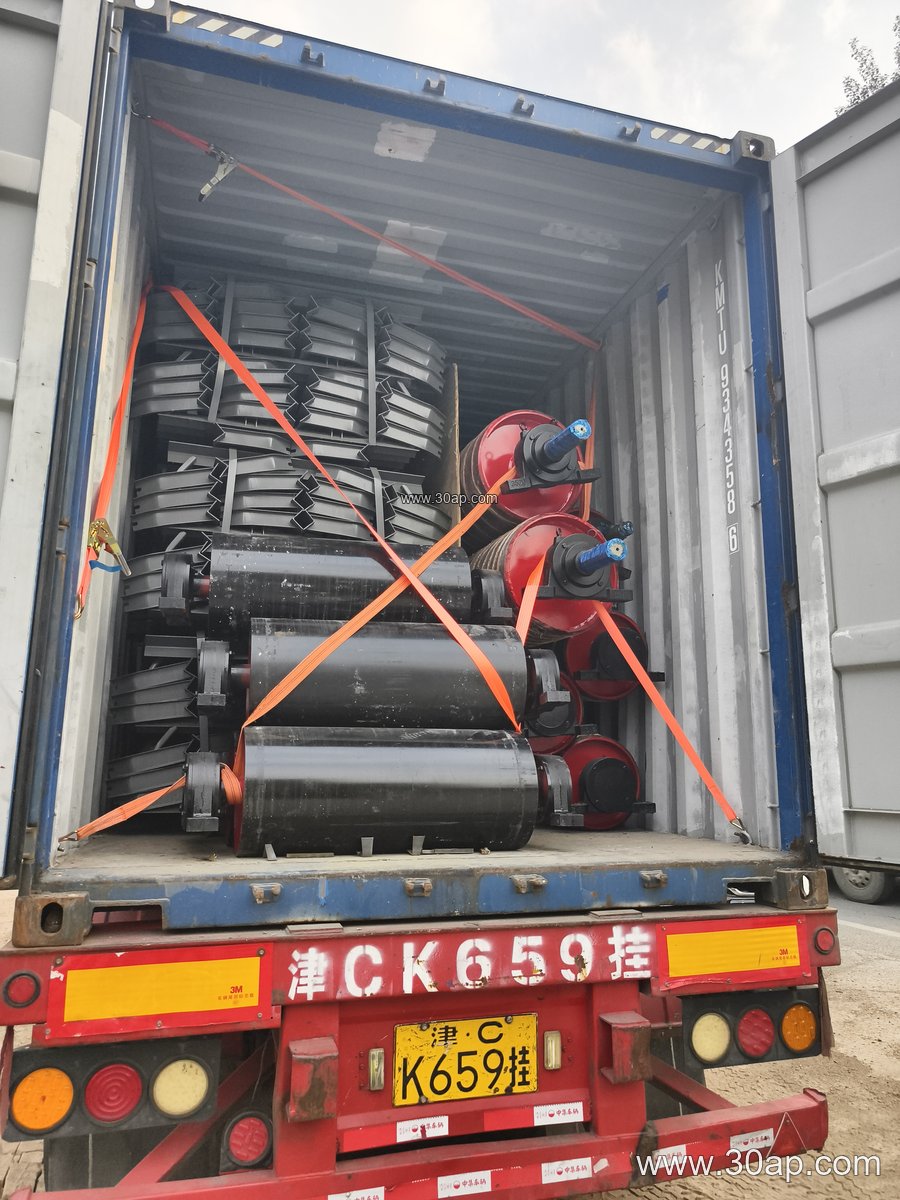
Matching Roller Diameter and Belt Width
Roller diameter and belt width are chosen together with belt speed and load. Common roller diameters run from Ø63 and Ø76 mm on small belts up to Ø159, Ø178, Ø194 and Ø219 mm on heavy lines. Belt widths range from B400 and B500 up to B2000, B2200 and B2400. Roller length changes with belt width, trough angle and set form; for example, a three-roll troughing set on B1000 often uses a centre roll near 380 mm, while B1400 may use about 530 mm. These are common examples, not fixed pairings.
Reference Dimensions
| Item | Common range |
|---|---|
| Roller diameter | Ø63 to Ø219 mm |
| Belt width | B400 to B2400 |
| Trough angle | 20, 30, 35, 45 degrees |
| Bearing | 6204, 6205, 6305, 6306, 6308, 6310 |
| Roller surface | Steel, nylon, ceramic, rubber ring |
Buying Notes for Coal Mine Operators
- Check seal design and grease retention, not just price.
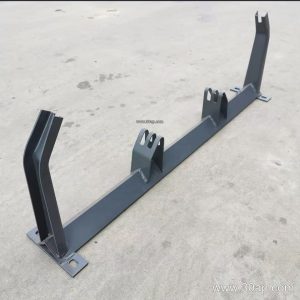
- Confirm roller length and bracket spacing against the actual belt width and trough angle.
- Use impact-rated idlers under chutes and at transfer points.
- Ask for the bearing size and tube wall thickness in writing.
- Keep spare sets for high-wear positions so a seized roller does not stop the line.
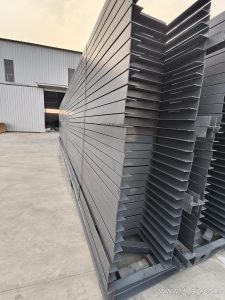
Idlers work with the belt, pulley and bracket as a system. On a coal line using a flame retardant conveyor belt, idler condition also affects fire safety. For wider installations, such as a 1200mm or 1500mm belt, check that idler frames and brackets match the load. More product details are available at zhihu/coal-mine-belt-conveyor-idler and at zhihu/conveyor-idler.
Maintenance Habits That Pay Off
Walk the line regularly and listen for squealing or rumbling. A roller that runs hot or will not turn should be replaced before it damages the belt. Keep spillage off the return side so rollers do not run buried in coal. Align the frame and check bracket bolts after any belt tracking adjustment. These simple steps extend both idler and belt life.