What a 2200mm Conveyor Belt Is
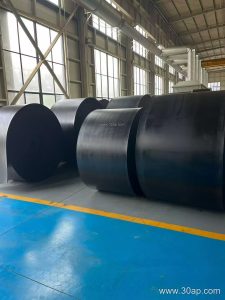
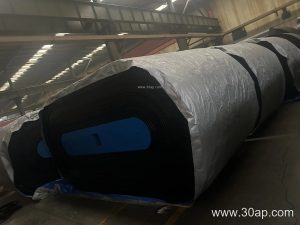
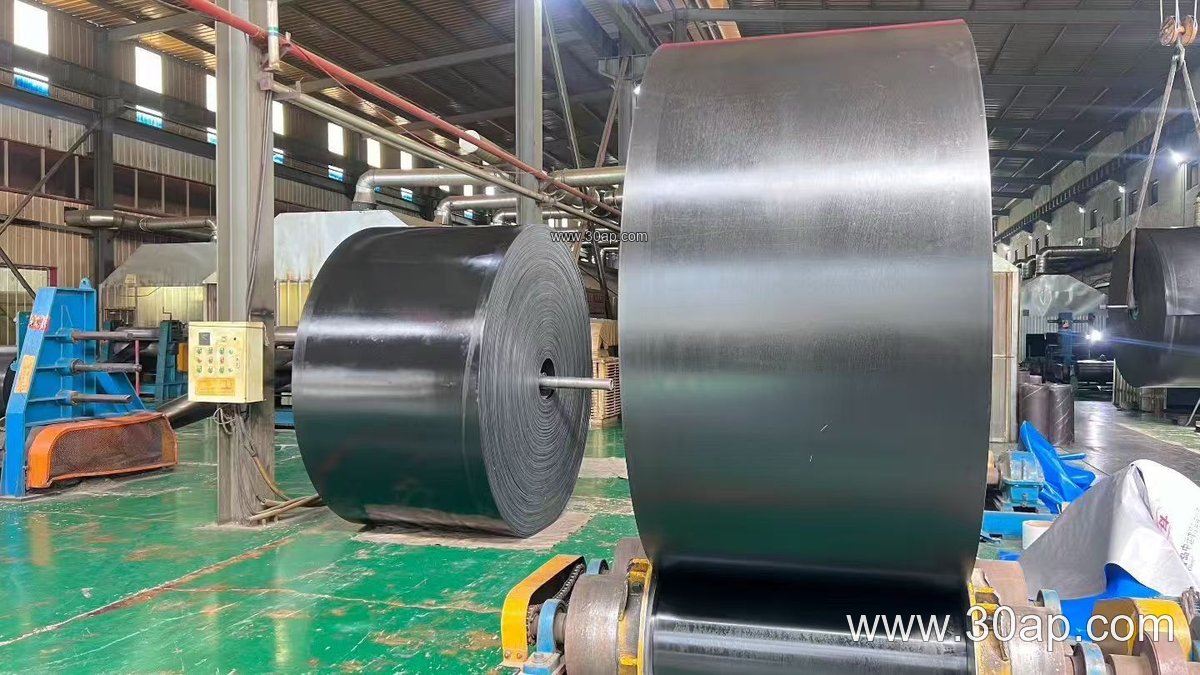
A 2200mm conveyor belt is a wide conveyor belt designed for high-volume bulk material transport. With a belt width of 2200 millimeters, it is typically used in large-scale operations where standard widths cannot meet throughput requirements. This extra-wide conveyor belt is often found in mining, coal preparation, cement plants, power stations, and port facilities handling materials such as ore, coal, limestone, and aggregates.
Construction and Material Options
The 2200mm conveyor belt can be built with various carcass types to suit different load and environmental demands. Common constructions include EP conveyor belt (polyester-nylon fabric core), NN conveyor belt (nylon-nylon), and steel cord conveyor belt for extremely high tension applications. The cover rubber grade is selected based on the material being conveyed: abrasion resistant conveyor belt for sharp rock, heat resistant conveyor belt for clinker or sinter, oil resistant conveyor belt for oily materials, and flame retardant conveyor belt for underground coal mining.
For special conveying needs, chevron conveyor belt, corrugated sidewall conveyor belt, and pipe conveyor belt are also available in wide formats, though the 2200mm width is most frequently specified in flat belt configurations for open conveyors. The belt may be supplied as an endless conveyor belt for permanent installations or as open-ended lengths for mechanical splicing.
Typical Specifications
While exact specifications depend on the manufacturer and application, the following ranges are common for 2200mm wide conveyor belts:
- Belt width: 2200 mm (standard), with other widths such as 2000mm and 2400mm available for comparison.
- Carcass types: EP (EP200 to EP2000), NN (NN100 to NN400), steel cord (ST1000 to ST3150), PVC, and PVG.
- Cover thickness: commonly 4+2 mm, 5+2 mm, 6+2 mm, or 8+3 mm (top + bottom cover).
- Number of fabric plies: typically 2 to 6 plies for fabric core belts.
These values are indicative; actual belt design should be confirmed with the supplier based on conveyor geometry, load, and environmental conditions.
Applications in Heavy Industry
The 2200mm conveyor belt is well suited to high-capacity systems in the mining and coal sectors, including underground mining conveyor belt and coal mining conveyor belt applications where flame retardant and anti-static properties are required. In cement plants, it transports clinker, limestone, and cement additives. Power plants use it for coal handling, while quarries and aggregate operations rely on it for moving crushed stone and sand. Ports and ship loading facilities also employ extra-wide belts to achieve high tonnage rates.
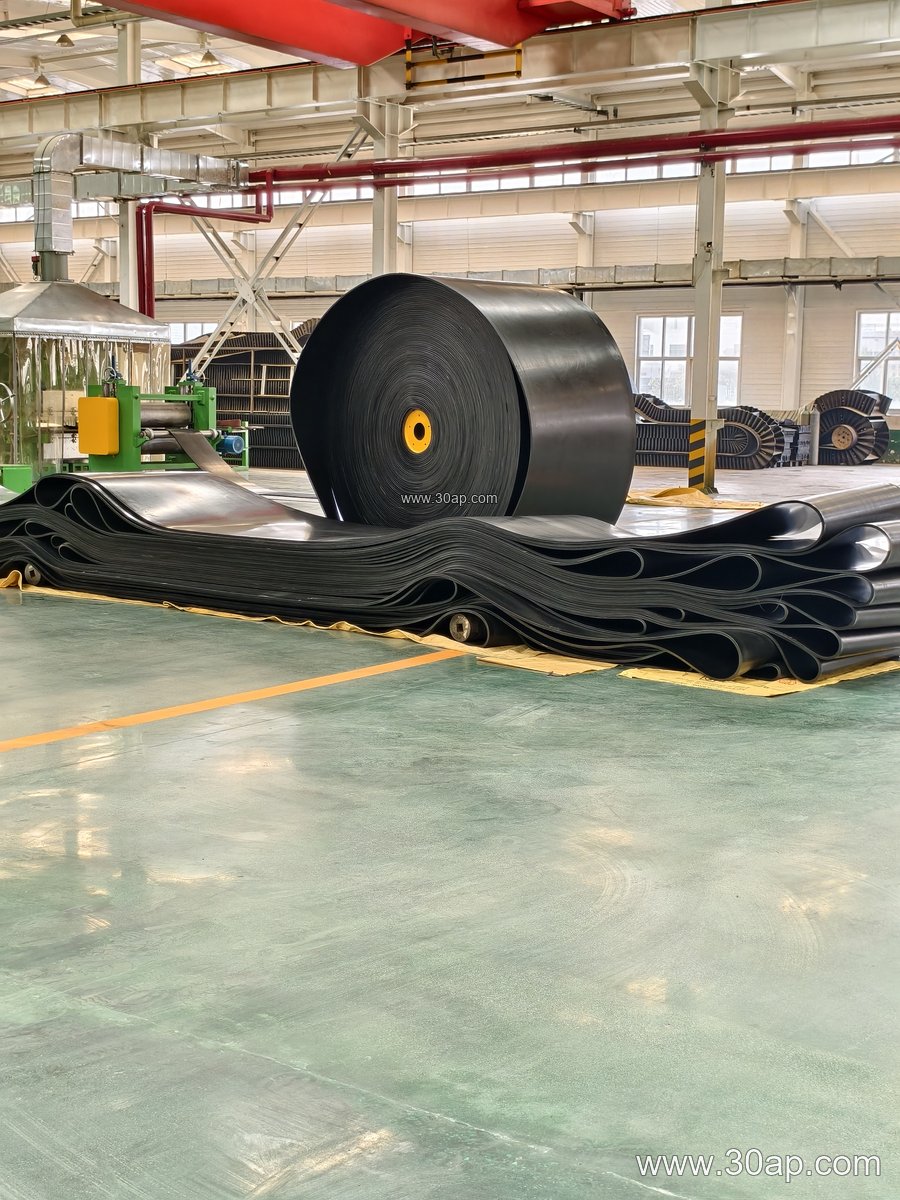
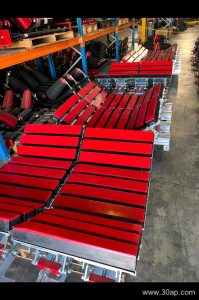
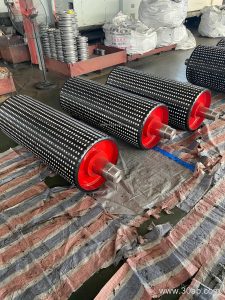
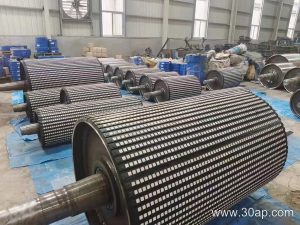
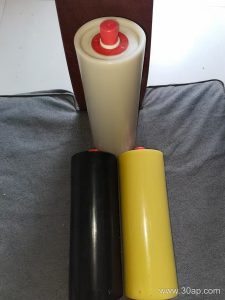
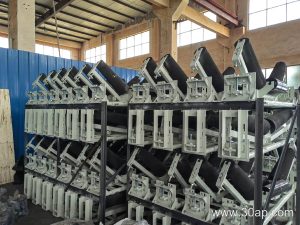
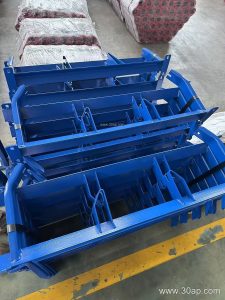
Supporting components such as idler roller, conveyor pulley, and conveyor bracket must be sized to match the belt width and tension. Drive pulleys, tail pulleys, and bend pulleys each play distinct roles and are not interchangeable; proper selection ensures reliable tracking and long belt life.
Buyer Checklist
When specifying a 2200mm conveyor belt, consider the following:
- Material characteristics: lump size, abrasiveness, moisture, oil content, and temperature.
- Required tensile strength: determine the maximum belt tension from conveyor length, incline, and capacity.
- Cover grade: choose abrasion resistant, heat resistant, oil resistant, flame retardant, or cold resistant as needed.
- Safety and compliance: for underground coal mining, verify flame retardant and anti-static properties.
- Splice method: decide between vulcanized endless splice or mechanical fastening.
- Compatibility with pulleys and idlers: ensure all components are rated for the belt width and load.
For further information on wide conveyor belts and related components, visit our product page or consult with our technical team to select the right belt for your application.