What a Five-Roll Idler Bracket Does
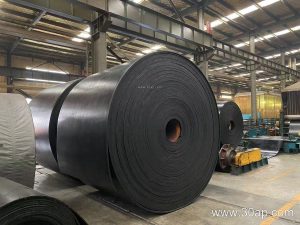
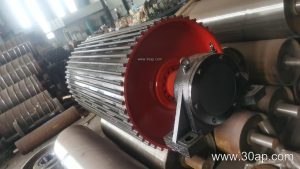
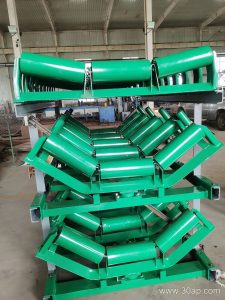
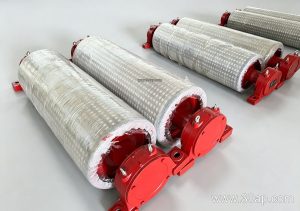
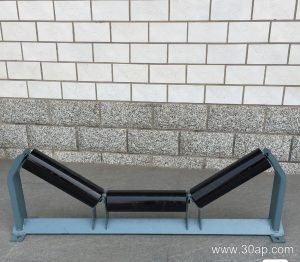
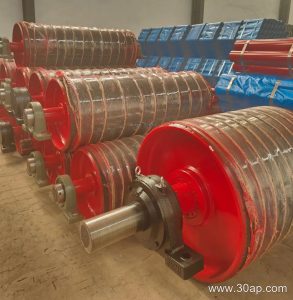
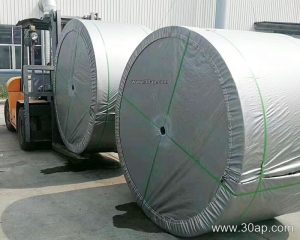
A five-roll idler bracket is a support frame that carries five idler rollers under the loaded side of a conveyor belt. Instead of the usual three-roll trough set, it spreads the belt across a wider arc, using two extra rollers to shape the belt into a deeper, more controlled trough. Operators in iron ore plants, limestone quarries, and power plant coal handling systems choose this arrangement when a standard three-roll bracket leaves the belt too flat or lets material spill at the edges. The bracket works together with the conveyor belt, the idler roller set, and the conveyor pulley at the head and tail of the line.
How the Bracket Is Built
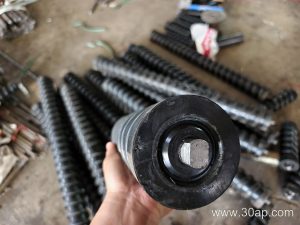
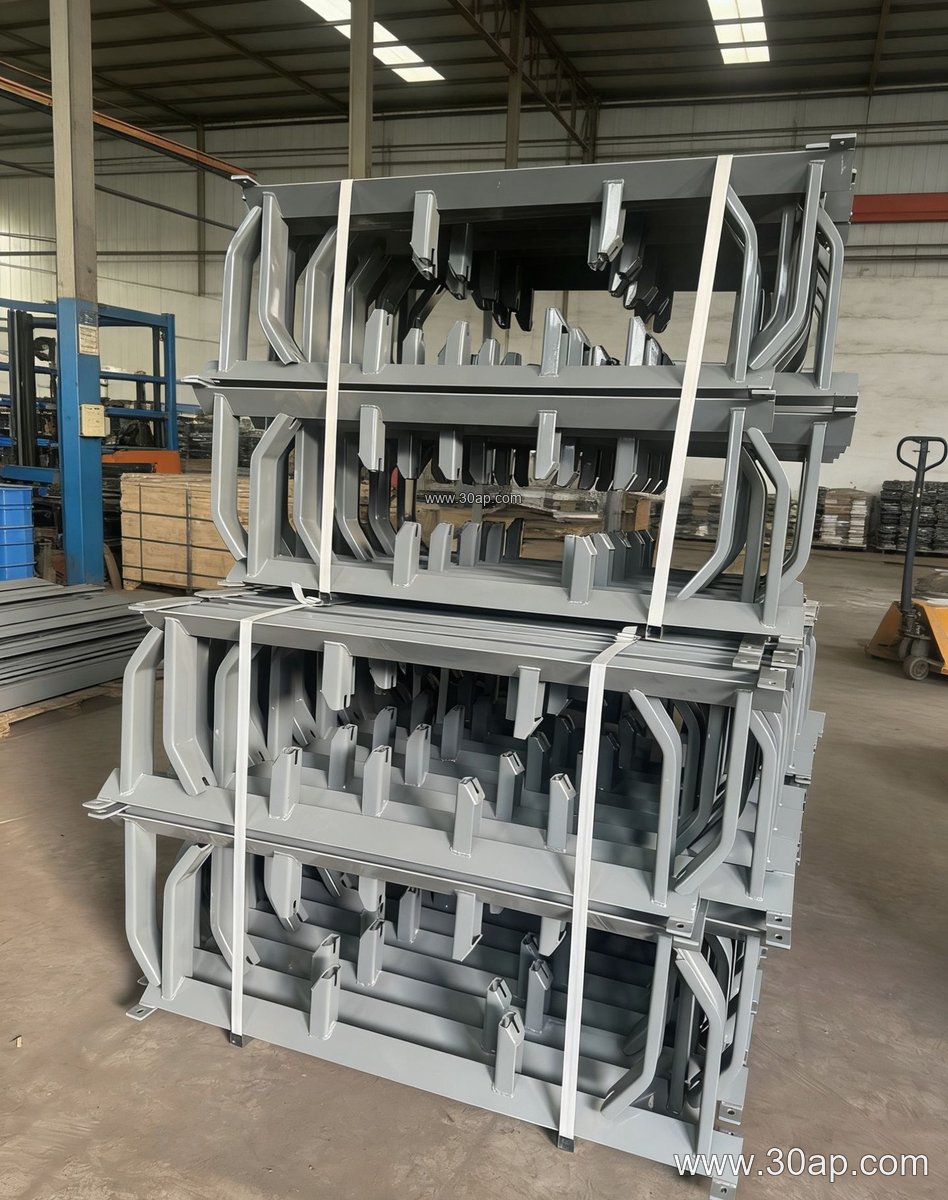
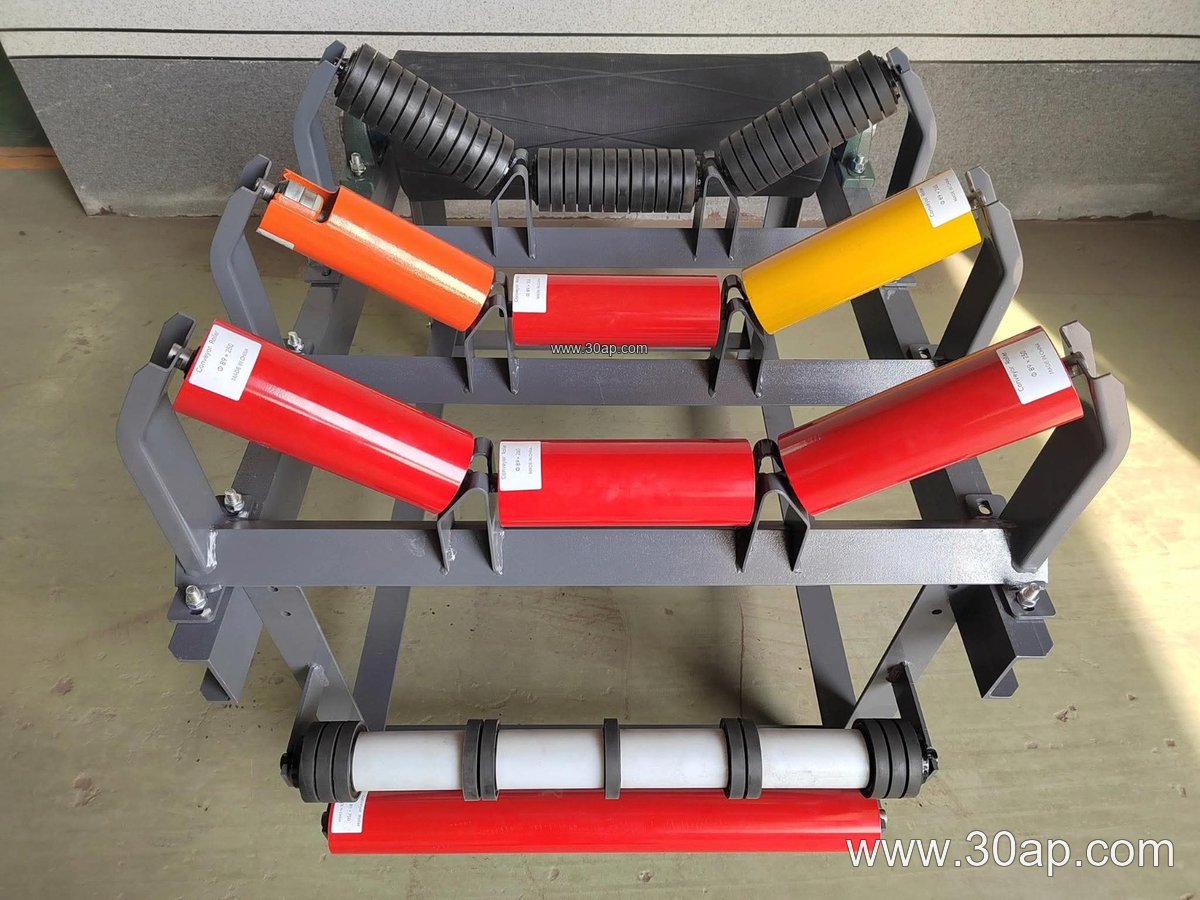
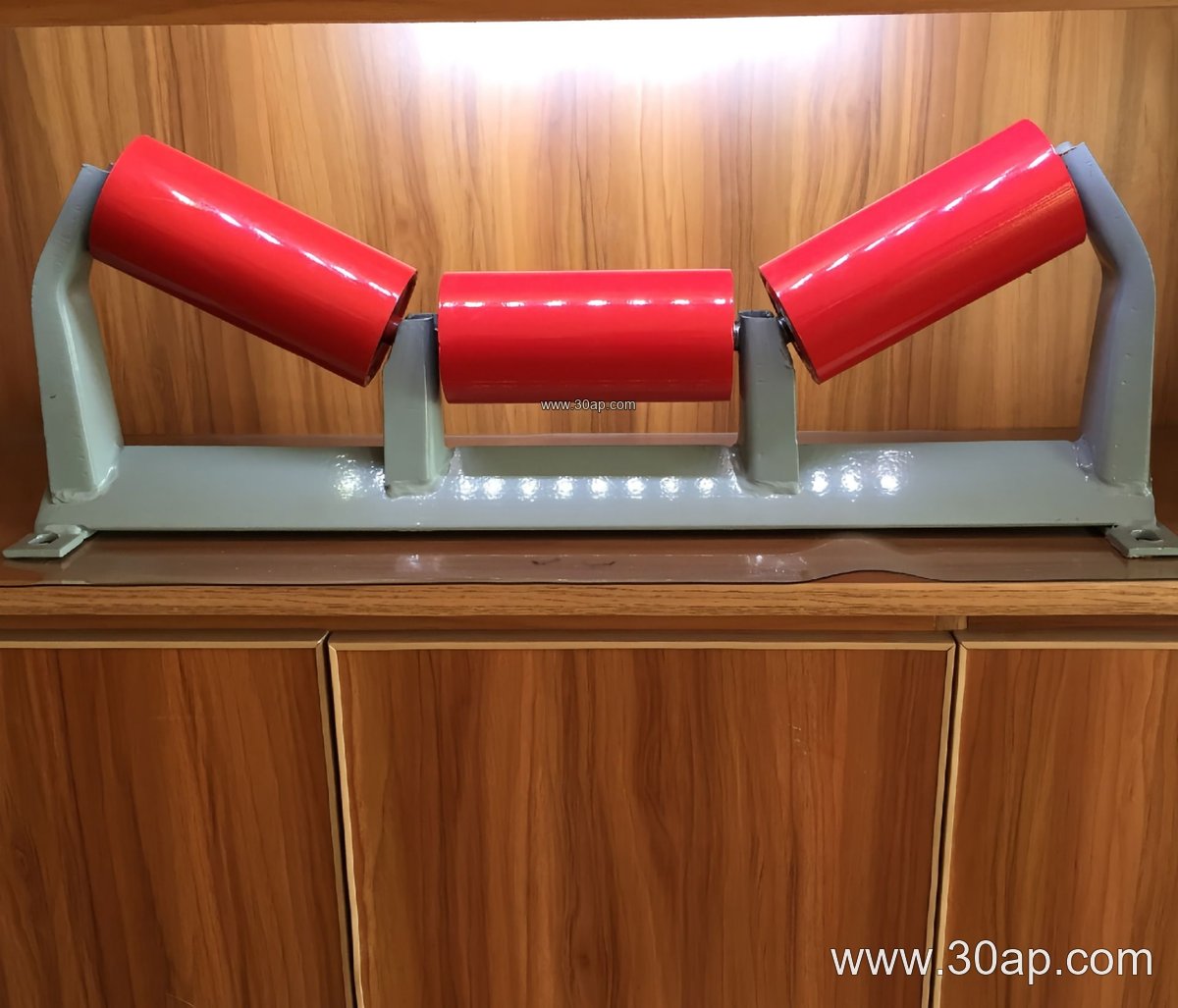
Most five-roll idler brackets are fabricated from angle steel, channel steel, or bent steel plate. The frame has a central base beam and two angled wings, with mounting slots or welded pads where each idler roller attaches. Because five rollers share the load, each one carries less weight than in a three-roll set, which can extend bearing life on heavy-duty mining conveyor belts. The bracket may be fixed or adjustable; an adjustable version lets maintenance crews change the trough angle as belt loading changes.
Typical Reference Data
The values below are common reference points, not fixed rules. Actual dimensions follow the conveyor design and the manufacturer’s drawing.
- Belt width range: B500 up to B2200
- Trough angles: 20, 30, 35, and 45 degrees
- Idler roller diameters: Ø89, Ø108, Ø133, Ø159, Ø194
- Materials: angle steel, channel steel, bent steel plate
A bracket might be described as B1000, 35 degrees, Ø133, or B1400, 45 degrees, Ø159. A wider belt does not force one specific roller diameter or trough angle; the combination depends on load, belt stiffness, and transition length.
Where Five-Roll Sets Fit Best
The five-roll arrangement suits lines that move abrasive or heavy bulk material and need a deeper trough to keep the belt centered. In a limestone quarry feeding a crusher, a five-roll bracket can support a high abrasion resistant conveyor belt across a long span without the belt sagging between rollers. In a coal preparation plant, the same frame helps contain a flame retardant conveyor belt carrying wet, sticky coal. It is also used at transfer points where a skirted conveyor belt or corrugated sidewall conveyor belt needs steady support near the loading zone.
The bracket is not a substitute for a bend pulley or a tail pulley; those are separate components that change belt direction. It is also not a replacement for a V-return bracket on the carry-back side, though both may appear on the same conveyor structure.
Matching the Bracket to Belt and Rollers
Selection starts with belt width and the required trough angle, then moves to roller diameter and bracket material. A transition bracket near the head pulley usually uses a shallower angle than the main run, so the belt can flatten gradually before it reaches the conveyor pulley. For a steel cord conveyor belt, the bracket spacing and roller alignment matter more because a stiff belt resists bending; for an EP conveyor belt or NN conveyor belt, the frame can often follow standard spacing. Buyers should confirm the mounting hole spacing and crossbeam length against their conveyor drawing, since these change with belt width and trough angle.
Buyer Checklist
- Confirm belt width, such as B800, B1200, or B1800, and the trough angle required at each station.
- Check roller diameter and bearing type so the bracket pads match the idler roller shafts.
- Ask whether a fixed or adjustable bracket is needed for future angle changes.
- Review steel thickness and surface treatment for dusty, wet, or corrosive sites.
- Verify that the frame fits the existing conveyor bracket layout and bolting pattern.
For more conveyor components, including conveyor idler and conveyor pulley options, visit www.beltconveyorparts.com and compare frame designs before ordering.