What a Carrying Idler Does on a Conveyor
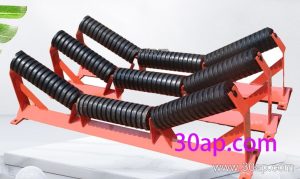
A carrying idler, often called a troughing idler or upper idler, is the roller assembly that supports the loaded strand of a conveyor belt. It sits on the carrying side of the conveyor and shapes the belt into a trough, which keeps bulk material centered and reduces spillage. While a conveyor pulley drives or redirects the belt, the carrying idler simply carries the load and lets the belt roll smoothly. In a quarry, cement plant, or power plant coal yard, these idlers are the most visible part of the conveyor structure and have a direct effect on belt life and energy use.
How a Carrying Idler Is Built
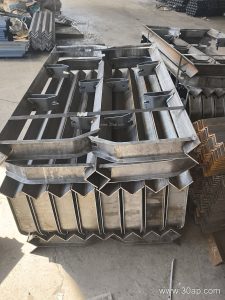
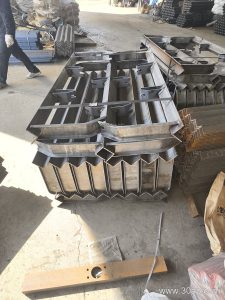
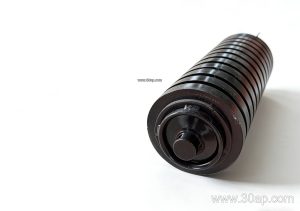
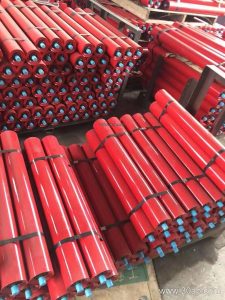
A typical carrying idler consists of a steel tube shell, bearing housings, a shaft, and seals. The roller surface may be plain steel, nylon-coated, or fitted with rubber rings for impact absorption. Bearings such as 6204, 6205, 6305, 6306, 6308, or 6310 are common depending on load and speed, but no single bearing is tied to one roller diameter. The idler is mounted on a conveyor bracket or frame, and the trough angle is set by the idler set design, not by the roller alone.
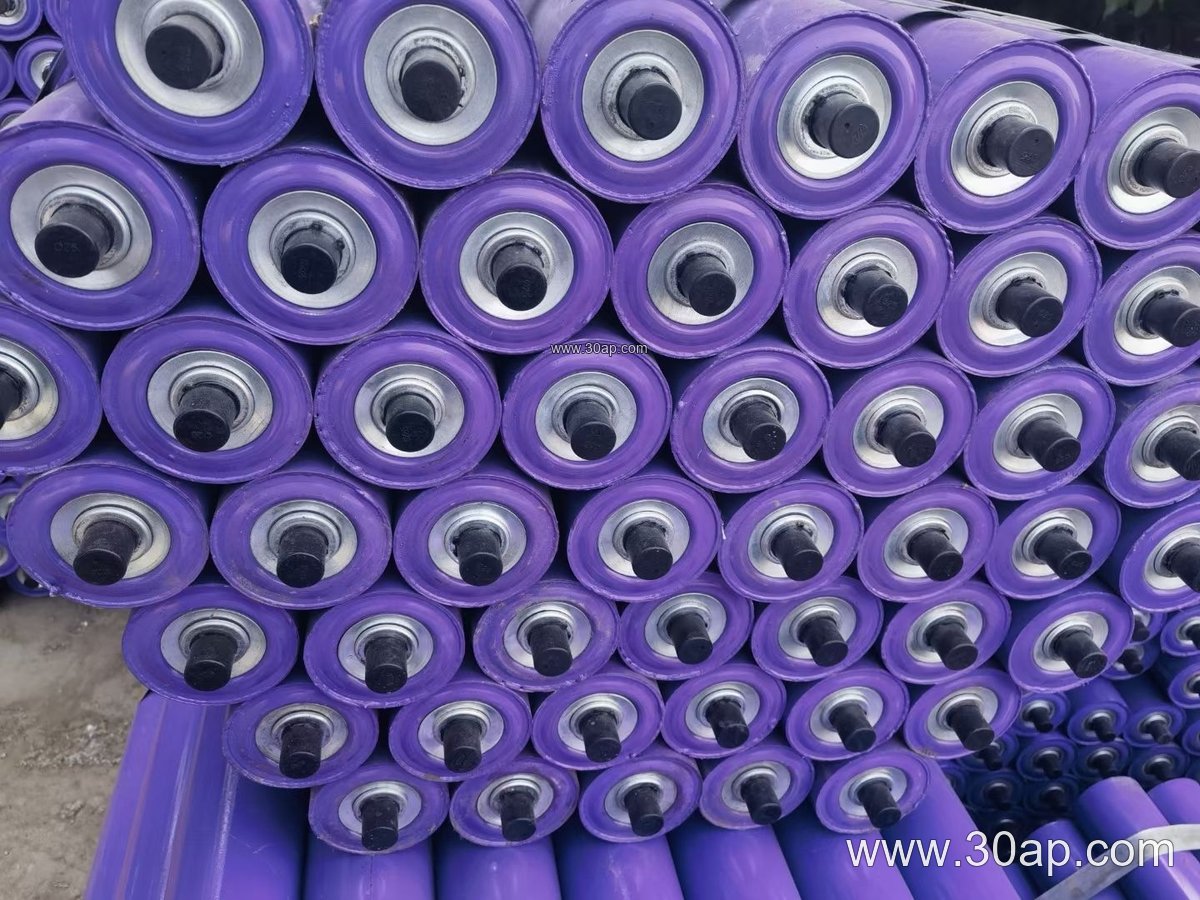
Common roller diameters include Ø63, Ø76, Ø89, Ø102, Ø108, Ø127, Ø133, Ø159, Ø178, Ø194, and Ø219 mm. Belt widths range from B400 to B2400, and the idler length changes with belt width, trough angle, and the number of rollers in the set. For example, a three-roll troughing set on B800 may use a center roll around 315 mm long, while B1200 may use about 465 mm. These are common references, not fixed rules; side rolls and center rolls can differ.
Common Configurations and Where They Fit
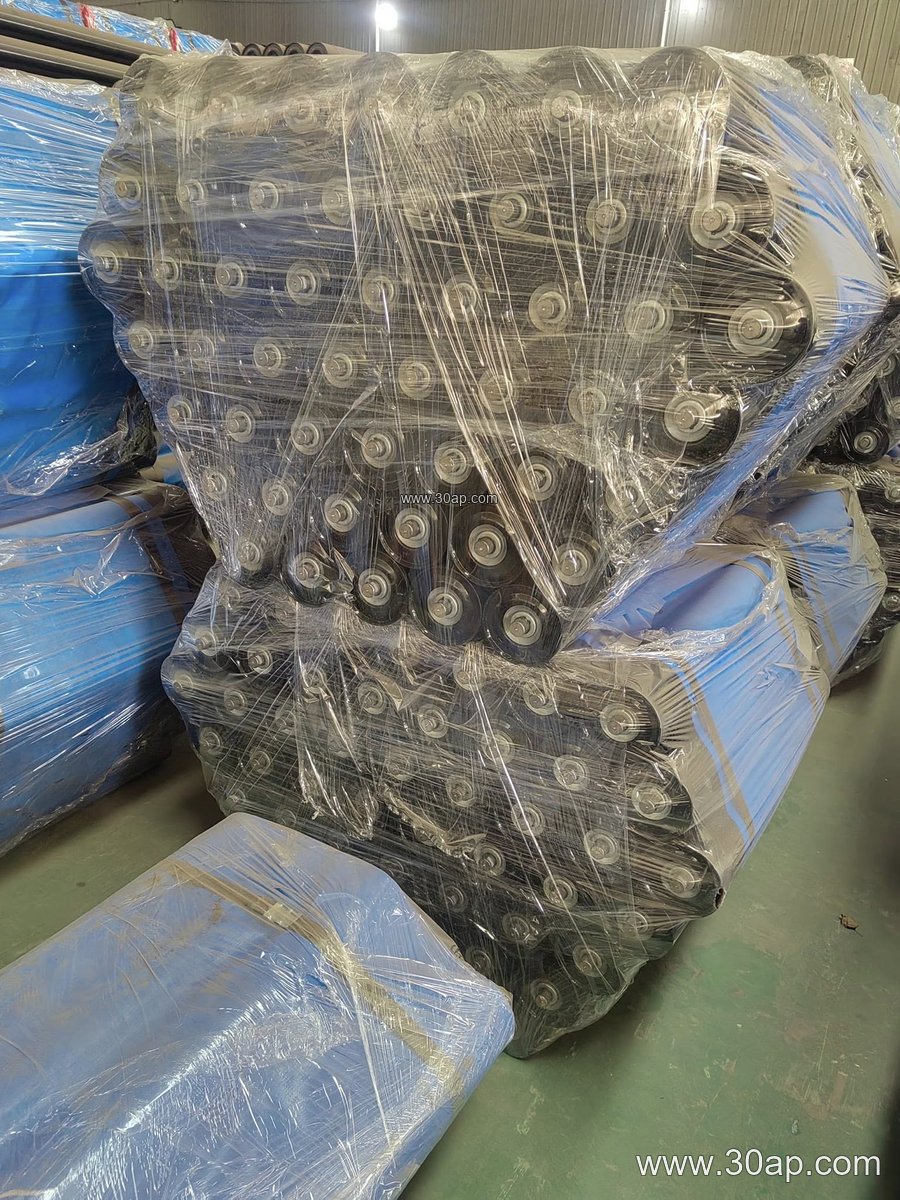
Carrying idlers are usually supplied as single-roll, two-roll, or three-roll troughing sets. Three-roll sets with 20°, 30°, 35°, or 45° trough angles are widely used for bulk materials. Transition idlers help the belt move from flat to troughed without stress. Impact idlers with rubber rings are placed under loading points in crusher circuits and aggregate lines. Self-aligning idlers, including friction and tapered types, help correct belt misalignment on long conveyors. A carrying idler is not a replacement for a bend pulley or tail pulley; those are separate components in the conveyor drive and return system.
Applications Across Industries
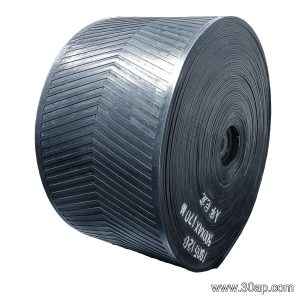
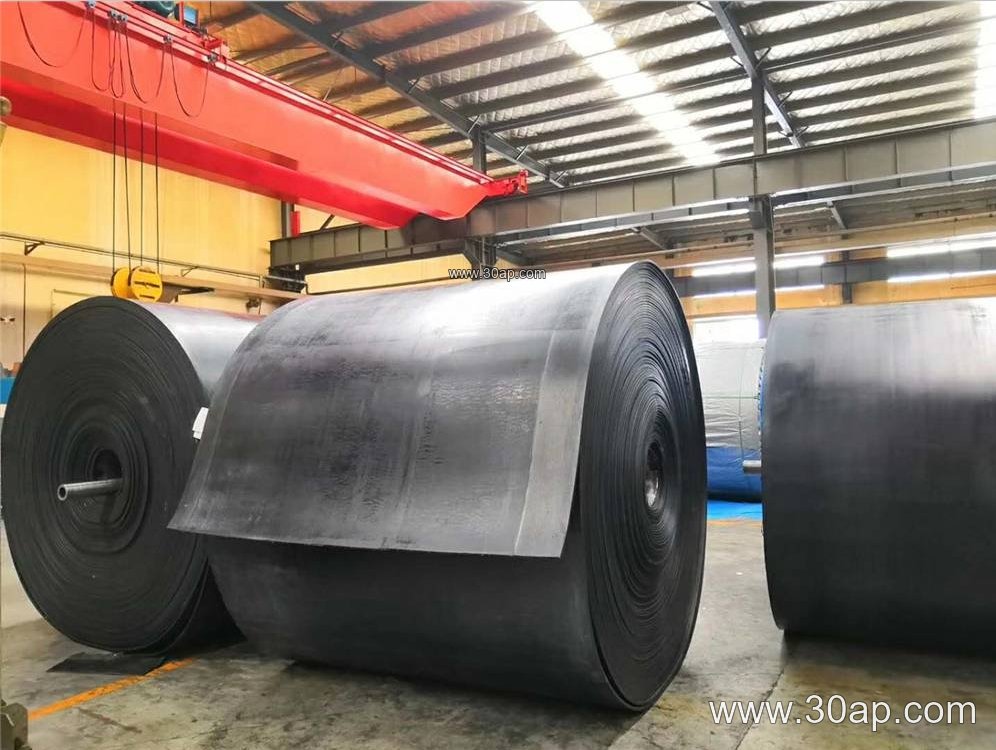
In a limestone quarry or sand and gravel plant, carrying idlers support abrasive rock on an abrasion resistant conveyor belt. In a coal washing plant or underground coal mining conveyor, flame retardant and anti-static properties matter, and idlers must tolerate dusty, damp conditions. Cement plants use them on clinker and raw meal lines, while power plant coal handling systems rely on steady troughing to avoid spillage. Port bulk terminals and steel plant sintering lines also use carrying idlers on wide belts. The right idler set helps a rubber conveyor belt, EP conveyor belt, or steel cord conveyor belt run true without edge damage.
Selection Notes for Buyers
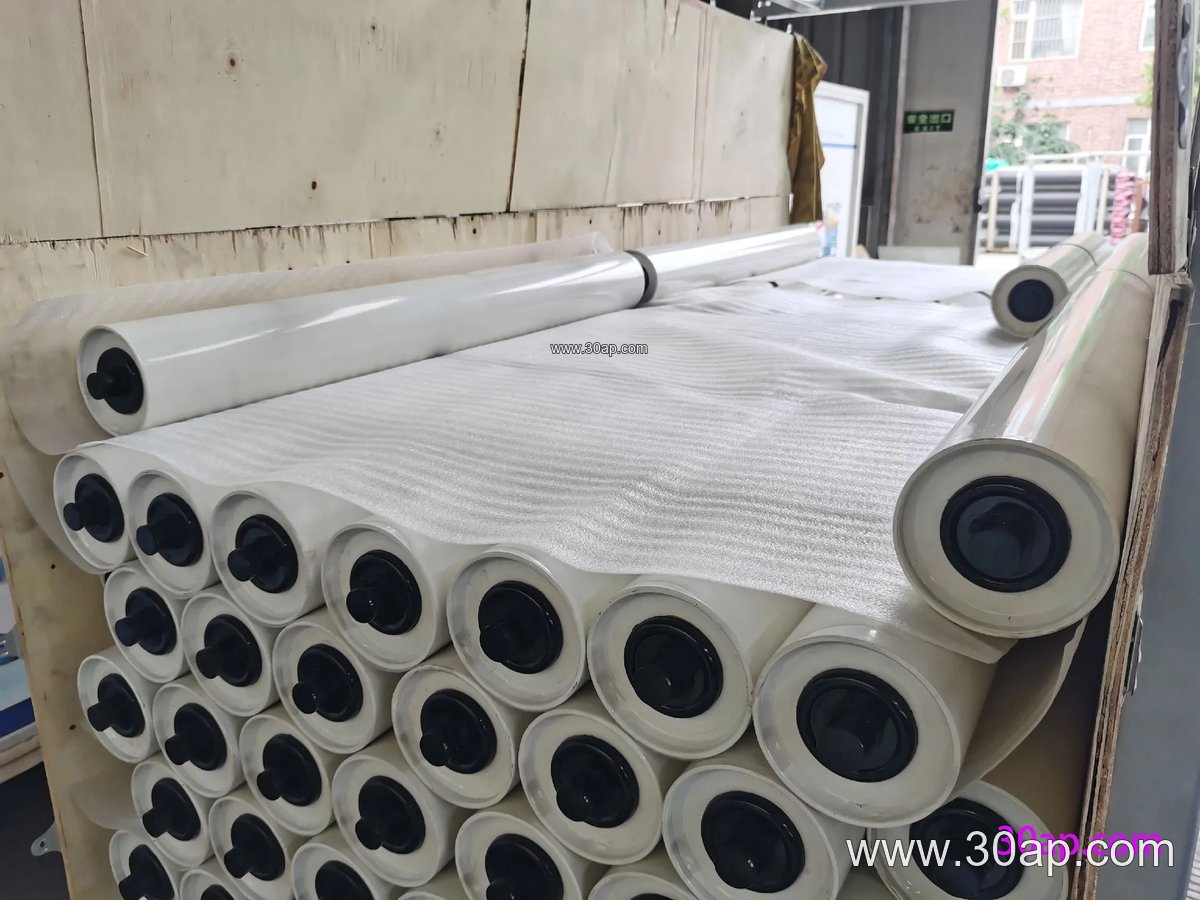
Buyers should match the idler to belt width, material weight, lump size, and operating environment. A heavy-duty mining conveyor belt may need larger roller diameters and reinforced frames, while a food grade or cold resistant belt may call for different surface and seal choices. Check the trough angle against material angle of repose; a 35° set is common for many aggregates, but 45° may suit fine, free-flowing material. Confirm shaft end fixing, bracket spacing, and seal type with the conveyor frame. Do not assume that one belt width matches one pulley diameter or one shaft size; those are separate design decisions.
Maintenance and Troubleshooting
Seized bearings, worn shells, and damaged seals are the usual reasons a carrying idler fails. Listen for squealing, watch for belt wander, and check for material buildup on rollers. Replace idlers in sets where possible to keep the belt supported evenly. Lubrication practice depends on the bearing type and seal design; sealed-for-life idlers need no routine greasing. Keep the conveyor belt tension correct and remove spillage around the frame, because buildup can lift the belt off the idlers and cause tracking problems.