What a Friction Idler Does
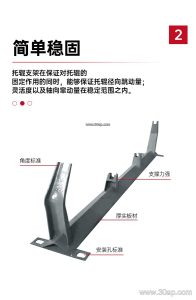
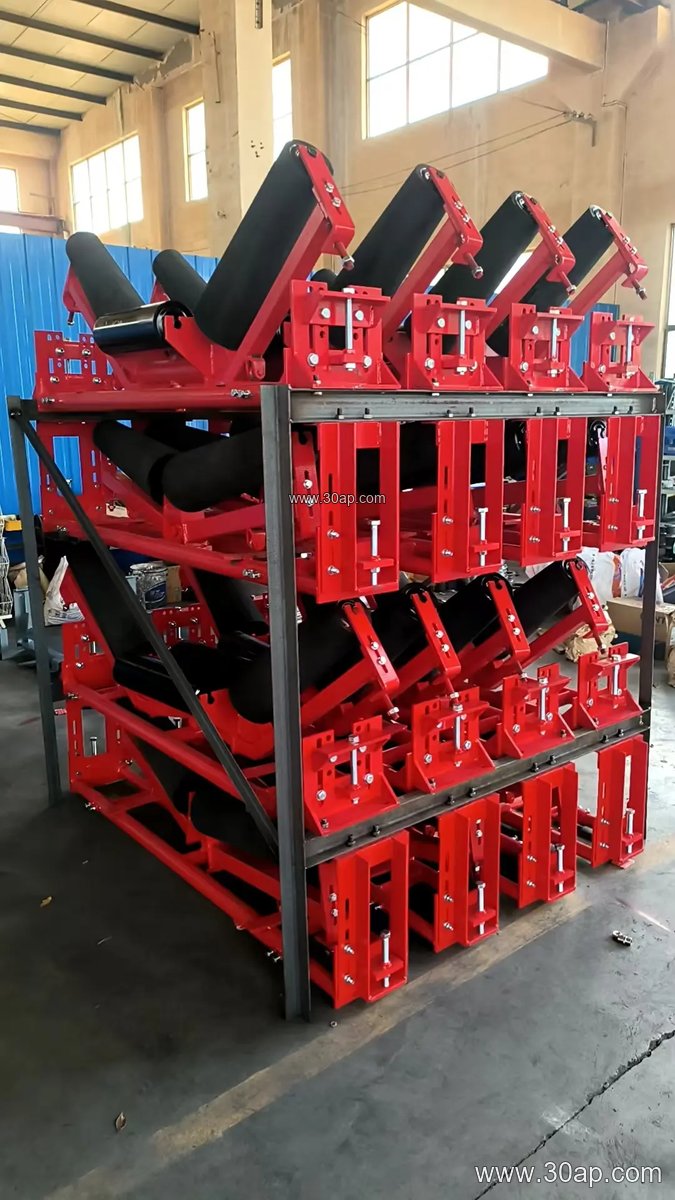
A friction idler is a roller assembly that supports the conveyor belt and controls its lateral position through friction between the roller surface and the belt. In a friction self-aligning idler, the rollers are mounted at a slight forward lead angle, so when the belt drifts sideways, the friction force nudges the frame back toward the centerline. This makes the friction idler a practical choice where belt tracking problems are frequent and where powered or sensor-based correction is unnecessary.
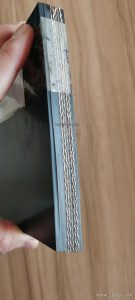
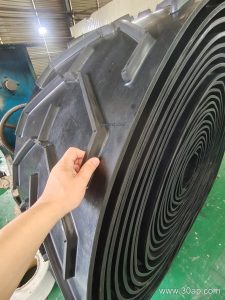
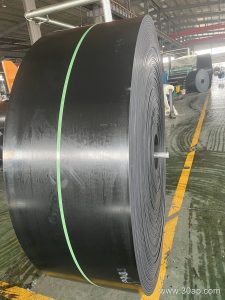
The product is common in bulk handling lines that run EP Conveyor Belt or Steel Cord Conveyor Belt constructions, from a quarry conveyor belt to a power plant coal conveyor belt. Unlike a drive pulley or a tail pulley, the friction idler does not transmit power; it only guides and supports. A bend pulley and a friction idler serve completely different functions and should never be treated as interchangeable.
Construction and Surface Options
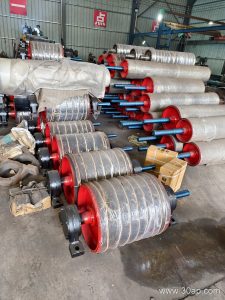
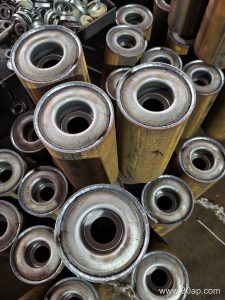
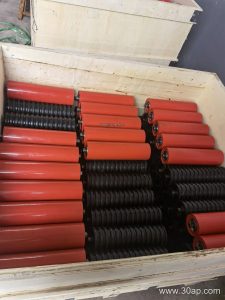
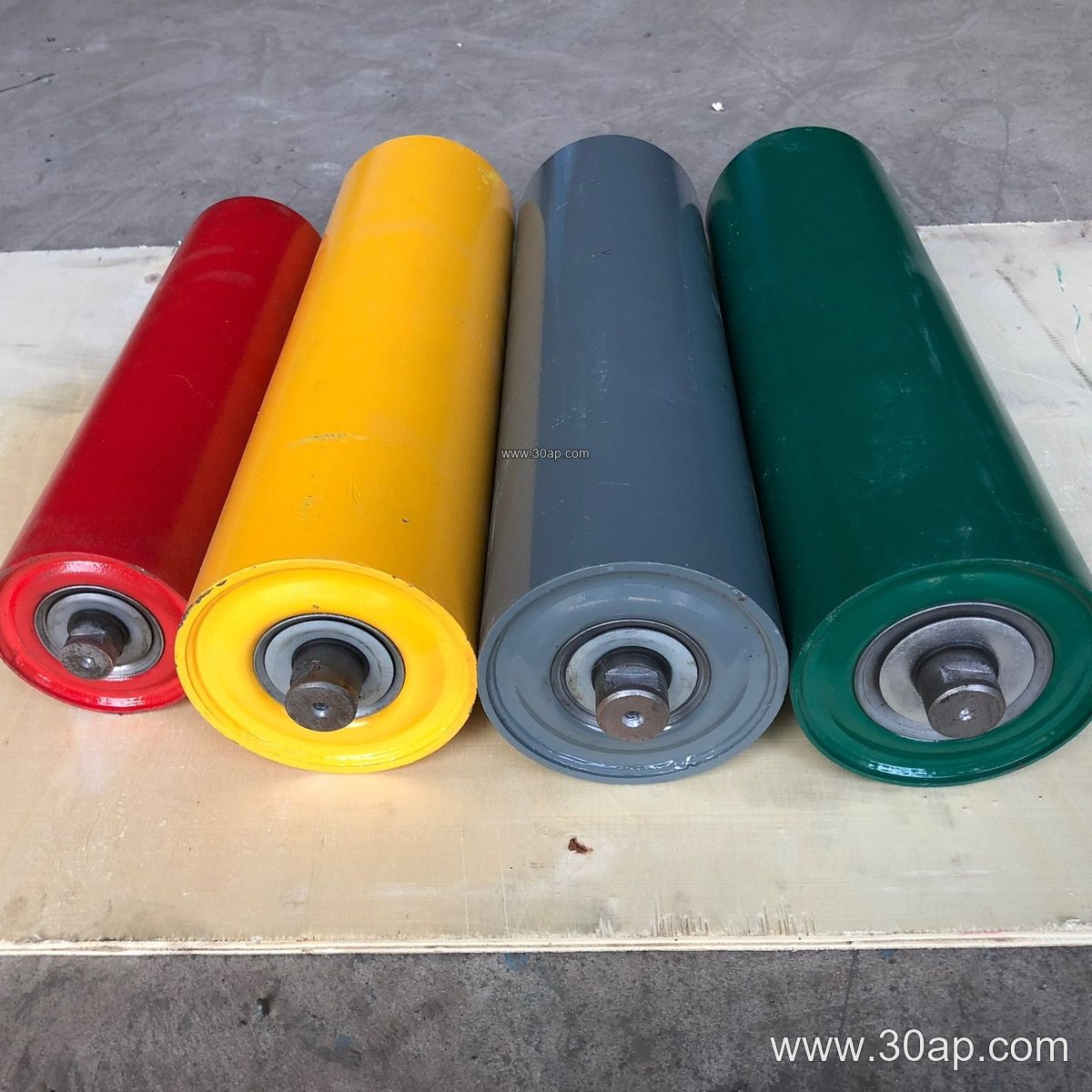
Most friction idlers use a steel tube body fitted with sealed bearings and a shaft, then mounted in a bracket that allows a small amount of rotation. The roller surface may be plain steel, nylon, ceramic, or covered with a rubber ring. Rubber rings improve grip and reduce belt wear on high-tension lines, while ceramic or nylon surfaces resist abrasion in dusty service.
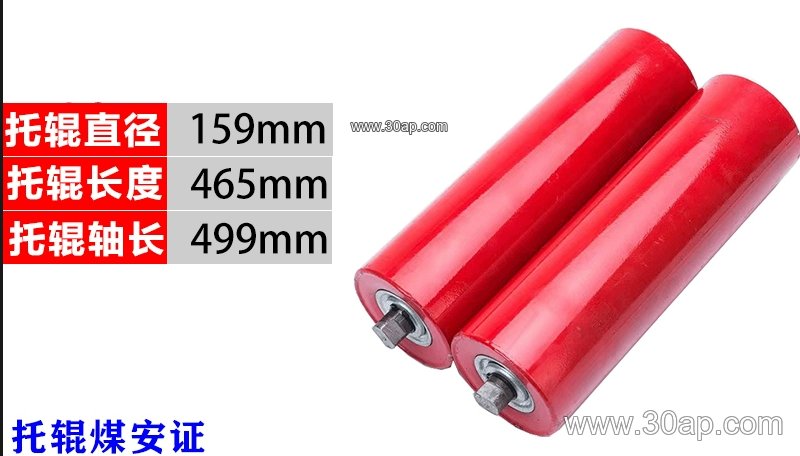
Typical roller diameters include Ø89, Ø108, Ø127, Ø133, and Ø159 mm, but the correct diameter depends on belt width, load, and the idler group design. Common bearing sizes such as 6204, 6205, 6305, 6306, 6308, and 6310 are matched to shaft and load requirements, not to a single roller diameter.
Where Friction Idlers Fit on the Conveyor
Friction self-aligning idlers are usually installed on the carrying side, often as a two-roller or three-roller group with trough angles of 20, 30, 35, or 45 degrees. A forward lead of about 1.5 to 2 degrees is typical for self-aligning designs. They are especially useful on long overland lines, crusher discharge conveyors, and ship loading conveyors where belt wander causes edge damage.
In a limestone mine or a cement plant, a friction idler group can be placed before a transfer point to keep the belt centered as material loads unevenly. A conveyor pulley at the head end still does the driving, while the friction idler only corrects tracking. On a coal mining conveyor belt or an underground mining conveyor belt, flame retardant conveyor belt grades are often paired with friction idlers that have non-sparking or antistatic roller surfaces.
Common Sizes and Reference Data
The table below gives reference values only. Final dimensions should be confirmed against the conveyor design, belt width, and idler group layout.
| Parameter | Common Reference Values |
|---|---|
| Roller diameter | Ø63, Ø76, Ø89, Ø102, Ø108, Ø127, Ø133, Ø159, Ø178 mm |
| Belt width | B500, B650, B800, B1000, B1200, B1400, B1600, B1800, B2000 mm |
| Trough angle | 20°, 30°, 35°, 45° |
| Roller length (three-roll example) | About 200 mm at B500, 250 mm at B650, 315 mm at B800, 380 mm at B1000, 465 mm at B1200, 530 mm at B1400, 600 mm at B1600 |
| Bearing | 6204, 6205, 6305, 6306, 6308, 6310 |
These figures are examples, not fixed pairings. A 1200 mm wide conveyor belt may use different roller lengths depending on whether the group is two-roll or three-roll, and side rollers can differ from the center roller.
Buyer Checklist
- Confirm the belt width, trough angle, and idler group type before ordering.
- Match the roller surface to the material: rubber rings for grip, ceramic or nylon for abrasion.
- Check the sealing arrangement in dusty or wet service, especially in a sand and gravel plant or a fertilizer handling line.
- Verify that the friction idler is specified as a tracking device, not as a substitute for a drive pulley or tail pulley.
- Use the conveyor bracket dimensions to confirm mounting compatibility with the existing frame.
- For high-temperature or oil-exposed service, select heat resistant conveyor belt or oil resistant conveyor belt grades and confirm roller clearance.
A friction idler is a small component, but correct selection reduces belt edge wear, spillage, and downtime. Whether the line carries copper ore, clinker, or aggregate, the friction idler should be treated as part of the whole conveyor system, alongside the conveyor belt, conveyor pulley, and conveyor bracket.