What the EP1250 1800mm Conveyor Belt Is
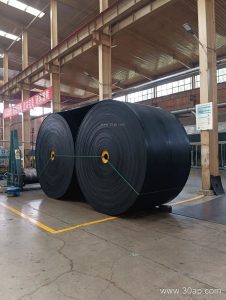
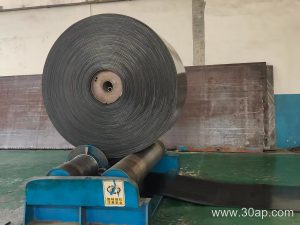
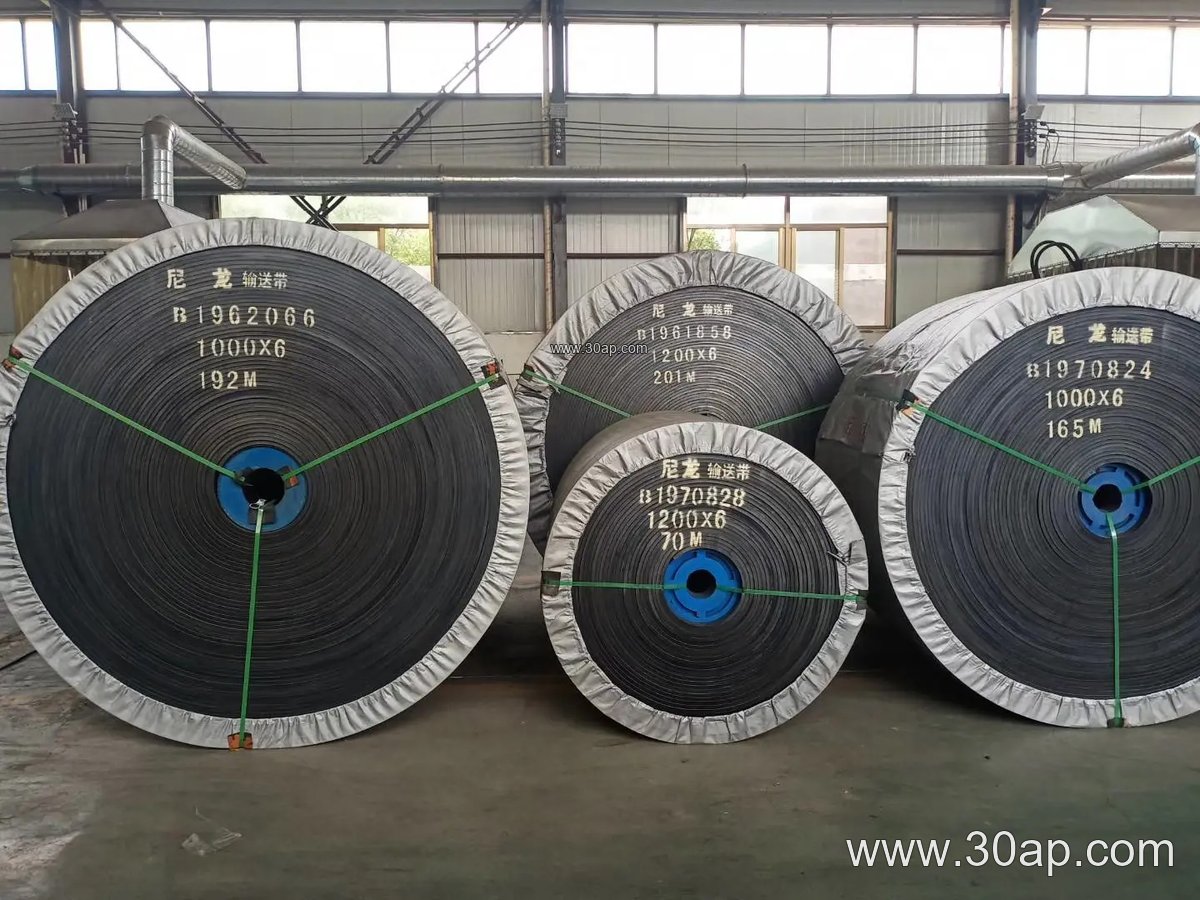
The EP1250 1800mm conveyor belt is a heavy-duty fabric core belt built around polyester-polyamide (EP) carcass plies and a nominal belt width of 1800 mm. The EP1250 designation indicates a tensile strength class of 1250 N/mm per ply, which places it among the stronger fabric-core constructions used in bulk material handling. This belt is often specified as an EP1250 conveyor belt or an EP fabric core conveyor belt where high tension capacity and wide coverage are needed at the same time. Typical industries include mining, coal preparation, cement plants, power stations, quarries, and large sand and gravel operations.
Construction and Build
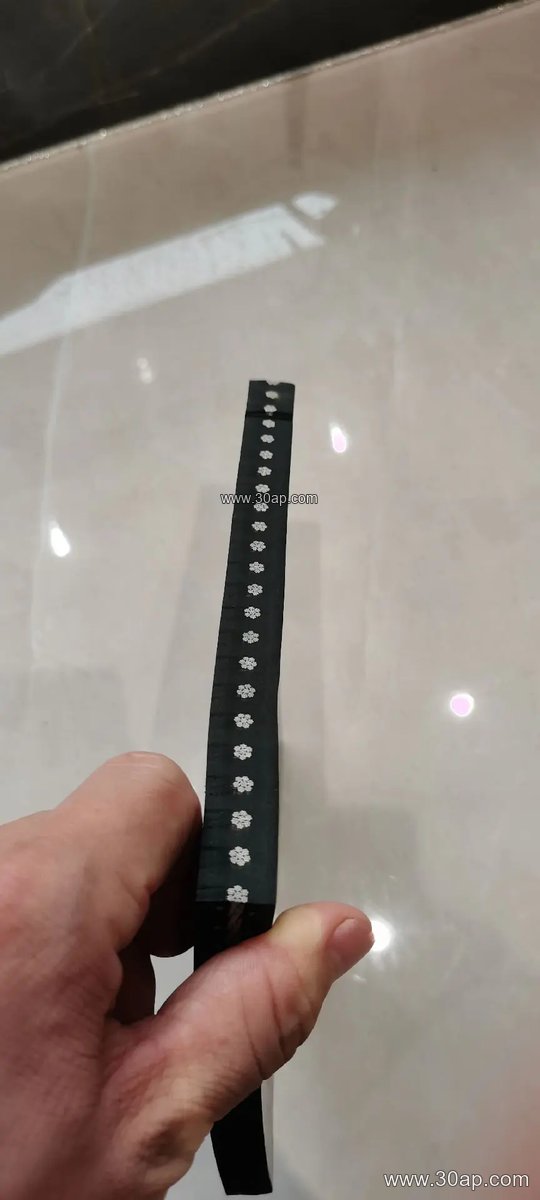
The carcass usually contains multiple EP fabric plies, commonly two to six layers depending on the required strength and safety factor. Rubber covers protect the carcass from abrasion, impact, and environmental attack. Cover thickness is normally selected to suit the duty; common combinations include 4+2 mm, 5+2 mm, 6+2 mm, and 8+3 mm, though final values are determined by the conveyor design and material being carried. The 1800 mm width allows the belt to handle high tonnages and wide material streams, reducing the number of conveyor lines required in a given transfer point.
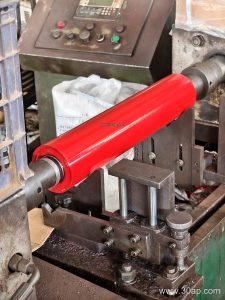
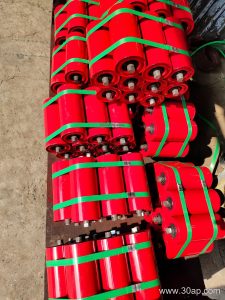
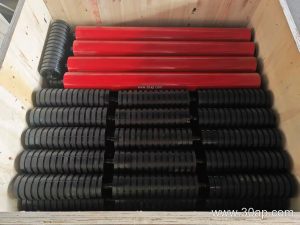
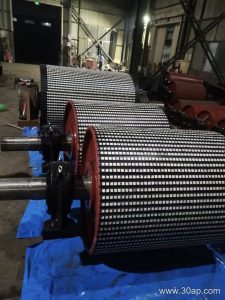
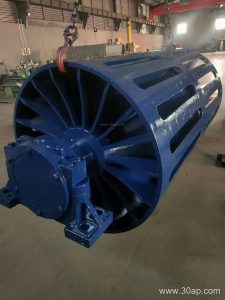
An EP1250 1800mm conveyor belt may also be supplied with special cover compounds for heat, oil, flame, cold, or abrasion resistance. In coal mining and underground operations, flame retardant and anti-static grades are frequently requested, while cement and clinker lines often favor heat resistant or abrasion resistant covers. The belt works together with conveyor pulleys, idler rollers, and conveyor brackets, and these components must be matched to the belt width and tension rating.
Where It Is Used
- Primary and secondary crushing circuits in mines and quarries
- Coal handling and preparation plants, including underground mining conveyors
- Cement plants moving limestone, clinker, and additives
- Power plant fuel and ash handling systems
- Port and ship loading terminals for bulk materials
- Large aggregate and sand making plants with high throughput
Because of its wide profile and high strength class, this belt is often found on main haulage conveyors rather than on short transfer belts. It can be combined with skirted or corrugated sidewall designs when material containment is needed, and with chevron top covers on inclined sections. In dusty or static-prone environments, anti-static and flame retardant constructions help meet site safety requirements.
Specifications and Related Options
The table below lists common reference values for the EP1250 1800mm conveyor belt family. Actual supply depends on the manufacturer, the application, and the agreed technical data sheet.
| Parameter | Common Reference |
|---|---|
| Belt type | EP fabric core conveyor belt |
| Strength class | EP1250 (1250 N/mm per ply) |
| Nominal width | 1800 mm |
| Carcass plies | Typically 2 to 6, depending on design |
| Cover thickness | 4+2, 5+2, 6+2, 8+3 mm (common) |
| Cover grades | Abrasion resistant, heat resistant, flame retardant, oil resistant, cold resistant, anti-static |
| Related belt types | NN conveyor belt, steel cord conveyor belt, PVC and PVG belts for comparison |
For comparison, an NN conveyor belt uses nylon fabric plies and may be chosen for different elongation behavior, while a steel cord conveyor belt is used for very long center distances and higher tensions. Neither replaces the EP1250 1800mm belt when the design calls for EP fabric construction at this width and strength class.
Buyer Checklist
- Confirm the required strength class and number of plies with the conveyor designer.
- Match cover thickness and cover grade to the material: abrasive rock, hot clinker, oily scrap, or coal.
- Check pulley diameters, idler roller spacing, and conveyor bracket dimensions against the 1800 mm belt width.
- Specify flame retardant and anti-static properties where the site requires them.
- Ask for the manufacturer’s technical data sheet and confirm splice method and training requirements.
When selecting an EP1250 1800mm conveyor belt, buyers should treat the values above as typical references rather than fixed universal specifications. The final belt construction should be confirmed with the supplier and the conveyor design engineer.