What a Ceramic-Lined Pulley Does for a Conveyor
A ceramic-lined pulley is a conveyor pulley whose shell carries a bonded layer of ceramic tiles, usually set in a rubber or epoxy matrix. The tiles are the part that actually touches the belt. Because the ceramic is extremely hard, the pulley keeps a high friction coefficient on the drive side and resists the polishing and wear that smooth steel shells develop after long service. In a quarry or a cement plant, that difference shows up quickly: a plain shell can start slipping in wet or dusty conditions, while a ceramic-faced shell keeps a reliable grip.
This is still a drive pulley first. It is not a tail pulley, not a bend pulley, and not a snub pulley. Those positions have their own duties, and a ceramic face is normally specified where traction and wear resistance matter most.
How the Ceramic Face Is Built
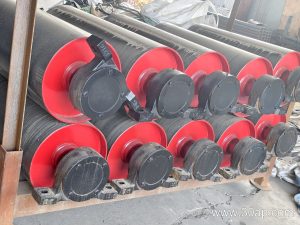
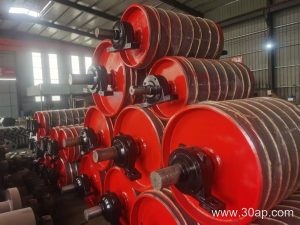
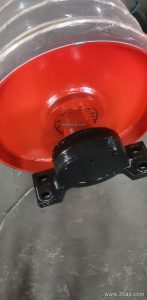
The base is a welded steel drum with machined end discs, hubs, and a shaft sized by torque and load rather than by belt width alone. On top of the shell, the lining is applied in one of two common ways:
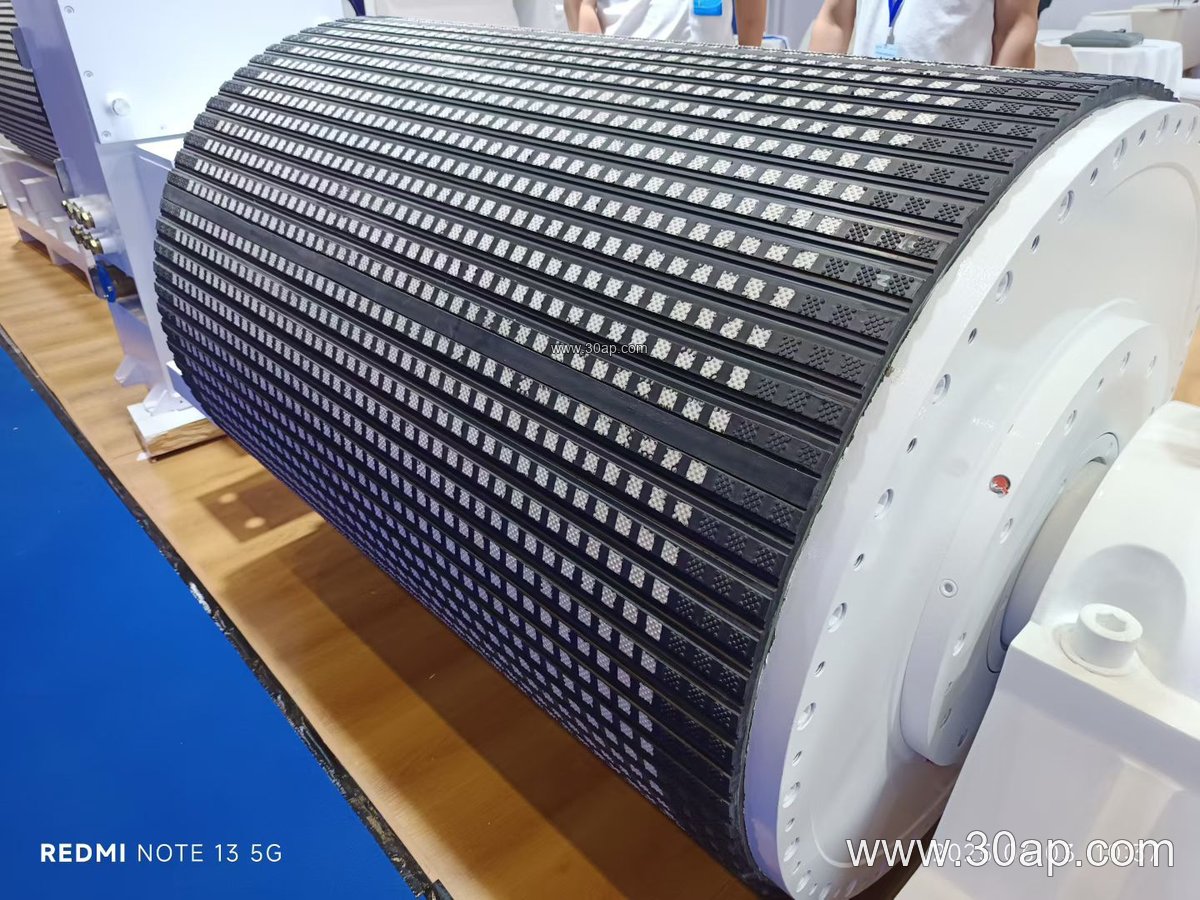
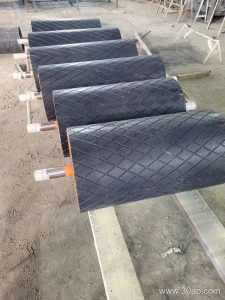
- Rubber-backed ceramic lagging: tiles are vulcanized into a rubber sheet that is bonded to the drum, often with a plain or diamond pattern between tiles.
- Direct-bonded ceramic: tiles are set in an epoxy or similar compound and cured onto the shell, sometimes with raised studs for extra grip.
The tile thickness, tile spacing, and bond system are chosen around the duty. A heavy-duty mining conveyor handling abrasive ore needs a different build from a smaller aggregate line. The ceramic layer is not a coating that can be brushed on; it is a structural wear surface that must be applied correctly to stay in place.
Where the Ceramic-Lined Pulley Fits
Drive positions on abrasive or wet duties are the most common home for this pulley. In an iron ore or copper ore operation, the head drive often sees fine dust, moisture, and high tension at the same time. A ceramic-lined pulley helps hold the belt without over-tensioning it. In a coal preparation plant or a power plant coal yard, the same logic applies where the belt can be damp and the load is heavy.
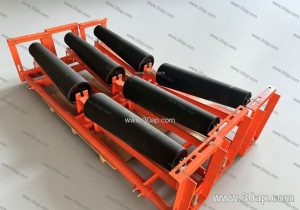
It also appears on high-tension drives in cement plants and on long overland lines at ports handling bulk material. The pulley works alongside the conveyor belt, the idler roller sets, and the conveyor bracket assemblies, and its face must match the belt’s own cover grade. An abrasion resistant conveyor belt paired with a ceramic drive pulley is a sensible combination; a heat resistant conveyor belt on a hot clinker duty needs the pulley specification checked for temperature as well.
Sizes and Surface Details Buyers Ask About
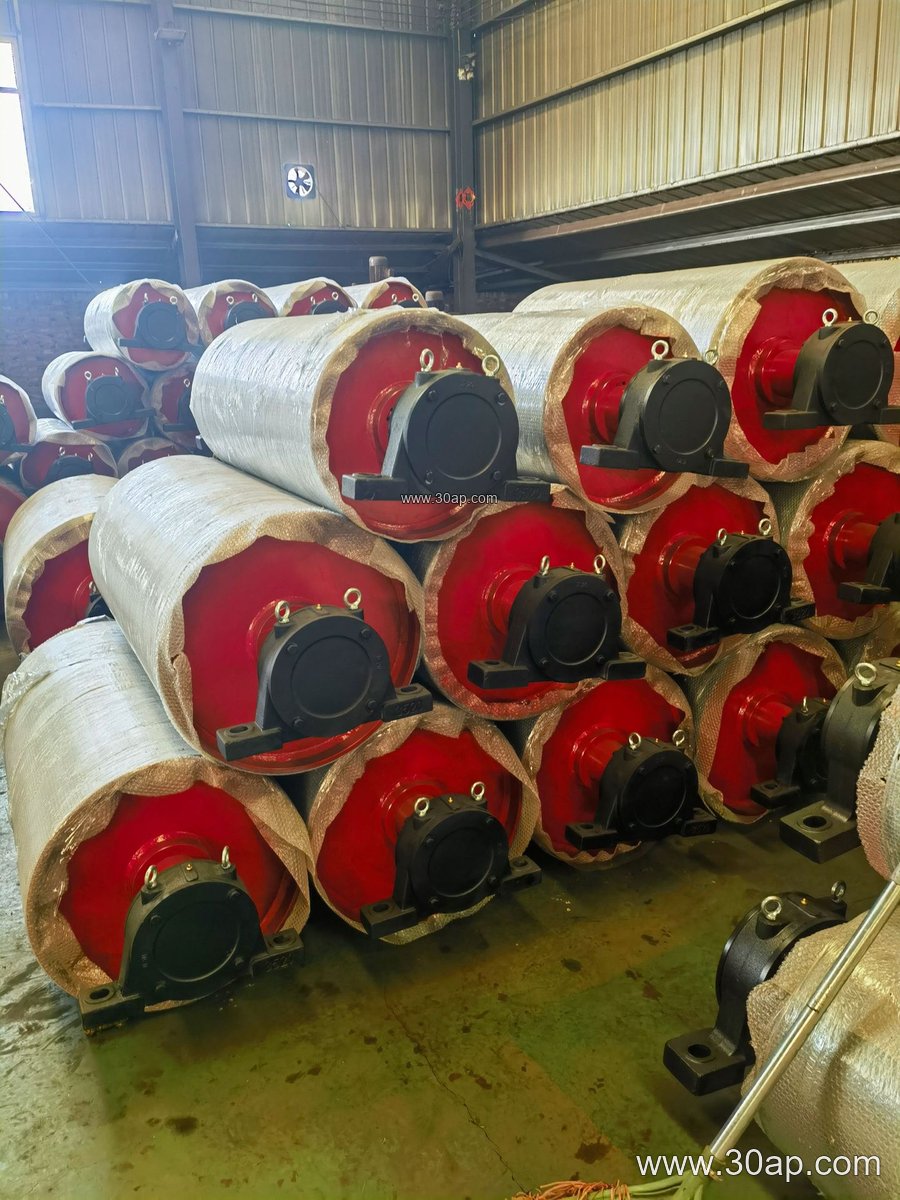
Ceramic-lined pulleys are made across the usual conveyor range. Belt widths commonly run from B400 up to B2400, with drum diameters from about Ø200 to Ø1800 depending on tension and belt thickness. The shell face is normally wider than the belt; a B800 belt usually sits on a face around 950 mm, and a B1200 belt on a face near 1400 mm. Shaft diameters are typically Ø50 to Ø200, fixed by the drive torque and bearing load, not by belt width alone.
| Parameter | Common reference values |
|---|---|
| Belt width | B400, B500, B650, B800, B1000, B1200, B1400, B1600, B1800 |
| Pulley diameter | Ø200, Ø250, Ø315, Ø400, Ø500, Ø630, Ø800, Ø1000, Ø1250 |
| Ceramic lagging thickness | 8, 10, 12, 15, 20 mm |
| Shaft diameter | Ø50 to Ø200, by design |
| Example combinations | B800 × Ø500, B1200 × Ø1000, B1400 × Ø800 |
These are reference ranges, not a fixed match table. A B1200 belt can be paired with more than one diameter; the correct choice depends on wrap angle, belt tension, and the pulley’s position in the conveyor.
Buyer Checklist Before Ordering
- Confirm the pulley’s role: drive, head, or another position. Do not order a ceramic drive pulley to replace a bend pulley unless the duty truly calls for it.
- Check the belt: an EP conveyor belt, a steel cord conveyor belt, or a flame retardant conveyor belt each has its own tension and cover requirements.
- Match the ceramic face to the material: wet, sticky, or abrasive loads favor different tile patterns.
- Verify the shaft size against the actual torque, not against a rule of thumb based on width.
- Ask how the lining is bonded and how tiles are inspected after curing.
For more conveyor components, including pulley options and matching belt grades, visit ccdconveyorbelt.com and review the drive and tail pulley pages before finalizing a specification.