What the Loading Point Impact Idler Does
The loading point impact idler is the shock-absorbing roller set placed directly beneath the chute or transfer point where material first lands on the conveyor belt. Its job is simple to describe and hard to do well: absorb the kinetic energy of falling rock, ore, clinker, or aggregate before that energy reaches the belt carcass and the frame. In a quarry, a coal preparation plant, or a cement plant transfer tower, a drop of even one meter can punish an unprotected belt. The impact idler is the first line of defense, and it is a distinct component from the carrying idlers that support the belt further along the run.
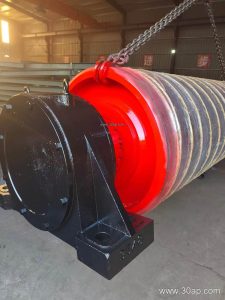
It is also not a conveyor pulley. Drive, tail, and bend pulleys transmit motion and change belt direction; they are separate assemblies with their own design rules and are never substituted for impact rollers.
How the Roller Is Built
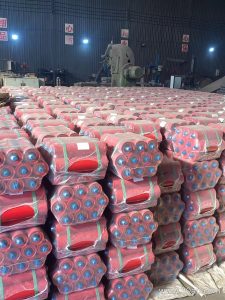
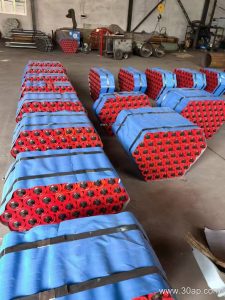
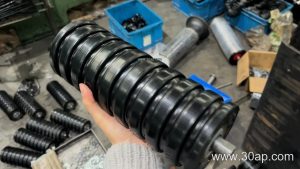
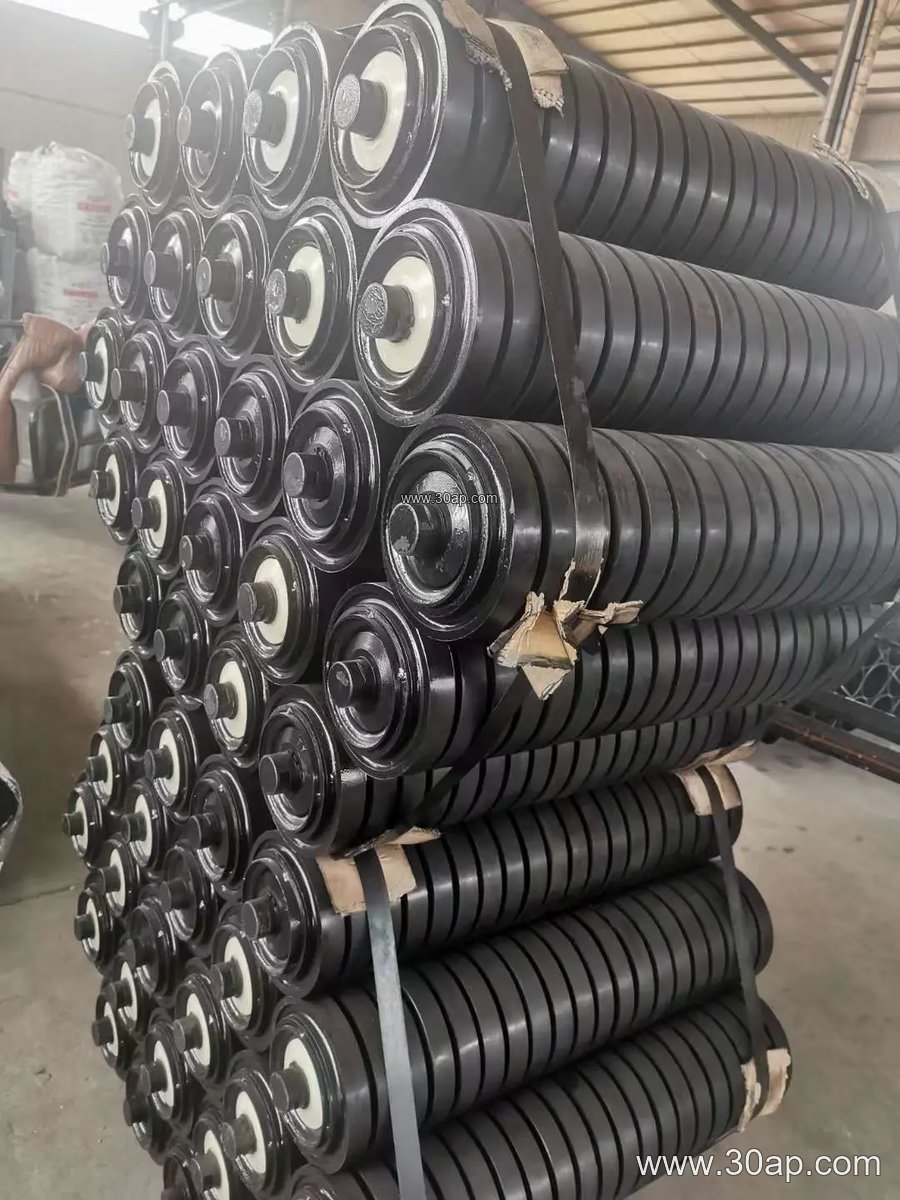
The typical impact idler roller uses a steel tube body fitted with rubber rings or rubber discs, mounted on a shaft carried by sealed bearings. The rubber rings are the working surface. They deflect under impact, spread the load over a longer section of belt, and reduce the point pressure that would otherwise crush the carcass or crack a splice.
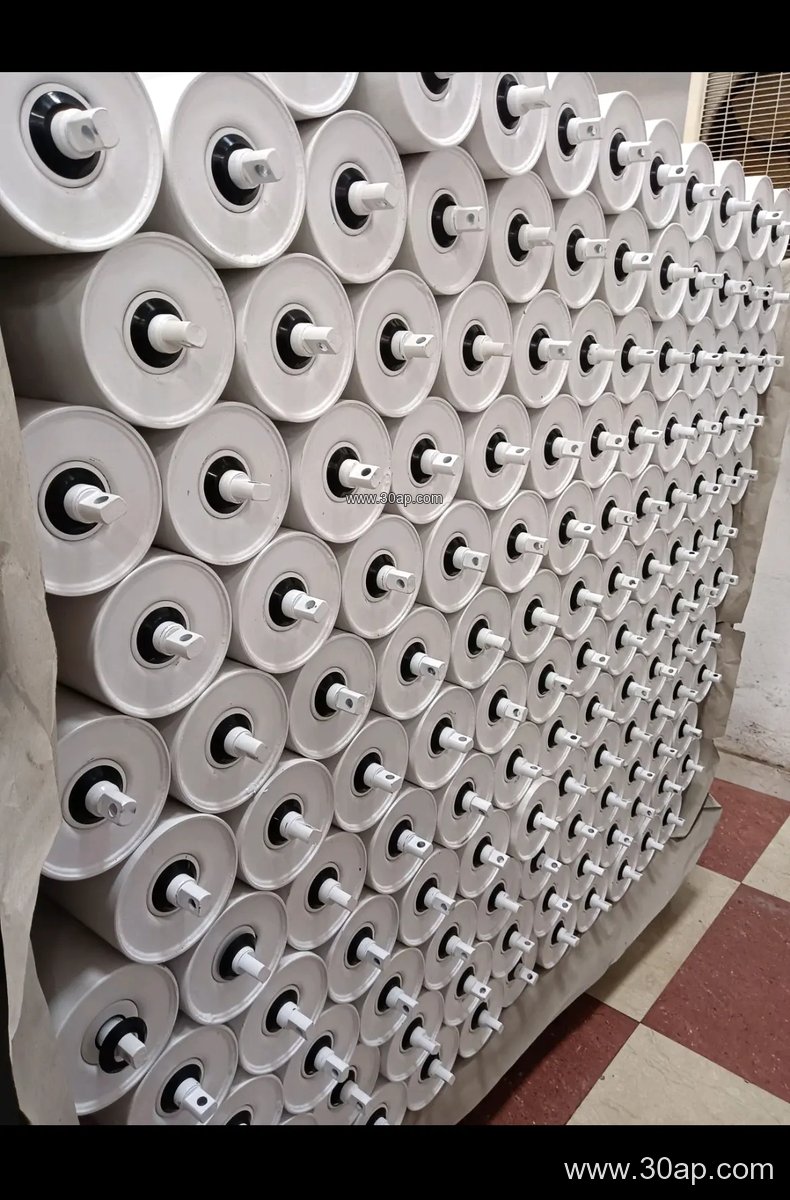
Common roller diameters include Ø89, Ø108, Ø127, Ø133, and Ø159 mm. Ring hardness, ring spacing, and rubber thickness are selected by the manufacturer according to the duty. Bearing sizes such as 6205, 6305, or 6308 appear across these diameters, but diameter and bearing are not a fixed pair; the same roller diameter can be built with different bearing classes depending on load and sealing requirements.
Where It Sits in a Conveyor
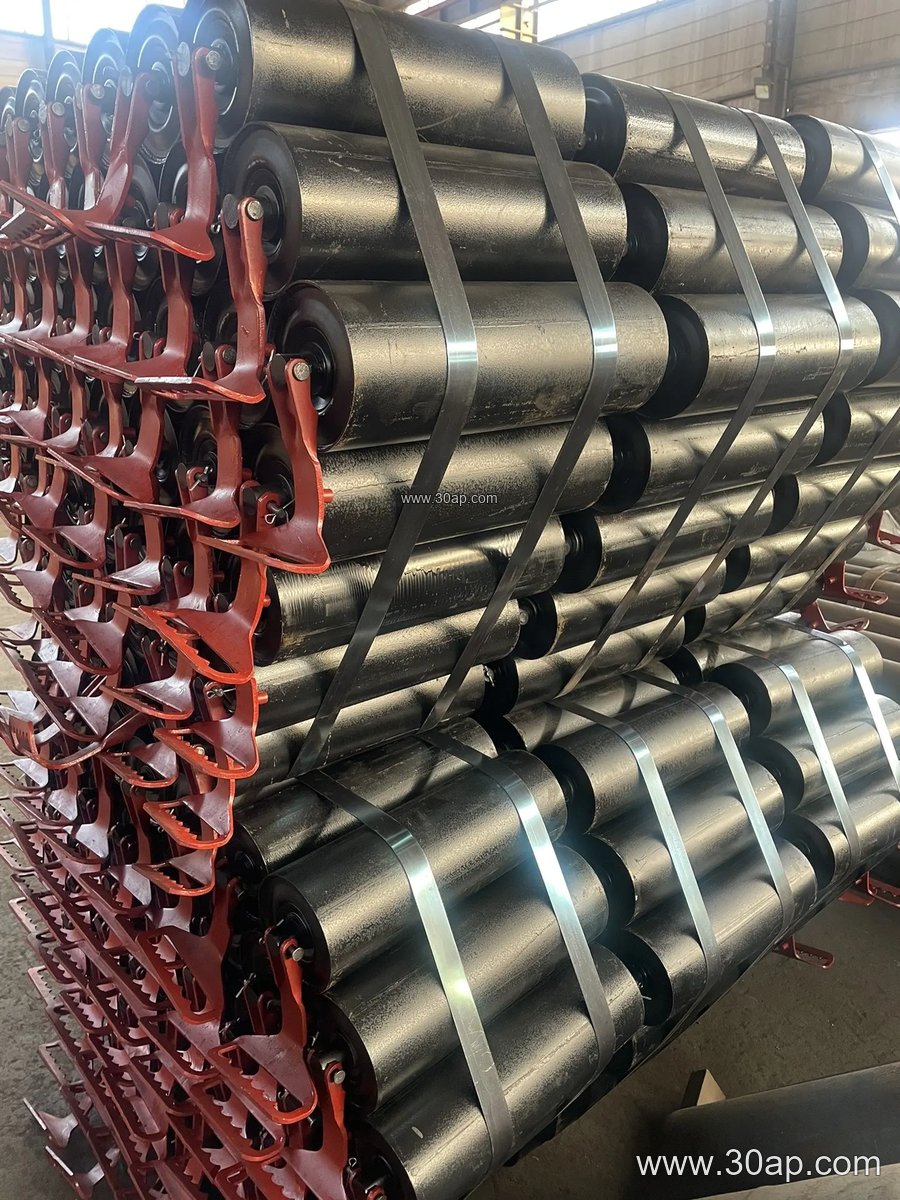
Impact idler sets are usually arranged as a three-roll troughing group with a 30 or 35 degree trough angle at the loading zone, followed by transition idlers that gradually move the belt back to the normal profile. Single-roll and two-roll groups also exist for narrower belts or special chute layouts. Roller length follows belt width and trough geometry: a three-roll group on a B800 belt commonly uses rollers around 315 mm long, while a B1200 group often uses about 465 mm, with side rollers sized separately from the center roller. These are reference examples, not a rule that ties one belt width to one roller length.
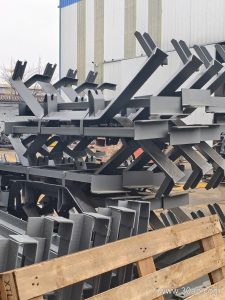
The supporting conveyor bracket or frame at the loading point should be stiff enough to resist repeated impact. A flexible frame wastes the benefit of the rubber rings and accelerates bearing failure.
Applications Across Bulk Handling
Impact idlers are found wherever material is transferred between belts, from a crusher discharge, or from a stacker. In an iron ore or copper ore terminal, a heavy-duty mining conveyor belt carrying dense lump ore needs a robust impact zone. In a power plant coal handling system, a flame retardant conveyor belt may be paired with impact rollers under the coal chute. Sand and gravel lines, sinter plants, and tunnel spoil conveyors all use the same principle.
The belt type matters to the design. A steel cord conveyor belt is stiff and tolerates impact differently from a multi-ply fabric core belt such as an EP conveyor belt or NN conveyor belt. A thick abrasion resistant conveyor belt may resist cutting, but it still transfers impact force to the idler frame. Users handling wet or sticky material sometimes prefer a skirted conveyor belt or corrugated sidewall conveyor belt at the transfer, and the impact zone must be laid out to suit that belt profile.
Specification Reference
| Parameter | Common range or example |
|---|---|
| Roller diameter | Ø63, Ø76, Ø89, Ø102, Ø108, Ø127, Ø133, Ø159, Ø178, Ø194, Ø219 mm |
| Belt width | B500, B650, B800, B1000, B1200, B1400, B1600, B1800, B2000 mm |
| Trough angle | 20, 30, 35, 45 degrees |
| Roller surface | Steel tube with rubber rings or rubber discs |
| Bearing examples | 6204, 6205, 6305, 6306, 6308, 6310 |
Values are indicative and should be confirmed against the conveyor design, belt tension, and material lump size.
What a Buyer Should Check
- Drop height and maximum lump size at the chute, since these set the impact energy.
- Belt construction and tension, because a high strength conveyor belt and a lighter fabric belt load the idler differently.
- Sealing arrangement, especially in dusty coal mining or aggregate service where fines destroy bearings.
- Ring quality and replacement method, because worn rings should be changeable without rebuilding the whole frame.
Maintenance is mostly inspection: watch for flattened rings, loose discs, seized bearings, and belt tracking drift at the loading zone. Replacing worn impact rollers early protects the far more expensive belt. For related components, see the conveyor idler roller and conveyor bracket ranges, and match the impact set to the same belt width as the adjacent troughing idlers. A correctly chosen loading point impact idler turns a violent transfer into a controlled one, and that is where belt life is often won or lost.