What a Terminal Conveyor Pulley Does at the End of the Line
The terminal conveyor pulley is the last pulley a belt meets before the material leaves the system. Often called a head pulley or discharge pulley, this terminal conveyor pulley drives or redirects the belt at the discharge end of a conveyor, so its condition directly affects belt tracking, material release and the life of the conveyor belt. In a quarry, a coal preparation plant or a cement clinker line, a poorly specified terminal pulley can cause belt slip, spillage and early cover wear.
This article looks at how the terminal conveyor pulley is built, where it appears, and what to check when buying one. Drive, tail and bend pulleys have different jobs and are not interchangeable with the terminal pulley, although they may look similar on a drawing.
Construction and Surface Options
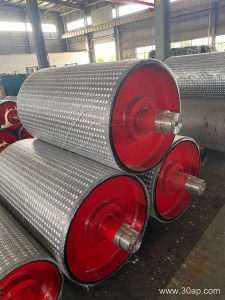
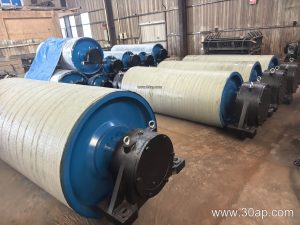
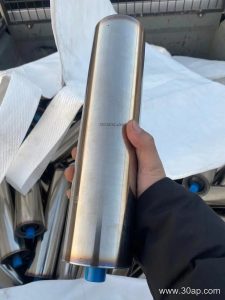
A terminal conveyor pulley normally consists of a cylindrical shell, end discs, a shaft, bearing housings and a locking assembly. The shell may be plain or covered with rubber, and the shaft diameter is chosen from torque and load rather than belt width alone. Common shaft sizes include Ø80, Ø100, Ø120, Ø140 and Ø160 mm, but the final value comes from the drive calculation.
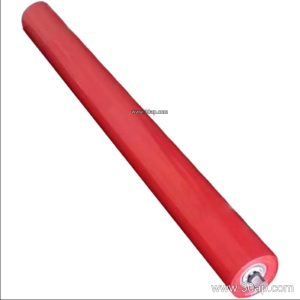
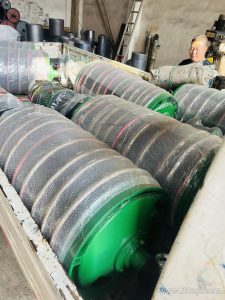
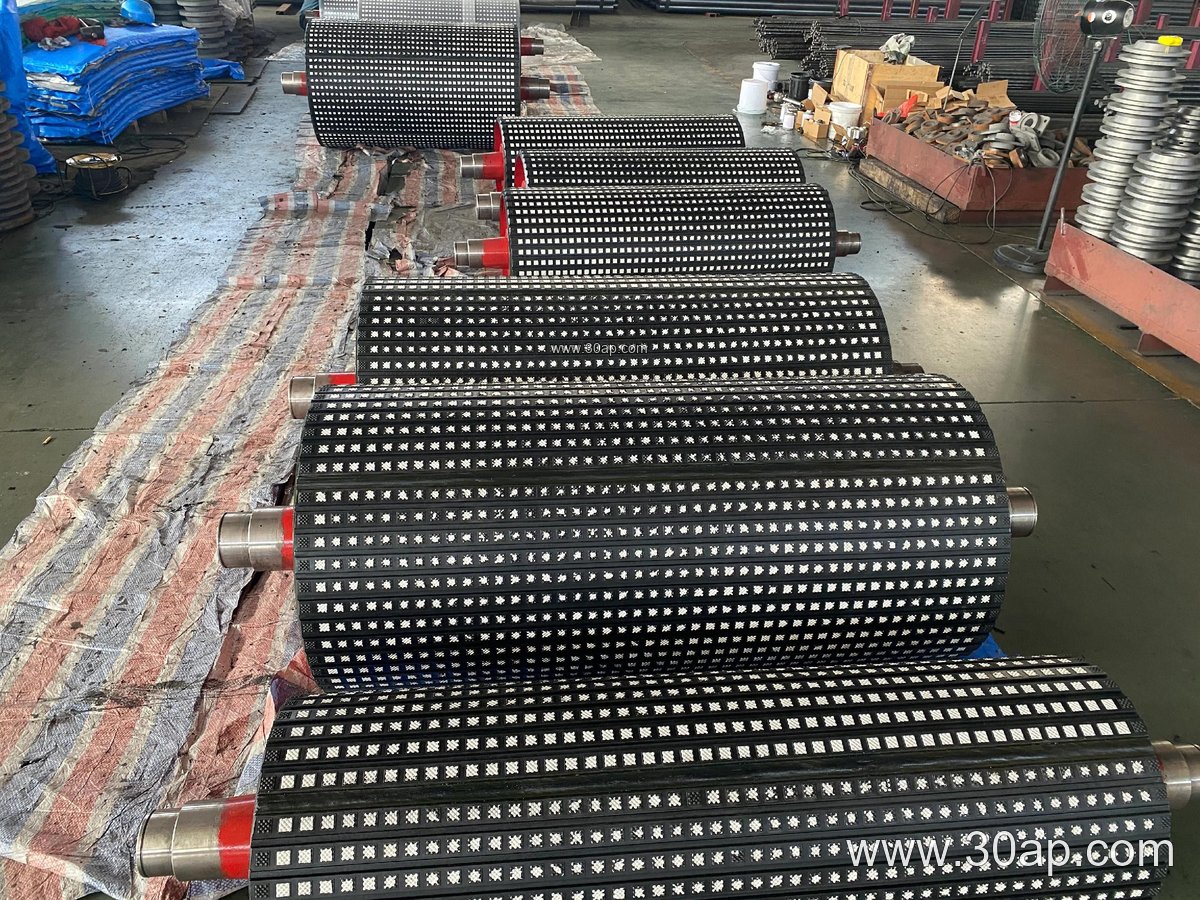
Surface treatment matters at the discharge point. A smooth face suits light duty and easy cleaning, while diamond or herringbone lagging improves grip where the belt carries wet or dusty material. Ceramic lagging is used when abrasion is severe. Lagging thickness is commonly 8, 10, 12, 15 or 20 mm, selected according to the duty.
| Parameter | Typical Range (reference only) |
|---|---|
| Belt width | B500 to B2000 |
| Pulley diameter | Ø250 to Ø1600 |
| Face width | Usually wider than belt, e.g. B800 about 950 mm |
| Lagging | Plain, rubber, diamond, ceramic |
| Shaft diameter | Ø50 to Ø200, by design |
A B1000 terminal conveyor pulley with Ø800 diameter and 12 mm rubber lagging is a common combination in aggregate plants, but B1000 does not force Ø800. The designer matches diameter, face width and shaft to the belt tension and wrap angle.
Where It Fits in the Plant
In a limestone quarry, the terminal conveyor pulley sits at the head of the primary discharge conveyor, throwing crushed rock onto a stockpile. In a coal washing plant, a flame retardant conveyor belt may run over a lagged terminal pulley before feeding a screen. The same unit appears in power plant coal handling, steel plant sinter lines and port ship loading conveyors.
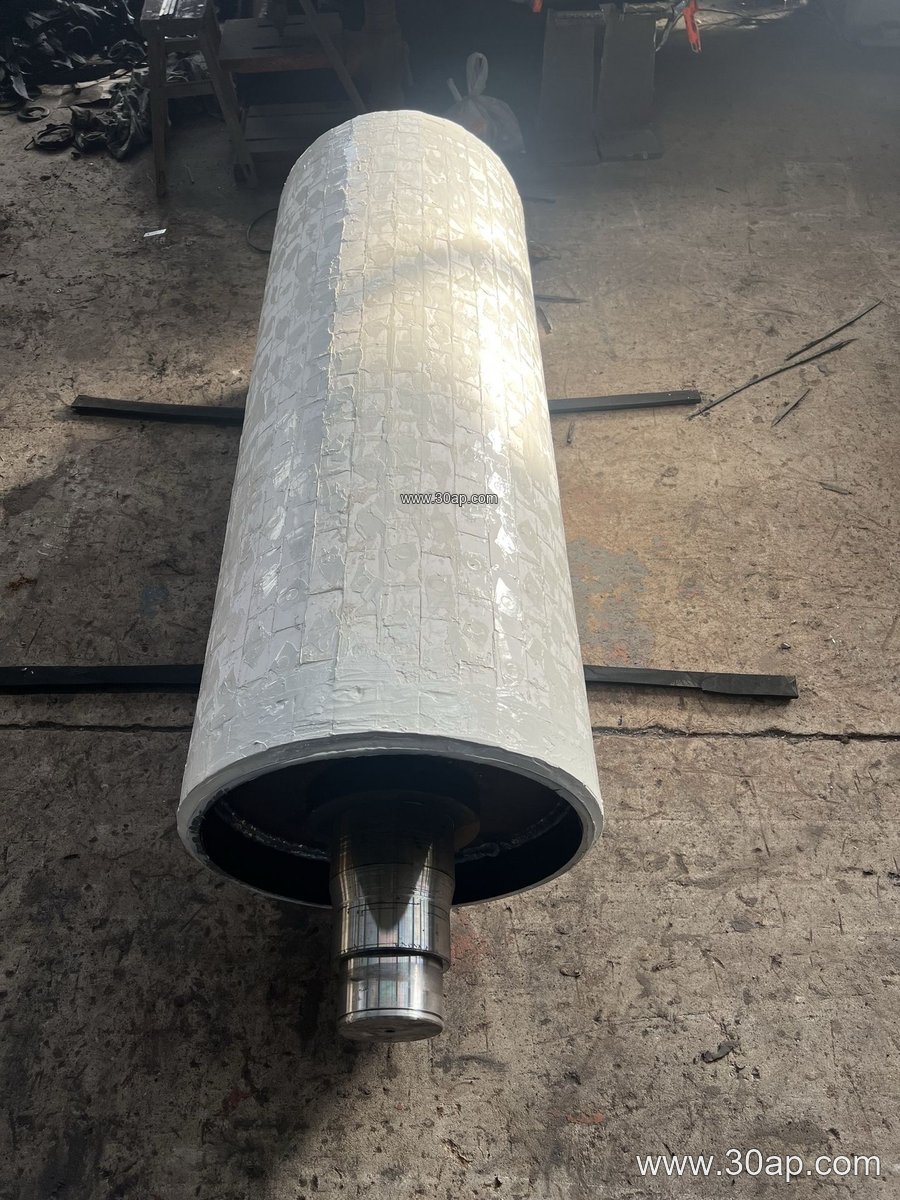
Because the terminal pulley often carries the highest tension, its bearings and lagging take more load than a bend pulley further back. That is why buyers should confirm the belt speed, tonnage and starting conditions before ordering.
Buyer Checklist
- Confirm belt width and required face width, for example B1200 with about 1400 mm face.
- State the pulley diameter and shaft diameter required by the drive design.
- Choose lagging type and thickness for the material and moisture level.
- Check bearing size, housing type and conveyor bracket dimensions.
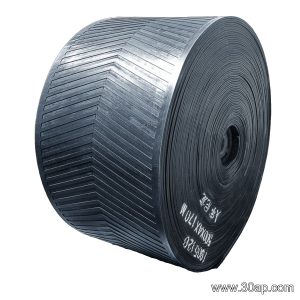
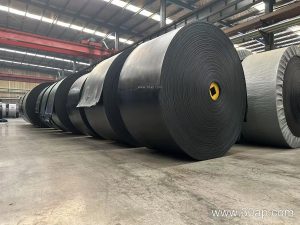
- Match the pulley to the conveyor belt construction, such as EP or steel cord.
- Ask for dynamic balance and inspection records where high speed applies.
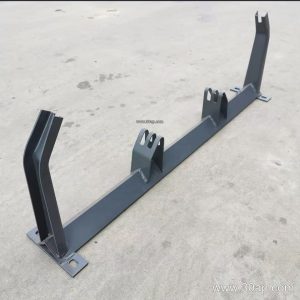
Related components such as the idler roller, conveyor bracket and conveyor pulley frame should be reviewed together, since misalignment at the terminal station quickly damages the belt edge.
Maintenance Notes
Inspect lagging wear, bolt tightness and bearing temperature at regular intervals. Worn lagging reduces grip and can polish the shell, while a seized bearing may score the shaft. Keep the discharge area clear so material does not build up against the pulley face. For harsh sites such as an iron ore terminal or a cold climate stockyard, choose a cover grade that matches the environment and keep spare lagging on hand.
More conveyor pulley guidance is available at zbconveyor.com, including notes on belt selection and terminal station layout.