What an Acid Resistant Conveyor Belt Is
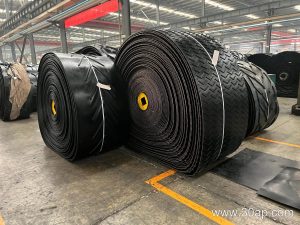
An acid resistant conveyor belt is a rubber conveyor belt built to carry materials that would attack ordinary cover compounds. It is used where acidic powders, slurries, or damp bulk cargo contact the belt surface, and where the carcass must keep its strength despite that exposure. The product is also described as a chemical resistant conveyor belt, and the two names refer to the same family of belting. It is not the same thing as a heat resistant conveyor belt or an oil resistant conveyor belt, although plants handling mixed cargoes sometimes compare them when specifying a single line.
Construction and Compound Choices
The working surface is the cover rubber, and in this product the compound is selected for low reaction with acids rather than for maximum abrasion resistance alone. Cover thickness is commonly expressed as top plus bottom, for example 4+2 mm or 6+2 mm, and thicker covers suit wet or splash-heavy positions. The carcass does most of the load carrying. A fabric core conveyor belt with EP or NN plies is a frequent choice in medium-duty chemical lines, while a steel cord conveyor belt is used where tension and distance are greater.
Typical strength grades for fabric constructions include EP200, EP400, EP630, EP1000, and EP1250, and these values describe carcass strength rather than acid performance. Belt widths in common use run from B500 and B650 through B800, B1000, B1200, B1400, and B1600. The final compound, ply count, and cover gauge are set by the belt designer for the actual duty.
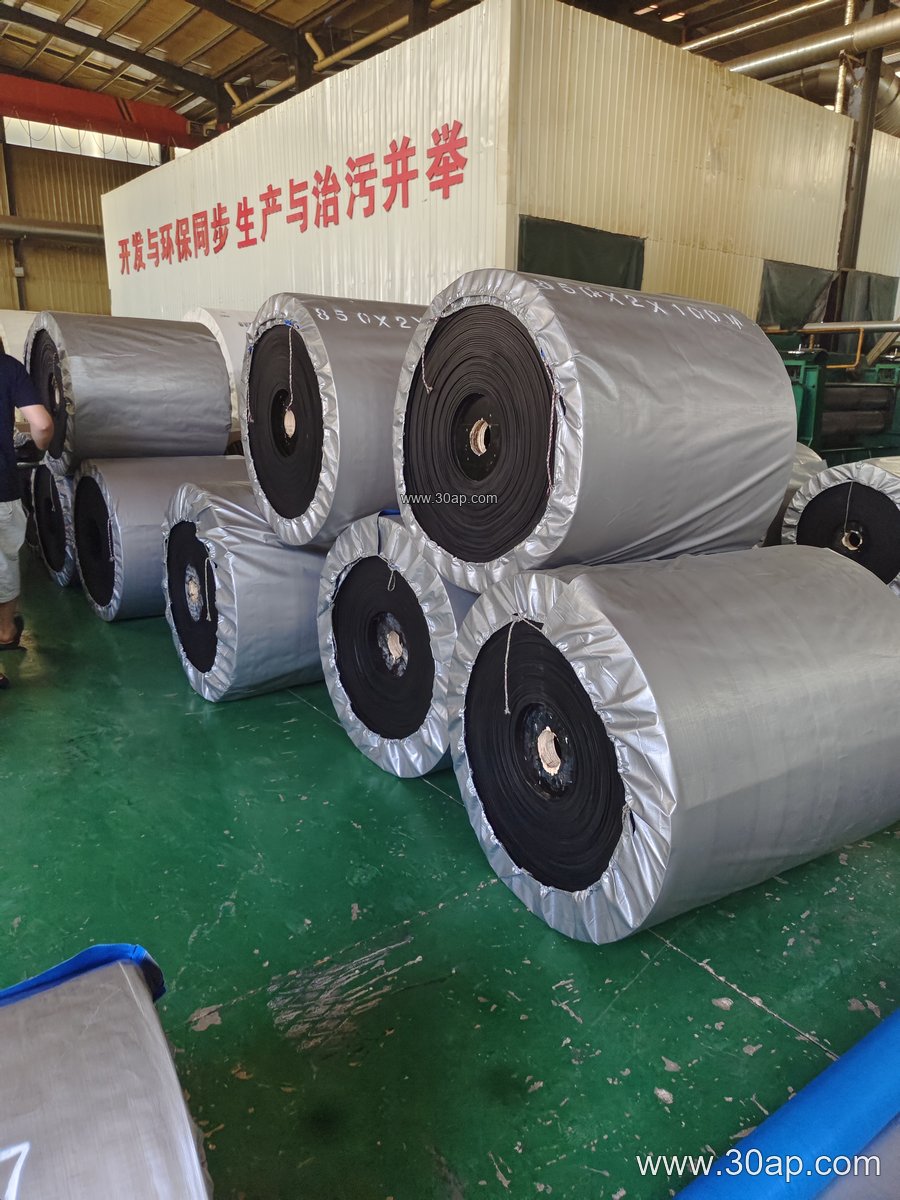
- Cover compound selected for acid exposure
- EP or NN fabric plies, or steel cord where tension demands it
- Cover gauges such as 3+1.5, 4+2, 5+2, and 6+2 mm
- Edge and splice design matched to the pulley layout
Where It Fits in a Plant
Fertilizer plants, chemical works, and some metal refining areas are the obvious users. Acidic fertilizer dust and damp residues are harder on covers than dry sand, so this belt often appears on transfer lines feeding screens and storage bins. In a cement plant it may be considered only where acidic process water is present, because ordinary cement handling usually calls for an abrasion resistant conveyor belt instead. In a power plant, acid exposure is more often a concern around flue gas treatment residues than on the main coal stream, where a flame retardant conveyor belt is the more usual specification.
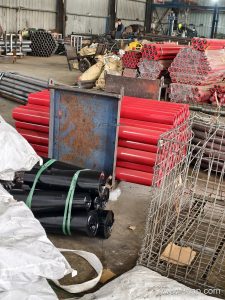
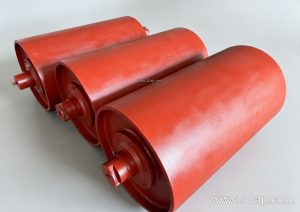
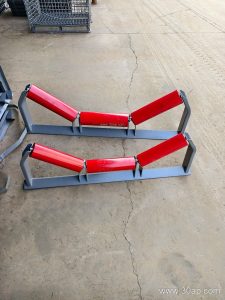
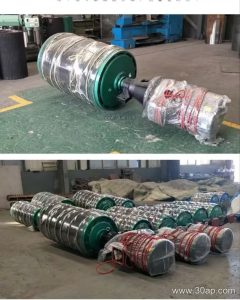
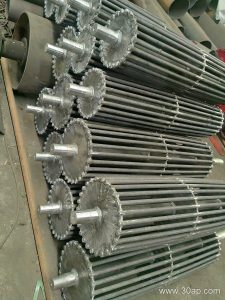
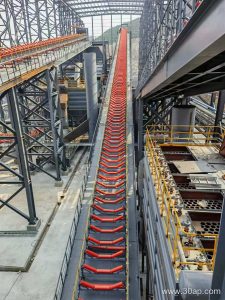
Quarry and aggregate lines rarely need acid protection, but they do need attention to the conveyor pulley and idler roller arrangement. A belt that tracks poorly against a bend pulley will wear its edges long before the cover fails, and that is true here as well. Keep drive, tail, and bend pulleys in their intended roles, check the conveyor bracket alignment, and inspect the idler roller surfaces for buildup that can score the cover. For long overland runs, a pipe conveyor belt can enclose the cargo and limit splash contact, but it is a different construction and should be evaluated on its own merits.
Selection Points for Buyers
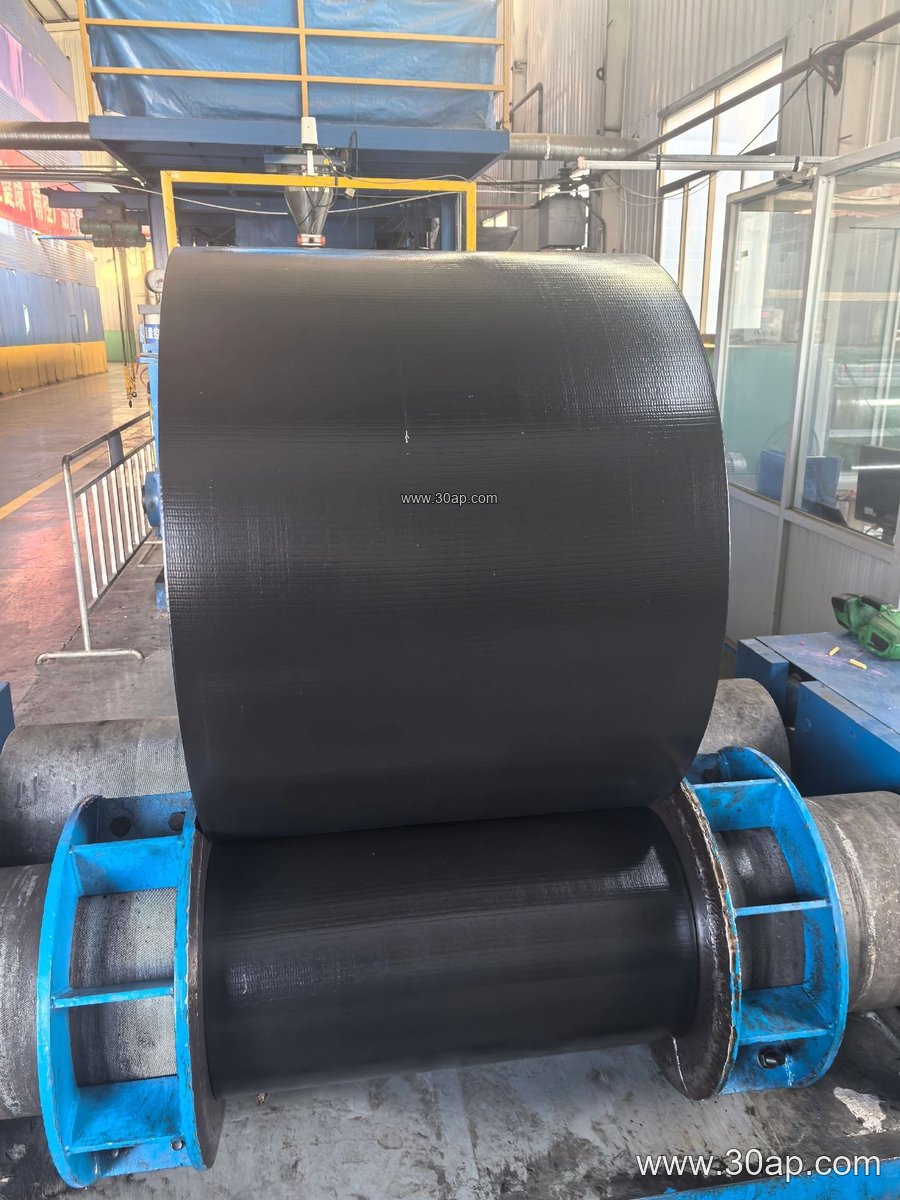
Give the supplier the acid or chemical involved, its concentration, whether it is wet or dry, and the temperature range. Acid resistance is not a single universal rating, and a compound that works for one residue may not suit another. State the duty in tonnes per hour, the belt width, and the pulley centres so the tension class can be confirmed. A 1200mm wide belt on a short transfer and a 1200mm wide belt on a long incline may need different carcass grades, so width alone does not fix the specification.
Ask how the belt will be joined. An endless conveyor belt spliced on site needs a splice method compatible with the cover compound, and the cure conditions matter in a chemical environment. If the line also carries hot material, discuss whether a heat resistant conveyor belt or a combined specification is more sensible than forcing one belt to do both jobs.
Installation and Maintenance Notes
Wash-down and spillage are common around acid duty, so drainage and belt support deserve attention. Standing liquid at the tail end can soften covers and reach the carcass through damaged edges. Inspect cut edges, worn spots, and splice seams regularly, and remove acidic buildup from the return side rather than letting it ride against a pulley. Track tension should be checked after the first days of running and again after any splice repair. Matching the belt to the conveyor structure, the idler roller spacing, and the pulley diameters is as important as the compound itself, and a belt that is correctly specified but badly aligned will still fail early.