What Belt Conveyor Pulley Lagging Does
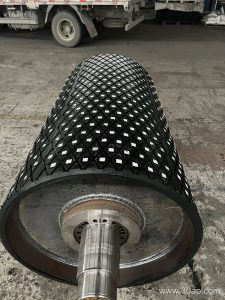
Belt conveyor pulley lagging is the rubber or ceramic layer bonded to the shell of a conveyor pulley where the conveyor belt makes contact. Its job sounds simple, but it decides how much grip the drive can deliver, how long the belt and pulley shell last, and how often maintenance crews have to climb into a transfer tower. In a quarry, a cement plant, or a power plant coal yard, a slipping drive pulley can stop the whole line, and that is exactly the failure mode lagging is designed to prevent.
The product is not a single item. It is a family of covers applied to different pulley positions, and each position asks for something different. A drive pulley needs friction to transmit torque. A tail or bend pulley needs protection and belt tracking more than traction. Using the right cover in the right place matters as much as the compound itself.
How the Lagging Is Built
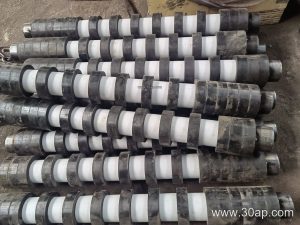
Most lagging starts as a rubber sheet, either plain or with a molded pattern. The sheet is attached to the pulley shell by hot vulcanization, cold bonding, or in some designs by mechanical fastening. Hot-sulfurized rubber forms a chemical bond with the prepared shell and is common on heavy-duty drive pulleys. Cold-bonded lagging is easier to install on site and suits retrofits. Ceramic lagging uses tiles set in a rubber matrix, giving high grip in wet or muddy conditions.
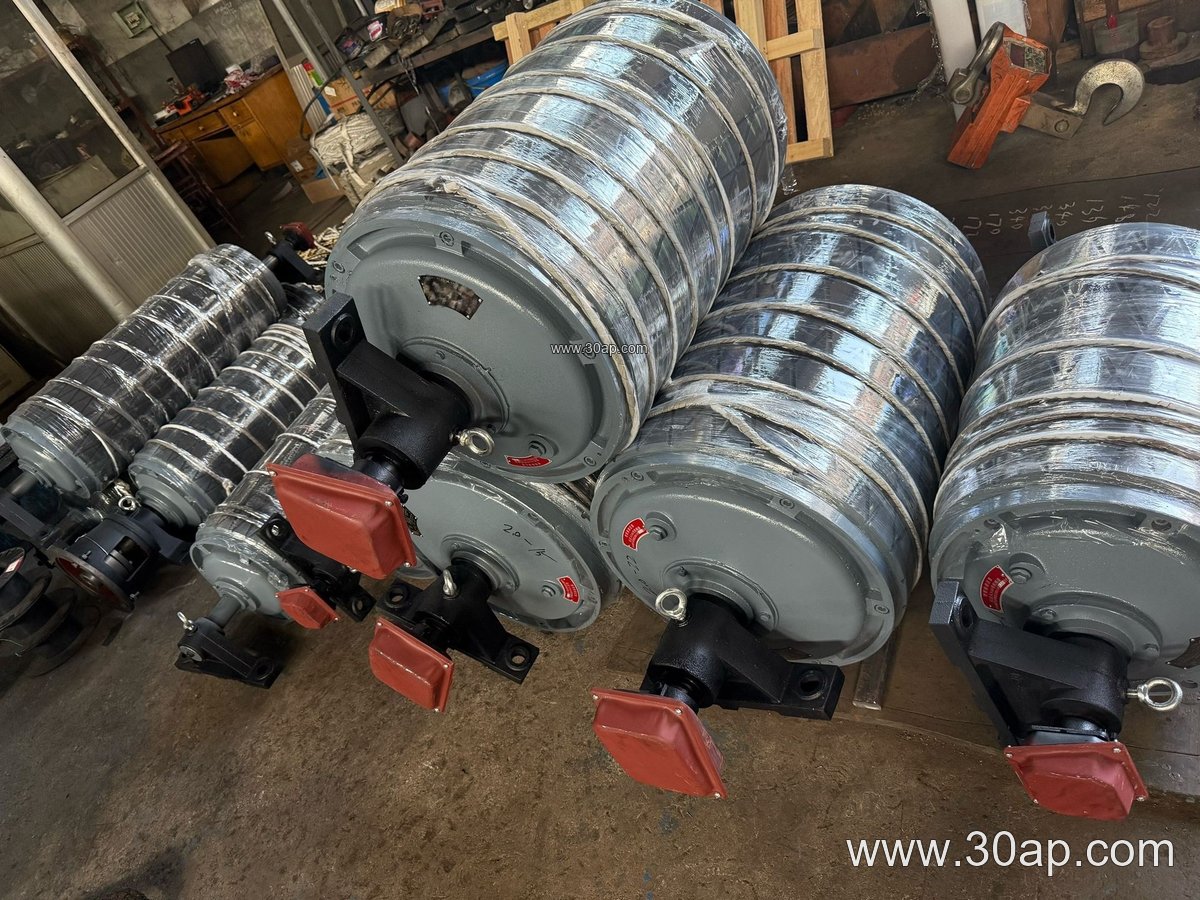
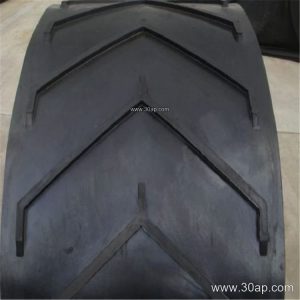
Surface form is chosen for the duty. Plain or flat rubber works well on clean, dry belts. Diamond lagging sheds water and fines. Chevron lagging gives directional grip and is often seen on drive pulleys in sand and gravel lines. Ceramic tiles are used where oil, slurry, or fine wet material would polish a rubber surface.
Where Lagging Is Used Across Industries
You will find belt conveyor pulley lagging in almost any plant that moves bulk material. In a limestone quarry, the head pulley on a crusher discharge conveyor usually carries diamond or chevron rubber. In a coal washery, the drive pulley may need flame retardant rubber to match the conveyor belt specification, and the same applies to an underground coal mining conveyor belt installation. Cement plants often run hot clinker conveyors where heat resistant conveyor belt and lagging must be selected together so the pulley cover does not soften.
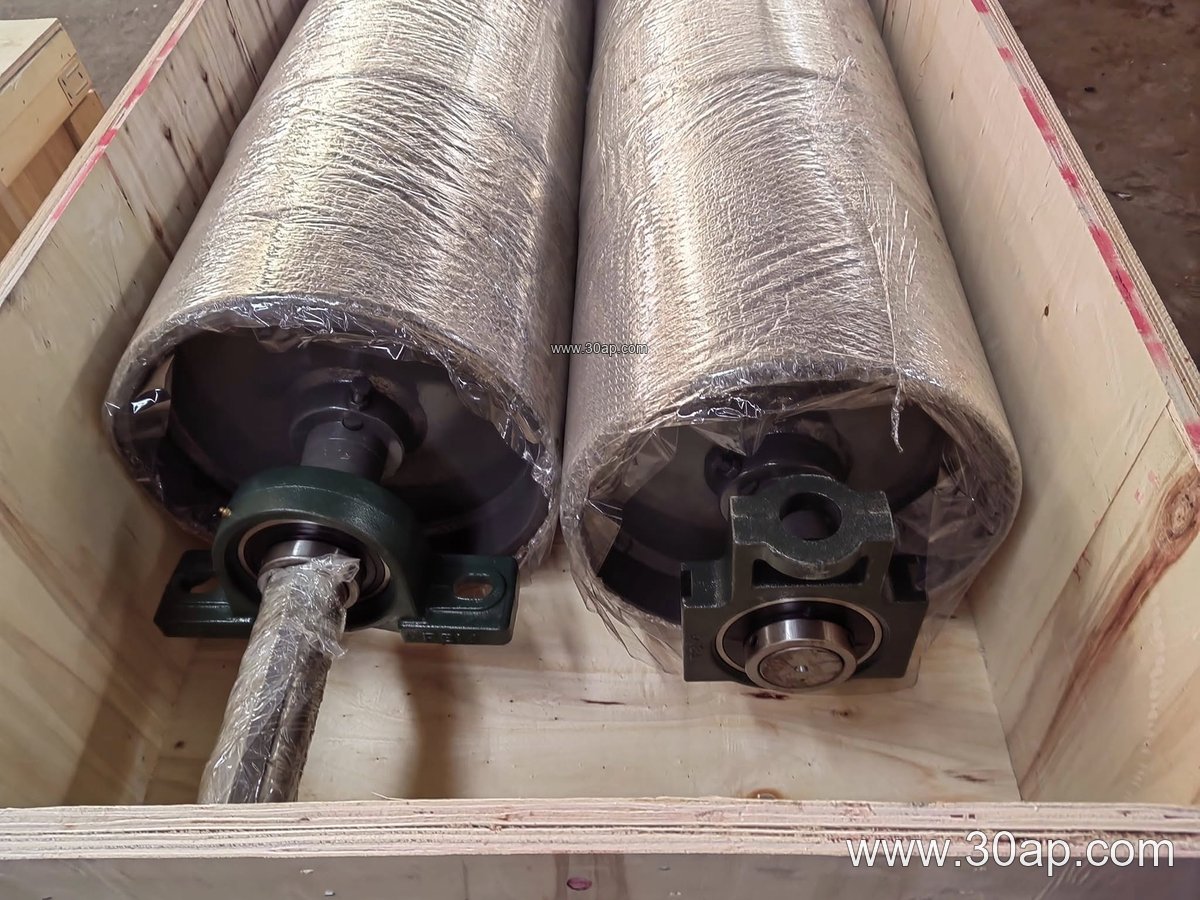
Port bulk terminals handling iron ore or copper ore concentrate prefer ceramic lagging because the belt surface is often damp. Power plant coal handling systems pair lagging with a flame retardant conveyor belt and heavy-duty conveyor pulley assemblies. In a concrete batching plant, small bend pulleys with plain rubber lagging keep the short belts tracking. The list goes on: fertilizer plants, grain silos, tunnel spoil lines, and steel plant sinter conveyors all use the same principle.
Common Reference Dimensions
The numbers below are reference ranges, not fixed pairings. Shell diameter, face width, and shaft size are set by the conveyor design, torque, and belt tension. A wider belt does not automatically mean a larger shaft, and one belt width can work with several pulley diameters.
| Item | Common reference values |
|---|---|
| Belt width B | B400, B500, B650, B800, B1000, B1200, B1400, B1600, B1800, B2000 |
| Pulley diameter | Ø200, Ø250, Ø315, Ø400, Ø500, Ø630, Ø800, Ø1000, Ø1250 |
| Lagging thickness | 8, 10, 12, 15, 20 mm |
| Face width | Usually wider than the belt, e.g. B800 with about 950 mm face |
| Shaft diameter | Ø50 to Ø200, determined by torque and load |
| Surface forms | Plain, diamond, chevron, ceramic, hot or cold bonded rubber |
Typical combinations such as B800 × Ø500, B1200 × Ø1000, or B1400 × Ø800 appear in design drawings, but they are examples rather than rules. The lagging thickness is often matched to the belt and the drive duty: a 10 mm cover may be enough on a short bend pulley, while a 15 mm or 20 mm cover is more typical on a heavily loaded drive pulley.
Drive, Tail, and Bend Pulleys Are Not Interchangeable
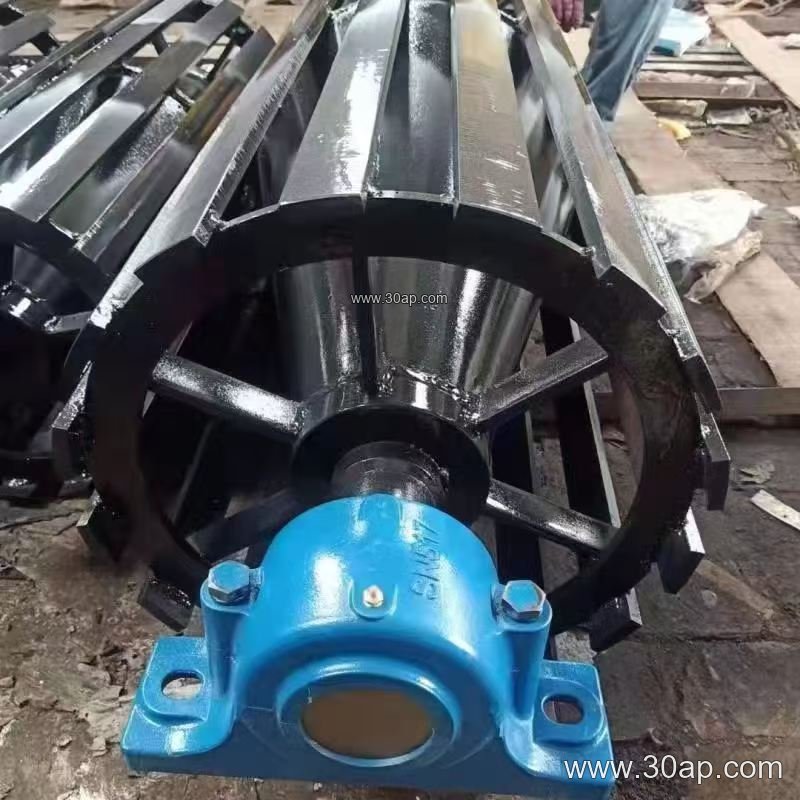
The drive pulley, sometimes called the head pulley, transmits power and needs the highest friction coefficient. The tail pulley at the loading end guides the return belt and benefits from a wear-resistant cover. A bend pulley changes belt direction without driving, so its lagging is mainly protective. A tension pulley takes up slack and may use a plain cover to avoid buildup. Because the duties differ, a buyer should specify the pulley position when ordering lagging, not just the belt width.
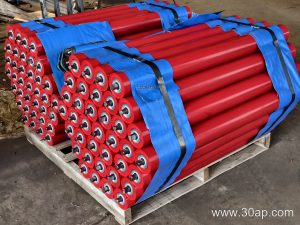
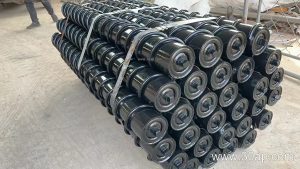
The lagging also has to work with the rest of the conveyor. A worn idler roller or a misaligned conveyor bracket can cause edge loading that destroys lagging quickly. Belt tracking, skirt rubber, and pulley crown all interact with the cover, so the whole conveyor should be reviewed rather than the pulley alone.
What Buyers Should Check Before Ordering
- Confirm the pulley position: drive, tail, bend, tension, or snub.
- State the belt width, pulley shell diameter, face width, and shaft diameter from the drawing.
- Describe the material handled: wet fines, hot clinker, oily scrap, or abrasive ore.
- Match the rubber grade to the belt, for example an abrasion resistant conveyor belt in a stone crushing line or a heat resistant conveyor belt in a cement kiln area.
- Choose the surface form based on slip risk and cleanliness, not on habit.
- Ask how the lagging will be applied: hot vulcanized in a workshop or cold bonded on site.
- Check that the pulley shell is clean, true, and free of old cover before bonding.
Good belt conveyor pulley lagging is a small part of the conveyor cost but a large part of its reliability. When the cover matches the pulley duty, the belt, and the environment, drives stop slipping, shells last longer, and maintenance intervals stretch out across the whole bulk handling line.