What a Vertical Guide Roller Does
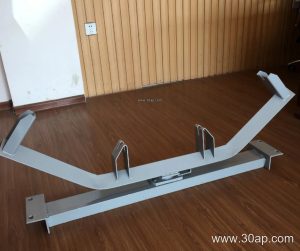
A vertical guide roller is a small-diameter idler mounted on a vertical axis, usually in pairs, along the edges of a conveyor belt. Instead of supporting the belt from beneath like a carrying idler, it contacts the belt edge and limits lateral movement where the belt is prone to wander. In practice, the roller acts as a physical stop and a low-friction contact point, protecting both the belt edge and the structure. It is often used together with a conveyor bracket fixed to the frame, and some designs allow shimming or slot adjustment so the gap to the belt can be set accurately.
This component is not a substitute for a bend pulley or a tail pulley. Those are conveyor pulleys that transmit motion and change belt direction. The vertical guide roller only guides, and it should be selected as part of a tracking strategy that may also include self-aligning idlers and proper pulley alignment.
How the Roller Is Built
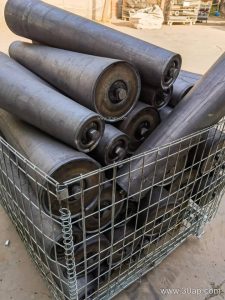
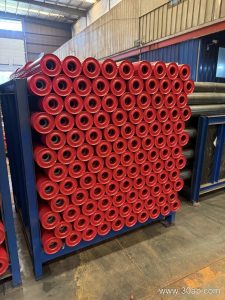
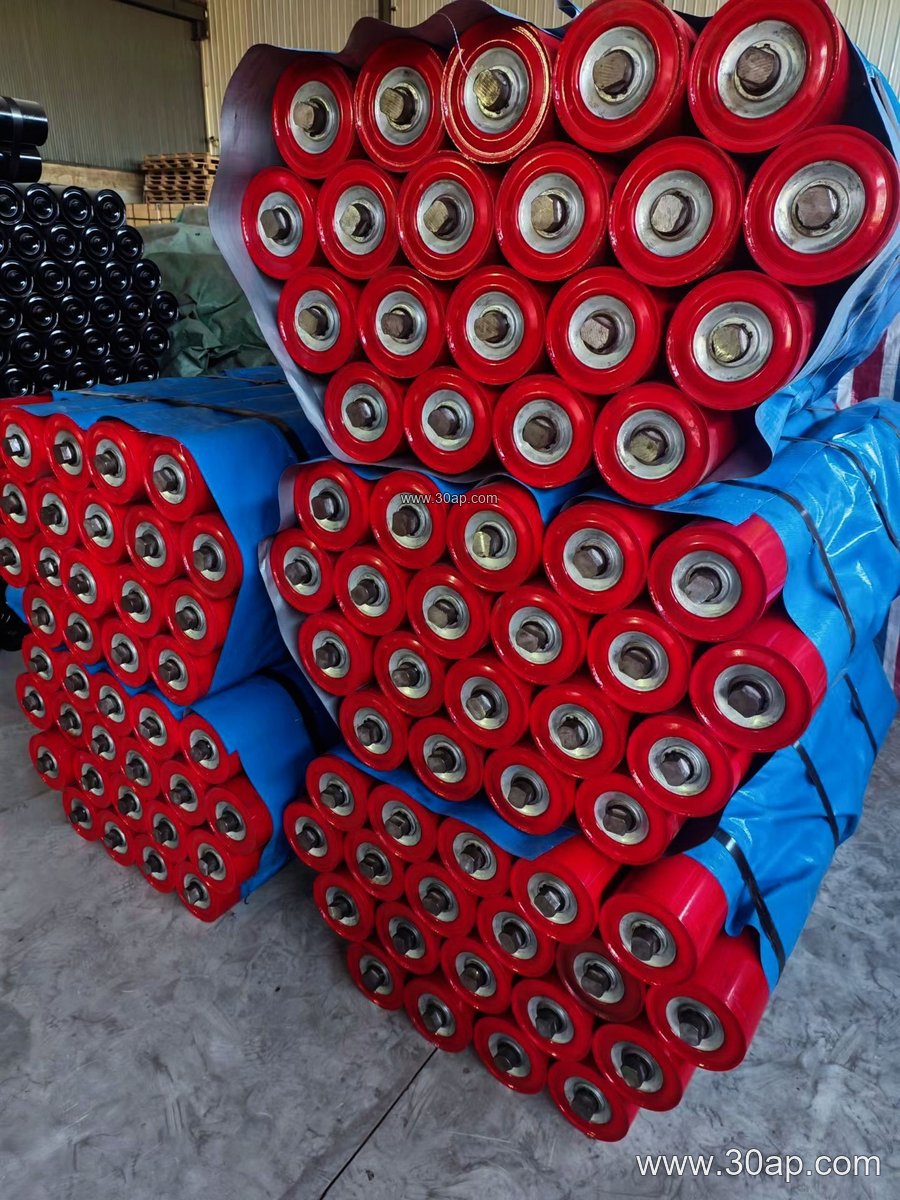
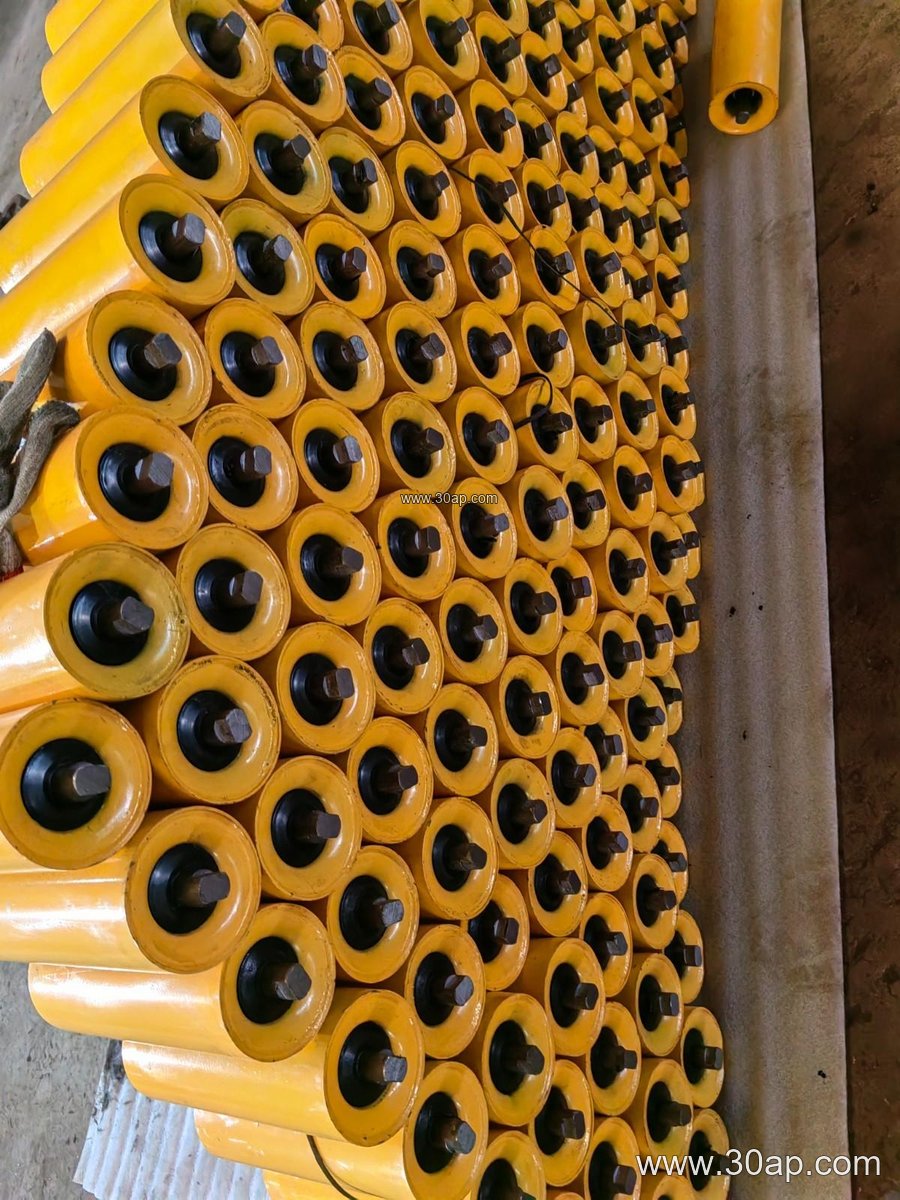
Most units use a steel tube shell with a sealed bearing at each end, a fixed shaft, and a mounting plate or bracket. Common shell materials include carbon steel, stainless steel for wet or corrosive areas, nylon for lighter duty, and rubber-covered versions where edge contact is aggressive. Bearings are typically small deep-groove types such as 6204, 6205 or 6305, chosen by load and shaft design rather than by belt width alone.
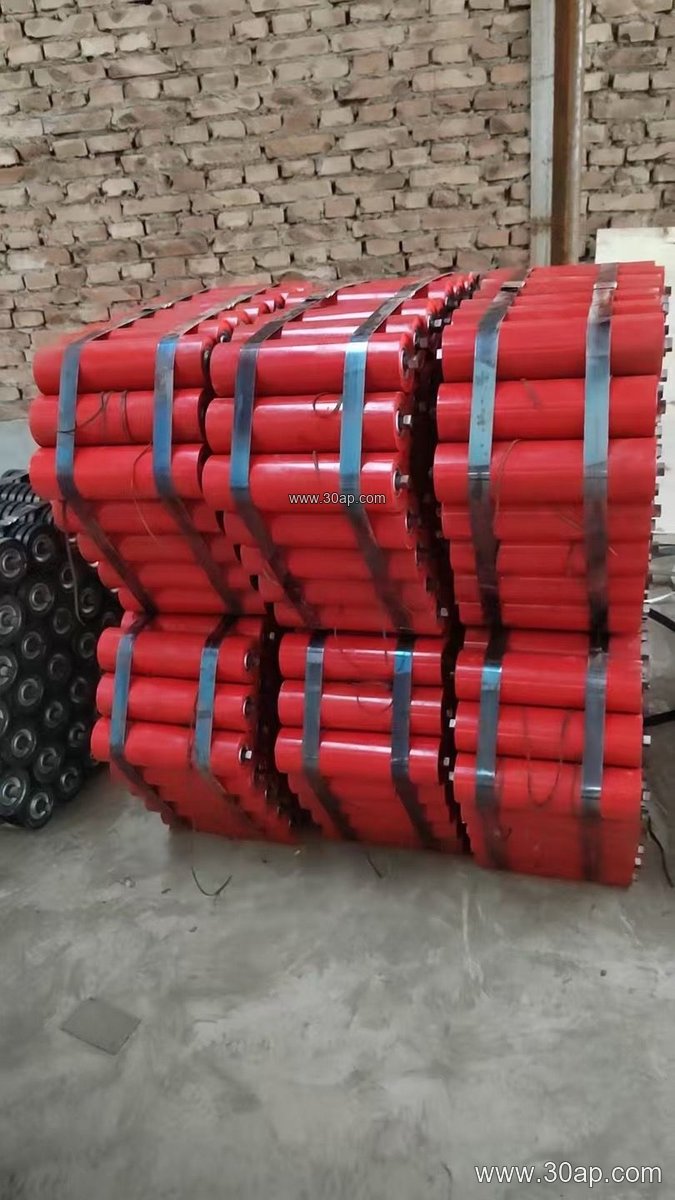
Typical dimensions are modest. Roller diameters often fall in the range of Ø50 to Ø89 mm, with lengths of 100 to 200 mm for standard edge guidance. Larger special designs exist, but a buyer should treat such figures as reference values and confirm them against the actual frame drawing. Sealing matters more than size in dusty service: a labyrinth seal or a contact lip seal keeps fines out of the bearing and extends service life in a quarry or a coal handling plant.
Where It Fits on the Conveyor
Vertical guide rollers are commonly placed near the loading point, just after a transition zone, on the approach to a pulley, and along long spans where side wind or off-center loading causes drift. In a limestone mine or a cement plant, they help hold the belt on the structure while a heavy abrasion resistant conveyor belt carries clinker or raw meal. At a power plant coal yard, a pair of guide rollers before the head pulley reduces edge damage on a flame retardant conveyor belt.
They are also useful in tunneling and stockyard applications where the belt runs slightly misaligned and the frame cannot easily be moved. The roller does not correct the misalignment by itself; it contains it. If the belt is badly off-center, check pulley squaring, idler alignment and loading first, because a guide roller forced against a heavily drifting belt will wear quickly.
Selection Points for Buyers
Start with the belt width and the available space between the frame and the belt edge. A guide roller for a 650mm conveyor belt is not the same unit as one for a 1400mm belt, even if the shell diameter matches. Confirm the mounting hole pattern, the shaft diameter, and whether the bracket is welded or bolted. State the environment: wet, dusty, high temperature, or oil exposure. In a steel plant or sinter line, heat and scale may call for a different bearing arrangement than a sand and gravel plant.
Also consider the belt itself. A heavy-duty mining conveyor belt with thick covers tolerates edge contact better than a thin food grade conveyor belt, which may need a smoother roller surface or a larger clearance. For chevron or corrugated sidewall belts, the guide roller must clear the cleat height, so the roller length and position need special attention.
Installation and Maintenance
Set the roller so it touches or nearly touches the belt edge without pinching it. A small running clearance, often a few millimeters, is typical; the exact figure should follow the conveyor design. Check that the roller spins freely by hand and that the bracket is square to the belt line.
During routine inspections, look for flat spots, seized bearings, rubber cover wear, and build-up of sticky material. Replace a worn roller before it cuts into the belt edge. Keeping spare rollers and brackets on site is practical for a busy quarry or port terminal, where downtime is costly.
For matching conveyor components, including idler roller assemblies and conveyor brackets, review the full conveyor layout rather than choosing the guide roller in isolation. The right combination of tracking idlers, pulley alignment and edge guidance keeps the belt centered and extends the life of the whole system.