What a Galvanized Idler Is and Where It Fits
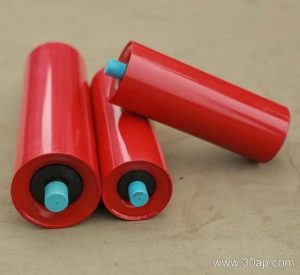
A galvanized idler is a conveyor idler roller whose steel shell and end structures are protected with a zinc coating, usually applied by hot-dip galvanizing. The zinc layer works as a sacrificial barrier, so the roller body resists rust longer than a plain painted or bare steel shell, especially in wet, humid, or coastal conditions. In a conveyor line, these rollers support the carrying and return sides of the conveyor belt, keep the belt profile stable, and reduce friction between the belt and the frame.
Engineers often call the same item a galvanized conveyor idler or a zinc-coated idler roller. It belongs to the idler family, not to the pulley family. A drive pulley, a tail pulley, and a bend pulley each do a different job at the ends or corners of a conveyor and cannot be replaced by an idler. A galvanized idler is a rotating support component mounted on the conveyor bracket along the carrying or return run.
How the Roller Is Built
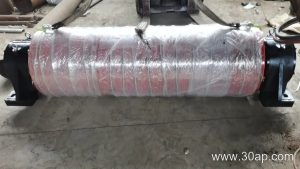
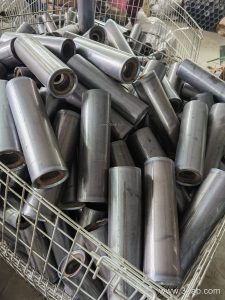
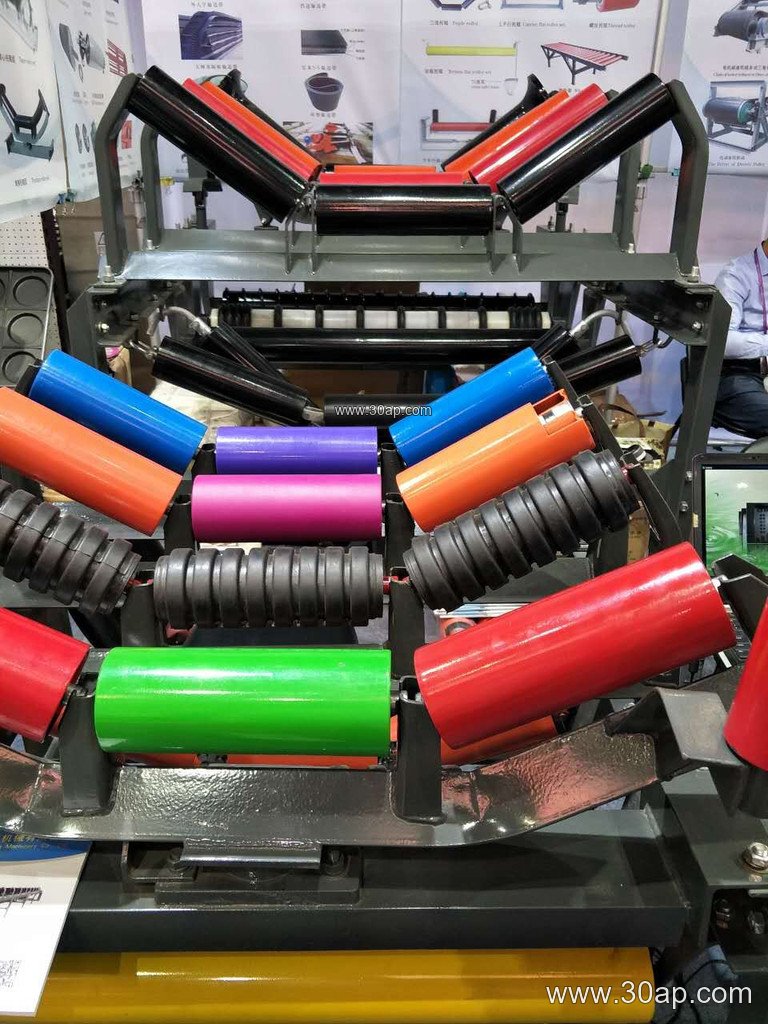
The typical construction starts with a steel tube shell, welded to bearing housings at both ends. Sealed ball bearings sit inside, and the shaft passes through to be clamped into the bracket. After fabrication and cleaning, the shell and exposed steel parts are galvanized, giving a matte zinc finish that sheds water and resists white rust better than untreated steel. Sealing quality matters as much as the coating, because dust and moisture that reach the bearing shorten roller life regardless of surface finish.
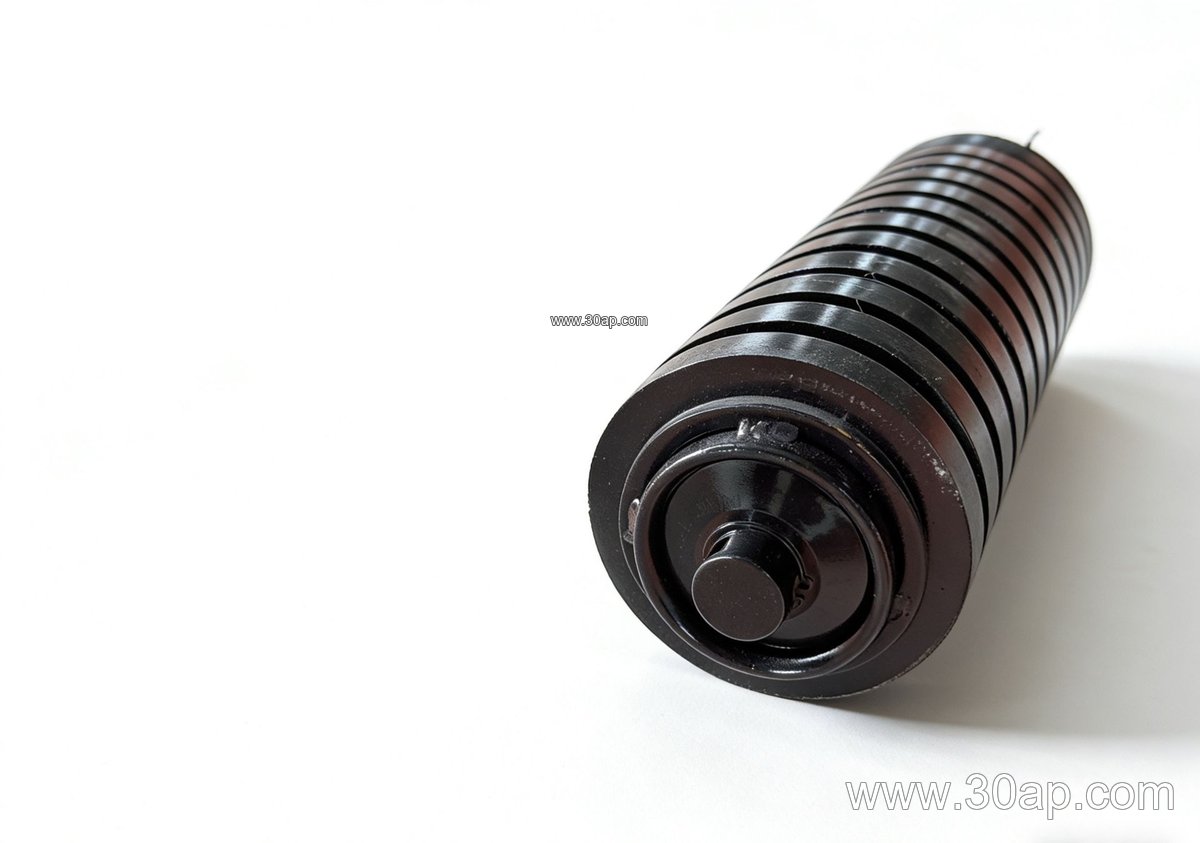
Common shell materials for the roller body include steel tube, nylon, ceramic, and rubber rings. Galvanizing applies to the steel version; a rubber-ring impact roller or a ceramic-faced roller uses a different wear surface, so compare carefully before substituting one for the other. Bearing sizes are usually selected with the load and shaft in mind rather than the belt width alone, and common bearing numbers include 6204, 6205, 6305, 6306, 6308, and 6310.
Typical Configurations
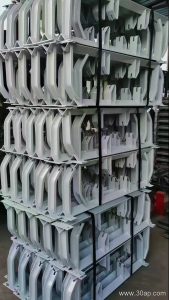
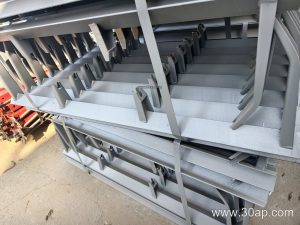
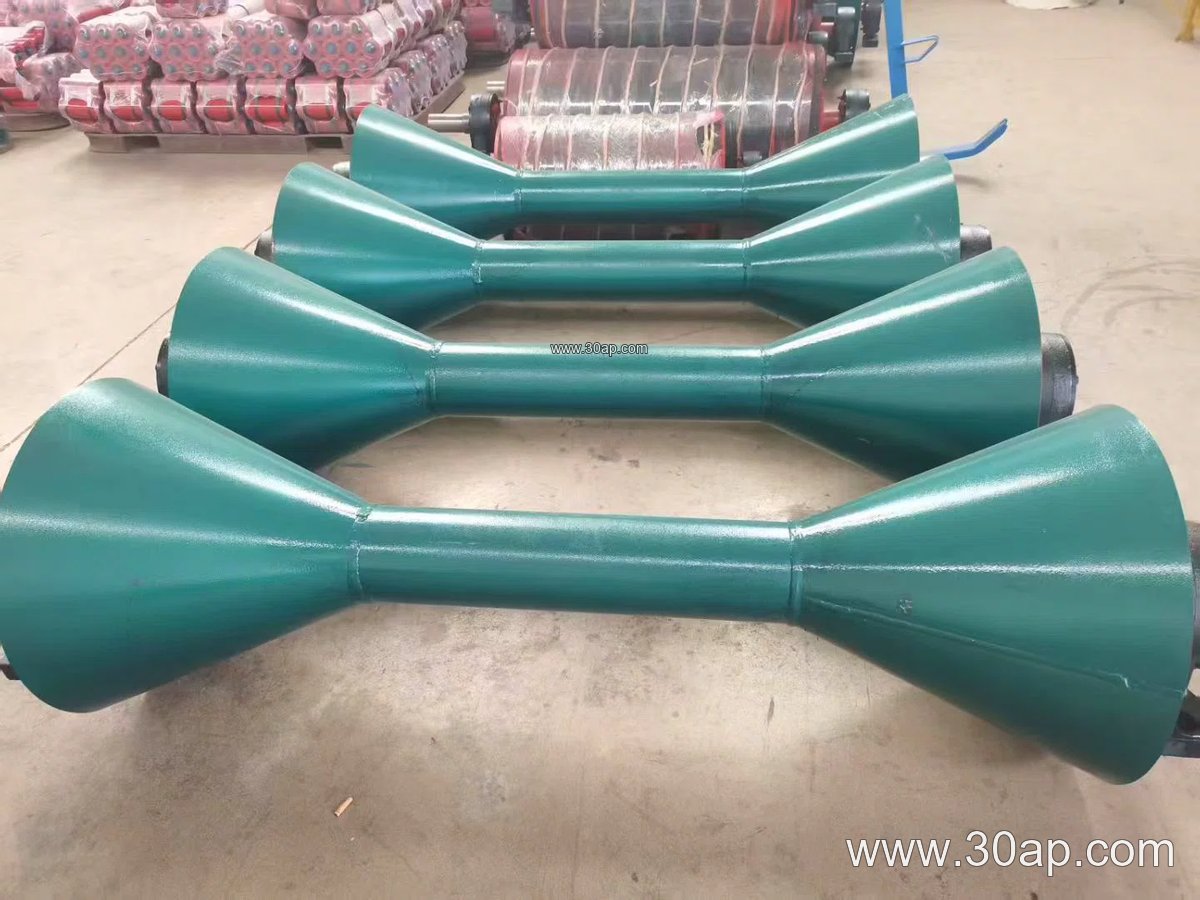
Galvanized rollers appear in troughing sets, return sets, and transition positions. A three-roll troughing set is the most common carrying arrangement on bulk lines, while a single-roll flat return or a V-return supports the empty belt. Troughing angle is usually 20, 30, 35, or 45 degrees, and the choice affects how the material sits on the belt. Self-aligning types, including friction and tapered self-aligning rollers, help correct belt drift on long runs. Spiral rollers are sometimes used on the return side to shed sticky material.
The roller length follows belt width, trough angle, and the roll arrangement. For reference, a three-roll troughing set commonly uses roller lengths of about 200 mm at B500, 250 mm at B650, 315 mm at B800, 380 mm at B1000, 465 mm at B1200, 530 mm at B1400, 600 mm at B1600, 670 mm at B1800, and 750 mm at B2000. These are examples, not fixed pairings, and side rollers and center rollers can differ within one set. Diameters commonly range from Ø63 up to Ø219 depending on load and belt speed.
Industrial Applications
Galvanized idlers suit outdoor and moisture-exposed conveyors. A quarry or aggregate line that runs through wet washing areas benefits from the zinc coating, as does a power plant coal handling system where dust and humidity are present. In a cement plant, the same roller can serve clinker or raw material conveyors, though high-temperature zones may need a heat-resistant belt and a roller designed for that duty. Ports and ship loading conveyors, where salt air is a factor, are another natural fit.
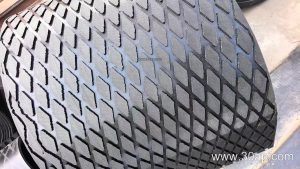
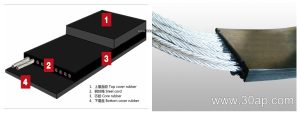
The belt itself must match the duty. A heavy-duty mining conveyor belt, an abrasion resistant conveyor belt, or a flame retardant conveyor belt for underground coal mining all place different demands on the idler. On a long overland line, a steel cord conveyor belt or a high strength EP conveyor belt may carry the load, and the roller spacing and diameter should follow the belt tension and sag limits. For sticky or wet material, a chevron conveyor belt or a corrugated sidewall conveyor belt may be used, and the roller set must clear the cleats and sidewalls. If the line carries hot sinter or cement clinker, a heat resistant conveyor belt is needed, and the idler should be placed and specified with that temperature in mind.
What Buyers Should Check
- Coating quality: confirm the galvanizing method and look for uniform coverage, especially at welds and shaft ends.
- Sealing and bearing: ask about the bearing number, seal type, and grease arrangement rather than assuming one size fits all.
- Dimensions: match roller diameter, roller length, and shaft ends to the existing conveyor bracket, not to a catalog table alone.
- Duty match: state the belt width, belt type, material carried, and ambient conditions so the supplier can propose a suitable roller.
- Spares consistency: keep the same shaft and bracket interface across a line so replacements stay interchangeable.
For a quick reference, a buyer can record the following details before requesting a quote: belt width in mm, roller diameter, roller length, trough angle, bearing number, and mounting style. The values below are common examples only and should be confirmed against the actual conveyor design.
| Parameter | Common reference values |
|---|---|
| Roller diameter | Ø63, Ø76, Ø89, Ø102, Ø108, Ø127, Ø133, Ø159, Ø178, Ø194, Ø219 |
| Belt width | B400 to B2400 |
| Trough angle | 20°, 30°, 35°, 45° |
| Roller surface | Steel tube (galvanized), nylon, ceramic, rubber ring |
| Bearing | 6204, 6205, 6305, 6306, 6308, 6310 |
Routine inspection of the galvanized idler, including checking for seized bearings, coating damage, and roller misalignment, keeps the conveyor belt running smoothly and avoids unnecessary wear on the belt cover. Replacing a damaged roller early is usually cheaper than repairing a torn belt later.